Quick answer
Shake off loose hair, machine wash on a gentle cycle in cool water with a small amount of pet-safe detergent, then air-dry or tumble on low. The waterproof lining is the part that fails first, so skip hot water, chlorine bleach, and high heat. Wash every one to two weeks for heavy shedders or droolers, and spot-clean accidents the same day.
Why waterproof pet blankets get smelly faster than regular bedding
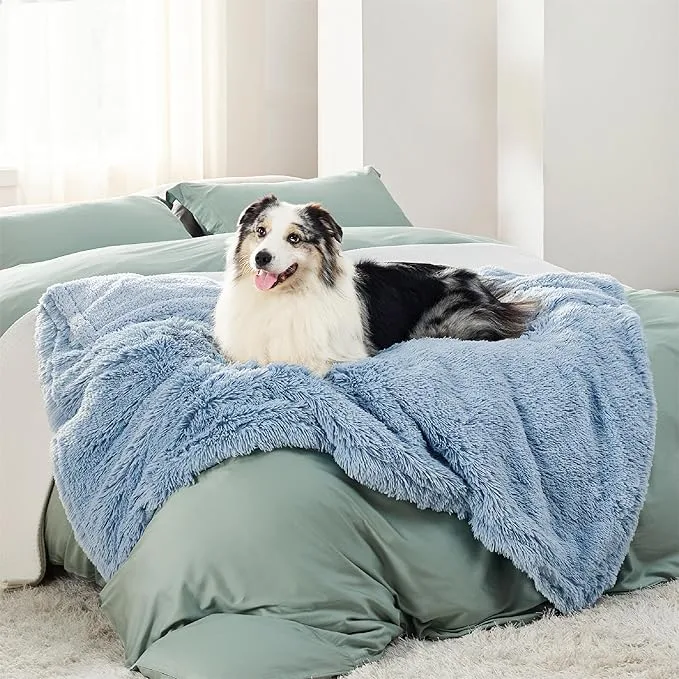
waterproof pet blankets
A waterproof blanket traps odor in two different places. The soft outer fabric holds dander, saliva, and oils, while the interior lining keeps spills from soaking through to your sofa or car seat. That lining is also why smells can linger: moisture sits against it instead of evaporating, so bacteria get a damp, warm layer to grow in. Regular blankets dry from both sides; a waterproof one mostly dries from the outside in.
That changes your routine. You cannot rely on a hot wash to blast away odor, because heat is what breaks down waterproof coatings and laminated linings. You also cannot leave a damp blanket bunched in a laundry basket, because trapped moisture is exactly what you are trying to remove. The goal is a gentle wash followed by fast, thorough drying.
Pick the right blanket for the mess you actually have
Not every pet blanket needs the same care, and choosing the right one makes washing easier. If your pet has accidents, drools, or rides in the car, a blanket with a waterproof interior lining does the heavy lifting. If your pet mainly sheds and nests, a plush fleece blanket is easier to launder and dries faster because there is no barrier layer.
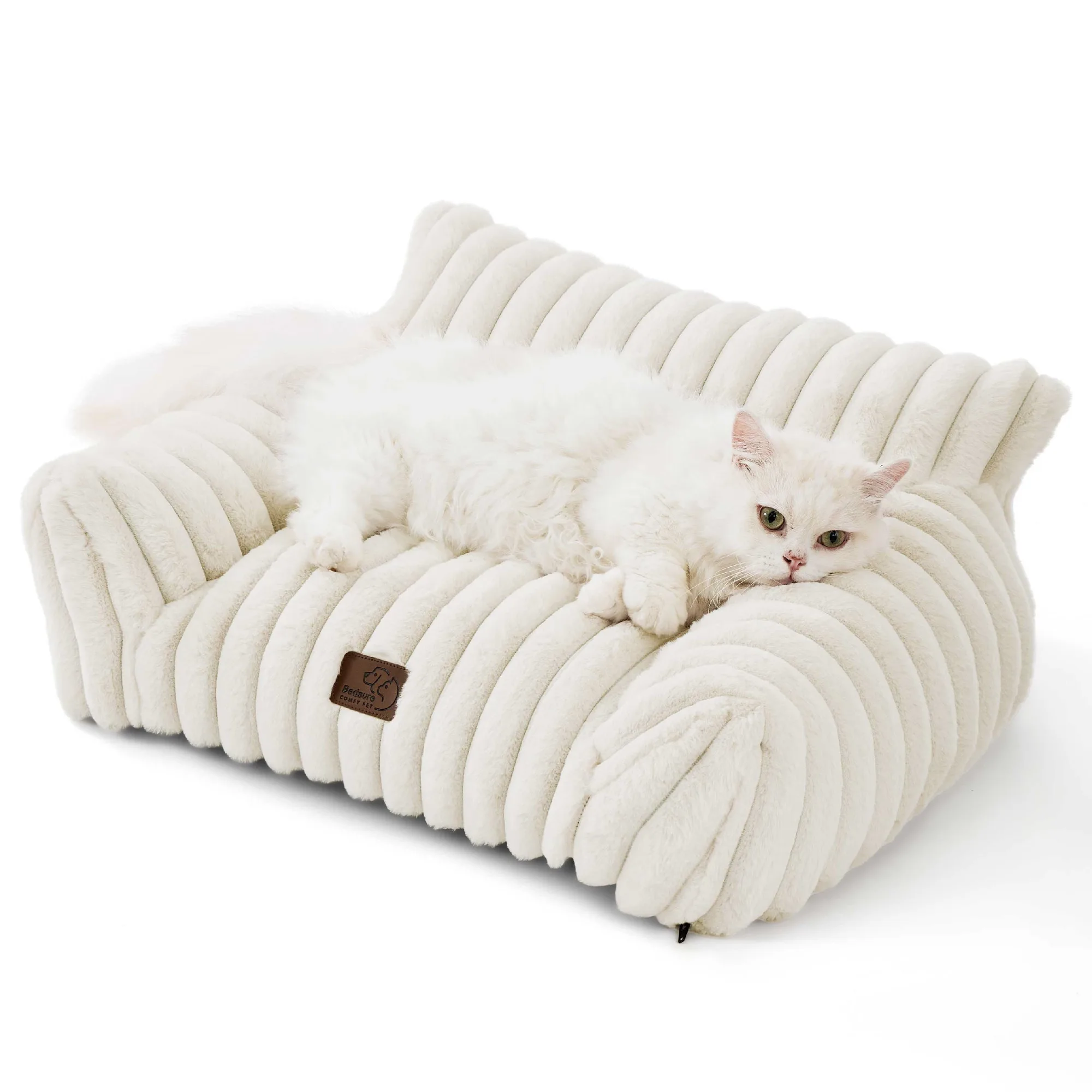
For pets that like to lean and burrow, a small pet couch with a removable, washable cover can reduce how often you wash the blanket itself, because the cover catches most of the hair and drool. Match the product to the problem: accident protection, shedding, or chewing and nesting.
What to avoid so the waterproof layer keeps working
Fabric softener, dryer sheets, chlorine bleach, and hot water are the four most common causes of early failure. Softener and dryer sheets leave a waxy residue that reduces absorbency and can make fleece feel slick, while bleach and heat degrade the waterproof lining and the stitching that holds it in place. Skip them entirely rather than using them occasionally.
Also avoid washing a waterproof blanket with heavy items like jeans, towels with zippers, or anything with Velcro. Abrasion is what wears down the soft outer surface and the interior coating. A mesh laundry bag adds a layer of protection if you wash frequently.
Step-by-step: wash, deodorize, and dry a waterproof pet blanket
- 1. Shake and brush off loose hair outdoors: Take the blanket outside and shake it vigorously, then run a rubber brush or damp rubber glove over the fleece or sherpa side to lift embedded hair. Do this before the blanket gets wet, because wet hair mats into the fabric and is much harder to remove later. Checkpoint: if hair is still coming off in sheets, keep brushing. Hair left in the wash can redeposit on the blanket and keep odor around.
- 2. Pretreat stains and odor hotspots: Mix a little pet-safe enzyme cleaner with cool water and dab it onto urine spots, drool marks, and the areas your pet sleeps on most. Let it sit for 10 to 15 minutes. Enzyme cleaners break down the proteins in saliva and urine that plain detergent can leave behind. Common mistake: scrubbing hard. Blot and press instead, so you do not push odor deeper into the fleece or damage the lining.
- 3. Wash on a gentle cycle in cool water: Use a small amount of pet-safe, fragrance-free detergent and choose the gentlest cycle your machine offers. Cool water protects the waterproof interior lining, and a gentle cycle reduces abrasion on the corduroy, sherpa, or coral fleece surface. Wash the blanket either alone or with other soft pet items. Checkpoint: no bleach, no fabric softener, no hot water. These are the fastest ways to shorten the blanket's useful life.
- 4. Run an extra rinse if your pet has sensitive skin: Detergent residue can irritate paws and skin and can also hold onto scent. If your pet scratches or sneezes after bedding changes, add a second rinse cycle with no detergent. This is especially useful for thick fleece that traps soap. Common mistake: adding more detergent for a bad smell. More soap usually means more residue, not less odor.
- 5. Dry on low heat or air-dry, then check the lining: Tumble dry on the lowest heat setting, or hang the blanket over a drying rack or shower rod. High heat is the main cause of a waterproof lining separating or cracking. Before you put the blanket back, press the interior lining with your hand and feel for any damp coolness. Checkpoint: if the lining still feels cool or damp, keep drying. A blanket stored slightly damp will smell worse within a day.
- 6. Refresh between washes instead of washing more often: Vacuum the blanket with a brush attachment, sprinkle a thin layer of baking soda, let it sit for 15 minutes, then shake or vacuum it out. For a pet couch, spot-clean the faux fur and brush the bolster seams where hair and oils collect. This keeps odor down without repeatedly soaking the fill or lining. Next step: aim to wash waterproof blankets every one to two weeks, and spot-clean accidents the same day rather than waiting for laundry day.
Product facts that affect how you wash
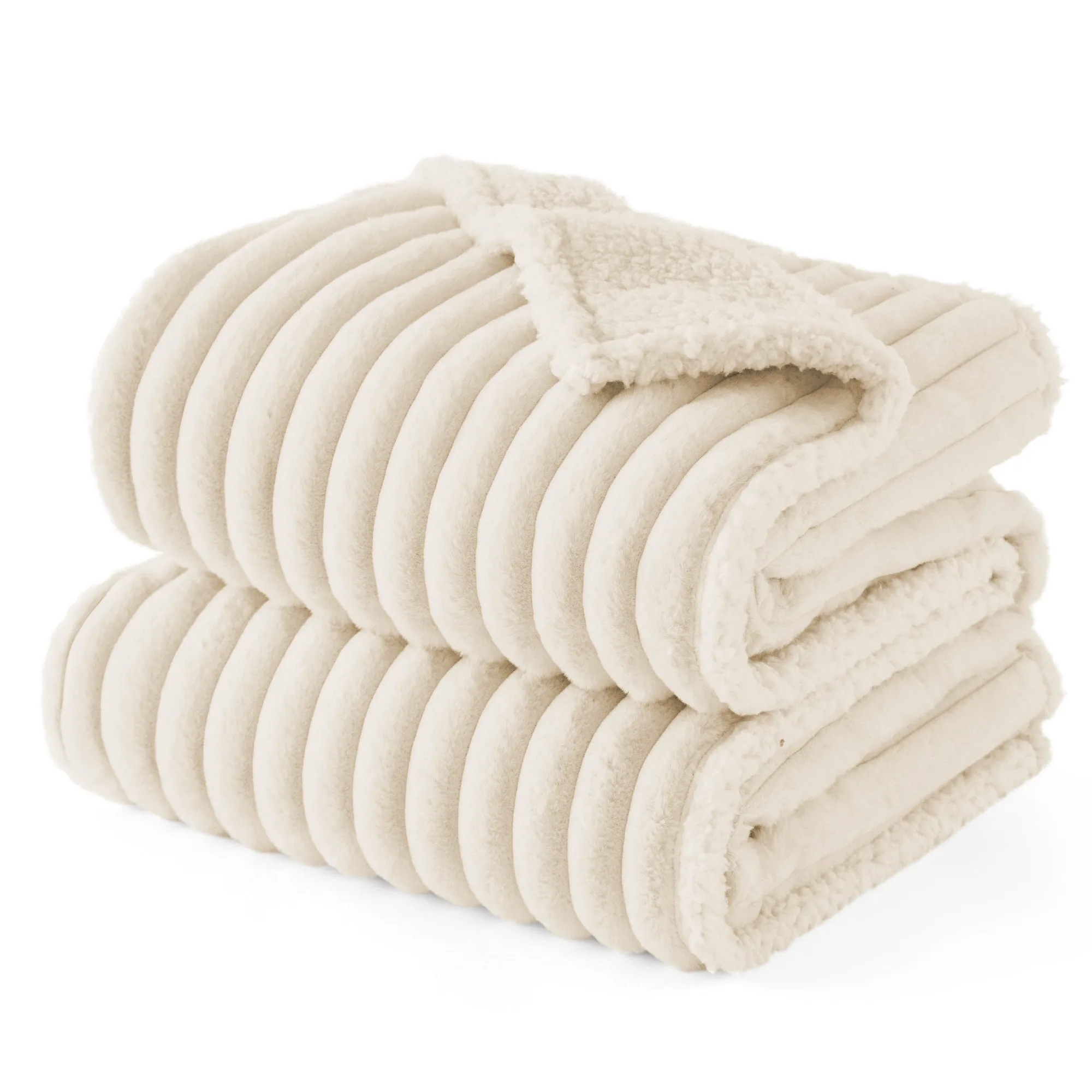
- ComfyFleece® Waterproof Pet Blanket: Fully lined with corduroy and sherpa (no animal-derived materials), with a waterproof and spill-resistant interior lining that blocks spills from soaking through. The outer fabrics are not waterproof. Wash the outer fabric normally, but protect the interior lining from heat and harsh chemicals. Because the outside is not waterproof, blot fresh spills quickly before they wick into the corduroy or sherpa.
- Jacquard Fleece Pet Blanket: Made from premium 300GSM coral fleece, providing a soft, thick, yet lightweight blanket. Coral fleece holds hair and dander in its pile, so shake it out before washing and use a low, gentle cycle to keep the fleece from matting.
- ComfyFleece® Pet Couch: Three-sided bolster design with a high backrest; filled with a 2:1 mix of chopped foam and polyester fiber; covered in ultra-soft faux fur. Spot-clean the faux fur and vacuum or brush the bolster seams where hair collects. The foam-and-fiber fill should not be soaked repeatedly, so treat the couch as a low-wash-frequency item.