Quick answer
Most Sandbagger problems come from overfilling, using wet or dirty sand, or storing it compressed. Fill the bag only two-thirds full with dry play sand, close the closure fully, and rinse and air-dry it after every trip. If seams or the closure are torn, replace the bag instead of trying to patch it.
Why your Sandbagger slips or leaks
A Sandbagger that slides or sheds sand usually has one of three issues: the fill is too wet or too fine, the bag is packed so full it cannot mold to the surface, or the closure is not sealed. Dry play sand or coarse sand works best because it stays put and adds weight without turning into mud. If you use beach sand, rinse and dry it first. Overfilling makes the bag stiff, so it rolls instead of gripping. Underfilling makes it too light to hold. Aim for about two-thirds full, then press the bag flat before you set it down.
How to fill and seal the Sandbagger correctly
Open the closure and pour dry sand in slowly, stopping when the bag is about two-thirds full. Leave room for the sand to shift. Close the closure completely, then squeeze the bag to check for gaps. If sand escapes, empty it, wipe the closure clean, and reseal. For a tighter seal, fold the top over once before closing. Test the bag by setting it on a hard floor and pushing it sideways; it should stay put. If it slides, add a little more dry sand or check that the closure is not trapped under the fill.
Cleaning and drying after every use
Empty the sandbagger completely after each trip. Shake out loose sand, then rinse the bag with fresh water and a mild soap. Do not use bleach or harsh detergents, which can break down the fabric. Rinse thoroughly and hang it to air-dry in the shade. Never store it wet or sandy, because damp sand clumps and can cause mildew. If the bag has a stubborn odor, soak it in a mix of water and a small amount of white vinegar, then rinse and dry. Once dry, refill with fresh dry sand before your next trip.
Storage that prevents leaks and stiffness
Store the Sandbagger empty and open, not compressed. Fold it loosely and keep it in a dry, ventilated place away from direct sun. If you leave sand in it between trips, make sure the sand is completely dry and the bag is not crushed under other gear. For long-term storage, empty the sand, clean the bag, and hang it or lay it flat. A stuff sack works, but do not cinch it tight. Before your next use, inspect the seams and closure for wear, and refill with dry sand.
Diagnosis: symptom, cause, fix, and when to stop
- Sand leaks from the closure: The closure is not fully sealed or sand is trapped in the track. Empty the bag, clean the closure with a damp cloth, and reseal it completely. If the closure is torn or stretched, stop using it. If the closure still leaks after cleaning, replace the Sandbagger.
- Bag slides on the surface: The bag is overfilled, underfilled, or the sand is wet. Empty it, dry the sand or replace it with dry play sand, and refill to about two-thirds full. Press the bag flat before use. If it still slides on a clean, dry surface, the surface may be too smooth for a sandbag anchor.
- Bag feels stiff or heavy: Too much sand or moisture has compacted the fill. Empty the bag, rinse and dry it completely, then refill with dry sand. Do not pack it tight. If the fabric feels stiff even when empty, it may be time for a new bag.
- Musty smell or mildew: The bag was stored damp or with wet sand. Wash with mild soap and water, then soak in a diluted white vinegar solution if needed. Air-dry completely in the shade before refilling. If mildew has penetrated the fabric and the smell persists after washing, stop using it.
- Seams are fraying or torn: Repeated overfilling or abrasion has damaged the stitching. A small repair may hold temporarily, but a torn seam will leak sand and lose strength. Replace the Sandbagger when seams are torn; do not rely on it as an anchor.
Product facts
- Sandbagger: The Sandbagger is a 14-panel foot bag with the DNA of World Footbag’s high performance SandMaster, designed for consistent kicks and sticky stalls. The 14-panel construction and SandMaster heritage mean the bag is built to hold fill securely and keep its shape, so proper filling and care directly protect its performance.
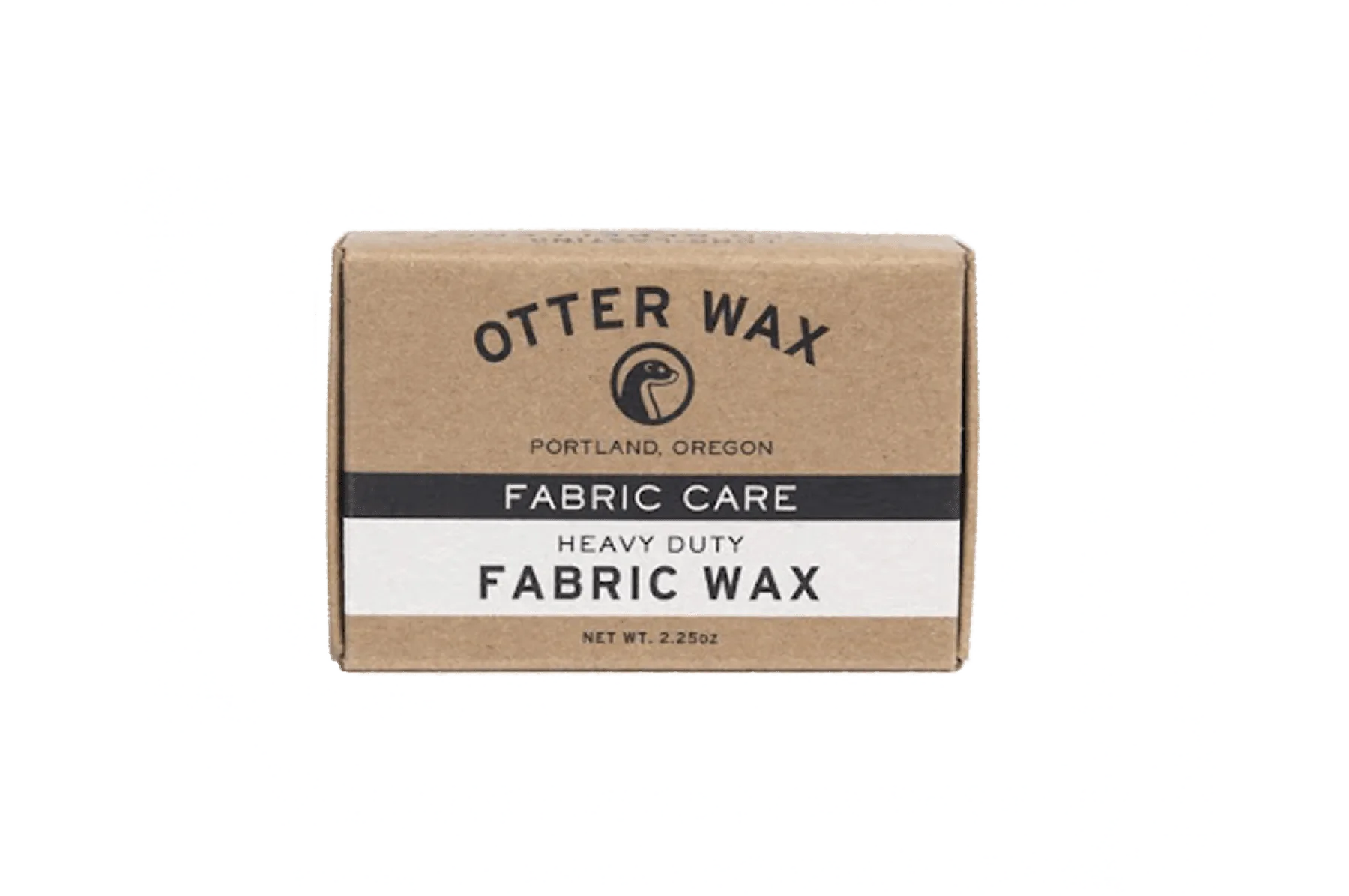
- Otter Wax - Heavy Duty Fabric Wax: Otter Wax Heavy Duty Fabric Wax is designed for waterproofing and conditioning heavy-duty fabrics such as canvas, tents, and workwear, and is easy to apply with a simple rub-in method. If your Sandbagger is made of canvas or a similar heavy fabric, a light coat of this wax can add water resistance and help keep sand from clinging, but it will not repair torn seams or a broken closure.