Walking your dog is one of the most rewarding parts of pet ownership. It provides exercise, mental stimulation, and bonding time. However, it also comes with responsibilities. Ensuring your dog's safety during walks is paramount, whether you're strolling through the neighborhood or hiking a rugged trail. From choosing the right gear to understanding potential hazards, being prepared can make all the difference.
In this guide, we'll cover essential dog walking safety tips, including how to prevent your dog from running away, how to stay visible during evening walks, and how to handle common hazards. By the end, you'll have the knowledge to make every walk safe and enjoyable for both you and your furry friend.
Choose the Right Leash for Safety and Control
The foundation of a safe walk is a reliable leash. A sturdy leash not only keeps your dog close but also gives you control in unexpected situations. When selecting a leash, consider your dog's size, strength, and behavior. For dogs that pull, a dual handle leash can be a game-changer. It provides a second handle near the collar, allowing you to hold your dog closer in busy areas or during training.
For active owners, a hands-free bungee leash set is an excellent option. It allows you to keep your hands free while the bungee absorbs shocks from sudden movements, reducing strain on both you and your dog. This type of leash is perfect for jogging or hiking, where you need to maintain balance and control without sacrificing safety.
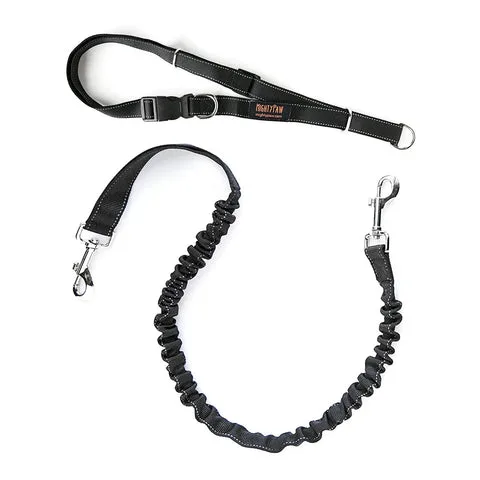
hands-free bungee leash set
- Always attach the leash to a well-fitted collar or harness, never to a choke chain.
- Check the leash for wear and tear regularly, especially the clips and stitching.
Prevent Your Dog from Running Away
One of the biggest fears during walks is your dog slipping out of their collar or breaking free. To prevent this, ensure your dog's collar or harness fits properly. A snug fit is key – you should be able to fit two fingers between the collar and your dog's neck. For extra security, consider using a harness that clips in the front, which reduces pulling and makes it harder for your dog to back out.
Training is also crucial. Teach your dog a reliable recall command, such as 'come' or 'here,' and practice it regularly in a safe, enclosed area. Always reward your dog with treats and praise when they respond correctly. This reinforces the behavior and increases the likelihood they'll come back if they ever get loose.
- Use a harness with a front clip for dogs prone to slipping out of collars.
- Practice recall in a fenced yard or using a long training leash before trusting it off-leash.
Stay Visible During Nighttime Walks
Walking your dog in the early morning or evening can be peaceful, but it also poses visibility risks. To keep you and your dog safe, wear reflective clothing and attach a light to your dog's collar. Many collars come with reflective stitching, like the Reflective Standard Collar, which enhances visibility in low light. Additionally, you can attach a small LED light to your dog's collar or harness to make them more noticeable to drivers and cyclists.
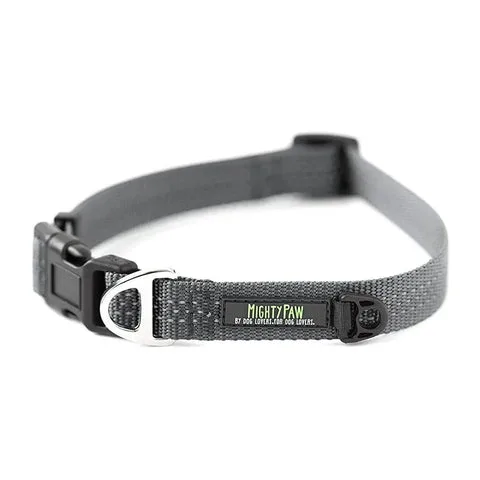
Reflective Standard Collar
If you're walking in an area with heavy traffic, consider using a leash with reflective material. This not only helps drivers see you but also makes it easier to spot your dog if they wander into the road. Remember, safety first – always walk facing traffic and use sidewalks when available.
- Invest in a reflective collar or a clip-on light for your dog.
- Wear a reflective vest or armband when walking at dawn or dusk.
Be Aware of Common Hazards on Your Route
Even familiar routes can present unexpected dangers. Broken glass, sharp objects, toxic plants, and even wildlife can pose threats to your dog. Keep an eye on the ground and be prepared to steer your dog away from potential hazards. Also, be mindful of the weather – hot pavement can burn your dog's paws, so test the ground with your hand before walking on a sunny day.
During walks, your dog might pick up something they shouldn't eat. This is where training and treats come in handy. Carry high-value treats, like All-Natural Pig Ear Chews, to redirect your dog's attention when they try to eat something off the ground. A simple 'leave it' command can prevent many dangerous situations.
- Check the temperature of the pavement with your hand before walking.
- Keep a first-aid kit in your car or home, and know the location of the nearest emergency vet.
By following these essential dog walking safety tips, you can ensure that every walk is a safe and enjoyable experience for both you and your dog. Remember, the right gear, consistent training, and awareness of your surroundings are the keys to preventing accidents. For high-quality leashes and training aids, explore the Hands-Free Bungee Leash Set to enhance your walking routine.