Quick answer
For most winter walks, a single well-fitted insulated coat is enough. But when temperatures drop below freezing, wind picks up, or your dog has short hair or is senior, layering a base layer under an insulated outer coat gives adjustable warmth. Start with a snug base layer, add insulation if needed, and finish with a weatherproof shell. Always check your dog's paws and body language for signs of cold.
Why layering works for dogs
Dogs lose heat through their skin and respiratory tract, and wind accelerates that loss. Layering traps insulating air and lets you adjust as conditions change. A base layer manages moisture, a mid-layer holds warmth, and an outer layer blocks wind and precipitation. This system also lets you tailor coverage for different body types: short-haired dogs, seniors, and puppies often need more insulation than thick-coated breeds.
Step 1: Assess conditions and your dog
Before you grab a coat, check the temperature, wind chill, and precipitation. Consider your dog's coat type, age, and health. Dogs with short or thin coats, seniors, and those with medical conditions feel cold sooner. A quick test: if your dog shivers, lifts paws, or slows down, it's time to add layers or head home.
Step 2: Choose a base layer
A base layer sits against the skin and manages moisture. Look for a snug-fitting, breathable fabric that won't bunch. For dogs with very short hair, a light fleece or knit sweater works well. Avoid cotton, which holds moisture and loses insulation when wet. If your dog has a thick double coat, you may skip this layer unless it's extremely cold.
Step 3: Add insulation
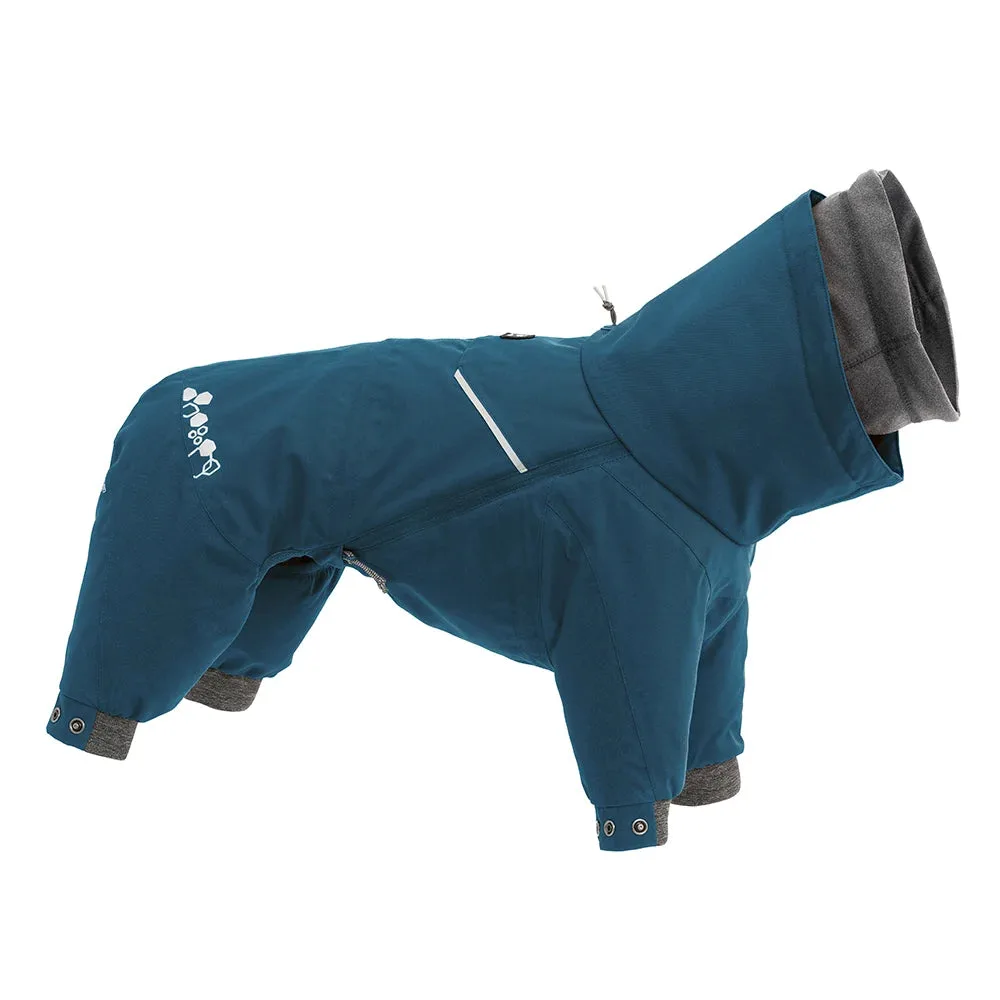
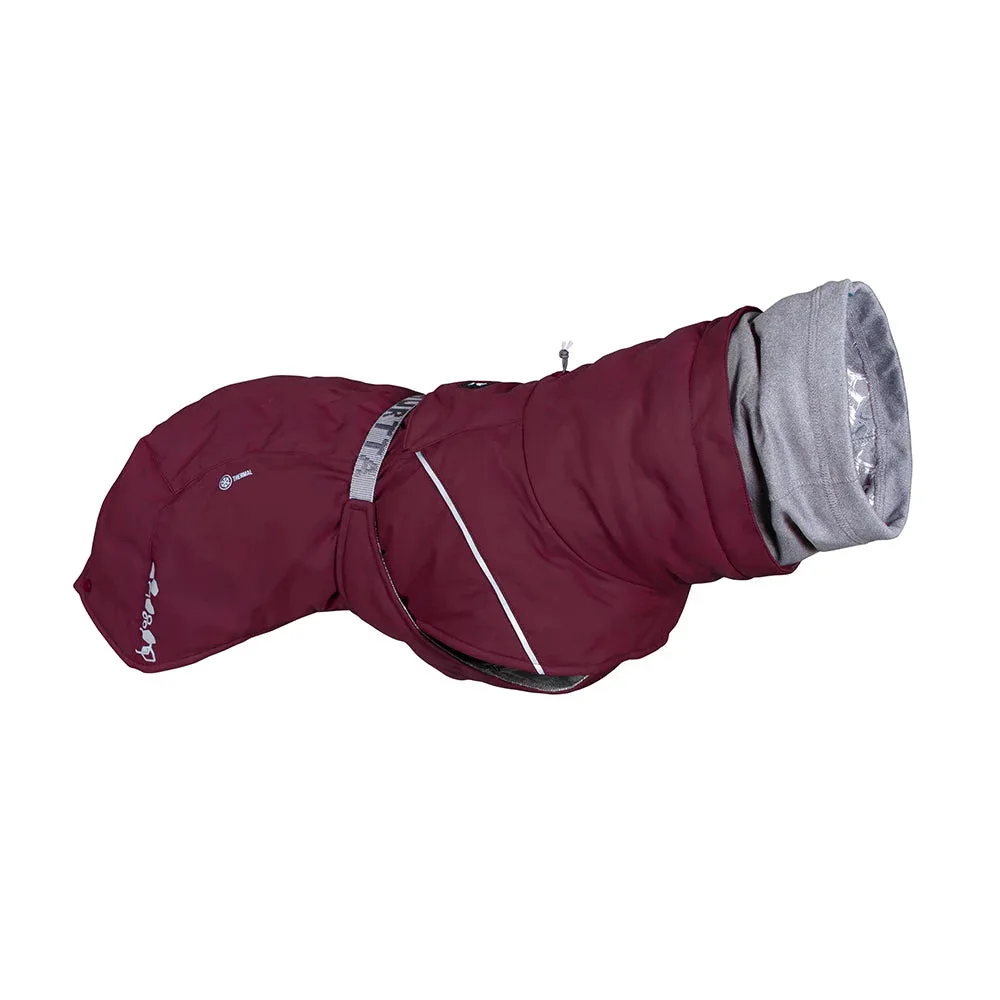
The mid-layer provides warmth. An insulated jacket like the Extreme Warmer III ECO offers breathable warmth and freedom of movement. It's designed for active dogs, seniors, and short-haired breeds. For the coldest days, the Extreme Overall II covers more of the body, including legs and belly, for maximum protection. Choose based on how much coverage your dog needs and tolerates.
Step 4: Top with a weatherproof shell
If it's windy, rainy, or snowy, an outer shell blocks the elements. Many insulated coats already have a water-resistant outer, so a separate shell may be unnecessary. If you do add one, ensure it doesn't compress the insulation underneath. The shell should fit over the mid-layer without restricting movement.
Step 5: Protect paws and extremities
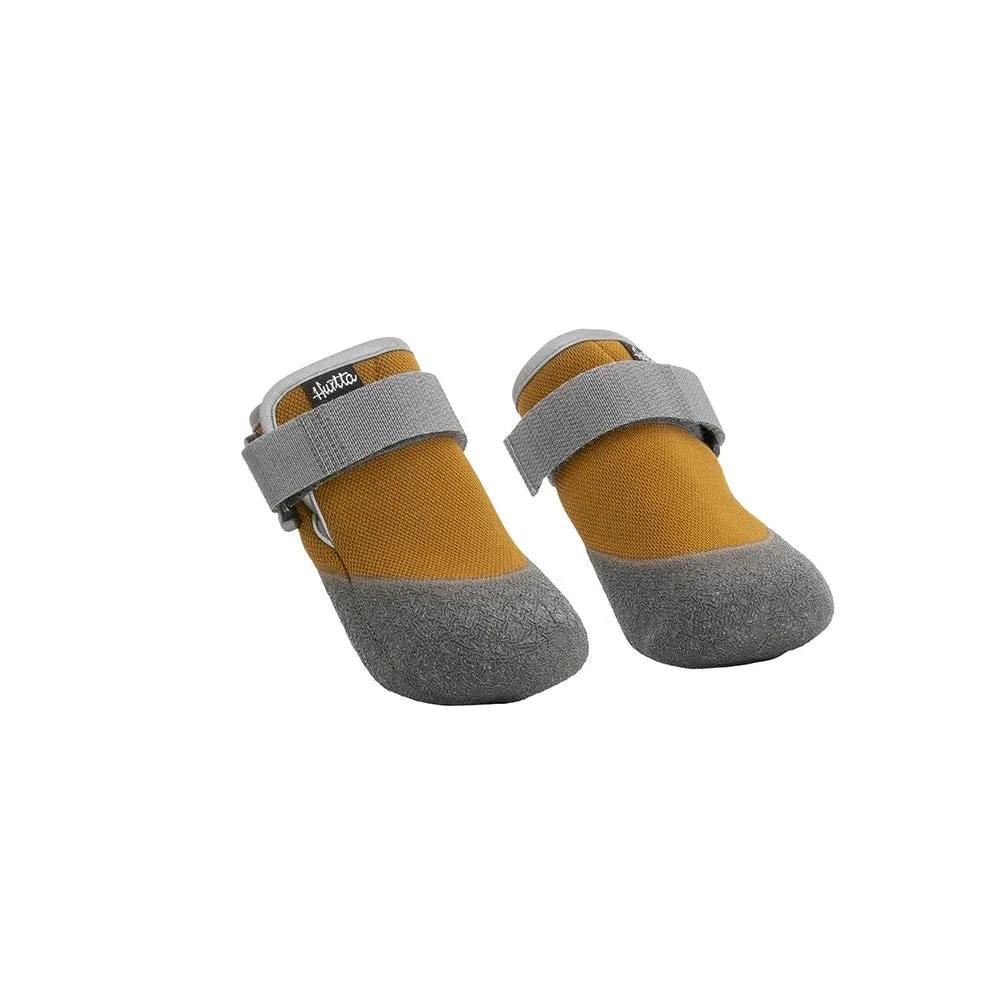
Paws are vulnerable to ice, salt, and sharp debris. Boots like Weekend Warrior Boots provide protection on icy streets and rough trails. They also help dogs with injuries or sensitive paws. Check boots for a secure fit; if they twist or slip off, adjust the straps or try a different size. Ears and tails can also get cold, but coats with high collars or snoods can help.
Step-by-step layering process
- Check the weather and your dog: Look at temperature, wind, and precipitation. Assess your dog's coat, age, and health. If your dog shivers or lifts paws, it's too cold without protection. Common mistake: assuming all dogs tolerate cold equally. Short-haired and senior dogs need more warmth.
- Put on a base layer: Choose a snug, breathable layer that wicks moisture. Skip if your dog has a thick coat and it's not extremely cold. Checkpoint: the base layer should lie flat without wrinkles or gaps.
- Add an insulated coat: Select a coat that suits the conditions. The Extreme Warmer III ECO offers breathable warmth for active dogs. For extreme cold, consider the Extreme Overall II for full-body coverage. Common mistake: choosing a coat that's too tight, restricting movement. Ensure full range of motion.
- Add a weatherproof shell if needed: If it's wet or windy, use a shell that blocks the elements without compressing insulation. Many insulated coats already have a weather-resistant outer. Checkpoint: the shell should fit over the mid-layer without making the dog overheat.
- Protect paws with boots: Use boots like Weekend Warrior Boots on icy or salty surfaces. Check fit and adjust straps for a secure hold. Common mistake: ignoring paw protection. Salt and ice can cause pain and injury.
- Monitor during the walk: Watch for signs of cold: shivering, lifting paws, slowing down, or seeking shelter. If you see these, head home or add layers. Checkpoint: after the walk, check paws for cuts, ice balls, or irritation.
Product facts
- Extreme Warmer III ECO: The Extreme Warmer III ECO is an updated version of a popular earth-friendly winter jacket, designed for greater performance and wearability, suitable for active dogs, seniors, and short-haired breeds. This jacket works well as a mid-layer or standalone coat for cold, dry days, offering warmth without bulk.
- Extreme Overall II: The Extreme Overall II is designed for the coldest winter days, providing maximum warmth and protection, with freedom to run, roll, and play without restriction. For extreme cold or long walks in snow, this overall covers more of the body and is a good choice for dogs who need extra protection.
- Weekend Warrior Boots: The Weekend Warrior Boots are built to keep paws protected from icy streets, sharp rocks, and road salt, and can help with injuries. These boots are a practical addition to any winter walk layering system, especially in urban or rough terrain.