Quick answer
Dry your sleeping bag by fixing the source, not by adding heat. Most wet bags come from condensation or a wet tent floor, so ventilate the tent, keep the bag off the walls, and pack it in a waterproof liner. If the bag is soaked through or stays damp after two nights, switch to a synthetic or water-resistant system rather than drying it out each morning.
A wet sleeping bag ruins more trips than cold weather does. You zip up dry, wake up clammy, and spend the next morning trying to dry a bag that weighs twice what it should. The problem is almost never the bag itself; it is where the moisture comes from.
This guide separates the symptom from the cause. You will learn how to keep your sleeping bag dry in a tent by managing condensation, floor moisture, and packing, and you will know the point where drying tips stop working and a different sleep system makes more sense.
Find the moisture source before you change gear
Before you buy anything, identify where the water is. Run a hand along the inside of the tent wall, the floor, and the top of your bag. If the wall is wet but the floor is dry, you have condensation. If the floor is wet and the bag bottom is damp, you have ground moisture or a leak. If only the foot of the bag is wet, you are likely touching the tent wall or breathing into the footbox.
This matters because the fix is different for each source. Condensation responds to airflow and site selection. Floor moisture responds to a waterproof ground layer or a better pad. Wall contact responds to pitching and bag placement. Treating the wrong source is why so many campers keep waking up damp even after they buy a new bag.
- Check the tent wall, floor, and bag separately at first light.
- Note whether the damp patch is on top, bottom, or one side of the bag.
- If the whole bag is wet, suspect a leak or a soaked pack, not condensation.
Fix condensation with ventilation, not more heat
Condensation forms when warm, moist air from your body meets a cold tent wall. The water has to go somewhere, and if the tent is sealed, it lands on your bag. The fix is to give that moisture an exit. Open a vent, crack the door, or leave a mesh panel unzipped so humid air can escape instead of settling on your sleeping bag.
Site selection matters as much as vents. Camp away from lakes, streams, and low grassy hollows where dew and fog collect. Pitch on higher, drier ground and avoid pitching directly against a wall of brush that blocks airflow. In humid conditions, a single-wall tent will almost always condensate more than a double-wall tent, so plan for a vented pitch or a slightly wider footprint.
- Open at least one vent even on cool nights; a small draft is better than a wet bag.
- Avoid camping in hollows, near water, or under dense trees.
- If your tent has no vents, leave the door partly open and use a bug net.
Keep the bag off the tent wall and floor
Contact points are where moisture transfers fastest. A sleeping bag pressed against a cold, wet tent wall will wick water into the shell. The same happens when the bag sits directly on a damp floor. Give the bag a buffer: use a pad with enough width that your bag does not spill over the edges, and keep the bag centered so it does not touch the walls.
If you use a quilt or a sheet system, the same rule applies. A sheet or liner that is sized to your pad will stay put and protect the bag from floor moisture. When the sheet gets damp instead of the bag, you can dry the sheet far faster and leave the insulation dry. That is the practical reason to separate the moisture-catching layer from the insulation layer.
- Choose a pad wide enough that your bag or quilt stays on top of it.
- Shift your bag inward before you sleep; a few inches of clearance helps.
- If the floor is wet, add a ground sheet or bathtub floor under your pad.
Pack and store the bag so it cannot soak through
A dry bag can still end up wet if it is packed against a wet tent wall or carried in a pack that takes on water. Keep your sleep insulation in a waterproof liner or dry sack inside your pack, not loose in the main compartment. This keeps rain, puddle splash, and wet gear from reaching the bag during the day.
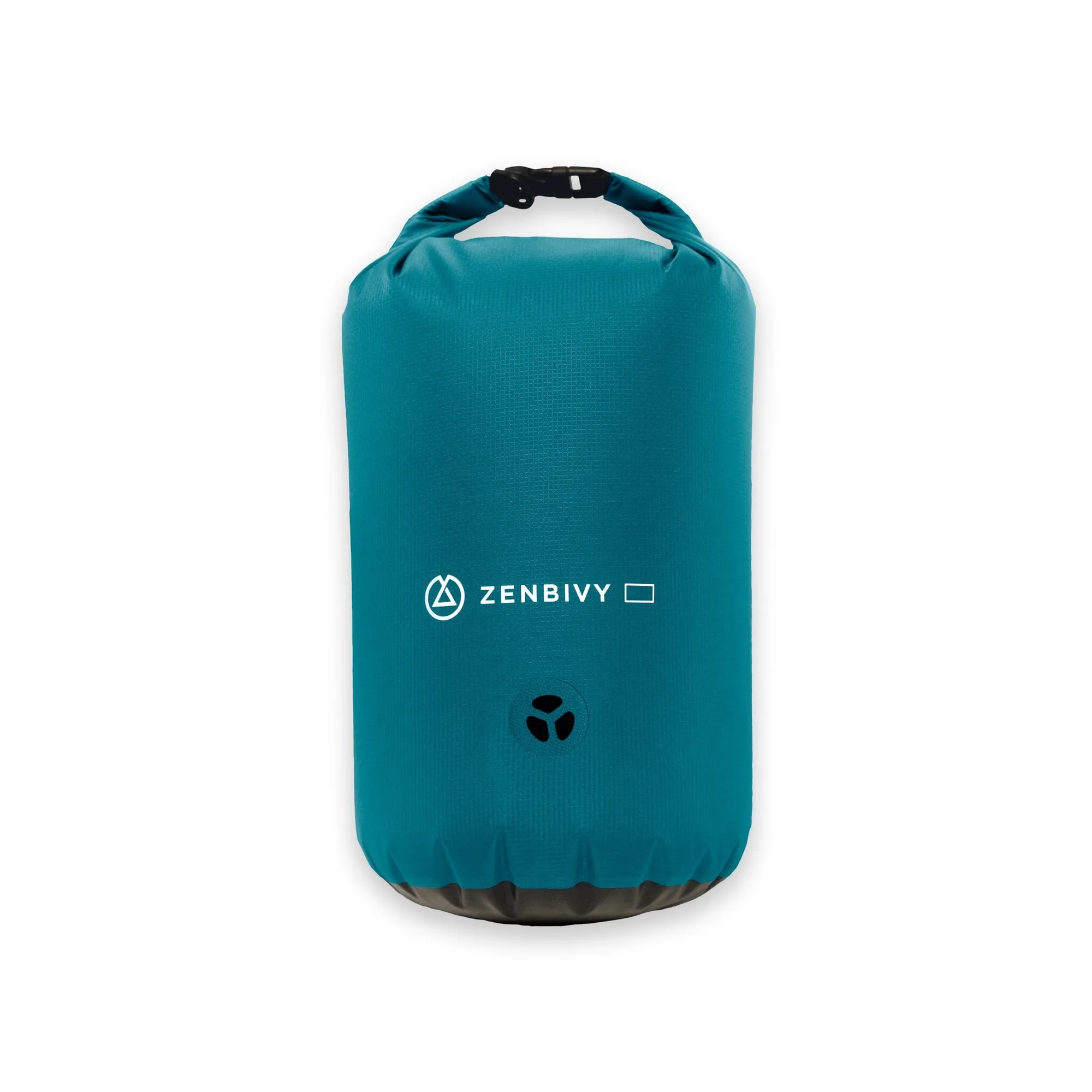
dry sack
At camp, do not leave the bag out while you cook or filter water. Set it up last, and put it away first in the morning. If the bag is damp from the night, air it in the sun or a breezy spot before stuffing it. Packing a damp bag into a waterproof sack traps that moisture and gives it nowhere to go.
- Use a waterproof pack liner or dry sack for all sleep insulation.
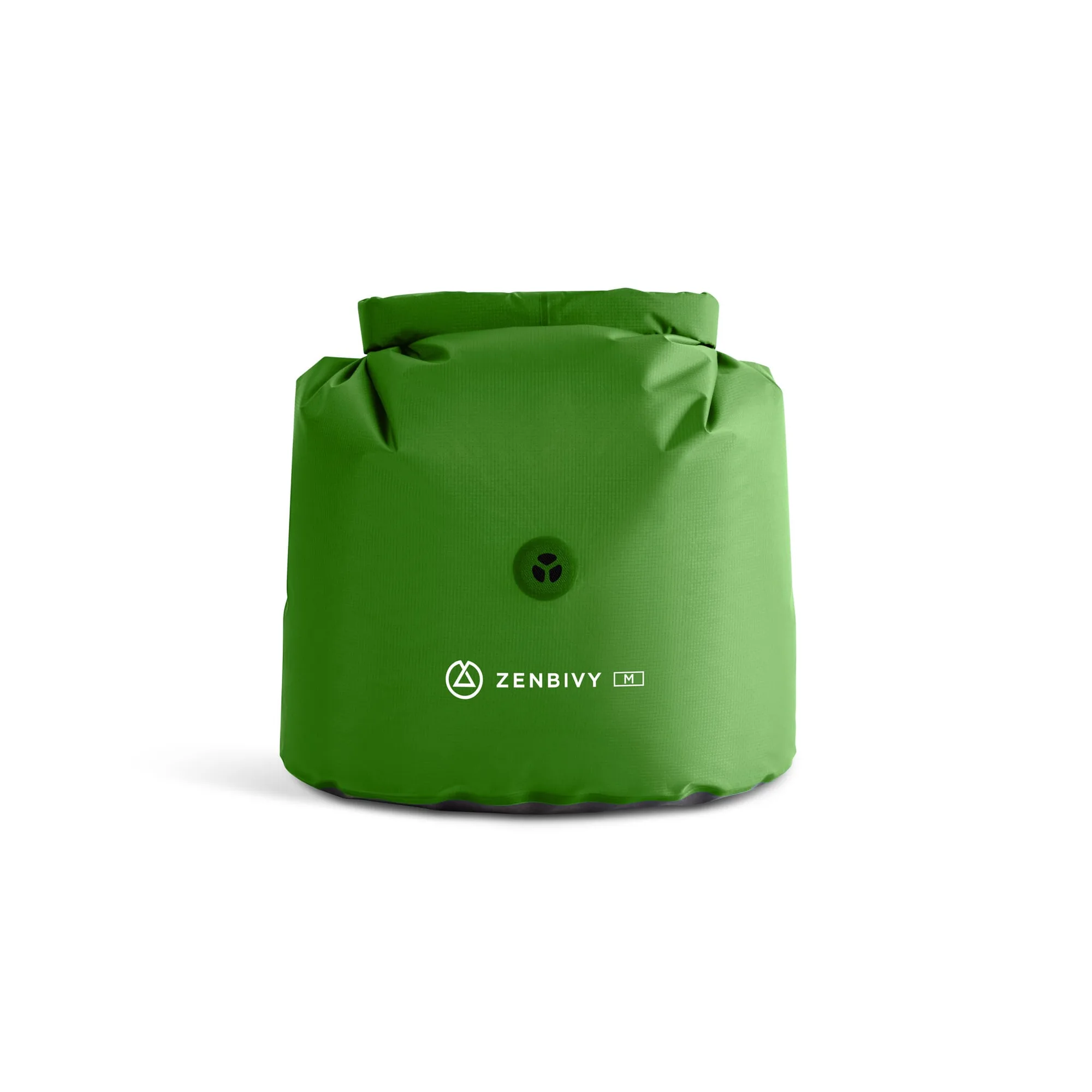
pack liner
- Set up your bag after dinner and pack it before breakfast.
- Air a damp bag before stuffing; never store it wet for more than a day.
When to stop drying and change your system
Drying tips work when the moisture is surface-level and the insulation stays dry. They stop working when the bag is soaked through, when the fill clumps, or when you are drying the bag every morning just to sleep warm. At that point, the problem is the system, not your technique.
If you camp in consistently wet or humid conditions, a down bag that gets soaked is a liability. A synthetic or water-resistant system, or a layered quilt-and-sheet setup that lets you dry the outer layer separately, will keep you warmer with less morning maintenance. If your bag has been wet for multiple nights and smells musty, treat it as a cleaning and drying project at home before your next trip.
- Switch systems if the bag is wet through, not just damp on the surface.
- Choose a layered setup when you need to dry the moisture-catching layer fast.
- Clean and fully dry a musty bag before storing it.
Diagnose your wet sleeping bag
- Damp on top, wall is wet: Condensation is landing on your bag from the tent wall. Open a vent, crack the door, and move the bag a few inches off the wall. If the wall is still wet by morning, your tent needs more airflow or a different pitch.
- Damp on the bottom, floor is wet: Ground moisture or a leak is wicking into the bag. Add a ground sheet under your pad and check the tent floor for pinholes or a wet footprint. If the floor stays wet after a ground sheet, the tent floor is the problem, not the bag.
- Bag soaked through, fill clumps: Surface drying will not fix soaked insulation. Dry the bag fully at home, and consider a layered or synthetic system for wet trips. Stop drying each morning; change the system instead.
Products that help keep insulation dry
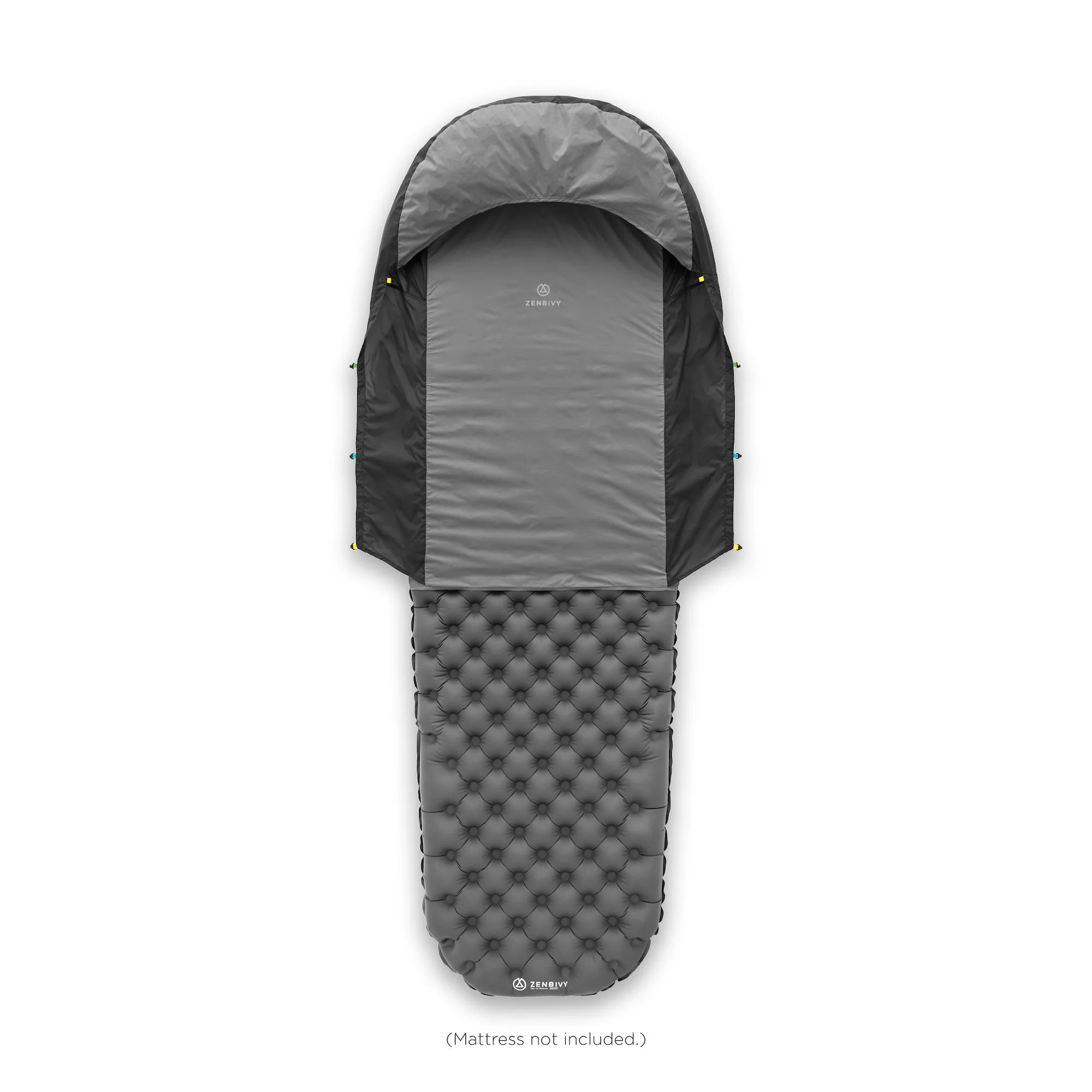
- Pack Liner: The Zenbivy Pack Liner is a fully waterproof, easy-to-compress dry sack that holds all your sleep gear in one compact layer at the base of your pack. Keeps rain and wet gear from reaching your sleeping bag during the day, so you start the night with dry insulation.
- Fast Sheet: The Fast Sheet is built for minimalist, ultralight backpackers, designed to block drafts while allowing total freedom of movement, and pairs with any Zenbivy quilt; it starts at just 3 ounces. Acts as the moisture-catching layer between you and the quilt, so you can dry the sheet instead of the insulation.
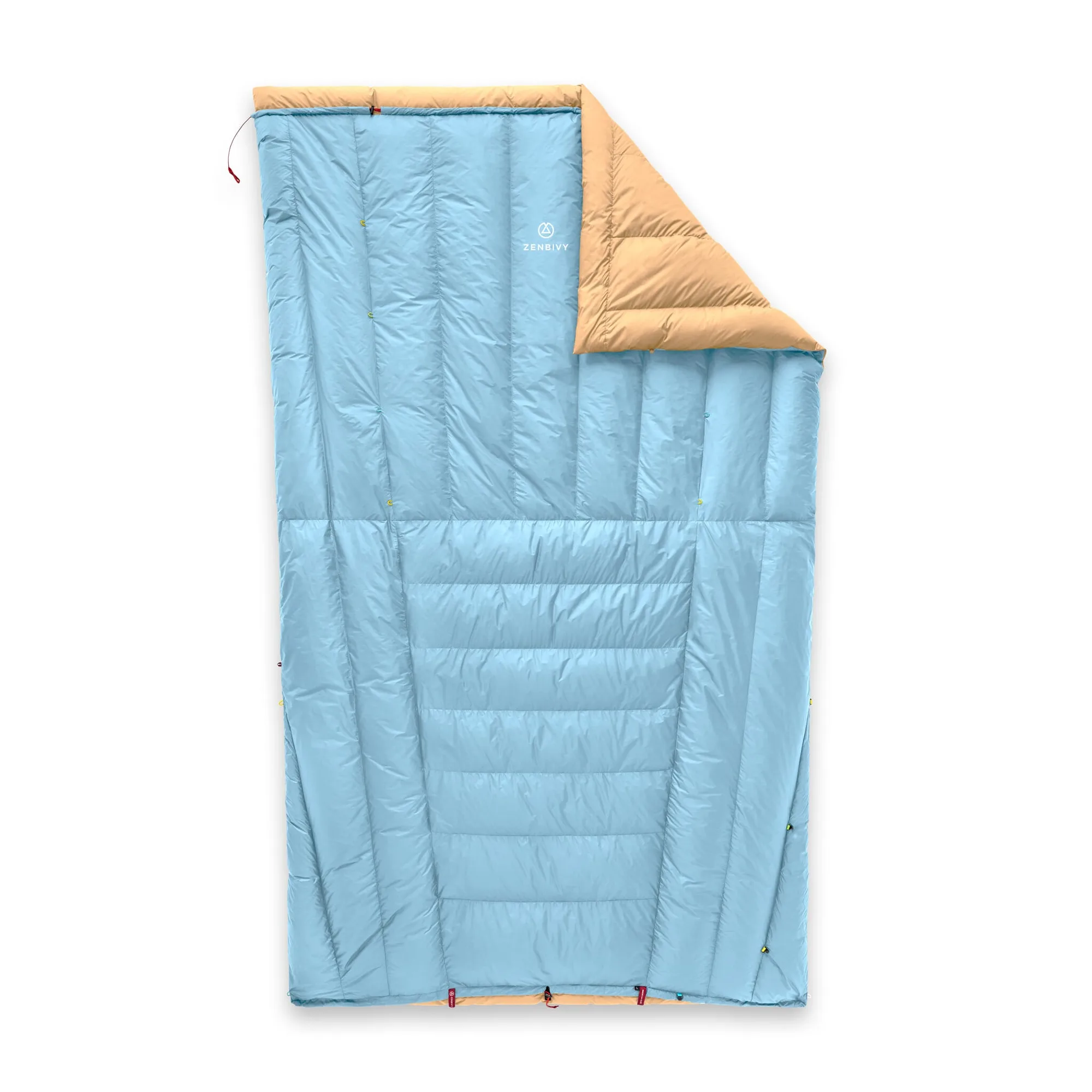
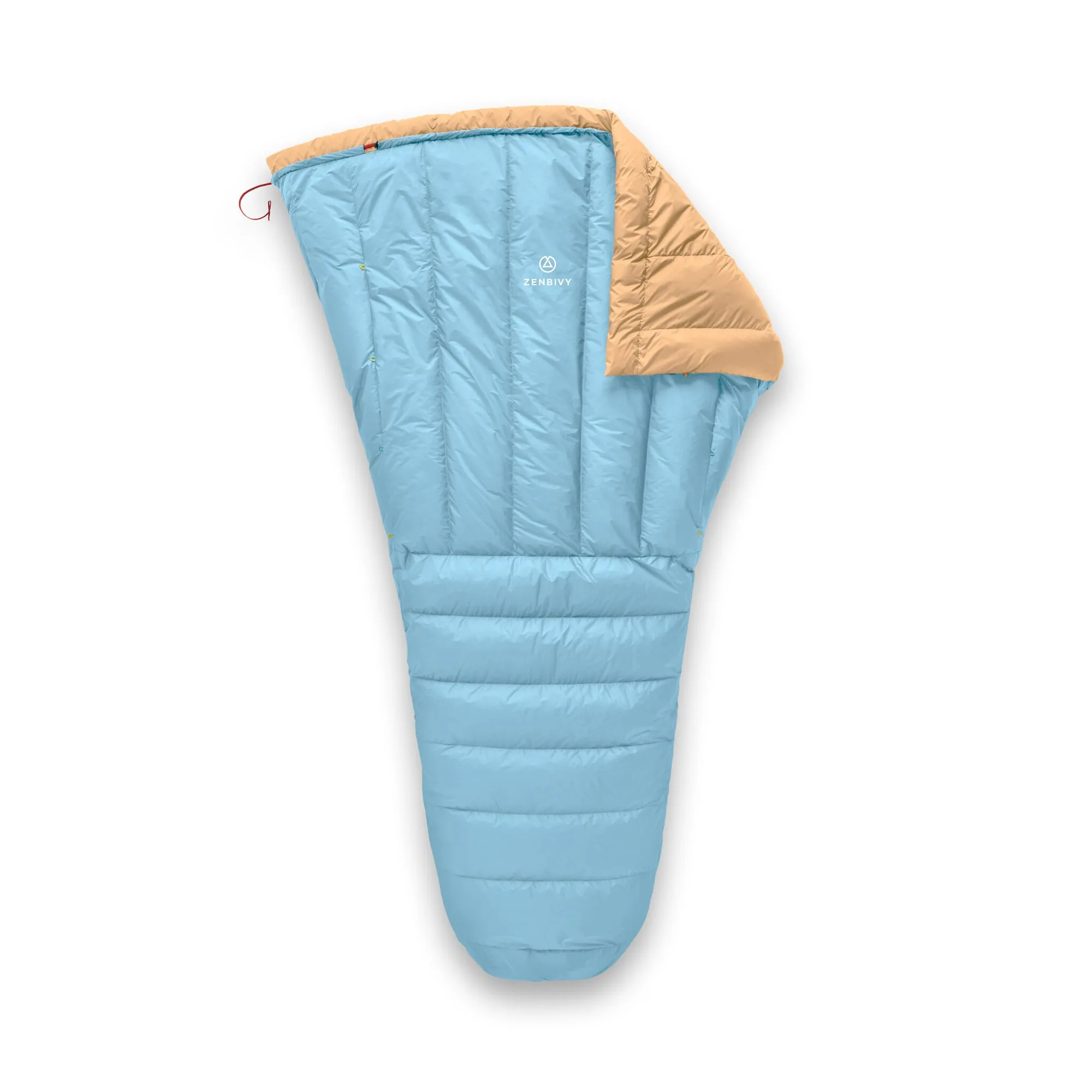
- https://zenbivyli.com/products/light-quilt-convertible-14b31b5cf980be8513de95e2-1913060Light Quilt Convertible: The Zenbivy Light Quilt Convertible features an ultra-soft 25D Pongee lining and a patented draft-free convertible footbox for adjustable warmth and maximum versatility. The convertible footbox lets you vent warmth and moisture at the foot end without exposing your core, which reduces condensation inside the bag.
- Core ZipBed: The Zenbivy Core ZipBed is insulated with 650FP duck down and has a lightweight 20D nylon shell, with a 50D Pongee liner for comfort. A zippered system lets you open the bag to release humid air before it condenses, which helps keep the down dry overnight.
Keep your sleeping bag dry by fixing the source: ventilate the tent, stay off wet walls and floors, and pack insulation in a waterproof liner. When the bag is soaked through or damp every morning, stop drying and switch to a layered system that lets you dry the outer layer instead of the insulation.