Quick answer
Most condensation in a sleeping bag comes from your own sweat and breath, not from a leak. Vent the bag before you overheat, keep your face and exhaled breath outside the bag, and dry the bag fully every morning. If the inside of the shell is wet but the outside is dry, the problem is trapped vapor, not weather.
You zip up warm and dry, and by 3 a.m. the bag feels clammy against your shoulders. Nothing leaked, nothing rained on you, and yet the inside of the shell is damp. That is condensation, and it is one of the most common reasons people describe a damp sleeping bag as "cold."
The fix is rarely a new bag. It is usually a change in how you vent, layer, and dry the system you already own. This guide separates the symptom from the cause, gives you the corrective action, and tells you when to stop troubleshooting and choose a different setup.
Why condensation forms inside a sleeping bag
Your body releases moisture all night through sweat and exhaled breath, often more than half a liter. That vapor has to go somewhere. In a warm, sealed bag it rises until it hits the cooler inner shell or the top of the quilt, where it condenses into liquid water. The colder the outside air, the sharper that temperature difference and the more water you find in the morning.
This is why a damp sleeping bag is often worst on clear, cold nights. There is no cloud cover to hold heat, so the shell radiates heat away fast and drops below the dew point. The moisture was always there. The cold surface simply pulled it out of the air.
- Wet inside plus dry outside: vapor from your body, not rain or a leak.
- Wet outside plus dry inside: external moisture, dew, or a wet shelter.
- Damp only near your feet: cold feet zone with poor air movement.
Ventilate before you overheat, not after
Sleeping bag ventilation is about timing. If you wait until you are sweaty to open the bag, the vapor is already in the insulation. Instead, start slightly cool and add layers as needed. Open the foot vent, unzip the side a few inches, or loosen the hood before you feel hot. A small, steady exchange of air carries vapor out before it can condense.
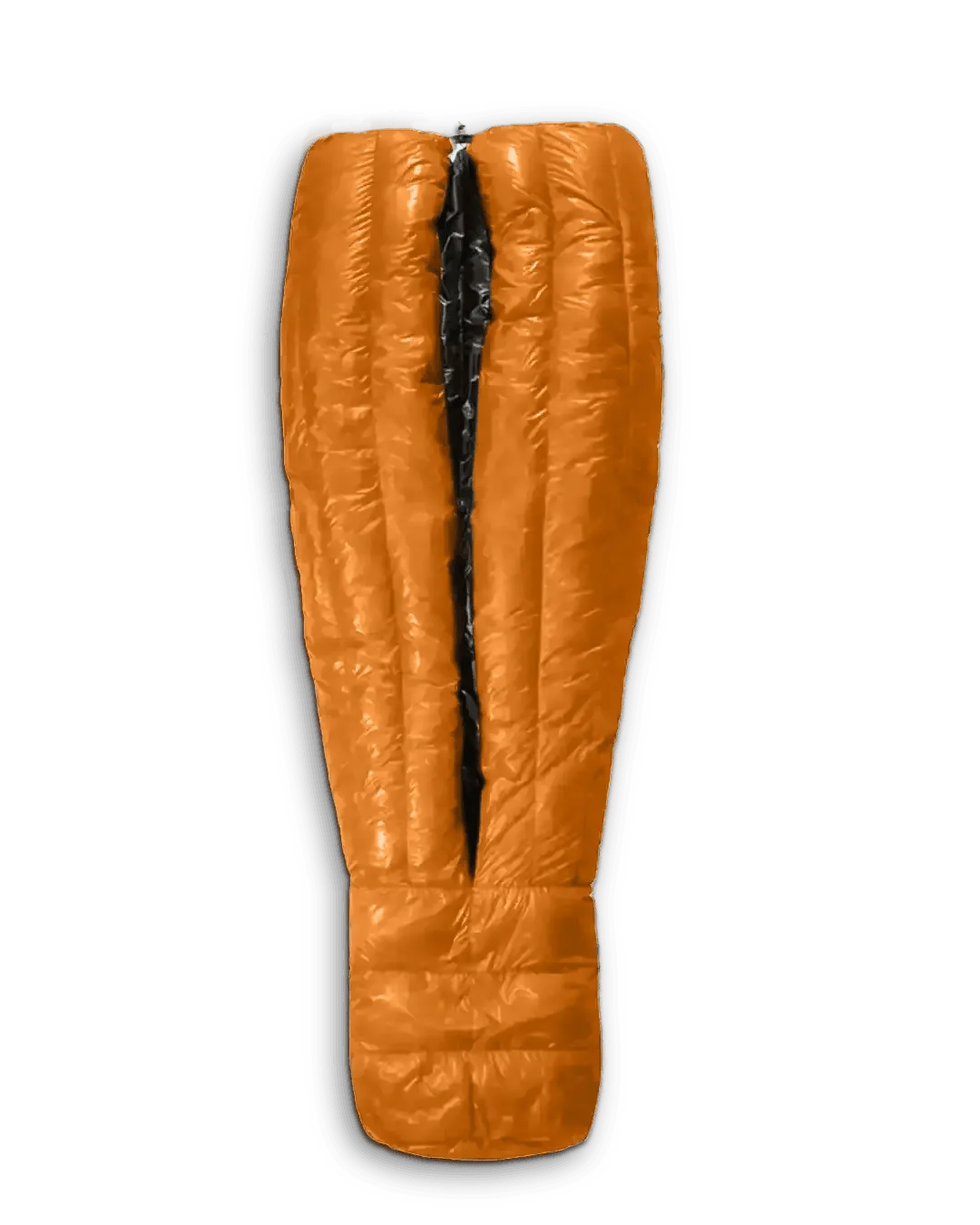
On a quilt system this is easier because the sides are open by design. If you use a quilt, drape it so your torso stays covered but your face and the top of your head are outside the insulation. Exhaled breath is the single biggest moisture source in a closed bag, and letting it escape is the simplest fix.
- Crack the hood or side zip early rather than fully unzipping at 2 a.m.
- Keep your mouth and nose outside the bag opening when you can.
- If you wake up hot, vent immediately instead of waiting it out.
Match your layers to the temperature
Wearing too many clothes to bed traps heat and makes you sweat, which then condenses in the bag. Wear a dry base layer and add or remove insulation as the night cools. Never sleep in the damp shirt you hiked in. If you are cold, add a layer on top of the bag or quilt rather than burrowing deeper into a sealed bag.
A sleeping pad matters here too. An under-insulated pad lets heat drain downward, so you pile on clothing to compensate and end up overheating. Fixing the pad often fixes the sweating, which fixes the condensation.
- Sleep in dry, breathable base layers only.
- Add insulation on top before you seal the bag shut.
- Treat a cold back as a pad problem, not a bag problem.
Use a vapor barrier correctly, or not at all
A vapor barrier liner stops moisture from entering the bag's insulation, but it also stops moisture from leaving your skin. Used wrong, it simply makes you wet from the inside. If you try one, keep it thin, wear it next to skin on your torso and legs, and expect to feel slightly clammy. It is a tool for extreme cold, not a general fix for a damp sleeping bag.
For most three-season camping, skip the vapor barrier and focus on ventilation and drying instead. If you consistently wake up soaked even with good venting, that is the point to consider a different system rather than adding more gear.
- Vapor barriers are for deep cold, not everyday camping.
- If a barrier makes you wetter, remove it and vent instead.
- Persistent soaking despite venting means a system change, not more layers.
Dry the bag every single morning
Condensation you ignore becomes mildew and lost loft. As soon as you get up, shake the bag or quilt out and drape it over a branch, a pack, or a line in direct sun and moving air. Even ten minutes of airflow removes a surprising amount of surface moisture. On a rest day, give it a full hour.
At home, never store a bag compressed or damp. Air it out fully, then store it loose. If the shell feels wet after a trip, hang it in a dry room until it is completely dry inside and out before it goes back in the closet. This single habit prevents most long-term damage.
- Shake and air the bag before you pack it every morning.
- Dry it loose at home, never compressed and never damp.
- A damp smell is a warning sign you skipped a drying day.
Condensation diagnosis: symptom, cause, and what to do
- Wet inside, dry outside: Your body vapor condensed on the cool inner shell. Vent earlier, keep your face outside the bag, and sleep in dry base layers. This is the most common pattern and the easiest to fix with ventilation alone.
- Wet outside, dry inside: External moisture from dew, rain, or a wet shelter is soaking the shell. Check your tarp or tent for contact and keep the bag off wet ground. If the outside is wet, the problem is your shelter or site, not your bag.
- Damp only at the feet: Cold feet create the coolest surface in the bag, and trapped air holds vapor there. Open the foot vent and add insulation below rather than sealing the bag tighter. If foot dampness persists, your pad is under-insulated at the foot end.
- Soaked every night despite venting: Your sleep system may be too warm for the conditions, or the bag may not breathe well enough for how much you sweat. Try a quilt or a cooler rating before buying more layers. Stop adding gear here. Change the system.
Gear that helps you manage moisture
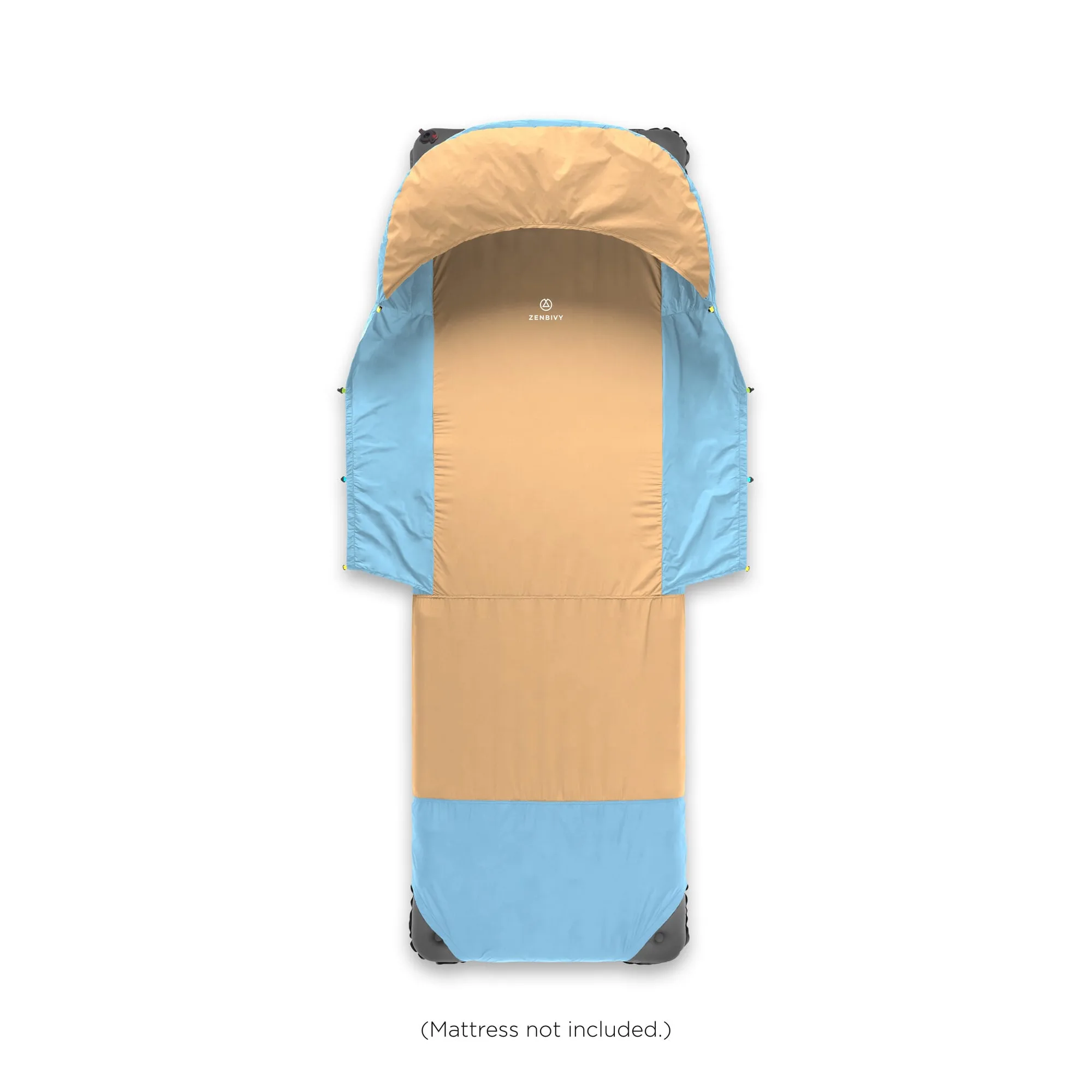
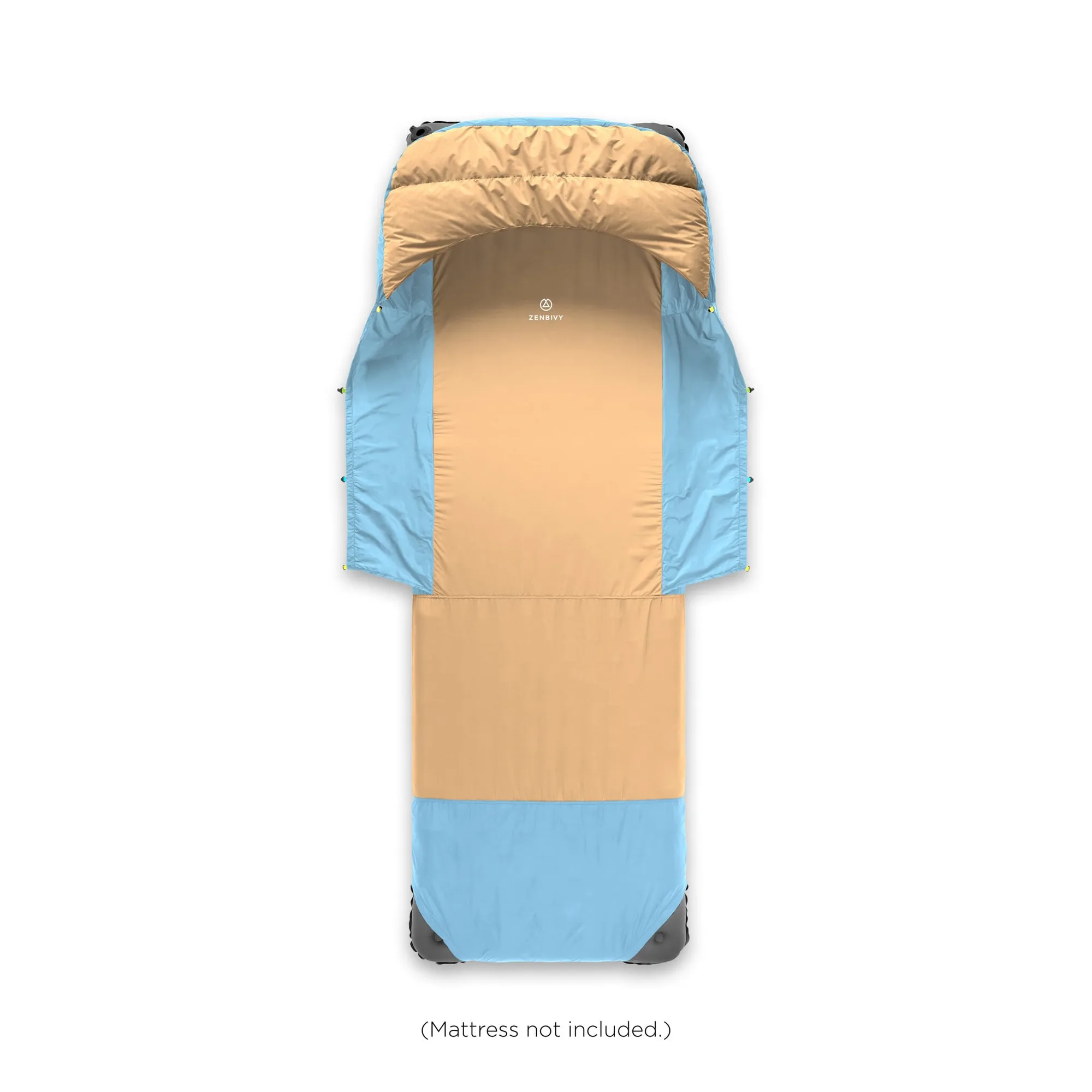
- https://zenbivyli.com/products/light-sheet-uninsulated-6fb60c7c701b84c1907b9714-1913071Light Sheet Uninsulated: Features an ultra-soft 25D Pongee lining, an uninsulated "headboard" to block drafts and manage your pillow, and provides full mattress coverage. Compatible with any Zenbivy clip quilt. The uninsulated headboard keeps drafts off your neck without sealing your face inside insulation, so exhaled breath escapes instead of condensing on the shell.
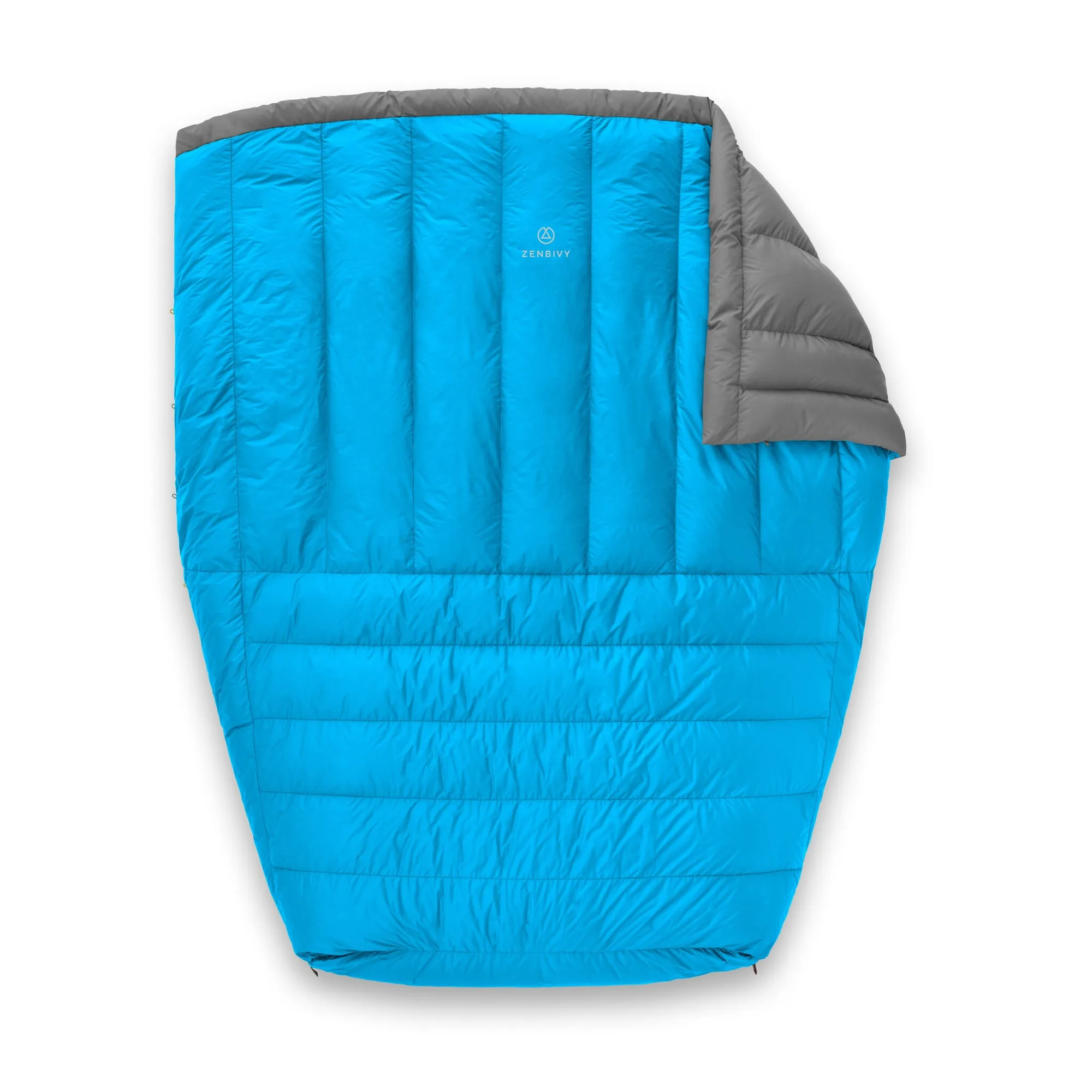
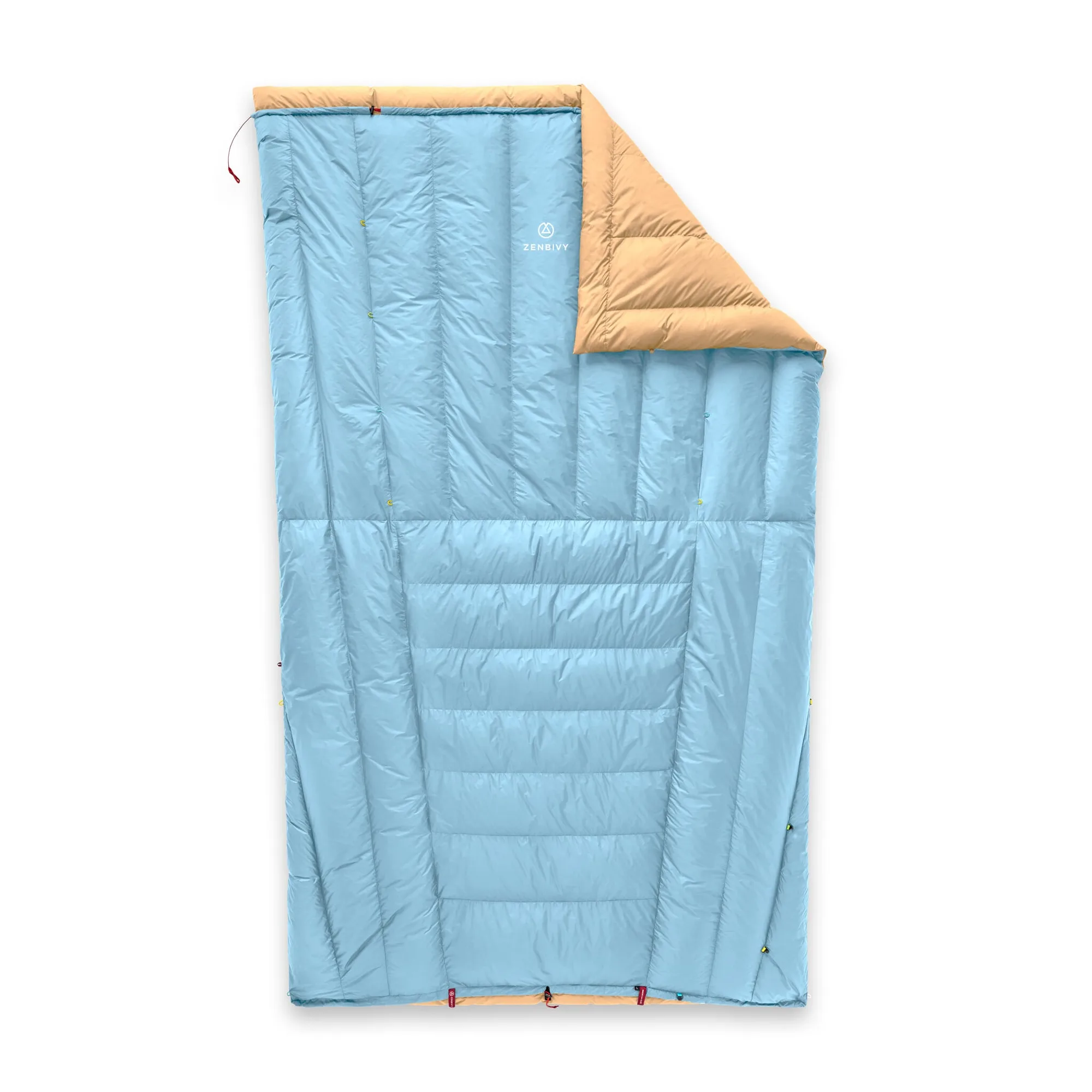
- Overland Double Quilt: An oversized double quilt built with soft 50D Pongee fabrics, shaped like a real comforter so both sleepers have room to move without cold spots. An open-sided quilt design vents far more easily than a fully zipped bag, which is exactly what you want when you are trying to keep a damp sleeping bag from forming in the first place.
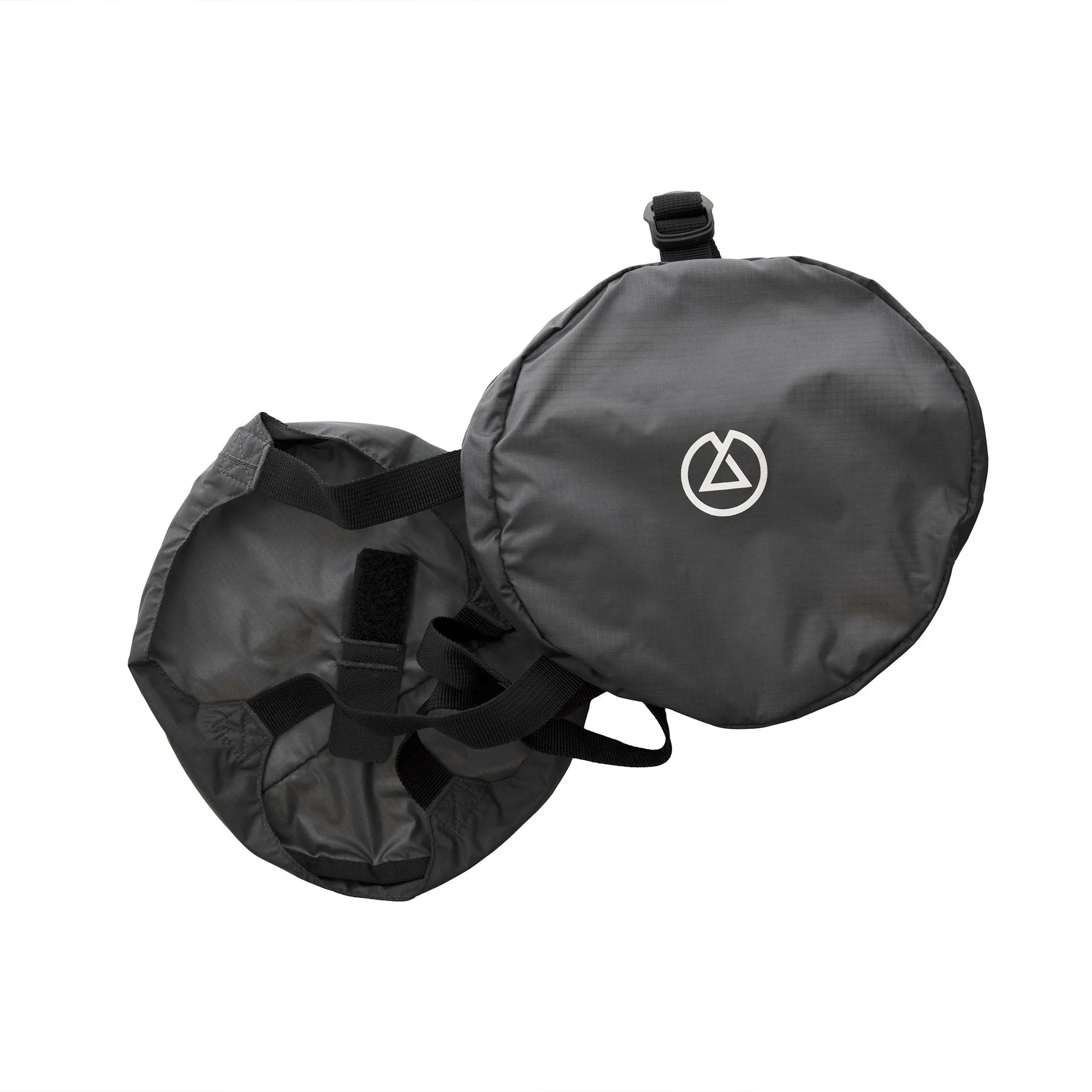
- Dry Sack + Compression Caps: Lightweight, fully welded, water-tight storage for your sleeping bag with separate compression caps that never stress seams. A dry sack keeps external moisture out on the hike in, so the only water you have to manage at night is the vapor your own body produces.
Condensation is a moisture-management problem, not a gear failure. Vent early, sleep dry, and air your bag every morning. If you still wake up soaked after all of that, it is time to reconsider the system itself, not to add another layer.