Quick answer
Most https://stproductsshop.com/products/soap-pump-75471soap pump problems come down to dried soap blocking the nozzle or a stiff piston inside the collar. Run warm water through the pump, work the piston, and clear the nozzle with a pin before you consider replacing the dispenser. If the pump still sticks or leaks after cleaning, the internal seal is likely worn and a new dispenser is the practical choice.
Why soap pumps stop working in the first place
Soap pumps fail in predictable ways because they have only a few moving parts: a piston, a spring, a collar, and a small nozzle opening. Thick or drying soap leaves residue on the piston wall, and that residue hardens into a gummy film that resists the spring. The nozzle is the narrowest point, so it clogs first, especially with lotion-style or glycerin-heavy soaps.
Hard water makes this worse. Minerals in the water combine with soap residue to form a crust that warm water alone may not dissolve. That is why a pump can feel fine for months and then seize over a single week. Knowing which part is failing tells you whether to clean, adjust, or replace.
How to clean a soap pump without damaging it
Unscrew the pump from the bottle and separate the collar from the dip tube if your model allows it. Rinse both under warm running water while pumping the piston repeatedly. This flushes residue out of the internal chamber rather than just off the surface.
For stubborn buildup, soak the pump head in warm water for fifteen to twenty minutes, then pump clean water through it again. If the nozzle is still blocked, straighten a paper clip or use a fine pin to gently probe the opening. Do not enlarge the hole; the nozzle controls how much soap you get per press, and widening it causes drips and waste.
Let every part air-dry completely before reassembling. Trapped moisture dilutes the next refill and encourages the same residue to form faster.
- Pump warm water through the mechanism, not just around it.
- Soak the head for 15-20 minutes if residue feels tacky.
- Clear the nozzle with a pin, never a drill bit or needle file.
- Air-dry fully before refilling to avoid dilution.
Preventing the next clog
Dilute thick soap slightly with water if your dispenser struggles, but keep it thin enough to flow and thick enough to cling. Refill before the bottle runs completely dry; running a pump empty pulls air and lets residue dry inside the chamber. A monthly flush with warm water takes under a minute and prevents most seasonal clogs.
When you clean around the dispenser, wipe the nozzle and collar with a damp cloth rather than spraying cleaner directly at the pump. Harsh cleaners can dry out rubber seals, and a dried seal is the beginning of a leak.
When cleaning is not enough
If the pump still sticks, leaks at the collar, or requires several presses to dispense, the spring or seal has worn out. Replacement parts are rarely sold separately for household dispensers, so a new unit is usually cheaper than a repair. Choose a dispenser with a removable pump head so future cleaning is easier.
For surfaces around the sink, keep a dedicated cloth so you are not spreading soap residue back onto the pump. A lint-free microfiber cloth wipes the collar and counter without leaving fibers behind.
Symptom-to-solution diagnosis
- Pump presses but nothing comes out: The nozzle is blocked, usually by dried soap or a mineral crust. Remove the pump head, soak it in warm water for 15-20 minutes, then clear the opening with a pin and pump clean water through. If flow returns after one soak, no replacement is needed.
- Pump feels stiff or springs back slowly: Residue has built up on the piston wall or the spring is fatigued. Flush warm water through the mechanism repeatedly; if stiffness remains after two cleaning cycles, the spring is worn. Persistent stiffness after cleaning means it is time to replace the dispenser.
- Soap leaks around the collar or base: A rubber seal has dried out or cracked. Cleaning will not restore a failed seal, and replacement seals are rarely available for household pumps. Choose a new dispenser with a removable pump head for easier future maintenance.
Products that help with dispenser upkeep
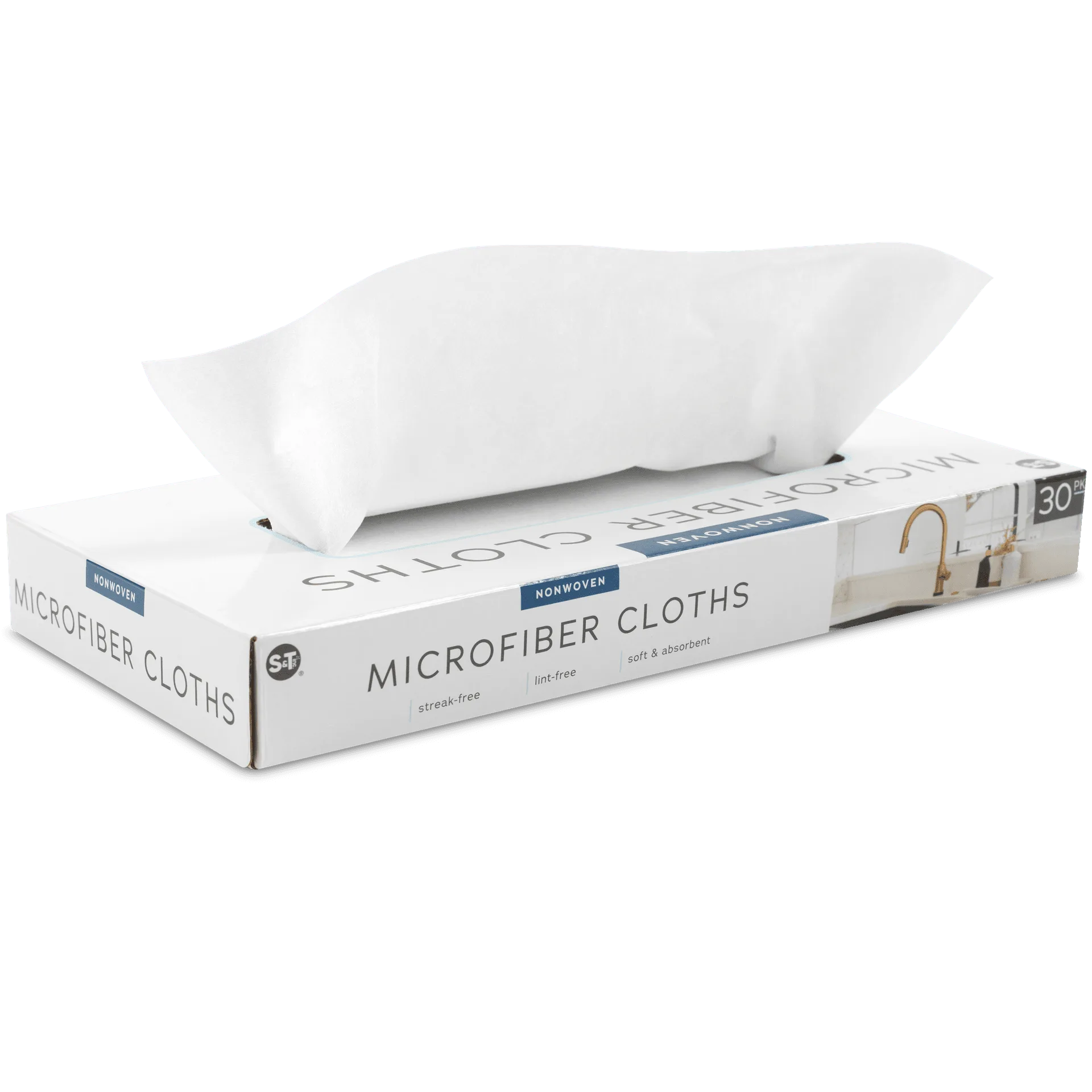
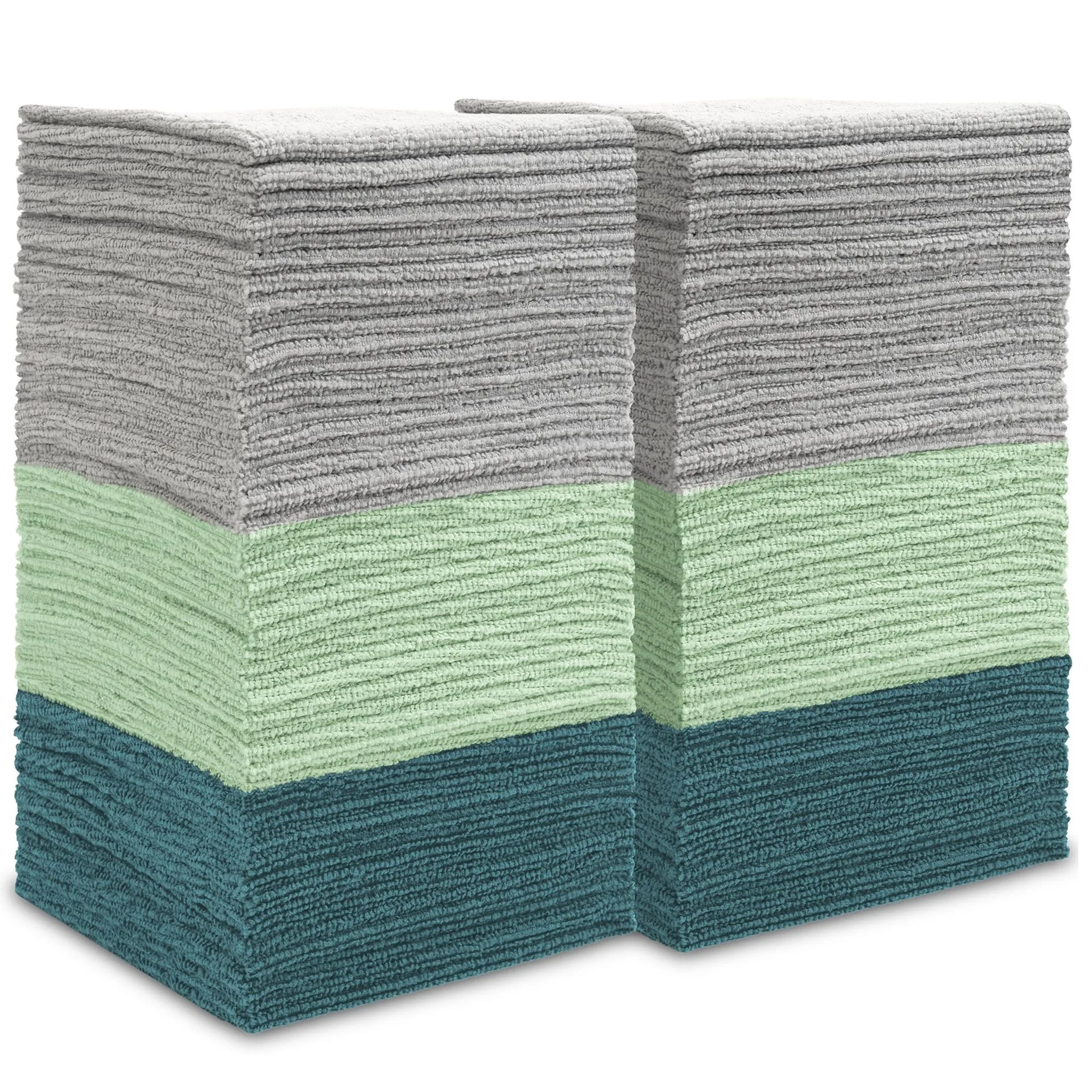
- microfiber cleaning cloths: 50-pack of reusable 11.5 x 11.5 inch microfiber cloths that are soft, absorbent, and lint-free for streak-free cleaning. A dedicated cloth lets you wipe soap residue off the pump collar and surrounding counter without scratching finishes or leaving lint.
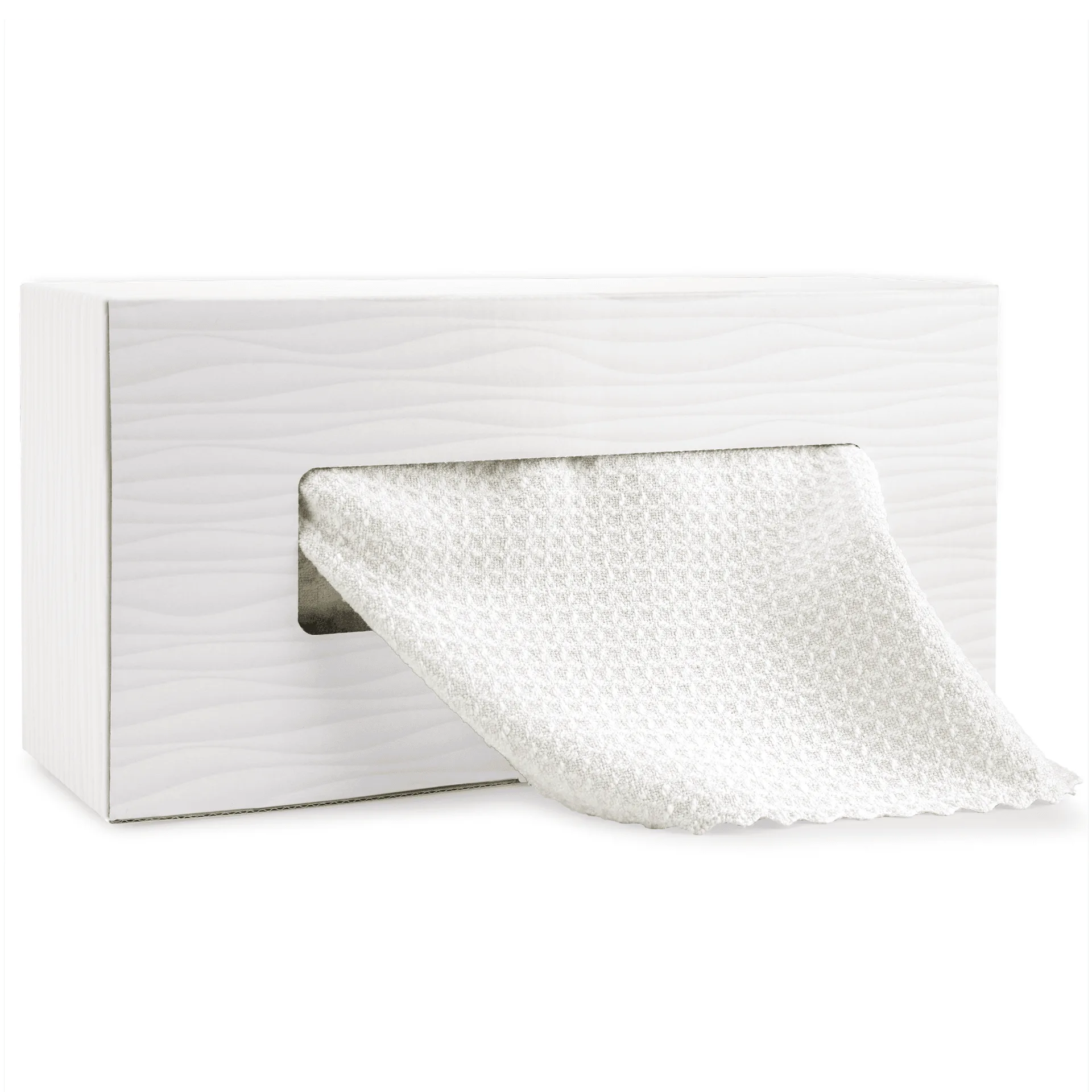
- microfiber cleaning cloths: 50-pack of microfiber cloths described as durable and absorbent yet gentle on glass, mirrors, and screens, with a reusable dispensing box. The included box keeps cloths within reach at the sink, so a quick wipe-down becomes part of the refill routine rather than a separate chore.