Quick answer
Rinse the brush head under warm running water after every use, then let it air-dry upright with the head uncovered. Once a week, disinfect the head by soaking it in a 50/50 mix of water and 3% hydrogen peroxide for 10 minutes, and swap the head every 12 weeks. Keep the brush away from the toilet and never share it.
Why a sonic toothbrush needs a different cleaning routine
Sonic toothbrushes vibrate at high frequency, which means they push water and toothpaste into every crevice of the brush head. That same motion can also fling bacteria-laden droplets onto the handle and the charging base if you don't rinse thoroughly after each use. Unlike a manual brush, the handle and the base are part of the hygiene equation, not just the bristles.
The biggest mistake is storing a wet brush head in a closed cabinet or travel cap. Moisture plus darkness is exactly what bacteria need. Let the head dry in open air, and if you use a cap for travel, take it off as soon as you arrive.
How to disinfect a toothbrush head without damaging it
You don't need harsh chemicals. A 10-minute soak in a 1:1 solution of water and 3% hydrogen peroxide kills most surface bacteria without degrading the bristles. Rinse well afterward and air-dry. Avoid bleach, vinegar, or boiling water—they can warp the bristles or crack the plastic head, which creates hiding places for bacteria.
If you prefer a hands-off method, a UV-C sanitizer is a good option. It's lab-tested to kill 99.9% of bacteria on brush heads and fits easily in a bathroom or travel kit. Just remember that a sanitizer reduces bacteria between cleanings; it doesn't replace rinsing or regular head replacement.
Storage and sharing rules that actually matter
Store your toothbrush at least six feet from the toilet, or keep the lid down when you flush. Airborne particles can travel that far and land on bristles. If you share a bathroom, keep each brush in its own holder so heads don't touch—cross-contamination is real, especially if someone is sick.
Never share a brush head, even with a partner. And if you've been sick, replace the head once you're well rather than trying to disinfect it, because illness-causing viruses can linger in the bristles.
Your weekly toothbrush hygiene routine
- Rinse after every use: Hold the brush head under warm running water for 5–10 seconds, working the water between the bristles with your thumb. This removes toothpaste residue and loosens plaque before it dries. Checkpoint: if you see white film at the base of the bristles, you didn't rinse long enough.
- Shake off excess water and air-dry upright: Give the brush a few firm shakes, then stand it upright in an open holder so air can circulate around the head. Don't lay it flat or put it in a cabinet. Common mistake: leaving the brush head touching another brush head—keep them separated.
- Deep-clean the handle and base weekly: Wipe the handle with a damp cloth and mild soap, then dry it. If you use a charging base, unplug it and wipe the contacts with a dry cloth. Don't submerge the handle in water. Checkpoint: a sticky or discolored handle means it's overdue for a wipe-down.
- Disinfect the brush head once a week: Soak the head in a 1:1 mix of water and 3% hydrogen peroxide for 10 minutes, then rinse and air-dry. Or run it through your UV-C sanitizer according to the manufacturer's instructions. Common mistake: using bleach or vinegar—both can damage bristles and plastic.
- Replace the head every 12 weeks: Set a reminder on your phone. Frayed or discolored bristles are a sign to swap sooner. If you've been sick, replace the head as soon as you recover. Checkpoint: write the swap date on a piece of tape on the handle if you keep forgetting.
Products that support a cleaner routine
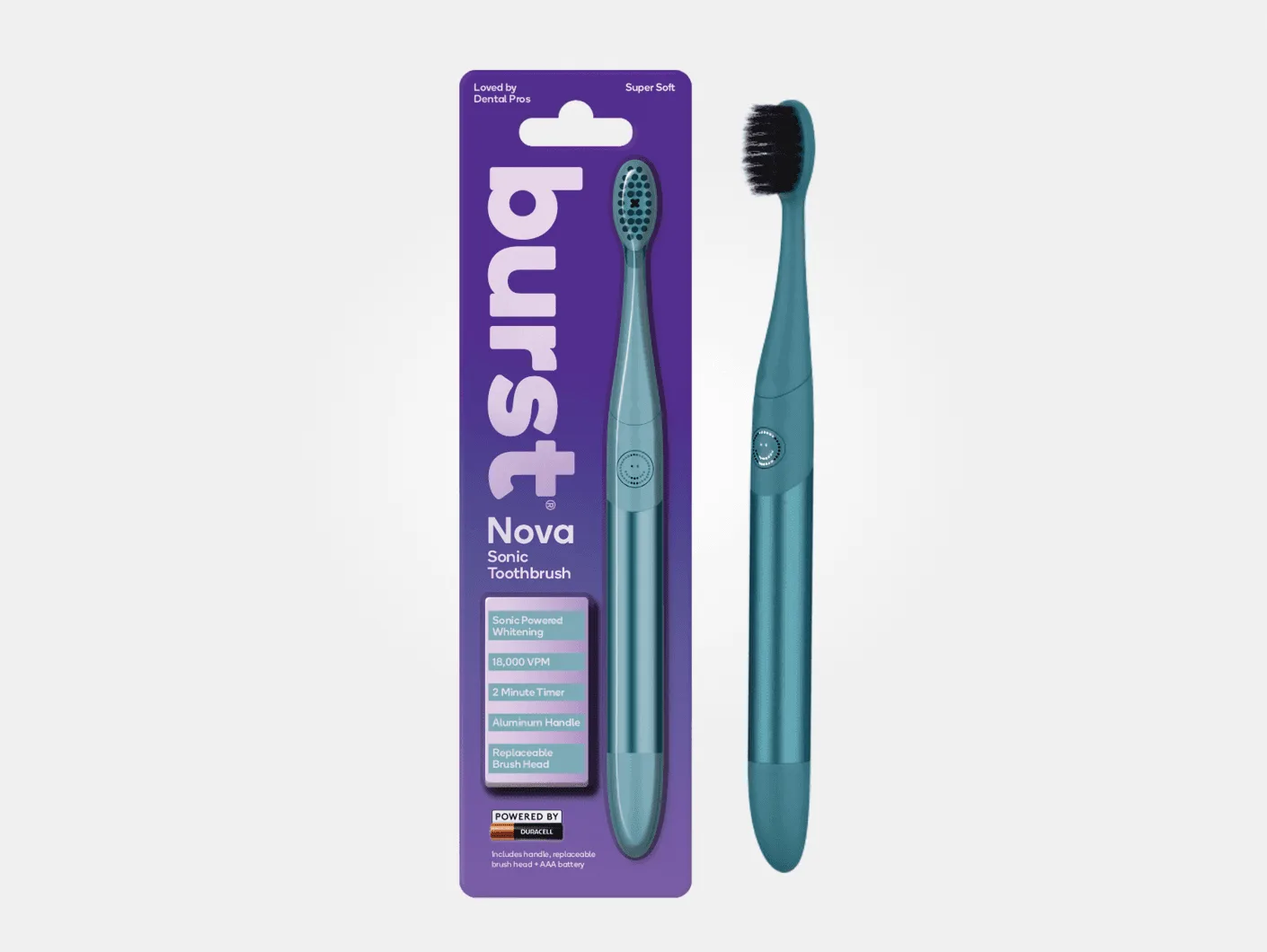
- Nova Sonic Toothbrush: The Nova Sonic Toothbrush is designed with input from over 40,000 dental professionals, and 93% of them said it delivers a superior clean. A brush that removes more plaque leaves less behind for bacteria to feed on, so your cleaning routine starts from a better baseline.
- UV Toothbrush Sanitizer: The UV Toothbrush Sanitizer uses UV-C light to kill 99.9% of bacteria on brush heads and is lab-tested for effectiveness. If you want a low-effort way to reduce bacteria between 12-week head swaps, this gives you a repeatable disinfection step that takes seconds.
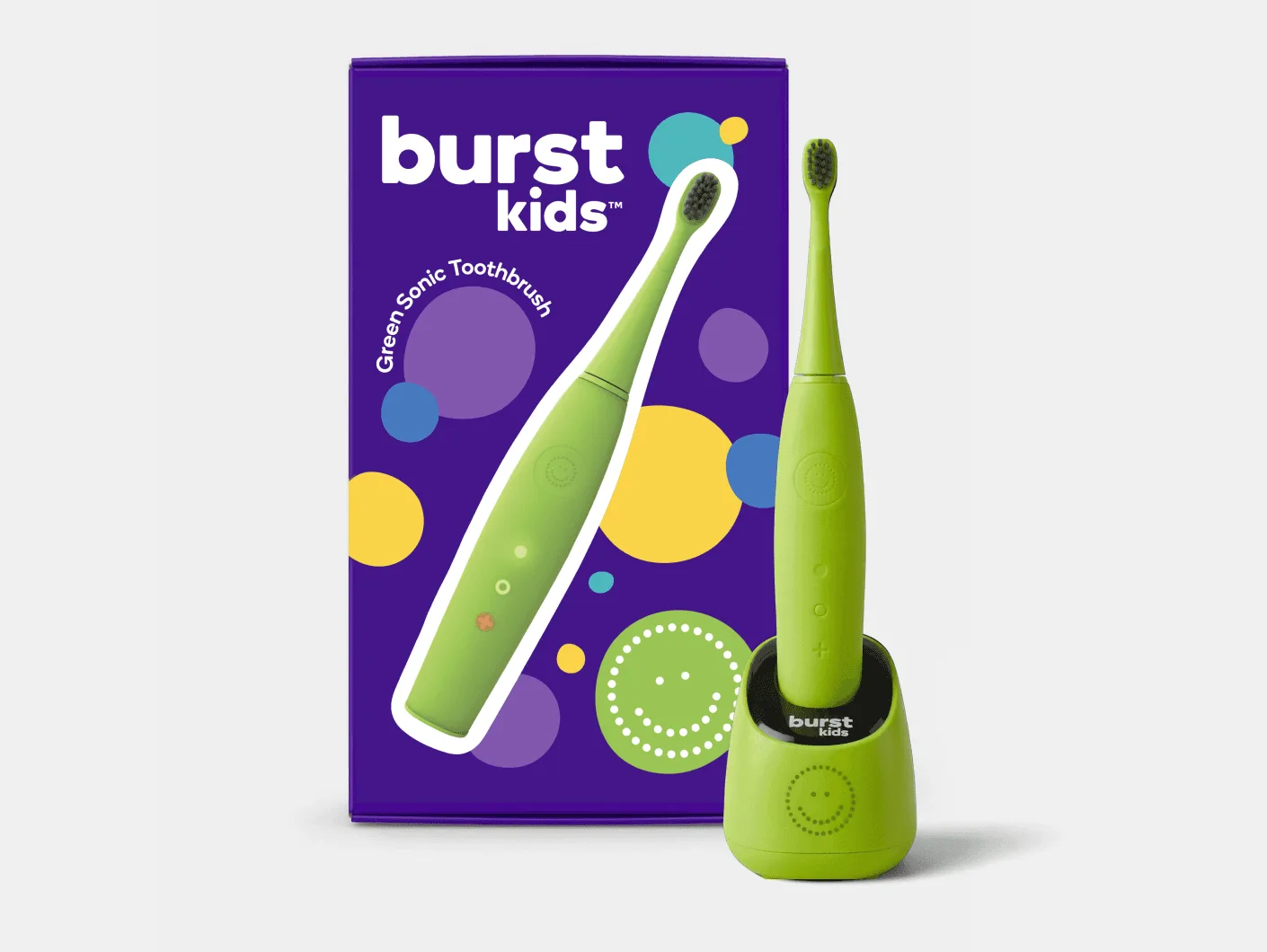
- Kids Replacement Head: The Kids Replacement Head is designed for BURST kids' toothbrush models and is easy to swap out. Kids are less likely to rinse and dry their brushes properly, so keeping fresh heads on hand makes it easier to replace them on schedule.