Quick answer
Wipe your Yore Luggage Tag with a dry cloth after every trip, store it flat away from sharp edges, and condition the vegetable-tanned leather only when it feels dry—not on a fixed schedule.
Why vegetable-tanned leather needs a lighter touch
Vegetable-tanned leather develops a patina over time, but it also shows water marks and scratches more readily than heavily coated leathers. That character is part of the material, not a defect. The goal of care is to slow down damage without stripping the natural finish.
Skip harsh soaps, alcohol wipes, and silicone-based protectants. They can darken or dry out the surface unevenly. A dry cloth and occasional leather conditioner are usually enough for a slim accessory like a luggage tag.
When to clean versus when to condition
Clean when you see visible dust, salt lines from winter travel, or sticky residue from a baggage handler’s sticker. Condition only when the leather feels stiff or looks dry—typically after repeated exposure to dry air or sun. Over-conditioning softens the tag and can attract dirt.
If your tag gets soaked, do not dry it with heat. Blot it and let it air-dry flat at room temperature, away from radiators and direct sun.
Your step-by-step Yore Luggage Tag care routine
- Remove the tag and empty the slot: Take the tag off your bag or suitcase and slide out any paper name card. Dust and grit trapped behind the card can scratch the leather from the inside. Check the card slot for grit before you wipe the outside.
- Wipe with a dry, soft cloth: Use a clean microfiber or cotton cloth to wipe both sides and the edges. Avoid paper towels, which can leave lint or micro-scratches. For light dirt, breathe on the leather and wipe again—do not wet the cloth. If the cloth picks up color, stop—the finish may be damp or overly worn.
- Spot-clean stubborn marks with a barely damp cloth: Dampen a corner of the cloth with water only, wring it out thoroughly, and dab the mark. Do not rub. Let the area air-dry flat before moving on. Never use soap or alcohol on vegetable-tanned leather; they can strip the finish.
- Condition only if the leather feels dry: Apply a pea-sized amount of neutral leather conditioner with your fingertip, massage it in, and buff off any excess with a dry cloth. Do this no more than every few months. If the leather feels tacky after buffing, you used too much—wipe again with a dry cloth.
- Store flat and separate from sharp objects: When not in use, lay the tag flat in a drawer or pouch away from keys, zippers, and other metal hardware. Avoid hanging it on a hook where it can swing against a wall. A soft cloth pouch prevents scratches better than a crowded bag pocket.
- Reattach securely before travel: Loop the strap through your suitcase handle or bag hardware and fasten it so the tag hangs flat against the surface. A dangling tag is more likely to catch on conveyor belts and carousel edges. Tug gently on the strap after fastening to confirm it won’t slip off.
Product facts
-
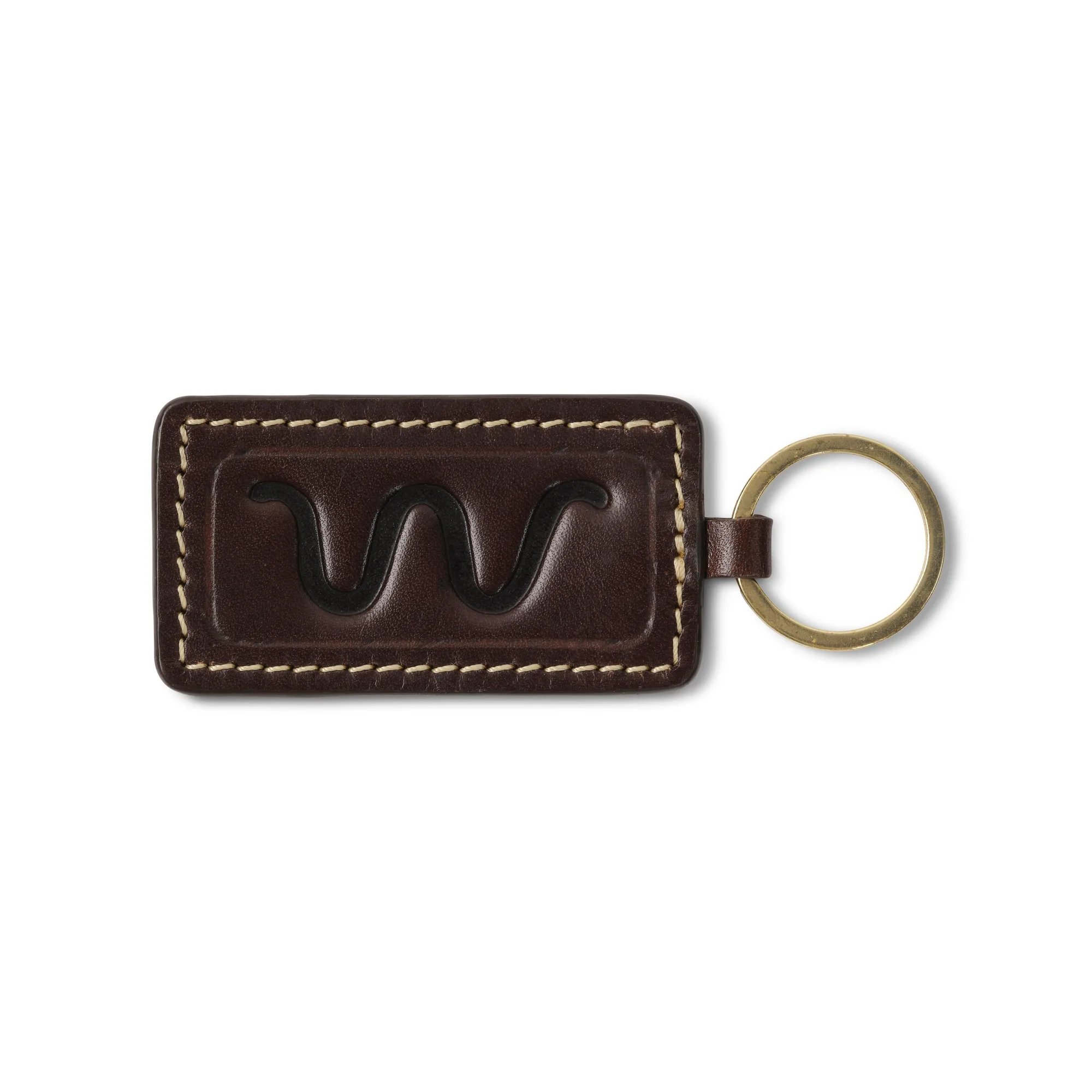
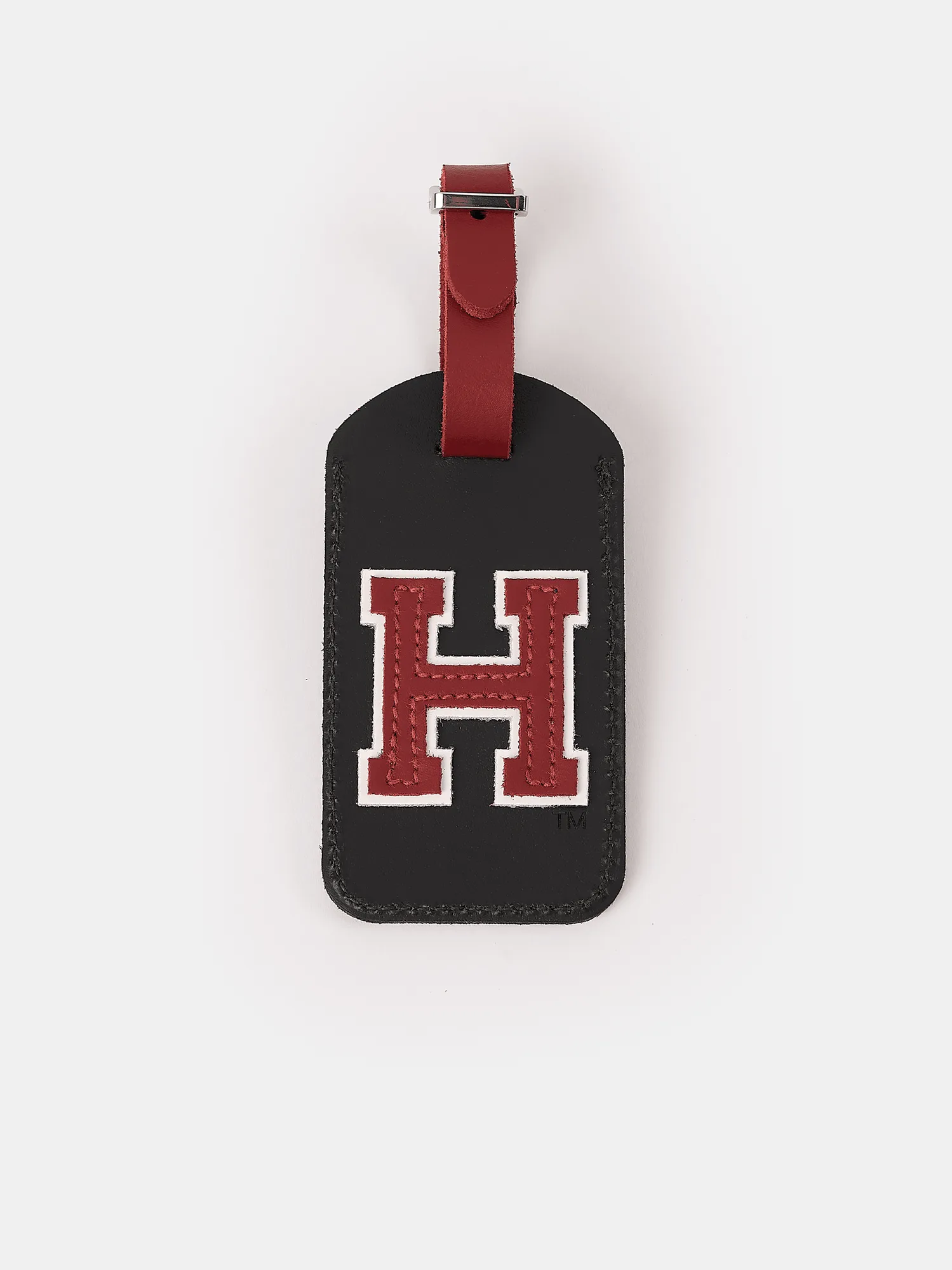
The Yore Luggage Tag: Crafted from vegetable-tanned leather for a natural, durable finish. This material responds well to simple dry wiping and occasional conditioning, but it needs protection from prolonged moisture.
The Yore Luggage Tag
-
The Yore Luggage Tag: Slim 2 cm x 24.5 cm profile designed to fit most handles and suitcase straps. Its narrow shape means less surface area to clean, but also less margin for error—store it flat so the edges don’t curl or crease.