Quick Answer
Layer a bassinet mattress from bottom to top: a waterproof, breathable mattress pad (if needed) directly on the mattress, then a snug-fitting fitted sheet. Skip loose blankets, pillows, and bumpers to reduce suffocation risk. Always check that the sheet is tight and the surface remains firm.
When setting up a bassinet, the mattress layering matters more than you might think. The right layers keep your baby comfortable, protect the mattress from accidents, and—most importantly—support safe sleep. A bassinet is a small space, so every layer should be minimal, breathable, and secure.
This guide walks you through the safe order for layering a bassinet mattress, what to avoid, and how to choose the right products. We’ll focus on practical steps you can use tonight.
Why Layering Matters for Bassinet Safety
A bassinet mattress is thinner and smaller than a crib mattress, so it’s especially important to keep the sleep surface firm and flat. Loose or thick layers can create gaps where a baby’s face could sink in, increasing the risk of suffocation. The American Academy of Pediatrics recommends a firm, flat sleep surface with only a fitted sheet—no pillows, blankets, or bumpers.
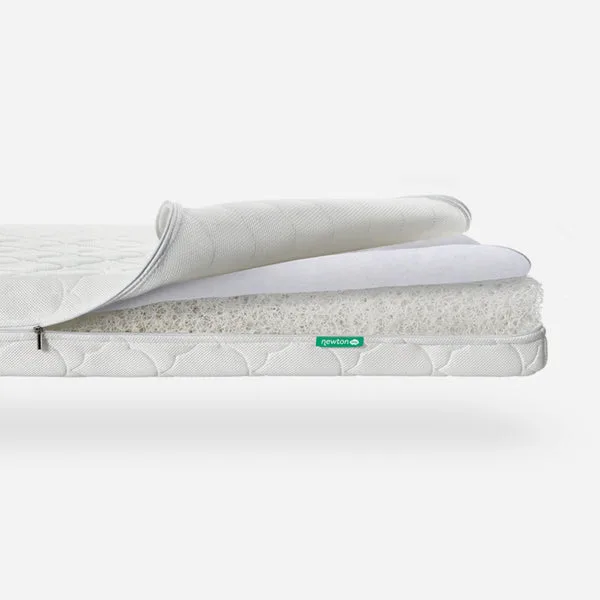
crib mattress
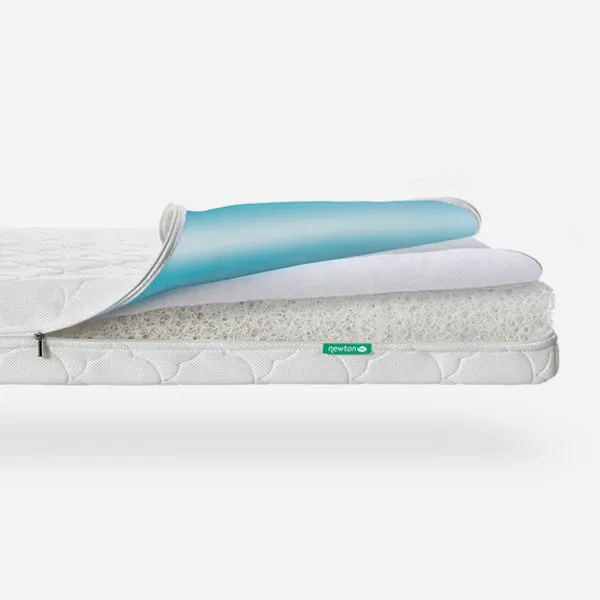
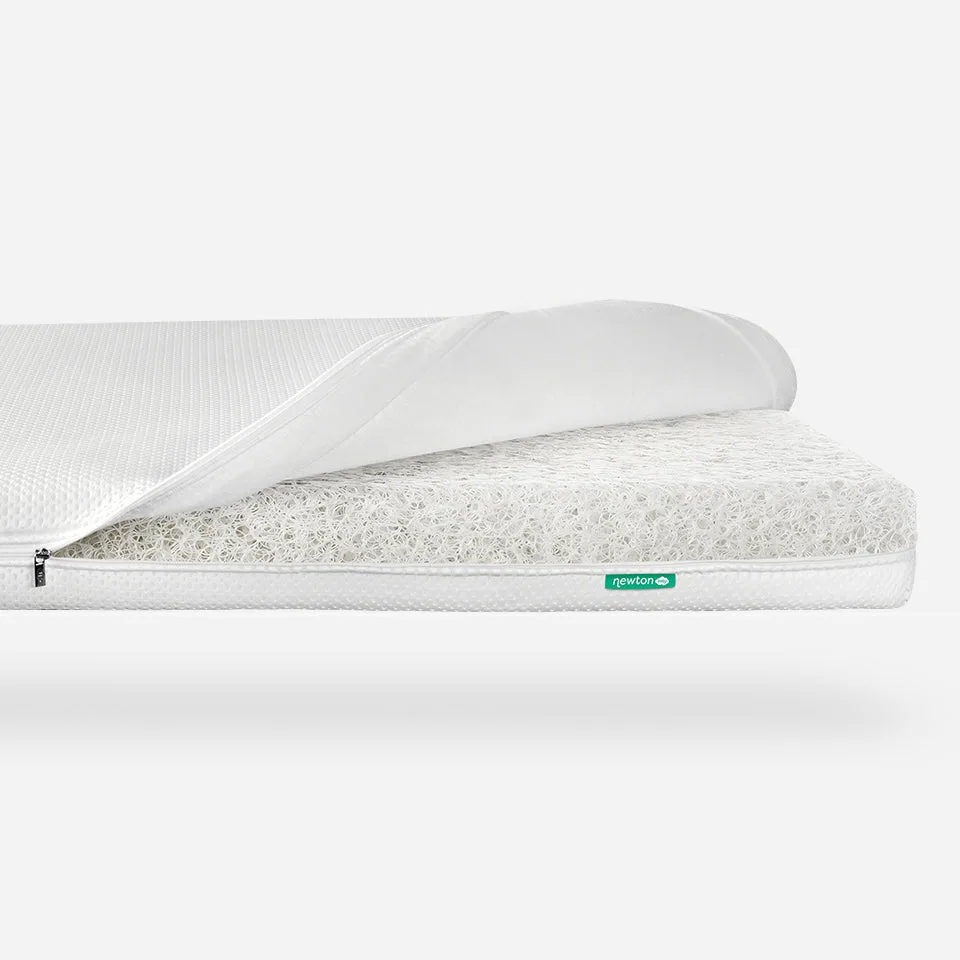
Breathability is another key factor. A breathable bassinet mattress allows air to circulate, which helps regulate temperature and can reduce the risk of rebreathing carbon dioxide. When you add layers, you want to preserve that airflow, not block it.
- Always use a mattress that fits the bassinet snugly—no gaps around the edges.
- Check the bassinet’s manual for maximum mattress thickness; most allow only 1-2 inches.
Choosing the Right Bassinet Mattress Pad
A waterproof mattress pad is a practical layer to protect the mattress from leaks and spit-up. However, not all pads are suitable for bassinets. Look for a pad that is thin, breathable, and fits the bassinet mattress exactly. Avoid thick, quilted pads that can make the surface less firm.
The Newton Essential Bassinet features a Wovenaire® breathe-thru mattress, which is designed for optimal airflow. If your bassinet has a breathable mattress, you might skip a pad altogether and just use a fitted sheet. But if you want extra protection, choose a pad that is as breathable as the mattress itself.
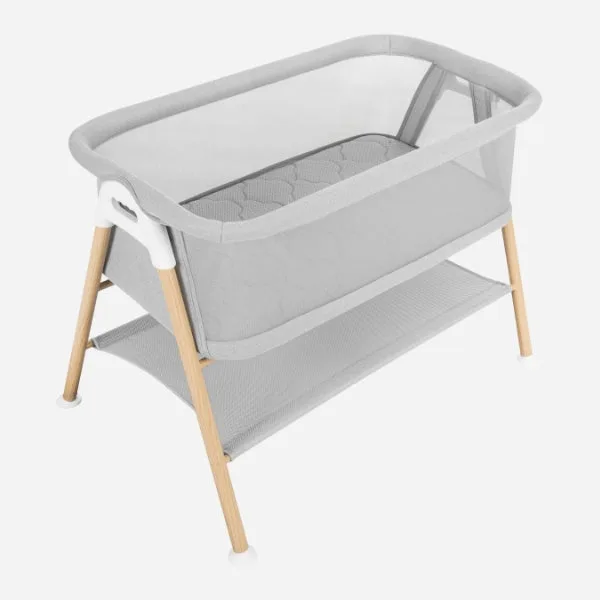
Essential Bassinet
Selecting Bassinet Sheets
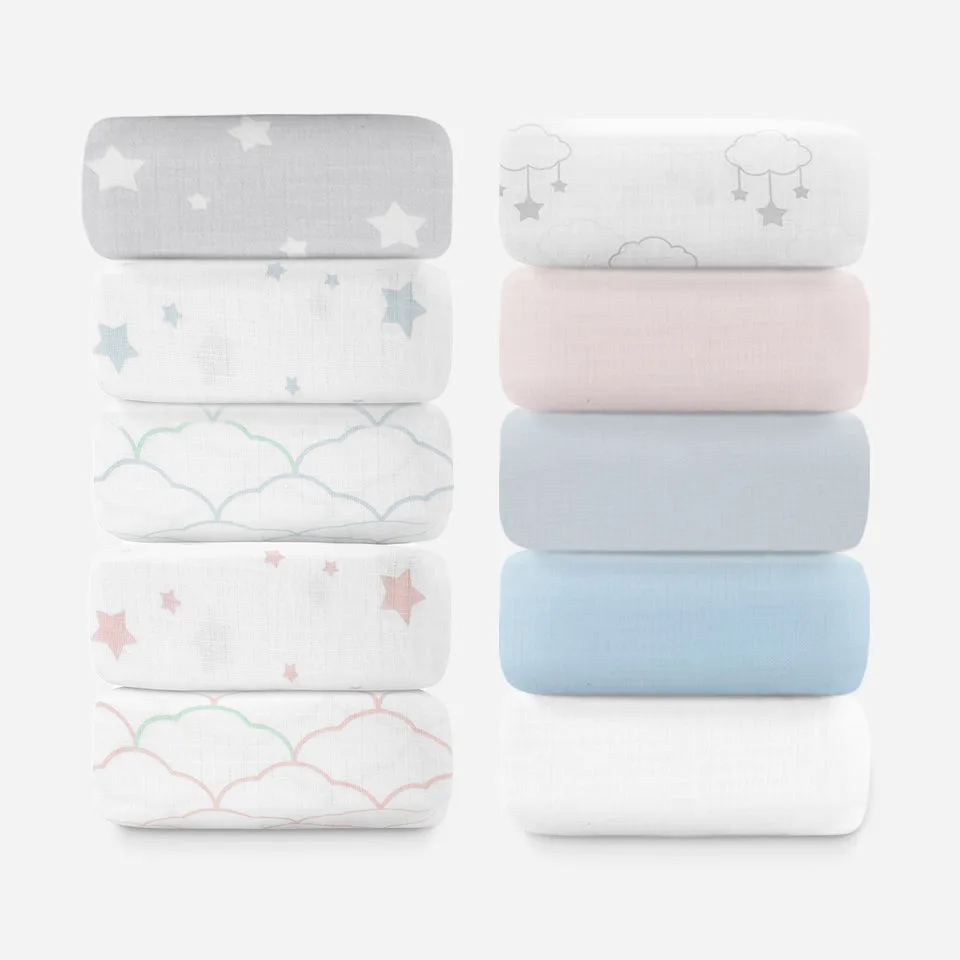
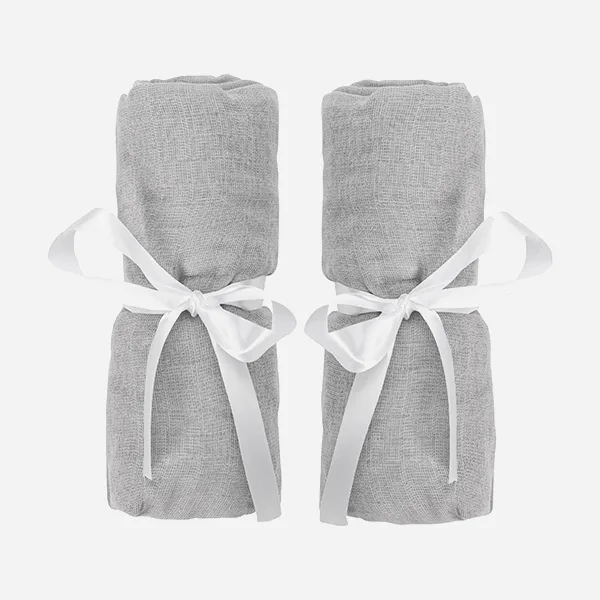
Fitted sheets for bassinets must fit snugly. A loose sheet can bunch up and create a hazard. Look for sheets with deep pockets and elastic that grips the mattress corners. Cotton or organic cotton sheets are breathable and soft, but avoid sheets with thick padding or quilting.
You’ll need at least two sheets so you can swap one while the other is in the wash. Accidents happen, and having a spare means you don’t have to delay bedtime.
- Test the fit: if you can pinch more than a finger’s width of fabric, the sheet is too loose.
Step-by-Step: How to Layer a Bassinet Mattress
- Start with a clean, firm mattress: Wipe down the mattress surface with a baby-safe cleaner and let it dry completely. Ensure the mattress is flat and fits snugly in the bassinet frame with no gaps. Checkpoint: If you can fit two fingers between the mattress and the bassinet side, it's too small.
- Add a waterproof pad (optional but recommended): If you use a pad, choose one that is thin, breathable, and specifically sized for your bassinet mattress. Place it flat, smoothing out any wrinkles. Do not use a pad that is too large and bunches up. Common mistake: Using a crib-sized pad on a bassinet—it will bunch and create uneven surfaces.
- Put on a snug fitted sheet: Pull the fitted sheet over the mattress and pad, ensuring the elastic holds it tight. Smooth out any wrinkles. The sheet should not be loose enough to pull away from the mattress easily. Checkpoint: If you can pinch more than a finger's width of fabric, the sheet is too loose.
- Skip loose bedding and soft items: Do not add blankets, pillows, or bumper pads. Instead, dress your baby in a sleep sack or wearable blanket for warmth. The bassinet should have nothing else in it. Common mistake: Adding a blanket 'just in case'—it's a suffocation hazard.
- Test the surface before each sleep: Press your hand on the center and edges of the mattress. It should feel firm and spring back quickly. Check that the sheet is still tight and the pad hasn't shifted. Checkpoint: A firm surface is non-negotiable for safe sleep.
Products That Help with Safe Bassinet Layering
- Essential Bassinet: The only standalone bassinet with a Wovenaire® breathe-thru mattress for optimal airflow, reducing suffocation risk and keeping baby comfortable. It features a largest-in-class sleep surface (35” x 19”), machine-washable fabric and breathable mesh sides, lightweight design (15 lbs), tool-free assembly, packs flat for travel, built-in storage shelf, and is non-toxic & GREENGUARD Gold certified. If you're starting fresh, this bassinet's breathable mattress means you can skip a pad and still have a safe, comfortable sleep surface. The machine-washable fabric simplifies cleanup.
- Waterproof Mini Crib Pad: Our Mini Crib Mattress Pad adds a waterproof, washable layer that helps your little one sleep comfortably. The pad fits the Newton Mini Crib mattress perfectly. Not designed for bassinet or travel crib mattresses. This pad is not for bassinets, so if you use a bassinet, look for a pad specifically designed for that size. It's a good reminder to always check product compatibility before buying.
Layering a bassinet mattress safely is simple: keep it firm, breathable, and minimal. Use a waterproof pad only if it fits properly, always secure a fitted sheet, and avoid loose items. With these steps, you can create a comfortable and safe sleep space for your baby.