Quick Answer
To layer a cardigan over a dress without bulk, choose a fine-gauge or open-weave cardigan that skims rather than clings. Keep the dress fabric smooth and lightweight, then add the cardigan as the outermost layer. This creates a clean line and avoids the stuffed or lumpy look that comes from heavy knits over thick fabrics.
Layering a cardigan over a dress should feel effortless, but too often it ends up looking bulky or uncomfortable. The problem usually isn't the cardigan itself—it's the combination of fabric weights and how the layers sit on your body. With a few simple adjustments, you can create a smooth, flattering silhouette that works for both casual days and evenings out.
This guide walks you through a practical, step-by-step process for layering without bulk. You'll learn how to assess your dress fabric, pick the right cardigan, and adjust proportions so the outfit looks intentional rather than improvised. Along the way, we'll point out common mistakes and how to avoid them.
Start With the Dress Fabric
The dress you choose sets the foundation for a bulk-free layer. Smooth, lightweight fabrics like silk charmeuse or crepe-back satin slide under a cardigan without creating friction or adding visual thickness. Textured or heavy fabrics—thick knits, stiff cotton, or bulky wool—already take up space, so adding a cardigan on top often results in a lumpy silhouette.
Check the dress's drape: if it flows and skims your body, it's a good candidate for layering. If it's stiff or already form-fitting, consider a different dress or wear the cardigan open to break up the volume. The goal is to avoid stacking two thick fabrics over each other.
- Choose dresses made from silk, satin, or fine jersey for the smoothest layering.
- Avoid heavy tweed, thick cable knits, or stiff linen under a cardigan.
Pick a Cardigan That Skims, Not Clings
The cardigan's weight and fit matter as much as the dress. A fine-gauge knit, open crochet, or lightweight wool blend adds warmth without bulk. Look for a cardigan that follows your body's shape loosely—if it pulls across the chest or bunches at the waist, it's too tight or too thick. A relaxed but not oversized fit works best.
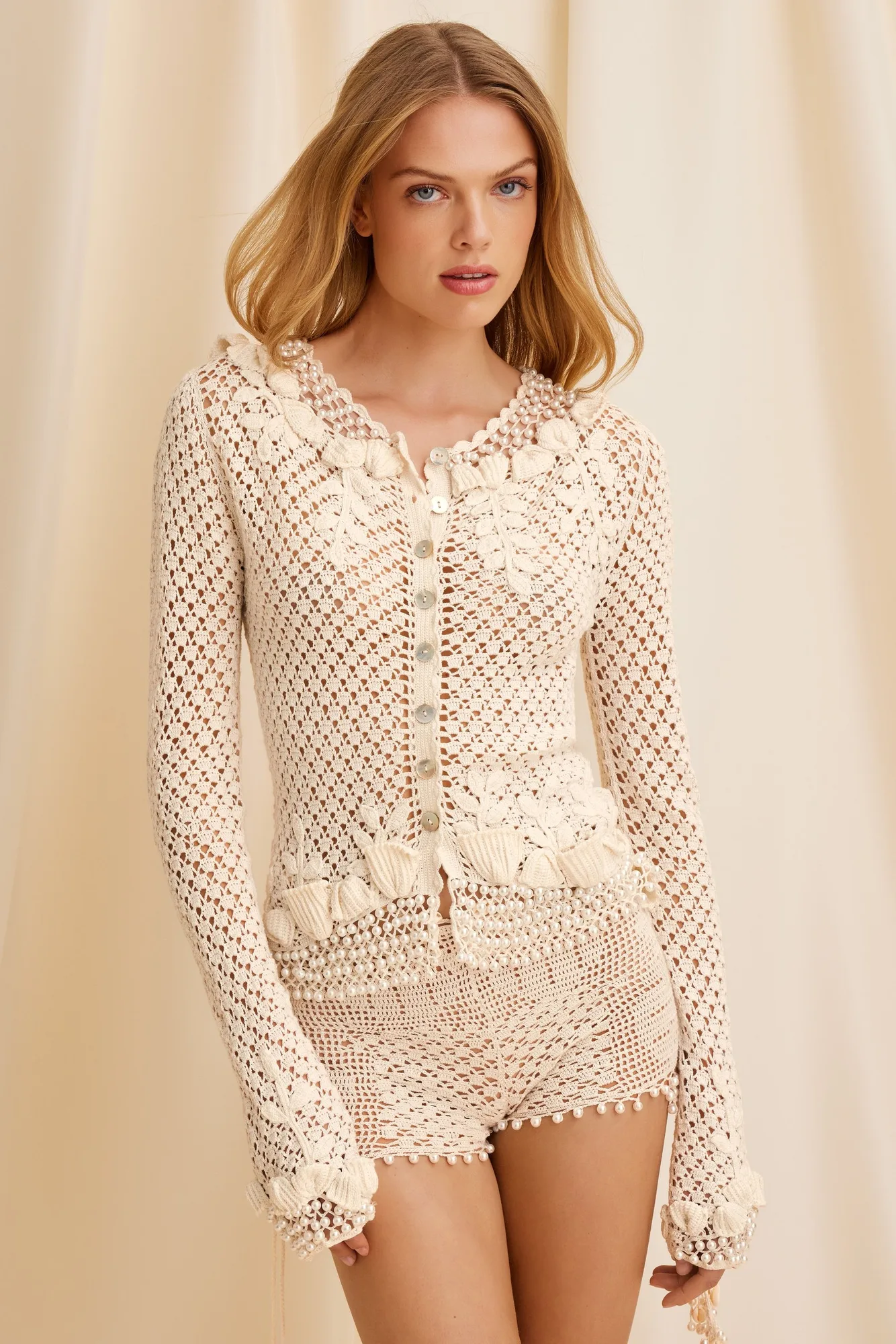
Pay attention to the closures. Button-front cardigans can create a vertical line that slims, but if the buttons gape, size up or wear it open. Open cardigans create two vertical lines that elongate the body and reduce the appearance of bulk. If the cardigan has embellishments like pearls or shells, keep them flat against the fabric so they don't add lumpy texture under a bag strap or jacket.
- Fine-gauge knits, crochet, and lightweight blends are ideal.
- Test the fit: you should be able to pinch an inch of fabric at the sides without pulling.
Order Your Layers for a Smooth Line
The sequence of your layers affects how smooth the final look appears. Start with your undergarments—a seamless bra or slip can prevent ridges. Then put on the dress. If the dress is slippery, a half-slip can help it glide. Finally, add the cardigan as the outermost layer. This order keeps the cardigan from getting trapped under the dress and ensures it sits cleanly on top.
If you're wearing a belt, place it over the dress but under the cardigan if the cardigan is open, or over both if the cardigan is thin and you want to define your waist. Avoid tucking the cardigan into the dress; it adds bulk at the waistline. Instead, let it hang loose or tie it at the waist with a thin belt.
- Always put the cardigan on last to avoid wrinkles and bulk.
- Never tuck a cardigan into a dress—it creates a bulge at the waist.
Adjust Proportions to Balance Volume
Proportion is key to avoiding a bulky look. If your dress is long and flowing, a shorter cardigan that hits at the hip or waist adds structure without overwhelming. If your dress is short, a longer cardigan that falls below the knee can elongate your silhouette. The idea is to create contrast in length rather than matching hemlines, which can make you look boxy.
Also consider the cardigan's sleeve length. Long sleeves pushed up to the elbow can create bulk at the forearm; instead, choose a cardigan with sleeves that end at the wrist or three-quarter length. If the cardigan is sleeveless or has short sleeves, it won't add arm bulk at all.
- Pair a maxi dress with a cropped or hip-length cardigan.
- Pair a mini dress with a longer, duster-style cardigan.
Style the Outfit for Different Occasions
For a casual daytime look, layer a lightweight cardigan over a simple slip dress and add flat sandals. For evening, choose a cardigan with subtle embellishments—like pearls or hand-stitched details—over a silk dress, and swap in heels. The cardigan can act as a light cover-up for cool evenings without hiding the dress's shape.
If you want to define your waist, add a thin belt over the cardigan. This works best with open cardigans and smooth fabrics. Avoid thick belts that add bulk. For a relaxed vibe, leave the cardigan open and let it drape naturally.
- Day: fine-knit cardigan + slip dress + sandals.
- Night: embellished cardigan + silk dress + heels.
Step-by-Step: Layering Without Bulk
- Step 1: Choose a smooth, lightweight dress: Start with a dress made from silk, satin, or fine jersey. These fabrics glide under a cardigan and don't add visual thickness. Avoid heavy or textured fabrics that already create volume. Checkpoint: If the dress feels stiff or thick, it's not ideal for layering.
- Step 2: Select a fine-gauge or open-weave cardigan: Pick a cardigan that skims your body without pulling. Fine knits, crochet, and lightweight blends work best. Ensure the closures lie flat and the embellishments are not bulky. Mistake to avoid: Choosing a chunky knit that adds inches to your silhouette.
- Step 3: Put on the dress first, then the cardigan: Layer in this order to keep the cardigan sitting cleanly on top. Adjust the dress so it's smooth, then drape the cardigan over your shoulders. Avoid tucking the cardigan into the dress. Checkpoint: The cardigan should hang freely, not bunch at the waist.
- Step 4: Balance proportions with length: Pair a long dress with a shorter cardigan, and a short dress with a longer cardigan. This contrast creates a flattering line and prevents a boxy look. Mistake to avoid: Matching hemlines, which can make you look wider.
- Step 5: Add accessories sparingly: If you belt the cardigan, use a thin belt over an open cardigan. Skip heavy scarves or chunky jewelry that add bulk at the neck or waist. Checkpoint: Step back and check the silhouette—if it looks lumpy, remove one layer or accessory.
Product Facts
- MAIA CARDIGAN: A refined interpretation of artisanal crochet, inspired by the textures and treasures of the coastline. Pearls are woven throughout the crochet construction, while hand-stitched shell embellishments and mother-of-pearl buttons add depth and ornamentation throughout. The open crochet weave is naturally breathable and won't trap heat, while the flat pearl and shell embellishments add texture without bulk. This makes it an ideal layer over a smooth silk dress for coastal evenings or city nights.
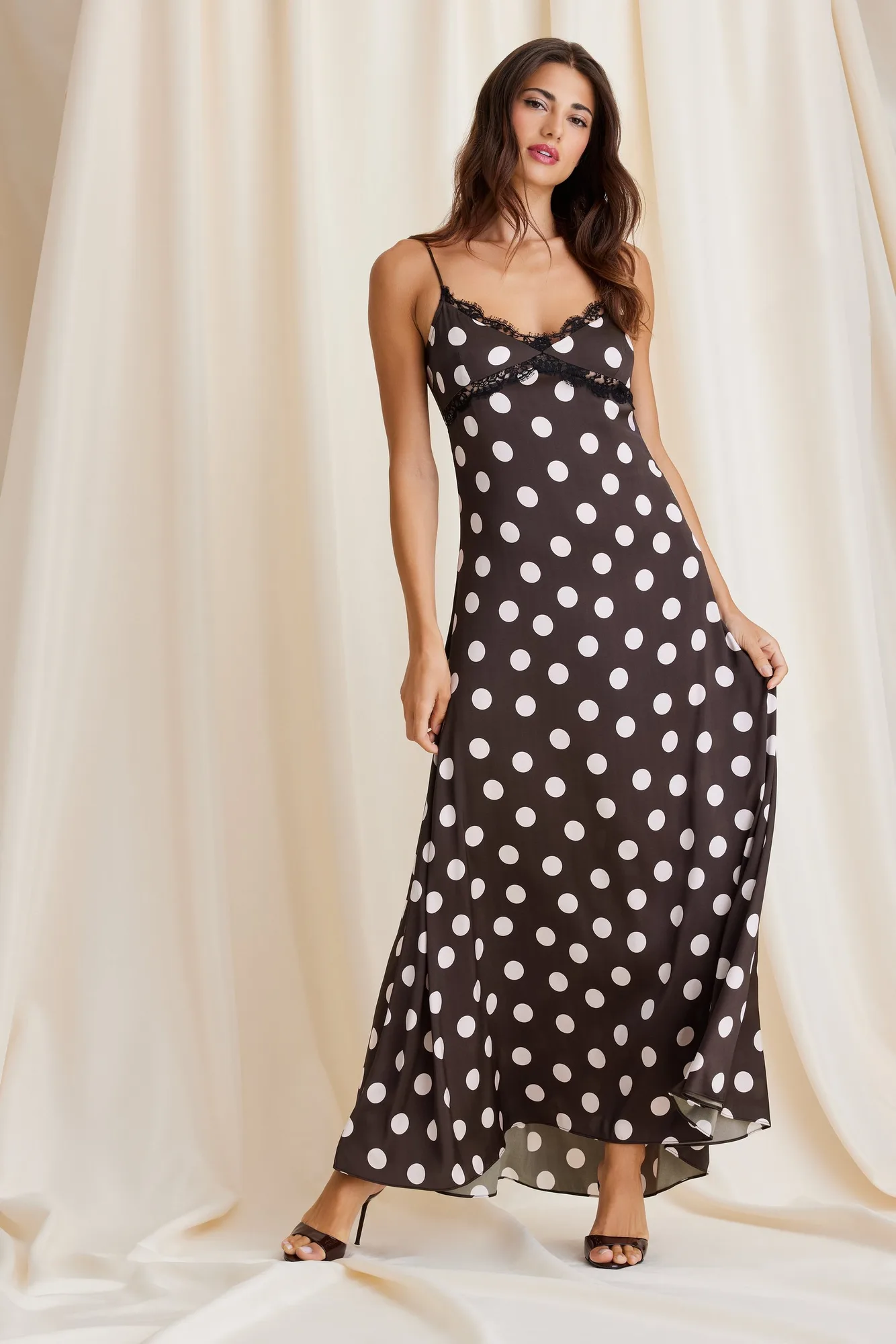
- COLETTE MAXI DRESS: Crafted from luxurious silk charmeuse and features an oversized polka dot print with delicate French lace trim. The bias-cut silhouette skims the body for a flattering fit. The silk charmeuse is smooth and lightweight, so it slides under a cardigan without friction or added thickness. The bias cut follows your curves without clinging, making it a perfect base for layering.
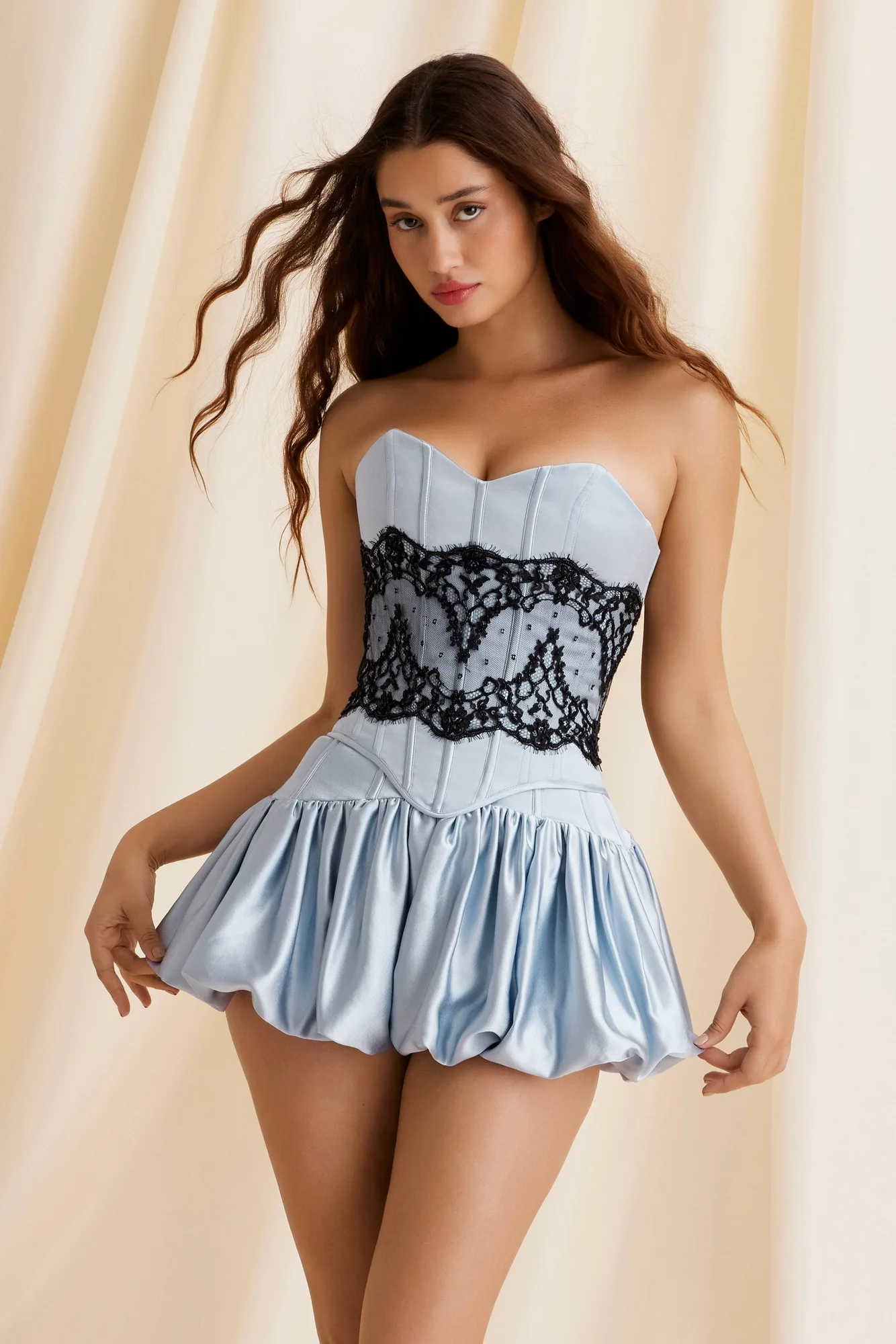
- ECLIPSE CORSET: Crafted from luxurious 100% silk crepe-back satin and lined in silk charmeuse for a smooth, sculpted fit. Featuring spiral steel boning, hand-sewn French beaded lace, and an adjustable lace-up back. The smooth silk surface and structured boning create a clean line under a cardigan. The beaded lace adds a textural detail that can peek out from an open cardigan, adding interest without bulk.
Layering a cardigan over a dress without bulk comes down to fabric weight, fit, and order. Start with a smooth dress, choose a lightweight cardigan that skims, and put the cardigan on last. Adjust proportions and keep accessories minimal. With these steps, you'll create a polished look that works for any occasion.