Quick answer
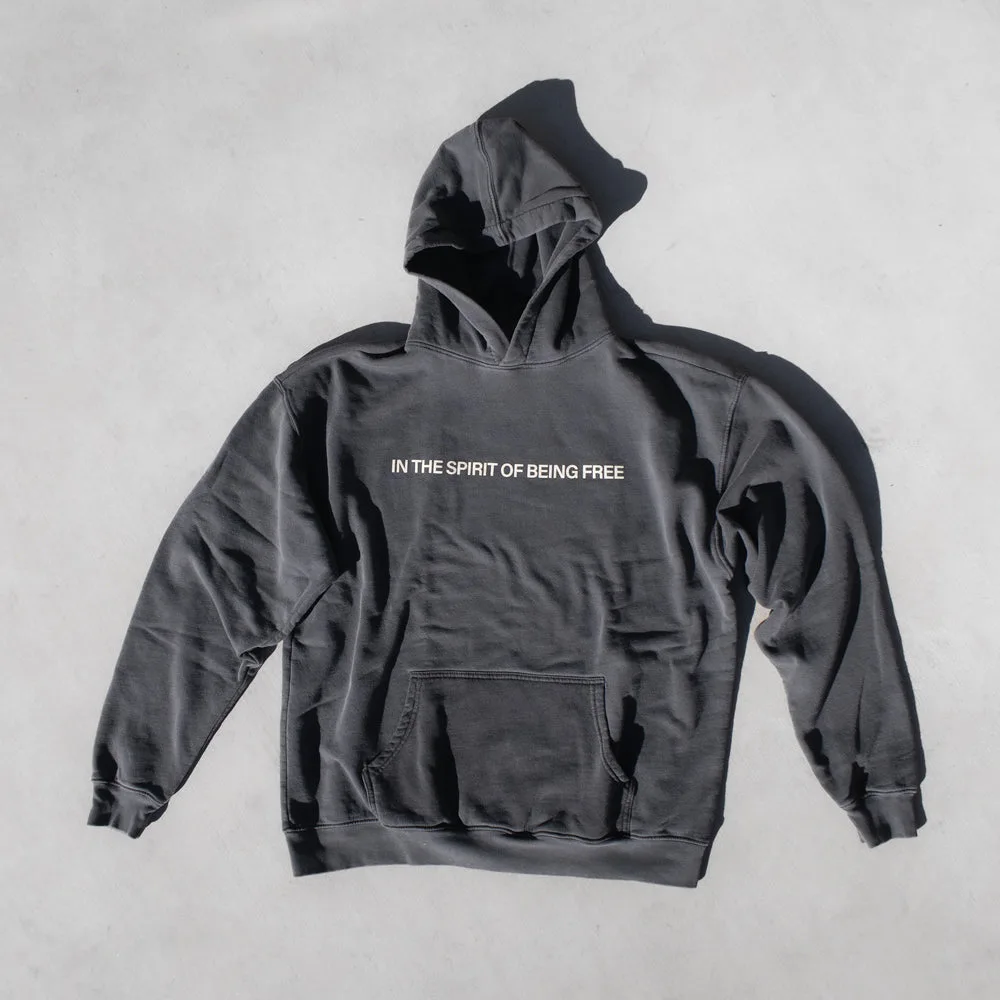
Start with a midweight hoodie like the hiyo 'in the spirit' hoodie, add a light base layer underneath, then choose an outer jacket with a little room in the shoulders. The goal is three thin, adjustable layers instead of one bulky piece, so you can remove or add a layer as the day warms up or cools down.
Transitional weather is the hardest season to dress for because the temperature can swing ten degrees between morning and afternoon. A hoodie is the perfect middle layer for those in-between days, but only if you build the rest of your outfit around it. This guide walks through six steps to layer a hoodie so you stay comfortable from the first chill to the warm afternoon.
You do not need a new wardrobe to make this work. A midweight hoodie, a light base layer, and a jacket you already own will cover most fall and spring days. The key is paying attention to fabric weight and fit, not buying more clothes.
Why a hoodie is the right middle layer
A hoodie works as a middle layer because it traps warmth without adding the bulk of a coat. Midweight fabrics like the 80% cotton / 20% combed cotton blend in the hiyo 'in the spirit' hoodie sit close to the body but still leave room for a base layer underneath. That makes it easy to wear alone in the afternoon and under a jacket in the morning.
The relaxed fit and side seams on this hoodie also help it slide under a jacket without bunching at the shoulders. If your hoodie is too thick or too loose, it will fight the outer layer and make you feel restricted. Start with a midweight option and adjust from there.
- Check the fabric weight before you buy: midweight works for most transitional days, heavyweight is better for late fall.
- Avoid hoodies with thick drawstrings if you plan to wear them under a jacket; they can create pressure points.
Step 1: Pick a light base layer
Your base layer manages moisture and adds a thin layer of warmth without bulk. A cotton t-shirt or a light long-sleeve tee works well for most people. If you run warm, stick with a short-sleeve tee; if you get cold easily, choose a long-sleeve base layer in a breathable fabric.
The most common mistake is wearing a heavy base layer under a midweight hoodie. That combination traps too much heat and leaves you sweating by mid-morning. Keep the base layer thin and let the hoodie do the insulating.
- Choose a base layer that fits close to the body but does not restrict movement.
- If you plan to take the hoodie off indoors, make sure the base layer looks good on its own.
Step 2: Choose the right hoodie weight
For transitional weather, a midweight hoodie is the most versatile choice. It is warm enough for a cool morning but not so heavy that you overheat when the sun comes out. The hiyo 'in the spirit' hoodie uses a 3-fleece, high-stitch fabric that adds warmth without extra weight, which makes it a strong middle layer.
If you only own a heavyweight hoodie, you can still make it work by skipping the base layer or choosing a lighter jacket. The goal is to avoid stacking two thick layers together. One thick layer plus one thin layer is usually more comfortable than two thick ones.
- Midweight hoodies are the most flexible for spring and fall.
- If your hoodie has a relaxed fit, size down for layering so it does not bunch under a jacket.
Step 3: Add an outer layer with room to move
Your outer layer should be easy to remove and roomy enough to fit over the hoodie without compressing it. A light jacket, a denim jacket, or a water-resistant shell all work. The key is to test the fit with the hoodie on, not just over a t-shirt.
A common mistake is choosing a jacket that fits perfectly over a t-shirt but is too tight over a hoodie. That restricts your arms and makes the hoodie bunch at the back. When you try on a jacket for layering, wear your hoodie and check that you can cross your arms and reach forward comfortably.
- Look for jackets with a little extra room in the shoulders and chest.
- Avoid heavy coats unless the temperature is consistently below 50°F (10°C).
Step 4: Adjust as the day warms up
Layering only works if you actually adjust. Start the morning with all three layers on. As it warms up, remove the outer layer first, then the hoodie if needed. Keep the base layer on so you are not carrying too much. This is where a hoodie shines: it is easy to tie around your waist or stuff in a bag.
If you are going to be outside all day, bring a small bag for your removed layers. A lightweight tote or a backpack works fine. The goal is to stay comfortable, not to wear the same outfit all day without changes.
- Remove layers before you start sweating; once you sweat, you will feel cold when you stop moving.
- If you take off your hoodie, tie it around your waist or pack it flat to avoid wrinkles.
Step 5: Match your bottoms to the layer count
Your bottoms should match the overall warmth of your outfit. If you are wearing a hoodie and a jacket, you probably do not need heavy sweatpants. A pair of midweight sweatpants or jeans will balance the outfit. If you are wearing just a hoodie and a tee, lighter pants are fine.
The mistake here is wearing heavy bottoms with a light top or vice versa, which makes you feel uneven. Think of your outfit as a system: if you add a layer on top, you can keep the bottom the same or go slightly lighter.
- Sweatpants with a relaxed fit work well with a layered hoodie.
- If you run cold, add a base layer under your pants instead of switching to heavier pants.
Step 6: Test your range of motion before you leave
Before you walk out the door, do a quick movement check: raise your arms overhead, reach forward, and sit down. If anything pulls or feels tight, adjust your layers. This is especially important if you are wearing a hoodie under a jacket, because the combination can restrict your shoulders.
A good test is to see if you can comfortably put on and take off your jacket without removing your hoodie. If it is a struggle, your outer layer is too small. Sizing up in the jacket or choosing a stretchier fabric can solve the problem.
- If your hoodie bunches at the back when you sit, try a thinner base layer.
- Always test layering with the exact combination you plan to wear, not just individual pieces.
Your layering checklist
- Start with a thin base layer: Choose a light t-shirt or long-sleeve tee that fits close to the body. This layer manages moisture and adds warmth without bulk. Checkpoint: if you feel warm indoors, your base layer is too heavy.
- Add a midweight hoodie: Put on a midweight hoodie like the hiyo 'in the spirit' hoodie. Make sure it fits comfortably without being tight. Checkpoint: you should be able to move your arms freely without the fabric pulling.
- Choose an outer layer with room: Pick a jacket that fits over the hoodie without compressing it. Test by wearing both and reaching forward. Checkpoint: if the jacket feels tight in the shoulders, size up or choose a different style.
- Adjust throughout the day: Remove the outer layer first when you warm up, then the hoodie if needed. Keep the base layer on to stay comfortable. Checkpoint: remove layers before you start sweating to avoid chills later.
- Match your bottoms: Wear midweight pants or sweatpants that balance the warmth of your top half. Avoid heavy bottoms with a light top. Checkpoint: your outfit should feel evenly warm, not top-heavy or bottom-heavy.
- Do a final movement test: Raise your arms, reach forward, and sit down. If anything pulls, adjust your layers before you leave. Checkpoint: you should be able to take your jacket off without removing your hoodie.
Product facts that matter for layering
- in the spirit hoodie: 80% cotton / 20% combed cotton, 3-fleece, high-stitch fabric, midweight, side seaming, relaxed fit with no drawstrings. The midweight fabric and side seams help it slide under a jacket without bunching, and the lack of drawstrings means no pressure points when layered.
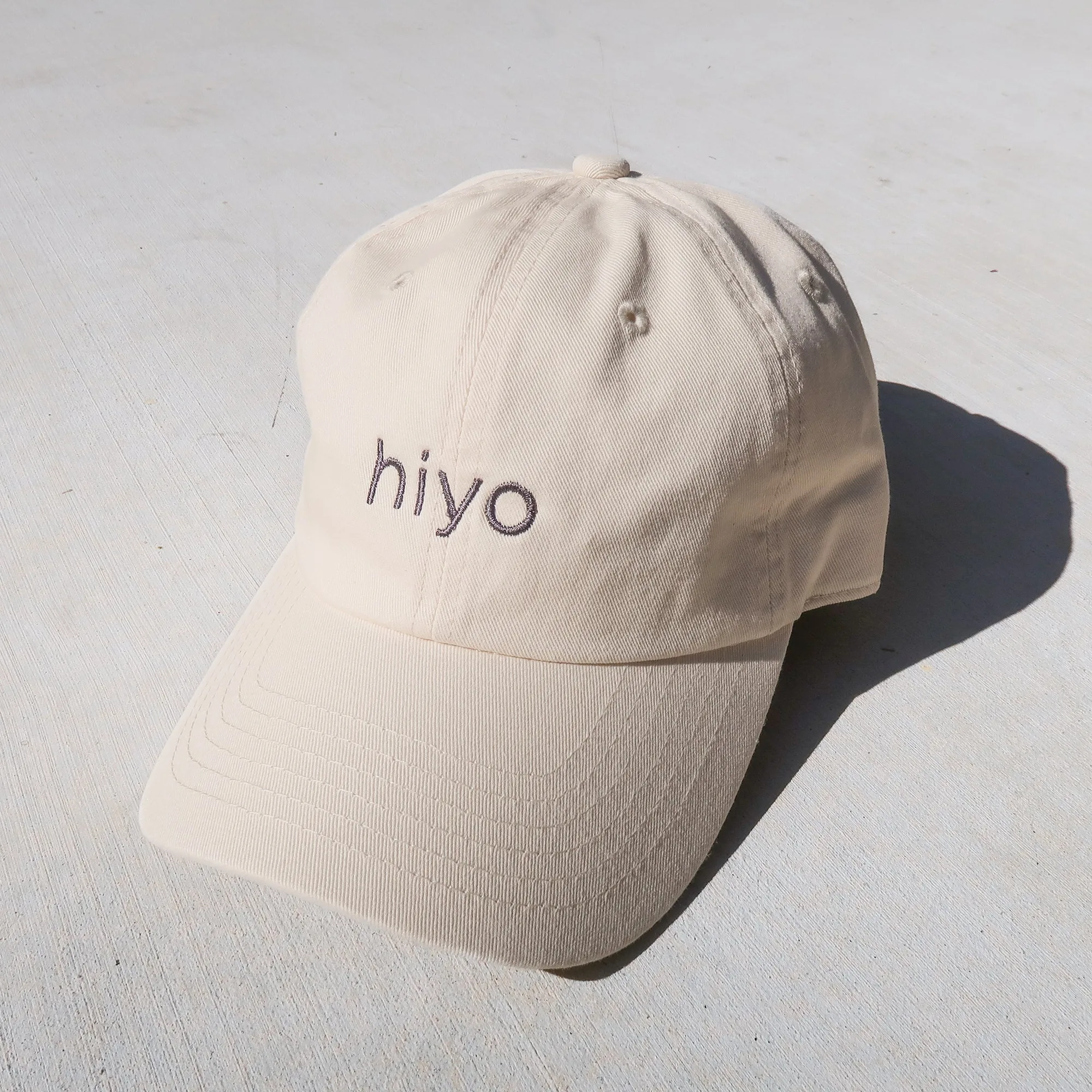
- hiyo dad hat: 100% cotton, unstructured, adjustable brass metal buckle, curved visor. An unstructured cotton hat adds warmth without bulk, and the adjustable buckle lets you wear it over a hood or alone on warmer afternoons.
Layering a hoodie for transitional weather comes down to three thin layers you can adjust, not one heavy piece. Start with a light base, add a midweight hoodie like the hiyo 'in the spirit' hoodie, and finish with a jacket that leaves room to move. Test your range of motion before you head out, and you will stay comfortable from the cool morning to the warm afternoon.