Why Layering Matters for Winter Hiking
When you're hiking in cold, wet conditions, your outer layer—the hardshell—is your shield against wind, rain, and snow. But a hardshell alone won't keep you warm. The key is layering underneath: a moisture-wicking base layer, an insulating mid layer, and a waterproof/breathable shell on top. For your legs, the same principle applies with hardshell pants over a base layer or softshell. This guide focuses on how to layer effectively with two popular Arc'teryx options: the Alpha SV Bib Pant and the Beta Pant.
Choosing Your Hardshell: Activity and Conditions
The right hardshell depends on how hard you'll be working and the conditions you expect. For steep, technical winter hiking or alpine climbing, durability and weather protection are paramount. The Alpha SV Bib Pant Men's is built for severe alpine conditions, with a 100D 3-layer GORE-TEX PRO fabric that's extremely tough and fully taped seams for complete weatherproofness. It weighs 1 lb 6.9 oz (650 g) and includes features like removable knee pads and a drop-seat for convenience. If your hiking is less extreme—say, moderate winter trails or mixed conditions—the lighter Beta Pant Men's (10.9 oz / 308 g) offers excellent waterproofing with its 80D 3-layer ePE GORE-TEX fabric and 3/4 length side zippers for ventilation. The Beta Pant Men's F25 is nearly identical for spring 2025 updates.
Key Specifications for Layering Decisions
-
Alpha SV Bib Pant Men's: 100D 3-Layer GORE-TEX® PRO ePE Waterproof/Breathable Main Outer Shell Fabric; weight 1 lb 6.9 oz (650 g). The heavier, more durable fabric suits harsh conditions and longer days, but adds bulk. Plan for a thinner mid layer underneath to maintain mobility.
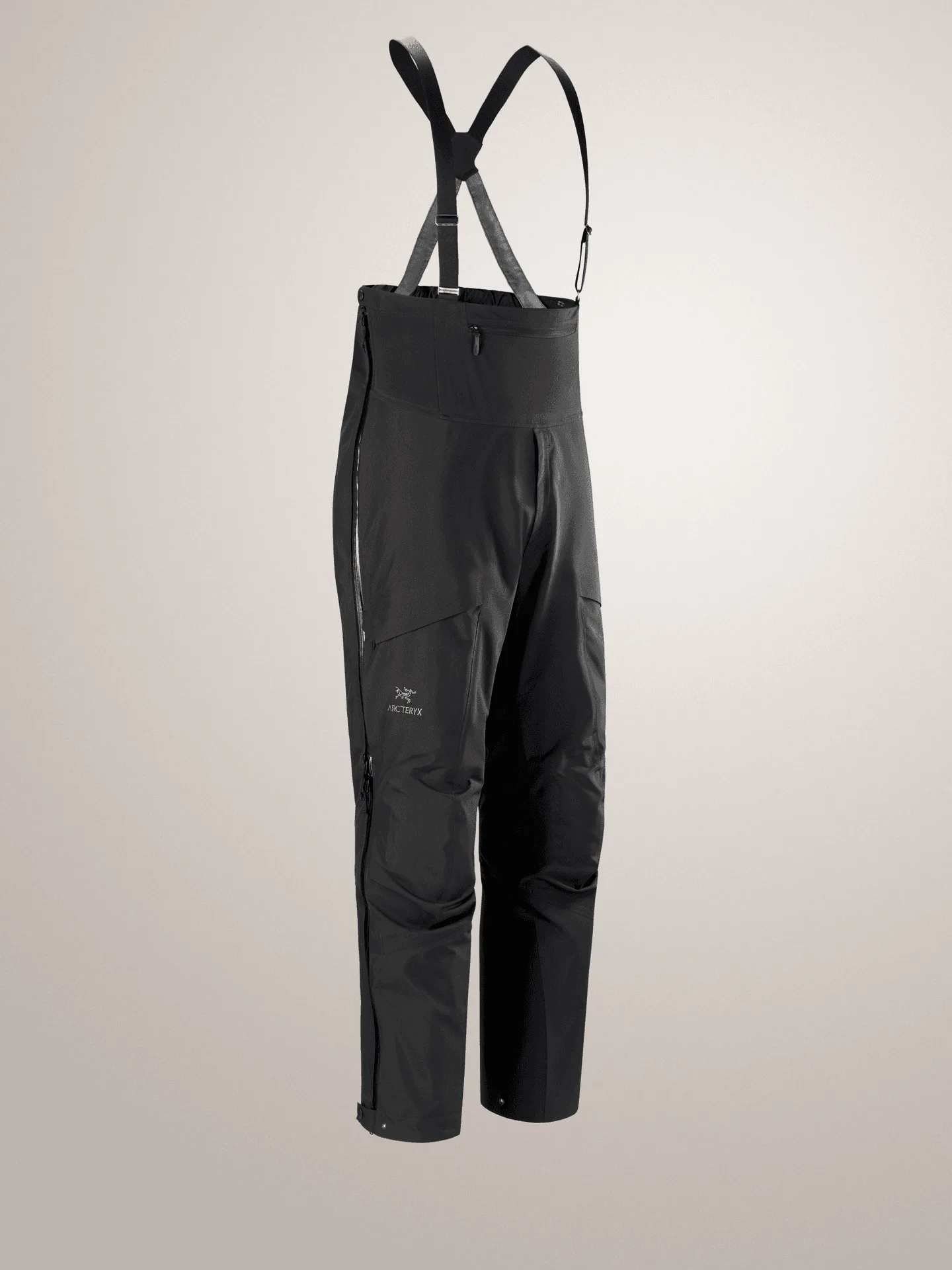
Alpha SV Bib Pant Men's
-
Beta Pant Men's: 80D 3-Layer ePE GORE-TEX® Waterproof/Breathable Fabric with GORE C-KNIT™ Backer Technology; weight 10.9 oz (308 g). The lighter fabric is easier to pack and less restrictive, allowing a slightly thicker mid layer for colder but less severe hikes.
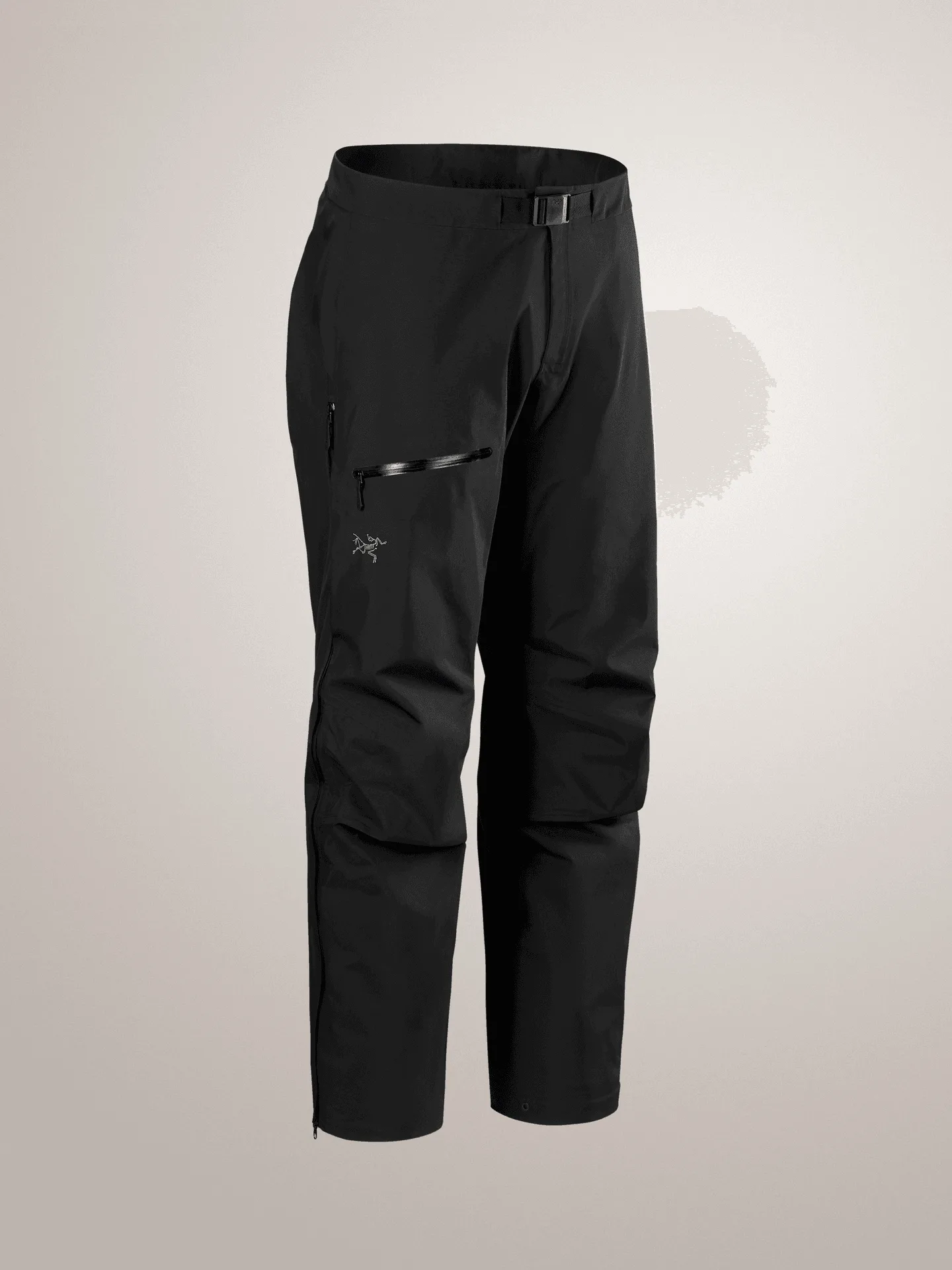
Beta Pant Men's
How to Layer for Winter Hiking
Follow these steps to build an effective layering system for your legs using a men's hardshell pant.
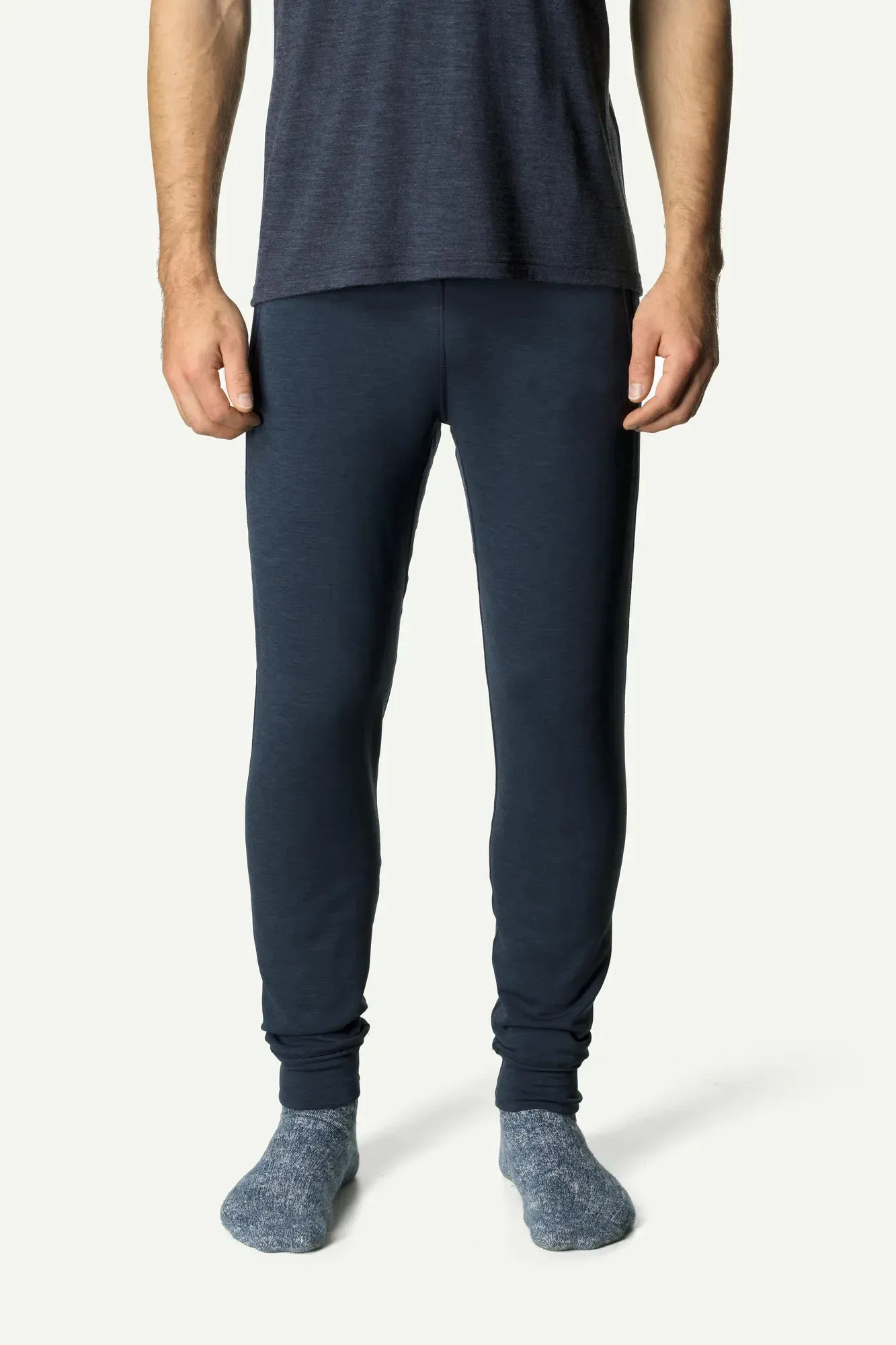
- Start with a moisture-wicking base layer: Choose a synthetic or merino wool long underwear that fits snugly. This layer moves sweat away from your skin, keeping you dry. Avoid cotton, which stays wet and cold.
- Add an insulating mid layer if needed: For very cold conditions (below freezing), a lightweight fleece or synthetic puffy over your base layer adds warmth. For active hiking, you may skip this and rely on the hardshell's breathability to regulate temperature.
- Put on your hardshell pants: Select a pant that fits over your base and mid layers without restricting movement. Both the Alpha SV Bib and Beta Pant have articulated knees and gusseted crotches for mobility. Adjust suspenders on the bib or use the belt system on the Beta Pant to secure the fit.
- Ventilate during high-output sections: Use the side zippers: the Alpha SV Bib has full-length separating side zippers with drop-seat functionality; the Beta Pant has 3/4 length side ventilation zippers. Open them to dump heat and prevent sweat buildup.
- Adjust at rest stops: When you stop moving, close zippers and add a mid layer if you feel chilled. The bib's elasticized waist on the Alpha SV helps keep snow out, while the Beta Pant's full circumference belt system lets you fine-tune the fit over layers.
Trade-offs Between the Alpha SV Bib and Beta Pant
The Alpha SV Bib Pant is the heavier, more durable choice for severe alpine and climbing conditions. Its mid-rise elasticized bib, adjustable suspenders, and removable knee pads add warmth and protection but also weight and cost ($495). The Beta Pant is lighter, more packable, and less expensive ($186), making it ideal for less technical winter hiking. Both are fully waterproof and windproof, but the Alpha SV's 100D fabric is noticeably tougher against abrasion from rock or ice. If your winter hiking involves steep snow or mixed terrain, the bib's extra coverage and drop-seat are worth the weight. For mostly trail hiking, the Beta Pant's simplicity and lighter weight are a better fit.