Why a Vest Works as a Winter Hiking Layer
A women's insulated vest is one of the most versatile pieces you can add to your winter hiking kit. It keeps your core warm while leaving your arms free to move, which is exactly what you need when you're carrying poles, scrambling over rocks, or adjusting layers on the move.
The key is knowing where a vest fits in a layering system and when it works better than a full jacket. The PRELIGHT STRIDE VEST W from JACK WOLFSKIN is a good example of a lightweight, packable vest that can handle both cool starts and breezy ridgelines.
What the PRELIGHT STRIDE VEST W Offers
-
PRELIGHT STRIDE VEST W: The lightweight PRELIGHT STRIDE VEST adds comfort on both hot days and breezy ones. With breathable, cooling TEXASHIELD CORE fabric that also helps block wind, it's a super-packable layer to extend all your summer hikes. The TEXASHIELD CORE fabric balances breathability and wind resistance, so the vest can regulate temperature during active hiking while still cutting the chill on exposed sections.
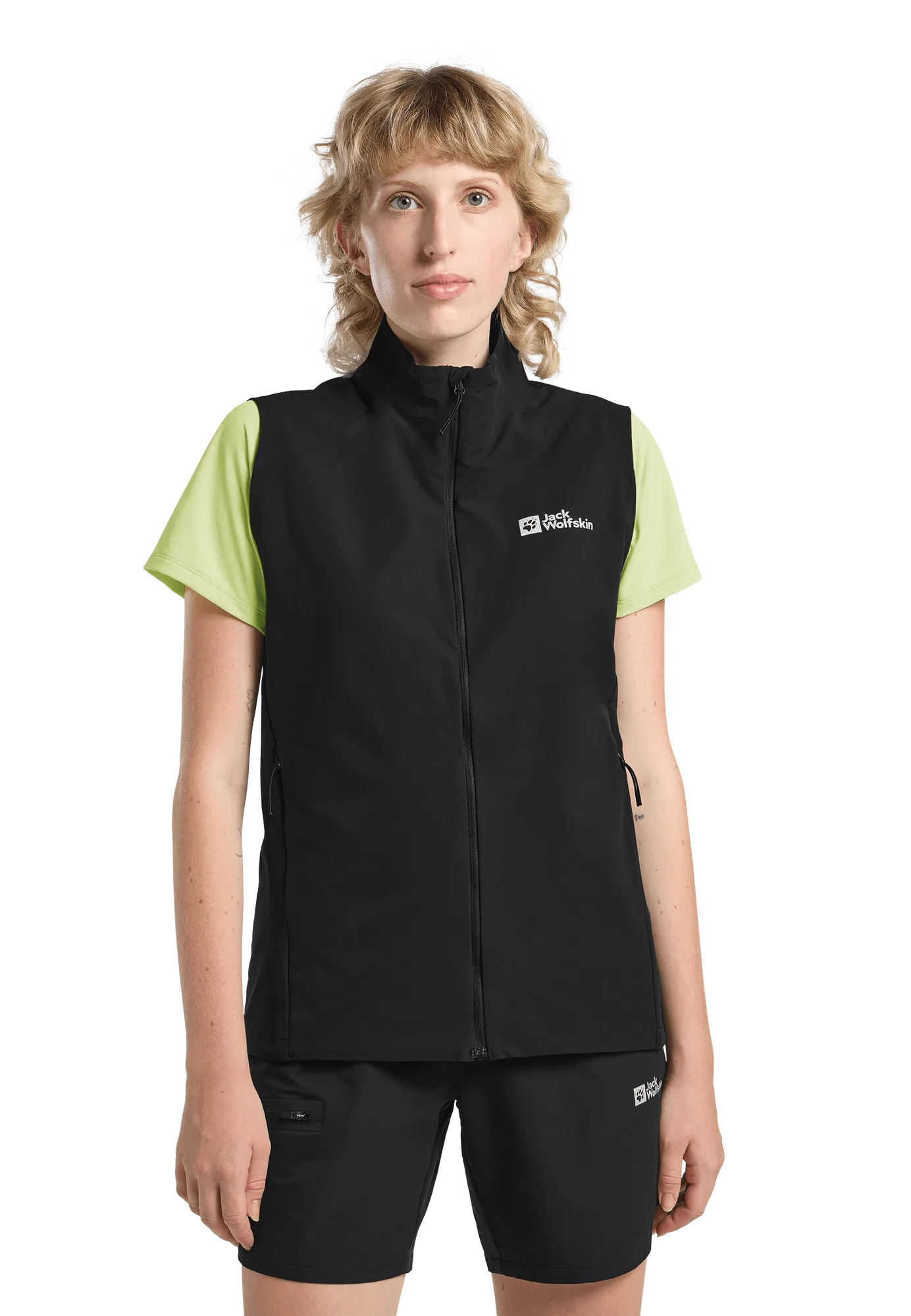
PRELIGHT STRIDE VEST W
The Basic Layering System for Winter Hiking
A standard winter hiking layering system has three roles: a moisture-wicking base layer next to your skin, an insulating midlayer to trap warmth, and a protective outer shell to block wind, rain, or snow. A vest can take the midlayer spot or occasionally replace the outer shell on a calm, dry day.
When you wear a vest as a midlayer, you pair it with a long-sleeve base layer underneath and a lightweight shell jacket over top. This setup lets you shed the shell during climbs and add it back on descents or windy breaks.
How to Layer the PRELIGHT STRIDE VEST W for Winter Hiking
Follow these steps to build a winter hiking layering system around a women's insulated vest.
- Start with a moisture-wicking base layer: Choose a long-sleeve synthetic or merino wool top that fits close but not tight. The vest will go over this layer, so the base should be thin enough to avoid bunching under the vest's armholes.
- Add the PRELIGHT STRIDE VEST W as your midlayer: The vest's lightweight, packable design means it won't add bulk. Its TEXASHIELD CORE fabric provides breathable insulation and wind resistance, making it ideal for variable conditions. Zip it up to trap core heat or leave it open for ventilation.
- Top with a waterproof or windproof shell: On windy or wet days, wear a hardshell or softshell jacket over the vest. The shell protects the vest from moisture and adds an extra wind barrier. On calm, cold days you can skip the shell and rely on the vest's wind-blocking fabric.
- Adjust layers as your activity level changes: During steep climbs, you may want to remove the shell or even the vest to avoid overheating. The vest packs small enough to stow in a daypack. On descents or breaks, add layers back to retain warmth.
When to Wear the Vest Alone vs. Under a Shell
The PRELIGHT STRIDE VEST W works well as an outer layer on mild winter days when the temperature is above freezing and the wind is light. Its wind-resistant fabric handles a breeze, and the vest's breathability prevents sweat buildup during active hiking.
When temperatures drop or wind picks up, layer the vest under a shell. The shell traps the vest's warmth and blocks stronger wind, while the vest continues to regulate temperature. This combination is especially useful for exposed ridgelines or afternoon wind shifts.
Fit and Sizing Considerations for Layering
The PRELIGHT STRIDE VEST W is available in sizes XS, S, and M. When layering, consider how the vest fits over your base layer and under your shell. If you plan to wear a thick fleece or midweight base layer, you may want to size up in the vest to avoid a tight fit under the arms.
The catalog does not confirm whether the vest runs true to size or has a slim or relaxed fit. For the best layering experience, try the vest with your typical base layer and shell to confirm the armholes and torso length work for your body.
What the Catalog Does Not Tell You
The supplied information does not include specific temperature ratings, thermal performance data, or care instructions for the PRELIGHT STRIDE VEST W. It also does not confirm whether the vest is machine washable or how it handles prolonged rain.
For care, follow the garment's sewn-in label. For thermal performance, treat the vest as a lightweight insulating layer that works best in cool to mild conditions, not as a standalone solution for deep winter cold.