Why Merino Wool Base Layers Work for Cold Cycling
A long-sleeve base layer is the foundation of your winter cycling outfit. Merino wool naturally traps insulating air, wicks moisture, and resists odor—making it ideal for rides where you sweat and cool down repeatedly. Café du Cycliste's Judith, Carmen, and Flore base layers each use merino-rich blends with specific design features that change how they layer.
Three Base Layers, Three Layering Roles
-
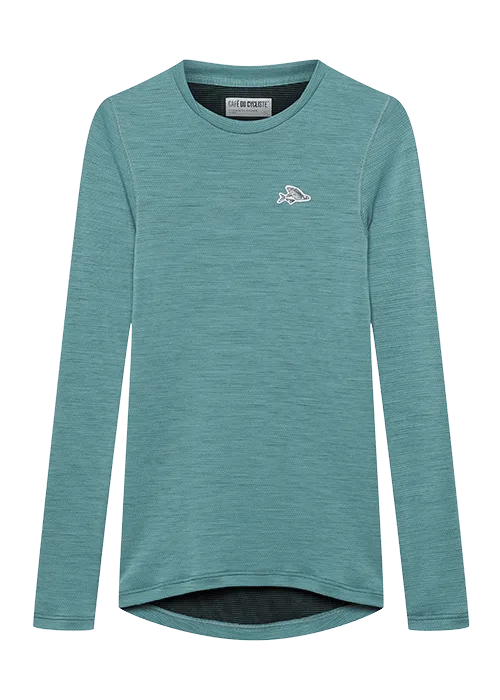
Judith: Judith has a structured front section that traps insulating air, while the back and arms provide outstanding wicking and moisture transfer. The front insulation and rear breathability make Judith a good choice for cold headwinds: you stay warm where the wind hits and dry where you sweat.
Judith
-
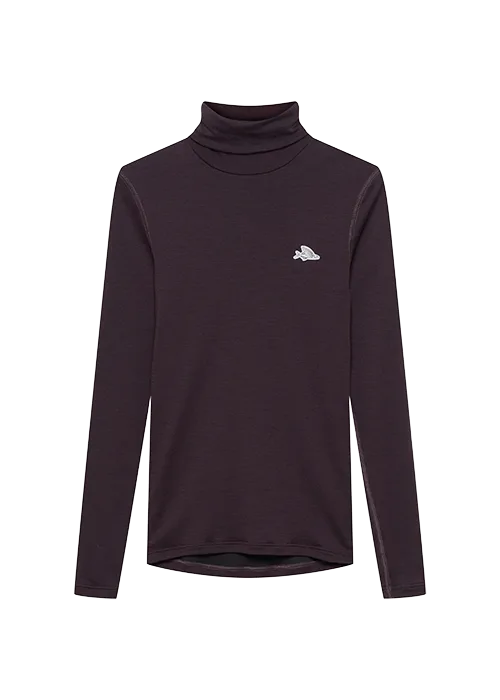
Carmen: Carmen’s structured front section traps insulating air, and advanced fabric technology returns heat absorbed by the yarn to the body. The back and arms provide outstanding wicking and moisture transfer. Carmen adds active heat return, which helps maintain core warmth during long, cold efforts. Its merino-rich blend is described as super soft to the skin.
Carmen
-
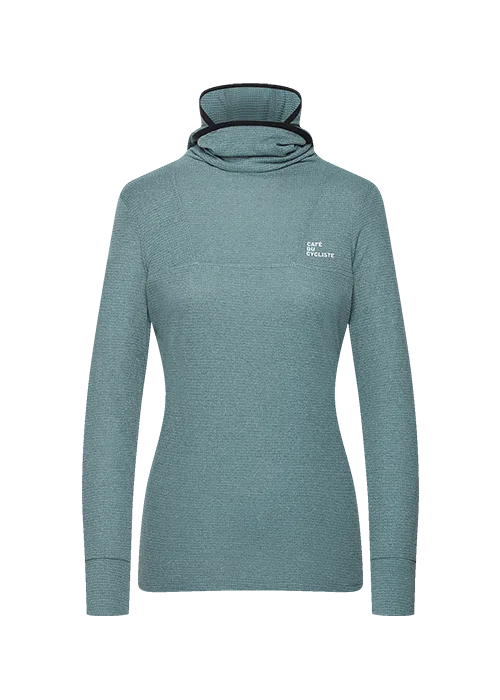
Flore: Flore is a technical hooded base layer with a medium-weight Italian fabric that features a waffle texture inside for rapid moisture evacuation and excellent stretch. It has a raised collar and hood, elasticated cuffs, and thumb holes. Flore’s hood and thumb holes provide extra coverage under a helmet and jacket, making it a versatile mid-layer that can be worn alone or under a jersey and shell.
Layering Sequence for Cold Rides
Start with a long-sleeve base layer against your skin. Over it, add a cycling jersey or mid-layer, then a windproof or waterproof jacket if needed. The base layer’s job is to manage moisture and provide the first layer of insulation.
- Choose your base layer based on temperature and effort: For very cold or windy rides, Judith or Carmen offer structured front insulation. For variable conditions where you may want to unzip or remove a layer, Flore’s hood and stretch fabric give you adaptable coverage.
- Fit the base layer snugly, not tightly: Merino blends stretch, but a base layer should be close to the skin without restricting movement. Flore’s fabric is described as having excellent stretch and flexibility, while Judith and Carmen are available in sizes XS–XL (Carmen also goes to XXL).
- Add a jersey or mid-layer over the base layer: A cycling jersey or lightweight fleece traps the air warmed by the base layer. Flore is described as versatile enough to be worn under t-shirts, cycling jerseys, and outerwear.
- Top with an outer shell for wind and rain: A windproof or waterproof jacket seals the system. The base layer continues to wick moisture away from your skin even under a shell, preventing clamminess.
What the Product Records Confirm—and What They Don’t
The supplied records confirm each base layer’s fabric technology, insulation zones, and moisture-wicking properties. They do not specify recommended temperature ranges, washing instructions, or compatibility with specific outerwear. For care, follow the garment label. For temperature guidance, start with your own experience: if you feel cold at the start, add a mid-layer; if you overheat, try a lighter base layer or less insulation.