Quick answer
Start with a thermal cycling base layer that fits close to the skin and moves sweat away from your body. Add an insulating mid-layer or jersey, then a windproof outer layer only if conditions demand it. Finish with a snood or neck warmer to seal the gap at your collar and extend warmth over your head when the temperature drops.
Why layering beats one thick jersey
A single heavy jersey traps sweat against your skin, so you feel clammy when you work hard and cold when you ease off. Layering lets you manage moisture and warmth separately. The base layer handles sweat, the mid-layer holds warmth, and the outer layer blocks wind or rain. You can remove or add a layer as your effort and the weather change, which keeps your core temperature steadier on long winter rides.
Choose the right base layer fabric and fit
For cold weather, pick a thermal base layer with a brushed or grid-back inner face that traps air without bulk. Synthetic fabrics or fine merino wool both wick well; avoid cotton because it holds moisture and stays wet. The fit should be snug but not restrictive, with no folds or bunching under your jersey. If you can pinch more than a centimetre of loose fabric at your chest, size down or try a different cut.
Add insulation with the right jersey or mid-layer
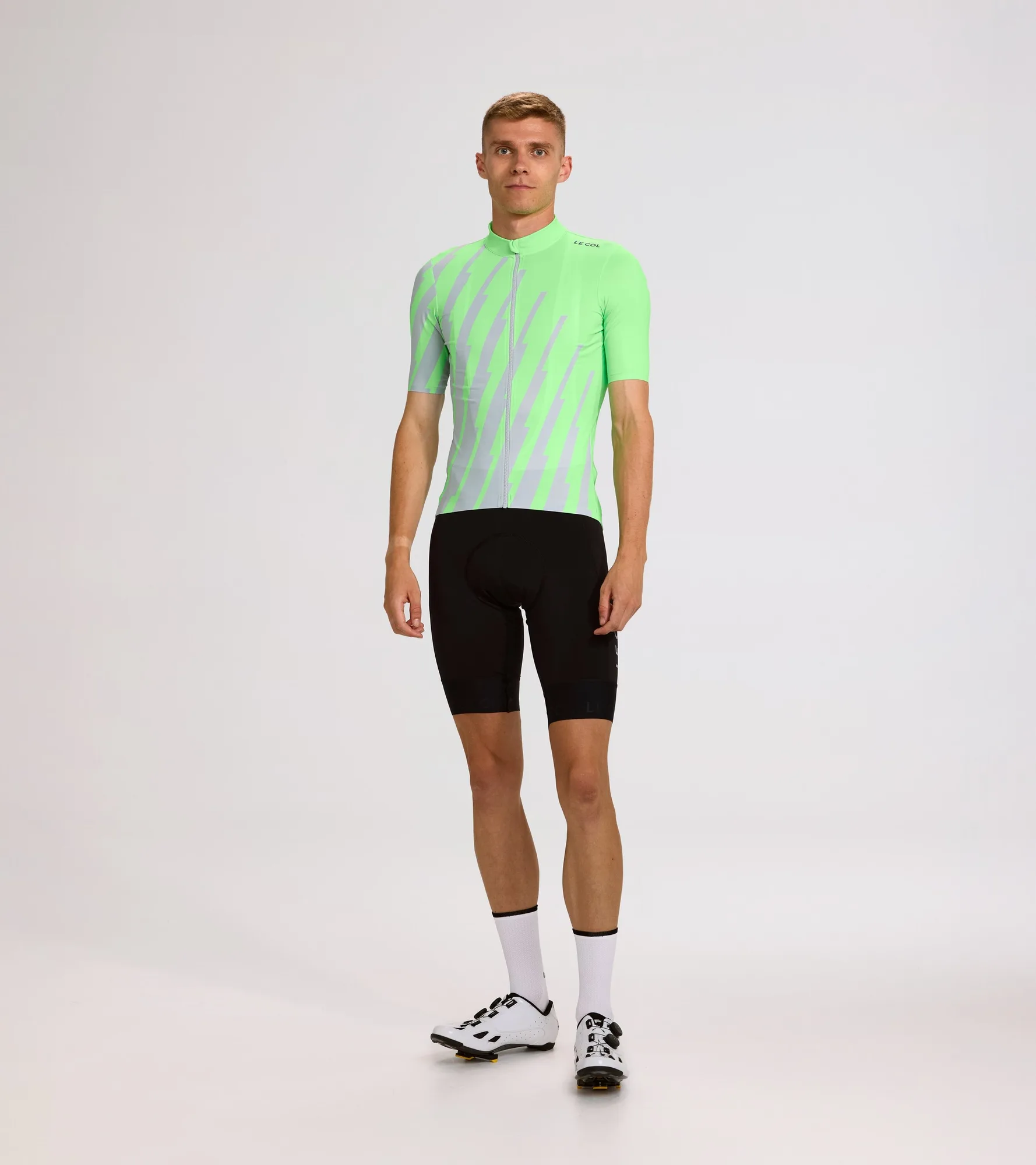
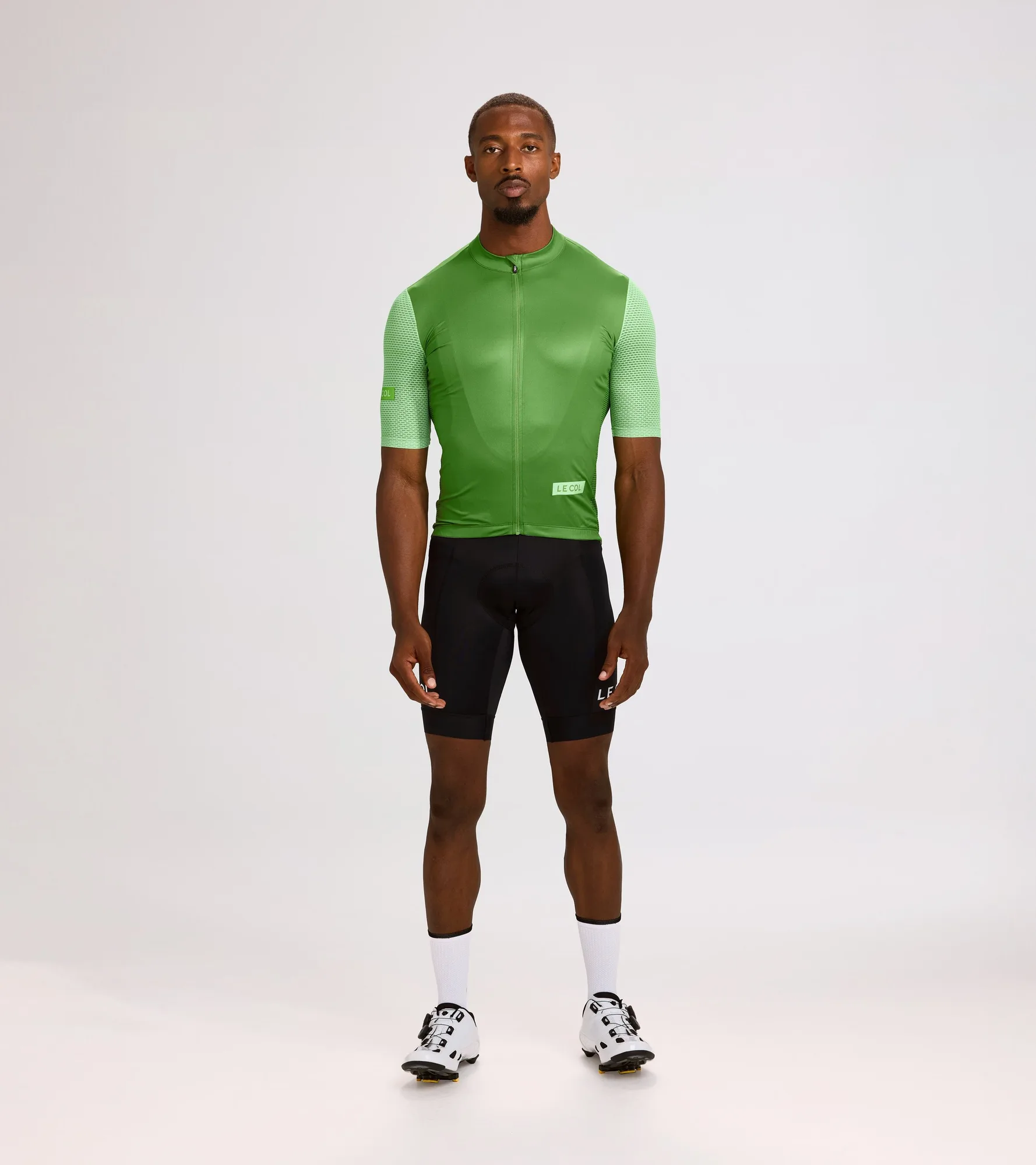
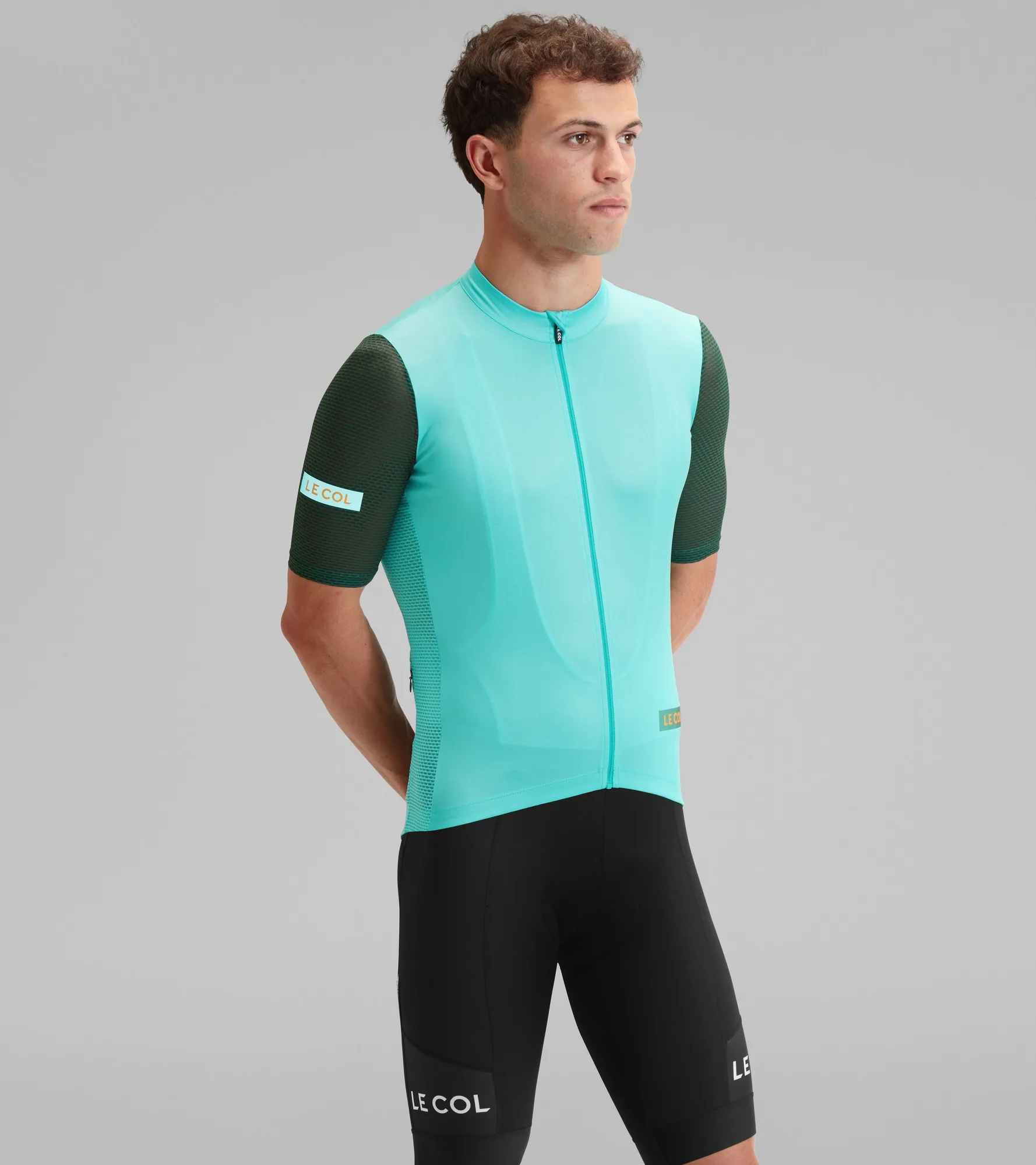
Your jersey or mid-layer is the insulation layer. In mild cold (around 8–12°C), a long-sleeve thermal jersey over a light base layer is often enough. When it drops below 5°C, switch to a heavier base layer or add a gilet. The Le Col https://lecols.com/products/sport-lightweight-jersey-ffa5520589160c1ba2fd4ae6-760562https://lecols.com/products/sport-lightweight-jersey-print-fc4f9e97fd75a87aacad52de-760566Sport Lightweight Jersey is designed for hotter days with mesh panelling, so it works better as a solo layer in warm conditions or as a mid-layer only if you run hot. The Women's https://lecols.com/products/pro-jersey-cfc68a7ca9c5b4252587457d-760567Pro Jersey is form-fitting with four-way stretch and fast-wicking fabric, making it a good choice for high-tempo rides where you want aerodynamics and moisture management without extra bulk.
Seal the gaps with a snood or neck warmer
Cold air finds the gap between your jersey collar and helmet. A snood like the Le Col Cycling Snood is shaped to your body with seams at the rear and raw-cut edges to prevent irritation. It keeps warmth in and cold out, and you can pull it up over your chin, ears, or head as conditions change. This is one of the simplest upgrades for winter comfort because it adds warmth exactly where you need it without adding a full layer.
Step-by-step layering process
- 1. Check the temperature and your effort level: Match your layers to the expected temperature and how hard you plan to ride. A common mistake is dressing for the first five minutes standing still, which leads to overheating once you start. Checkpoint: if you feel warm before you set off, you are probably overdressed. Aim to feel slightly cool for the first ten minutes.
- 2. Put on a thermal base layer next to your skin: Choose a close-fitting thermal base layer that wicks sweat. Avoid cotton and any layer that bunches. Common mistake: wearing a loose base layer that folds under your jersey and causes chafing. Checkpoint: the base layer should touch your skin everywhere without restricting movement. If it wrinkles, size down or try a different cut.
- 3. Add an insulating jersey or mid-layer: Pull on a jersey that suits the conditions. For mild cold, a long-sleeve thermal jersey works; for very cold, add a gilet or a second thin layer. Common mistake: choosing a lightweight summer jersey as your only insulation in winter. Checkpoint: you should feel warm but not sweaty when you step outside. If you are unsure, bring a packable gilet rather than wearing a thicker jersey.
- 4. Cover your neck and head with a snood: Add a snood or neck warmer to block cold air at the collar. You can pull it up over your chin, ears, or head as needed. Common mistake: leaving a gap between your jersey and helmet. Checkpoint: the snood should sit smoothly under your jersey collar without pressure points. Adjust it as you ride; a snood is easy to move even with gloves on.
- 5. Add a windproof or waterproof outer layer if needed: Only add a shell if it is windy or wet. Otherwise, you risk trapping sweat. Common mistake: wearing a fully waterproof jacket on a dry but cold day, which can feel clammy. Checkpoint: if you feel damp inside after 20 minutes, remove the shell or open the vents. A shell is for wind and rain, not for extra warmth.
- 6. Test and adjust before you commit to the full ride: Roll around your neighbourhood for five minutes and reassess. Unzip your jersey or remove a layer if you are overheating. Common mistake: ignoring early signs of overheating because you do not want to stop. Checkpoint: your core should feel comfortably warm, not hot or cold. It is easier to add a layer than to cool down once you are sweaty.
Product facts
- Snood: The Le Col Cycling Snood is an evolution of the classic neck warmer, shaped in line with your body with seams to the rear and raw cut edges to remove all chances of irritation. The shaped fit and rear seams reduce bulk and rubbing, so you can wear it all ride without adjusting.
- Womens Pro Jersey: The Women's Pro Jersey is engineered with a superior fast-wicking fabric that pulls sweat away from your body, and its form-fitting four-way stretch optimises aerodynamics while allowing freedom of movement in an aggressive race position. This jersey works as a mid-layer for high-tempo winter rides when you want moisture management and an aerodynamic fit without extra fabric flapping.
- Sport Lightweight Jersey: The Sport Lightweight Jersey has a relaxed fit with mesh panelling on the sides, rear pockets, and cuffs, plus a silicone hem gripper and three pockets with an extra fourth waterproof zipped pocket. The mesh panels vent heat, so this jersey is best for milder cold or as a solo layer when you run warm; the waterproof pocket protects a phone or card from road spray.