Quick Answer
For cold weather camping, build your bedding in four layers: a closed-cell pad or high-R mattress on the ground, a fitted sheet to stop drafts, a quilt or sleeping bag rated for the temperature, and a pillow plus hood or balaclava for your head. The order matters more than the brand. Insulation goes below you first, then around you, then over your face.
Cold weather camping fails for one predictable reason: heat escapes through the ground or through gaps, not through the top of your bag. Layering bedding is how you seal those gaps without buying a heavier quilt. Think of your sleep system as a stack, not a single product.
This guide walks through the order to build that stack, from the ground up. It applies whether you sleep in a mummy bag, a quilt, or a full bed bundle. Each step includes a checkpoint so you can tell whether the layer is actually working before you commit to it.
Start With the Ground, Not the Bag
The first layer is your mattress or pad. Cold ground pulls heat out of your body faster than cold air, so ground insulation does more work than most campers expect. A pad with a low R-value will leave you cold no matter how warm your quilt is. If you already own a summer pad, add a closed-cell foam pad underneath it before you upgrade the bag.
Checkpoint: lie on your setup for two minutes before bed. If your hip or shoulder feels cold through the pad, add a layer. If it feels neutral, the ground layer is doing its job.
- A mattress with a higher R-value is the single biggest upgrade for cold nights.
- Two thin pads often beat one thick pad because the foam blocks conductive heat loss.
Add a Sheet to Control Drafts
A sheet is the layer most campers skip, and it is the one that stops the cold air that sneaks in when you roll over. On a quilt system, the sheet attaches to the mattress and creates a sealed sleeping surface. On a traditional bag, a sheet liner adds a small amount of warmth and keeps your bag cleaner.
Checkpoint: tuck the sheet edges under the mattress on all sides. If air can reach your lower back, the sheet is not fitted correctly.
- Fit the sheet tight; loose fabric creates air gaps that feel cold.
- A sheet also protects the mattress from body oils and extends its life.
Choose Your Main Insulation Layer
Your quilt or sleeping bag is the core of the system. For cold weather, pick a temperature rating about 10°F below the lowest temperature you expect. That buffer covers fatigue, damp clothing, and the fact that ratings assume a warm sleeper on a good pad. Down packs smaller and lasts longer; synthetic handles damp conditions better.
Checkpoint: check the fit around your shoulders and neck. If you can slide a hand between your neck and the bag, cold air will find that gap at 3 a.m.
- If you sleep cold, size up rather than down on temperature rating.
- A quilt with a draft collar or a bag with a hood seals the neck opening.
Seal the Head and Face
Your head radiates a lot of heat, and it is the hardest area to insulate without feeling suffocated. A hooded bag handles this automatically. With a quilt, add a balaclava or a dedicated hood. A pillow keeps your head off the cold mattress and positions your face so the hood stays in place.
Checkpoint: breathe out and feel where the warm air goes. If it escapes around your neck instead of staying near your chest, tighten the hood or add a neck gaiter.
- A pillow is comfort, but it also lifts your head so the hood seals properly.
- Never bury your face inside the bag; condensation will wet the insulation.
Manage Moisture and Adjust Through the Night
Cold weather bedding works only if it stays dry. Body moisture condenses inside the bag if you wear too many layers to bed. Wear one thin base layer, let the insulation do the work, and vent if you wake up sweaty. A damp bag loses most of its insulating power.
Checkpoint: if you wake up chilled at 2 a.m., add a layer on top rather than wearing more inside. An extra quilt or a jacket draped over the bag adds warmth without trapping moisture against your skin.
- Vent the footbox or unzip slightly if you overheat early in the night.
- Keep a dry layer in your bag so you have something warm to put on in the morning.
Your Cold Weather Bedding Layering Steps
- Step 1: Insulate the ground: Place your highest-R mattress or pad directly on the tent floor. If you only have a summer pad, add a closed-cell foam pad underneath it. Checkpoint: press your hip into the pad. If you feel cold rising through, add a layer before you sleep.
- Step 2: Fit a sheet to the mattress: Attach a sheet that seals to your mattress on all sides. This stops the drafts that wake you when you roll over. Checkpoint: run a hand along the edges. Any loose fabric or exposed mattress edge means cold air can reach your back.
- Step 3: Add your main quilt or bag: Use a quilt or sleeping bag rated about 10°F below the forecast low. Down for dry cold, synthetic for damp conditions. Checkpoint: seal the neck opening. If a hand fits between your neck and the insulation, tighten the draft collar or hood.
- Step 4: Cover your head and face: Use a hooded bag, or add a balaclava or hood with a quilt. A pillow lifts your head so the hood stays in place. Checkpoint: exhale and feel for escaping warm air. If it leaks around your neck, add a neck gaiter.
- Step 5: Wear one thin base layer: Sleep in a single thin layer. Extra clothing traps moisture inside the bag and reduces insulation performance. Checkpoint: if you wake up sweaty, vent the bag or footbox. If you wake up cold, add a quilt or jacket on top, not more clothing inside.
Products That Fit This Layering Approach
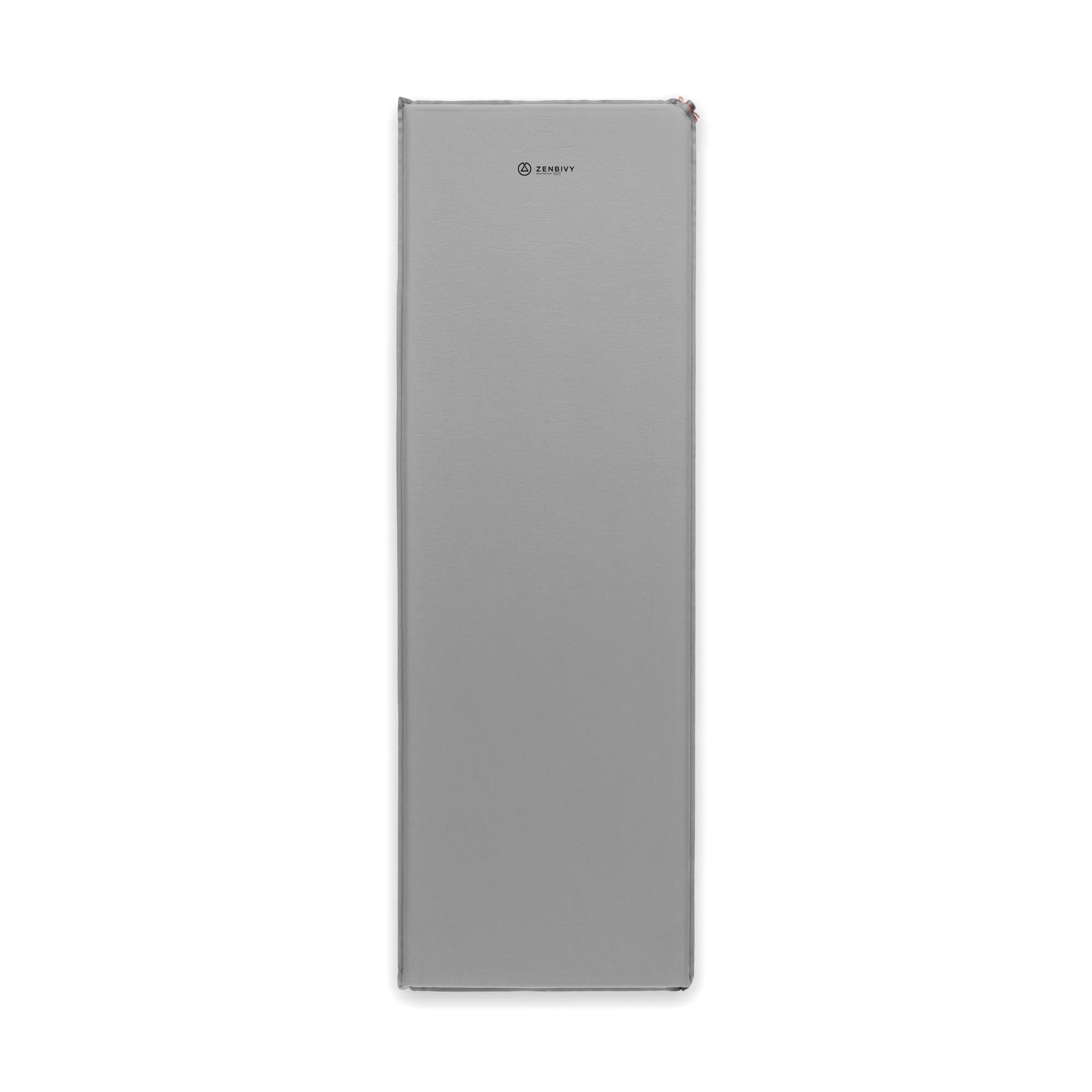
- Base Mattress: The Base Mattress is described as a tried and true camp mattress that will give you a good night's sleep no matter where you are. It works as the ground layer in a simple cold weather setup, especially when paired with a foam pad underneath for extra insulation.
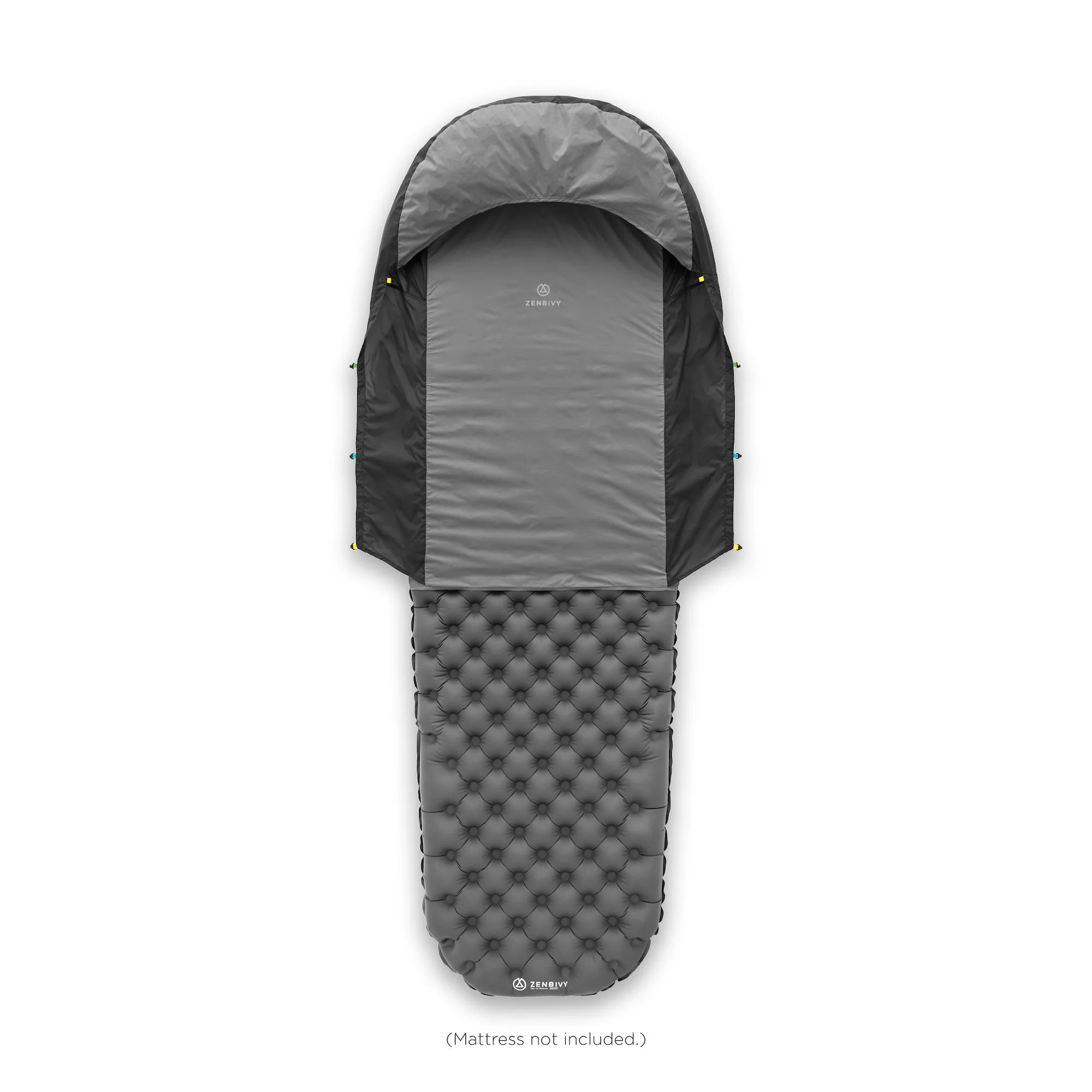
- Fast Sheet: The Fast Sheet is built for minimalist, ultralight backpackers, designed to block drafts while allowing total freedom of movement, and pairs with any Zenbivy quilt. It starts at just 3 ounces. It adds draft control without meaningful weight, which is exactly what you want in the middle layer of a cold weather sleep system.
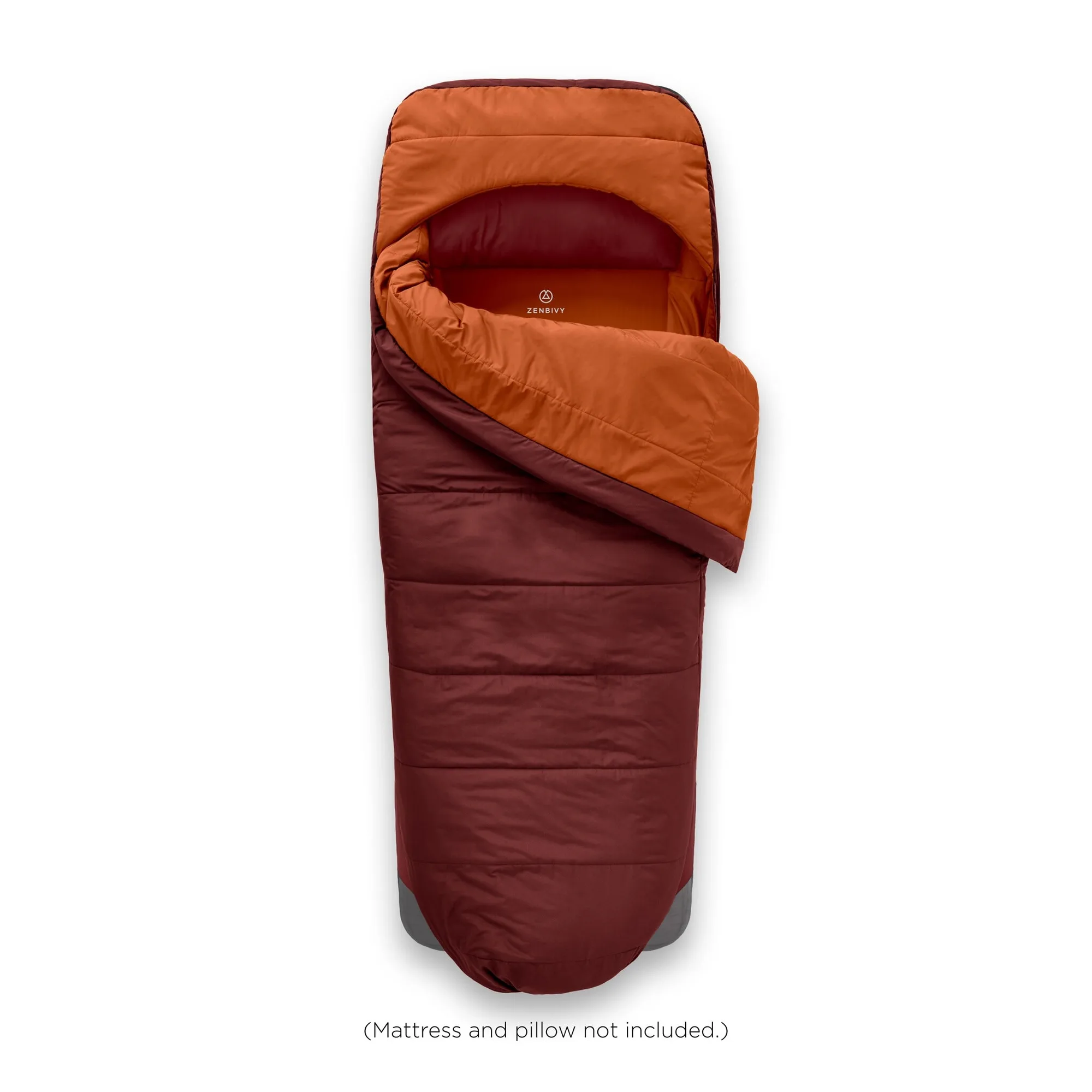
- Overland ZipBed: The Overland ZipBed is optimized for car camping, built with soft 50D Pongee fabrics, and features a wide, fully rectangular zippered convertible quilt and a universal-fit sheet that adapts to virtually any car camping mattress. For cold weather car camping, the rectangular quilt gives you room to layer underneath and the universal sheet keeps the system sealed to your mattress.
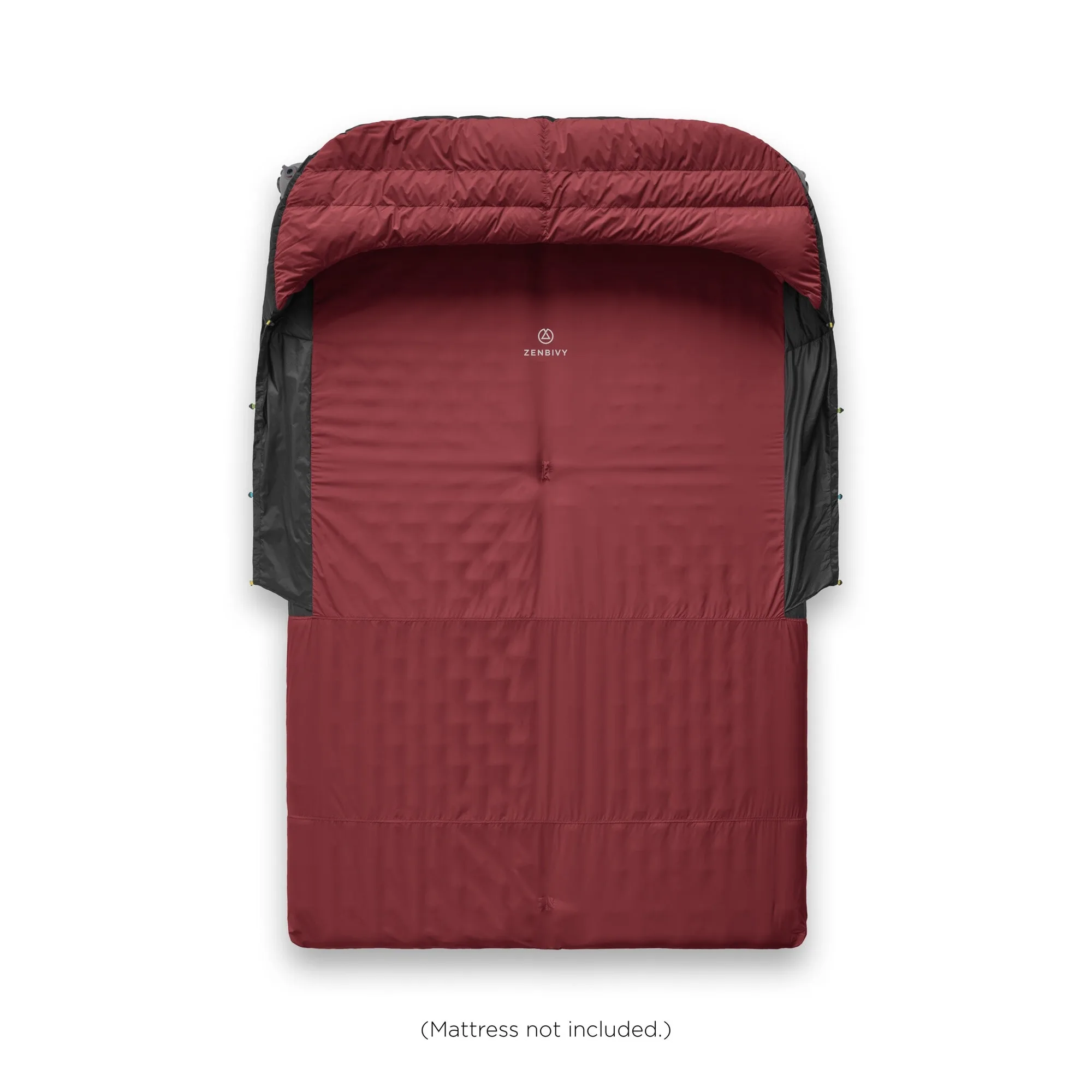
- Light Double Sheet: The Light Double Sheet securely joins two mattresses, blocks drafts, insulates your head, and delivers ultralight comfort with its soft 25D Pongee lining, designed for backpacking couples. Couples who sleep cold can share body heat, but only if the sheet joins the mattresses and blocks the gap between them. This layer does both.
Cold weather camping bedding is a stack, not a single purchase. Get the ground layer right, seal the drafts with a sheet, match your quilt to the forecast, and cover your head. Adjust through the night instead of toughing it out. That approach keeps you warm with the gear you already own.