Quick answer
For a heavy wetter, layer a fast-absorbing insert on top of a slower, more absorbent insert inside the pocket. A bamboo terry insert or prefold works well as the top layer, while a hemp or bamboo insert underneath holds the liquid long-term. This two-layer approach boosts absorbency without bulk and helps stop leaks, especially overnight.
Why layering works better than one thick insert
A single thick insert can press liquid back out under pressure, causing leaks. Layering lets each layer do a different job: the top layer absorbs quickly, and the bottom layer stores liquid. This is especially important for heavy wetters who flood the diaper all at once. By combining a fast absorber with a high-capacity one, you get better performance than using either alone. For pocket diapers, the insert stack goes inside the pocket, so the stay-dry lining stays against the skin. If you use covers, you can lay the inserts directly against the skin or use a liner on top for easy cleanup.
Choose the right insert materials for each layer
Bamboo and hemp are popular for heavy wetters because they absorb a lot relative to their thickness. Microfiber absorbs fast but can release liquid under pressure, so it works best as a top layer in a pocket, never directly against the skin. For the bottom layer, choose a slower but higher-capacity material like hemp or a bamboo prefold. Avoid using two microfiber inserts together, as they can cause compression leaks. If you are unsure, start with one bamboo insert on top and one hemp insert underneath. You can adjust from there based on how wet the diaper is after a normal wear time.
Adjust the number of layers to your baby's output
More layers are not always better. Too many inserts can make the diaper bulky, cause gaps at the legs, and actually increase leaks. Start with two layers for daytime and add a third only if the diaper is soaked through within two hours. For nighttime, you may need three layers or a combination of a prefold and a booster. Always check the fit after adding layers: the diaper should still be snug at the waist and legs, with no gaps. If the diaper becomes too bulky, try a more absorbent material instead of adding another insert.
Test and troubleshoot leaks
If leaks continue, check the fit first. A diaper that is too loose or too tight can leak even with enough absorbency. Next, check for compression leaks: if the diaper is soaked but the insert is not fully saturated, the issue may be that the insert is being squeezed. Try a different material combination, such as putting a hemp insert on top of a bamboo one. Also, make sure the inserts are fully prepped before use. Natural fibers like bamboo and hemp need several washes to reach full absorbency. If you are still struggling, consider adding a stay-dry liner on top to wick moisture away from the skin, which can help with comfort and reduce the chance of rash.
Steps to layer inserts for a heavy wetter
- Start with a clean, prepped diaper: Make sure your pocket diaper is clean and dry. If you are using new natural fiber inserts, wash them 3-5 times before first use to remove oils and increase absorbency. Checkpoint: inserts should absorb a few drops of water quickly before you rely on them.
- Place the fast-absorbing insert on top: Lay a bamboo or microfiber insert closest to the pocket opening. This layer will catch the initial flood of urine quickly. Mistake to avoid: putting microfiber directly against the skin, which can cause dryness and irritation.
- Add the high-capacity insert underneath: Place a hemp or bamboo insert below the first one. This layer holds liquid for longer periods and prevents it from pressing back out. Checkpoint: the stack should be no thicker than the pocket opening allows; if it bulges, remove a layer or switch to a thinner insert.
- Stuff the pocket and smooth the layers: Insert the stack into the pocket, making sure both inserts lie flat and reach the ends of the diaper. Smooth out any bunching. Mistake to avoid: leaving inserts bunched at one end, which creates gaps and leaks.
- Test the fit and adjust: Put the diaper on your baby and check the waist and leg gaps. You should be able to fit two fingers under the waistband. If the diaper is too bulky, remove a layer or use a more absorbent material. Checkpoint: no red marks on the skin and no gaps at the legs.
- Monitor and tweak: After a normal wear time, check how wet the diaper is. If it is soaked through, add another layer or switch to a more absorbent combination. If it is only slightly wet, you may be over-layering. Next step: keep a log of what works for daytime and nighttime so you can adjust as your baby's output changes.
Product facts
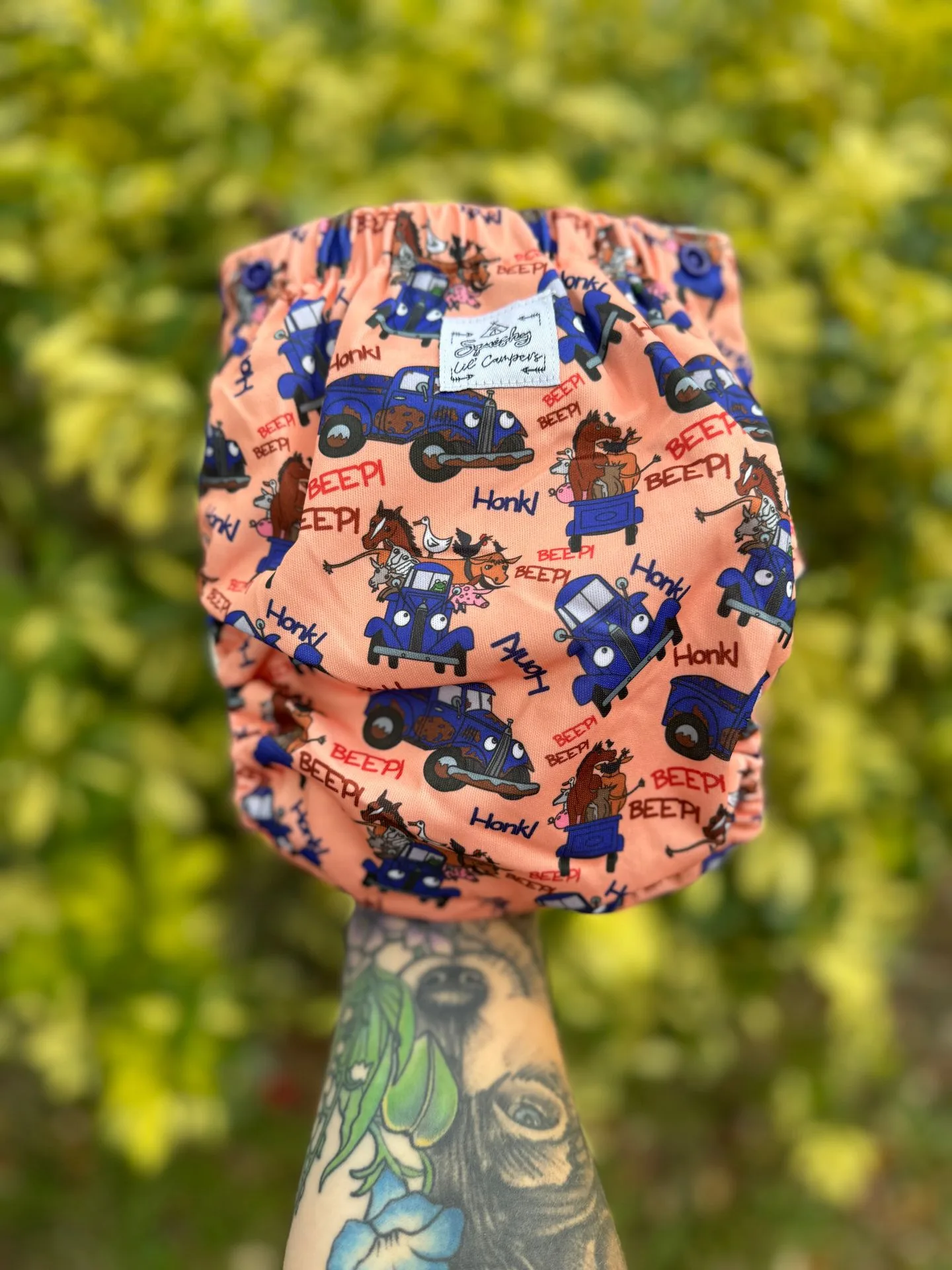
- Beep Beep-Trainer (old style): Beep Beep-Trainer (old style) is lined with bamboo terry, comes pre-padded with 3 layers of bamboo, and fits roughly 12-50lbs. Bamboo terry is a fast absorber, so this trainer can serve as a top layer or a standalone daytime option for heavy wetters within that weight range.
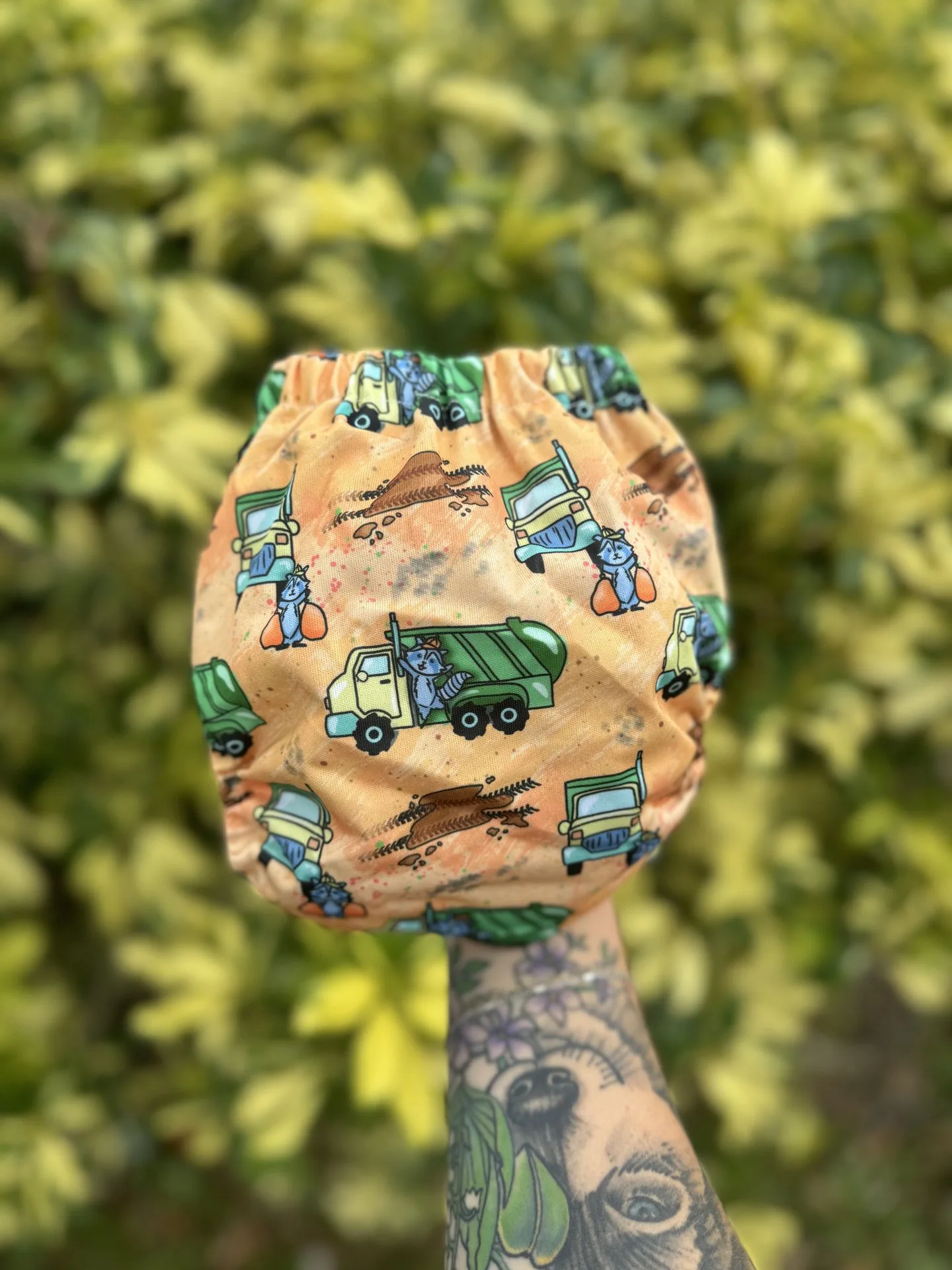
- Trash Panda-OS Pocket: Trash Panda-OS Pocket fits babies approximately 8-35 lbs and has a wide pocket opening 5cm. The wide opening makes it easier to stuff multiple inserts for a heavy wetter, and the size range covers many babies who need boosted absorbency.
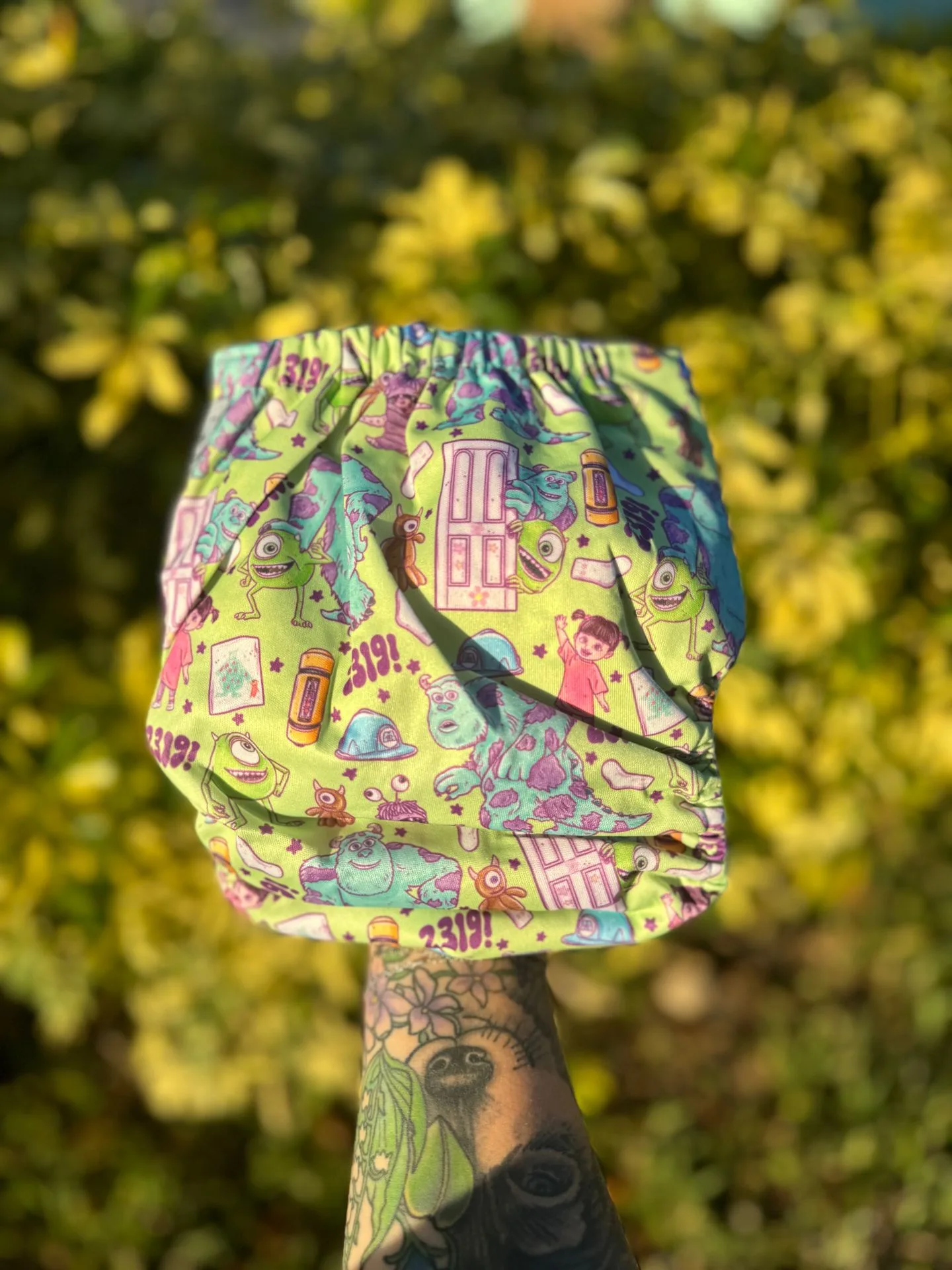
- 2319-XL Pocket: 2319-XL Pocket fits babies/young children approximately 10-70lbs and has a wide pocket opening 5cm. The larger size range means you can continue layering inserts as your child grows, and the wide opening simplifies adding boosters for nighttime.