Quick answer
Layering a cooling comforter over a duvet insert for fall works best when you use a lightweight, breathable duvet insert as the base and a cooling comforter as the top layer. This combination lets you add warmth without trapping heat, so you can adjust for shifting fall temperatures. Start with a duvet cover set that has interior ties to keep the insert from shifting, then add the cooling comforter on top.
Fall weather swings from warm afternoons to chilly nights, which makes a single heavy comforter feel like overkill. Layering a cooling comforter with a duvet insert gives you a flexible setup you can adjust night by night. The key is to treat the duvet insert as your warmth base and the cooling comforter as your breathable top layer.
This guide walks through the exact steps to build that layer without overheating. You will also see which Bedsure products fit the job, including a reversible floral print duvet cover set and an organic cotton duvet cover set, and how to avoid the most common layering mistakes hot sleepers make in fall.
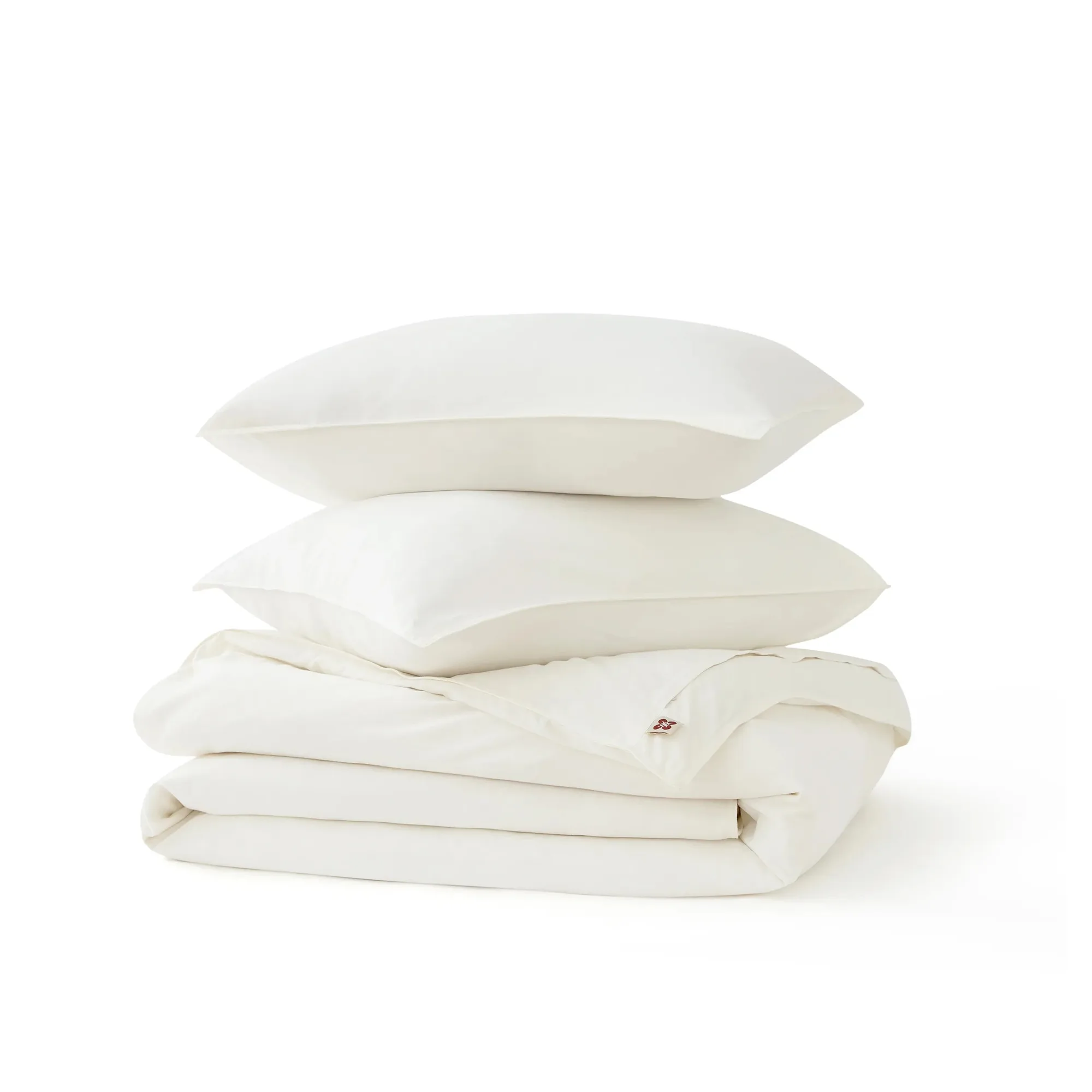
organic cotton duvet cover set
Why layer a cooling comforter with a duvet insert in fall
A duvet insert and comforter together give you two tools instead of one. The insert provides consistent loft and warmth, while a cooling comforter on top adds a light, breathable layer you can fold back when the room warms up. For hot sleepers, this is often more effective than switching to a single mid-weight comforter, because you can remove one layer without stripping the bed.
Fall bedding layering also protects your insert. A duvet cover set keeps the insert clean and lets you change the look of the bed without replacing the whole setup. If you already own a cooling comforter, adding a breathable duvet insert underneath is a low-cost way to extend its use into cooler months.
- Check your current comforter weight: if it feels heavy on its own, it may not need an insert underneath.
- A duvet cover with interior ties prevents the insert from bunching at the corners.
Step 1: Choose the right duvet cover set as your base
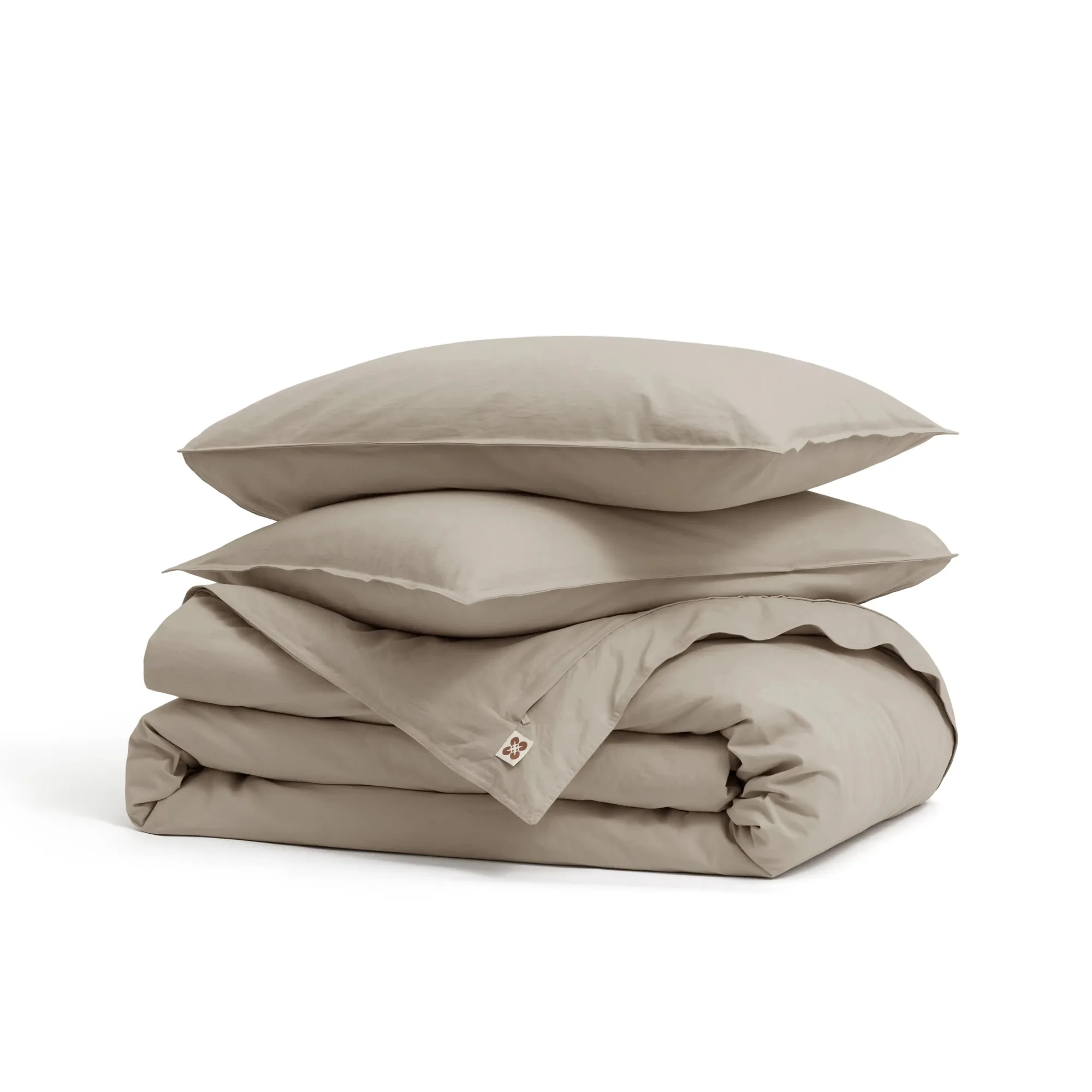
The duvet cover is the foundation of the layer because it holds the insert and touches your skin. Look for a cover with interior corner ties and a secure closure. The Bedsure Organic Cotton Duvet Cover Set uses 100% organic Turkish Aegean long-staple cotton, garment-washed and gently brushed, with 8 interior ties and a smooth zipper closure. That tie count matters: more ties mean less shifting when you add a comforter on top.
If you want a linen-like texture that breathes well, the Bedsure Slub Cotton Duvet Cover Set is made from 100% premium cotton with a slub weave. It also has eight inner corner ties and discreet top-corner side openings for inserting or adjusting the duvet. Either cover works for fall layering, but pick one with ties you can actually reach without wrestling the whole bed.
- Mistake to avoid: skipping the cover and putting a comforter directly over a bare insert. The insert will slide and the comforter will not sit flat.
Step 2: Pick a breathable duvet insert, not the heaviest one
For transitional season bedding, a lightweight or all-season breathable duvet insert is the right call. You want enough loft to cushion the comforter above it, but not so much that the bed becomes a heat trap. If your insert is labeled heavy or winter-weight, it will fight the cooling comforter and you will wake up overheated.
A practical test: lay the insert flat on the bed and place your hand under it. If you feel heat building within a minute, it is too warm to pair with a cooling comforter for fall. In that case, use the insert alone on the coldest nights and save the cooling comforter for milder ones.
- Checkpoint: the insert should feel airy, not dense, when you compress it with your palm.
Step 3: Add the cooling comforter as the top layer
Place the cooling comforter over the covered duvet insert, aligning the top edges at the head of the bed. Do not tuck it in tightly at the foot if you are a hot sleeper; leaving the sides and foot loose lets heat escape. If your cooling comforter has a directional cooling side, make sure that side faces up toward you.
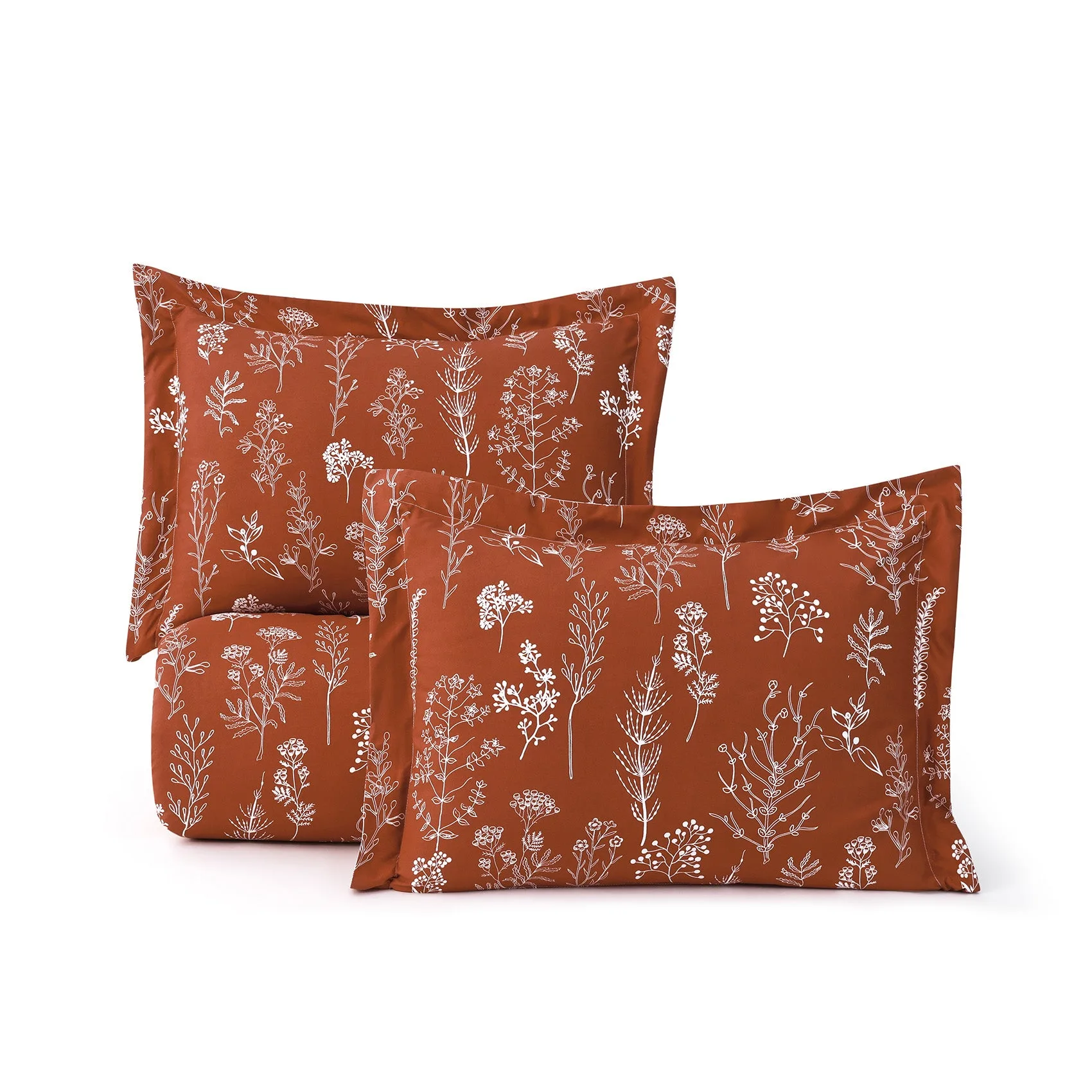
The Bedsure Reversible Floral Print Duvet Cover Set is not a comforter itself, but it shows the kind of brushed, skin-friendly finish that works well under a cooling layer. Its fabric is brushed over 12 times during production for an ultra-delicate touch and is free of creaky sounds, which helps when you are adjusting layers in the middle of the night.
- Mistake to avoid: tucking the cooling comforter under the mattress. That traps air and defeats the purpose of a breathable top layer.
Step 4: Adjust nightly based on temperature swings
Fall nights can start cool and end warm. Build your bed so you can remove the cooling comforter without dismantling the whole setup. Fold it down to the foot of the bed if you get warm, then pull it back up if you wake up chilled. This is the main advantage of hot sleeper layering: you get micro-adjustments instead of one fixed weight.
If you share a bed with someone who runs cold, use two separate cooling comforters or a larger size so each person can manage their own side. A king cooling comforter on a queen bed gives extra drape and reduces tugging.
- Checkpoint: if you wake up sweaty two nights in a row, remove the duvet insert and use only the cooling comforter.
Common layering mistakes to skip
The biggest mistake is treating the cooling comforter as a replacement for the duvet insert rather than an addition. They do different jobs: the insert provides loft and warmth, the comforter provides a breathable, removable top layer. Another mistake is using a waterproof or non-breathable mattress protector, which can trap heat from below and undo the benefit of a breathable duvet insert.
Also avoid stacking a heavy quilt or weighted blanket on top of the cooling comforter. That adds pressure and heat, which is the opposite of what a hot sleeper needs in fall. If you want extra warmth at the foot of the bed, add a folded throw blanket there instead of over your torso.
- Keep the layer order: fitted sheet, breathable duvet insert inside a duvet cover, then cooling comforter on top.
Fall layering steps at a glance
- Start with a tied duvet cover: Put your breathable duvet insert inside a duvet cover that has at least eight interior ties, like the Bedsure Organic Cotton Duvet Cover Set. Checkpoint: shake the cover gently. If the insert stays in place, you are ready for the next layer.
- Choose a lightweight insert: Use an all-season or lightweight breathable duvet insert, not a heavy winter one. The insert is your warmth base, not your only warmth. Mistake to avoid: using a heavy insert and then wondering why the cooling comforter is not keeping you cool.
- Add the cooling comforter on top: Lay the cooling comforter over the covered insert and leave the sides and foot loose so heat can escape. Checkpoint: if the comforter feels trapped or clammy, untuck it further.
- Adjust nightly, not seasonally: Fold the cooling comforter down when you are warm and pull it back up when you are cool. Keep a lighter throw at the foot for extra warmth without full coverage. If you still overheat, remove the duvet insert for a few nights and use only the cooling comforter.
Bedsure products that fit this layering setup
- Organic Cotton Duvet Cover Set: Made from 100% organic Turkish Aegean long-staple cotton, garment-washed and gently brushed, with 8 interior ties and a smooth zipper closure. The eight ties keep your breathable duvet insert from shifting when you add a cooling comforter on top, and the cotton breathes well for fall.
- Slub Cotton Duvet Cover Set: 100% premium cotton with a slub weave, discreet top-corner side openings, and eight inner corner ties. The linen-like texture adds breathability and the side openings make it easier to insert or adjust your duvet without fully removing the cover.
- Reversible Floral Print Duvet Cover Set: Brushed over 12 times during production for an ultra-delicate, skin-friendly touch and free of creaky sounds. A quiet, soft cover under your cooling comforter reduces nighttime noise and feels comfortable against skin for hot sleepers.
Layering a cooling comforter with a duvet insert for fall is about flexibility, not extra weight. Use a breathable insert inside a tied duvet cover, add the cooling comforter as a loose top layer, and adjust nightly as temperatures shift. For hot sleepers, that combination often beats a single heavy comforter for transitional season bedding.