Quick answer
Layer your dog's jackets by starting with a close-fitting fleece base layer for warmth, then adding a weather-resistant shell on top when it is windy, wet, or below your dog's comfort zone. Check the fit at the neck, chest, and leg openings before every outing, and remove a layer if your dog pants, slows down, or tries to bite at the jacket.
Why layering beats one thick dog jacket
A single heavy jacket is either too warm for the first ten minutes or too thin once the wind picks up. Two thinner layers let you adjust on the move: the base layer traps body heat, and the outer layer blocks wind, rain, and trail debris. This matters most for active dogs because exercise generates heat, and a dog that overheats in a bulky coat may slow down or refuse to move. Layering also lets you use the same fleece on dry cold days and add a shell only when the weather turns.
Match the layer to the weather, not the calendar
Temperature alone is a poor guide. A 35°F dry morning with no wind feels different from a 35°F morning with 15 mph wind and wet trails. Use the base layer for dry cold, add the shell for wind or precipitation, and drop the base layer if your dog runs hot. Short-coated, senior, or small dogs usually need more insulation than double-coated breeds. If your dog has a thick double coat and is moving continuously, a shell alone may be enough.
Choose the right base layer for warmth
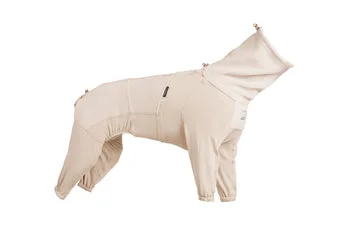
The base layer should sit close to the body without compressing the coat. Fleece is a good default because it is soft, insulating, and low-bulk. An overall-style fleece covers the chest and belly, which helps on cold trail days when wind hits the underside of the dog. Avoid cotton, which holds moisture and loses insulation when wet. If your dog has sensitive skin, check the inner seams and avoid rough zippers or hardware that can rub during a run.
Add a shell layer for wind, rain, and trail debris
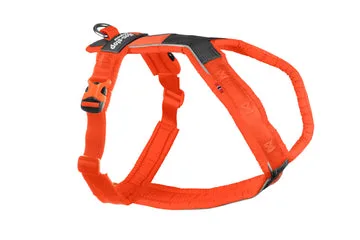
The shell goes over the base layer and should be roomy enough to slide on without bunching the fleece underneath. A shell adds protection from wind and light rain, but it does not add much warmth on its own. If your dog wears a harness for canicross or hiking, fit the harness over both layers and check that the jacket does not shift when the leash tightens. A jacket that rides up at the shoulders will chafe on longer runs.
Check fit at three points before you leave
First, check the neck: you should be able to slide two fingers under the collar without forcing it. Second, check the chest and belly: the jacket should cover the belly without hanging so low that it catches on brush or gets soiled. Third, check the leg openings: they should not cut into the armpits or restrict the front stride. Do a short trot in the yard or hallway before committing to a full walk. If the jacket twists, gapes, or slides to one side, adjust the straps or size up.
Watch your dog for overheating and cold signals
During winter dog exercise, watch for heavy panting, slowing down, or repeatedly sitting or lying down. These can mean overheating, especially if the dog is wearing two layers and running. Cold signals include shivering, lifting paws, tucking the tail, or refusing to move forward. If you see cold signals, add the shell or head home. If you see overheating, remove the base layer and let your dog cool down gradually. Never leave a layered dog in a car or crate while still dressed for a run.
Step-by-step layering routine for cold weather outings
- Check the temperature, wind, and trail surface: Look at the actual conditions, not just the number on the thermometer. Wind and wet ground pull heat away faster, so a dry 30°F day may need only a fleece while a windy 40°F day may need a shell. Common mistake: dressing for the temperature at your door and ignoring wind or rain on the route.
- Put on the fleece base layer first: Slide the fleece over your dog's head or legs according to the design, then smooth it flat against the coat. Make sure the belly panel is centered and the neck opening is not twisted. Checkpoint: you can fit two fingers under the neck opening, and the fleece does not bunch at the shoulders.
- Add the shell layer over the fleece: Put the shell on over the fleece without rolling or folding the base layer. Fasten all closures and adjust any straps so the shell stays centered when your dog moves. Common mistake: putting the shell on first, which traps the fleece unevenly and causes rubbing.
- Fit the harness and leash over both layers: If your dog wears a harness, put it on after both jacket layers are in place. Check that the harness sits flat and the jacket does not slide when you apply gentle leash pressure. Checkpoint: the jacket stays in place during a short trot with the leash attached.
- Do a two-minute warm-up and recheck the fit: Walk or trot your dog for a couple of minutes, then stop and check the neck, chest, and leg openings again. Layers can shift once the dog starts moving. Common mistake: skipping the warm-up check and discovering a twisted layer a mile from home.
- Adjust layers mid-outing based on your dog's behavior: If your dog pants heavily or slows down, remove the base layer or open the shell. If your dog shivers or lifts paws, add the shell or turn back. Carry a small towel or treat pouch so you can pause without losing control of the leash. Checkpoint: your dog is moving willingly with a loose, relaxed tail and steady pace.
- Remove layers and dry them after the outing: Take off the shell first, then the fleece, and check for damp patches or debris. Hang both layers to dry fully before storing them so they stay ready for the next cold walk. Common mistake: leaving a damp fleece in a bag, which reduces insulation and can cause skin irritation on the next wear.
Layering pieces from the Nonstopdogwear jacket collection
- Trail Quest Fleece Overall: The Trail Quest Fleece Overall is a warm fleece layer with an overall design that covers the body for added protection during outdoor activities like hiking and trail running. The overall cut covers the chest and belly, so it works well as a base layer on cold, dry trail days when a standard jacket leaves the underside exposed.
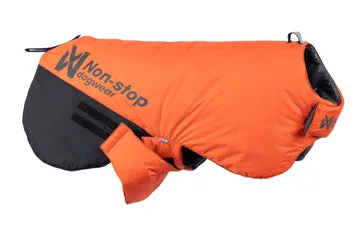
- Long Distance Plus Jacket: The Long Distance Plus Jacket is a durable outerwear option designed for active dogs and long-distance activities, offering reliable coverage in varying conditions. Use it as the outer shell over a fleece base layer when you need wind and weather protection for longer runs or hikes without adding bulk.
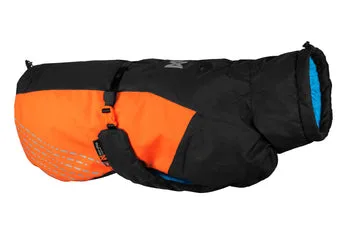
- Glacier Jacket 2: The Glacier Jacket 2 is a versatile dog jacket that shields your dog from the elements and is easy to put on and take off, with coverage that does not restrict movement. Its easy on-and-off design makes it a practical shell for changing conditions, and the movement-friendly cut helps prevent chafing when layered over a fleece.