Quick answer
To layer a duvet cover over a quilt for winter warmth, start with a fitted sheet, add a quilt as a base layer, then top with a duvet cover holding a duvet insert. This traps air between layers for insulation. Choose a duvet cover with a high thread count and breathable cotton to balance warmth and comfort. Secure the layers with a bed skirt or tuck them in to prevent shifting.
Why layering a duvet cover over a quilt works
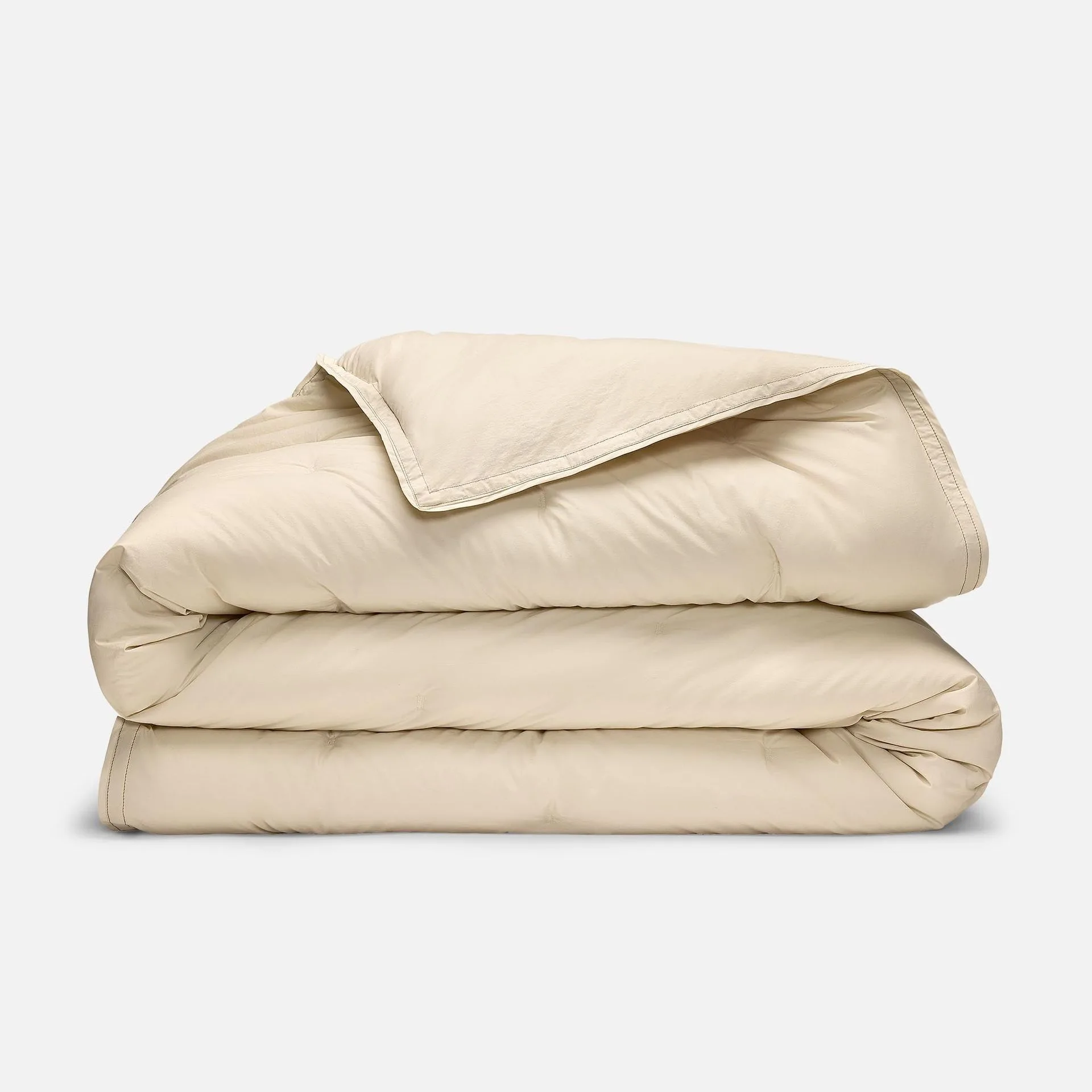
Layering a duvet cover over a quilt creates a microclimate that holds warmth without overheating. The quilt provides a flat, insulating base, while the duvet cover adds a lofty layer that traps air. This combination is ideal for cold weather because you can adjust each layer independently. For example, if you sleep hot, you can use a lighter quilt or a lighter duvet insert. The key is to choose breathable materials like long staple cotton, which wicks moisture and regulates temperature. A duvet cover with a thread count around 300, like the Madison Guava Duvet Cover, offers a smooth feel and durability. Remember that the duvet cover itself is not warm; it's the insert inside that provides insulation. So select a duvet insert appropriate for your climate.
Choosing the right quilt and duvet cover for winter
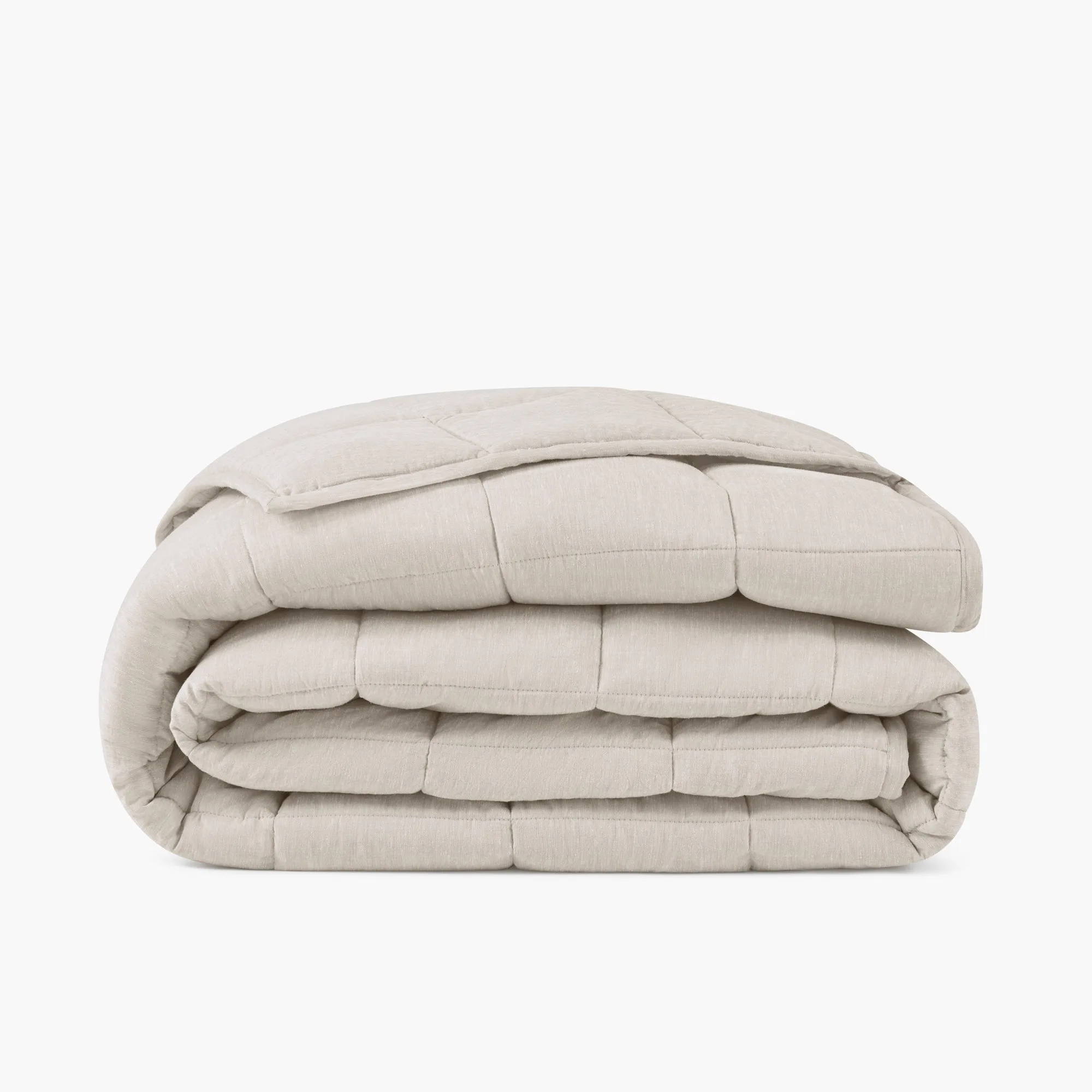
Not all quilts and duvet covers are equal for winter layering. Look for a quilt that is thin enough to lie flat but still provides some warmth. Cotton quilts are a good choice because they are breathable and easy to layer. For the duvet cover, consider the fabric weight. A heavier cotton like sateen or a flannel duvet cover can add extra coziness. However, if you tend to sleep hot, stick with a percale or plain weave. The Madison Guava Duvet Cover is made from 100% premium long staple cotton with a 300 thread count, which is a versatile weight for year-round use. Pair it with a quilt that complements the color and pattern. If you want a cohesive look, choose a quilt in a solid color that picks up a hue from the duvet cover's print. Also, consider the size: your quilt and duvet cover should be the same size or the quilt slightly smaller to avoid bulk at the edges.
Step-by-step layering for a cozy winter bed
Follow these steps to build a warm, layered bed that stays put and looks polished. Start with a clean fitted sheet. Then, lay your quilt evenly over the bed, smoothing out wrinkles. Next, put your duvet insert inside the duvet cover and shake it out. Lay the covered duvet over the quilt, aligning the top edges. Fold back the top of the duvet cover about a third of the way down to create a cuff that reveals the quilt underneath. This adds visual interest and makes it easier to get into bed. Finally, tuck the sides and bottom of the layers under the mattress, or use a bed skirt to hide the edges and keep everything in place. If you use a bed skirt, choose one that matches the quilt or duvet cover for a seamless look. The Red Striped Bed Skirt is a patterned option that can add a finishing touch, but ensure it doesn't clash with your bedding. For a more subtle look, opt for a solid color bed skirt.
Common mistakes to avoid when layering for winter
One common mistake is using a duvet cover that is too small for the insert, which causes the insert to bunch up and create cold spots. Always match the duvet cover size to the insert size. Another mistake is layering too many heavy layers, which can lead to overheating and restless sleep. Start with two layers (quilt + duvet) and add a blanket on top if needed. Also, avoid synthetic fabrics that trap moisture; natural fibers like cotton and linen breathe better. Finally, don't forget to wash your bedding regularly. In winter, you may wash less often, but dust mites and allergens can accumulate. Follow care instructions for each item. The Madison Guava Duvet Cover is machine washable, which makes maintenance easy.
Layering steps
- Start with a fitted sheet: Put on a clean fitted sheet that fits your mattress snugly. This is the foundation of your bed. Checkpoint: Ensure the sheet is smooth and free of wrinkles to avoid lumps under the quilt.
- Add the quilt as a base layer: Spread your quilt evenly over the bed, pulling it tight. The quilt should cover the entire mattress top. Common mistake: Using a quilt that is too thick; it will make the bed bulky and the duvet won't lie flat.
- Prepare the duvet cover and insert: Put your duvet insert inside the duvet cover. Button or zip it closed, then shake it out to distribute the insert evenly. Checkpoint: Make sure the insert fills all corners of the cover to prevent cold spots.
- Layer the duvet cover over the quilt: Lay the covered duvet over the quilt, aligning the top edges. Smooth out any wrinkles. Common mistake: Placing the duvet cover directly on the fitted sheet; the quilt adds an extra layer of insulation.
- Fold back the top edge: Fold the top of the duvet cover down about a third of the way to create a cuff that shows the quilt underneath. This adds style and makes it easier to slide into bed.
- Secure the layers: Tuck the sides and bottom of the quilt and duvet cover under the mattress, or use a bed skirt to cover the edges. Common mistake: Leaving layers untucked; they will shift during the night. A bed skirt can also hide the under-bed area.
Product facts
- Madison Guava Duvet Cover: 300-thread-count guava painterly botanical bedding made from 100% premium long staple cotton. Long staple cotton is soft, durable, and breathable, making it ideal for layering without overheating. The 300 thread count offers a balance of smoothness and breathability.
- Red Striped Bed Skirt: Red Striped Bed Skirt in 100% premium long staple cotton, cotton sateen, 300 thread count, with 14-inch or 18-inch drop options. A bed skirt hides the under-bed area and can secure layers, but the patterned stripe may limit pairing options. Choose a drop length that reaches the floor for a polished look.