Quick answer
Start with a moisture-friendly base tee, add a mid layer like a hoodie or crewneck, then finish with a packable outer layer you can shed when the sun comes out. Keep team colors in the outer two layers so your support still reads clearly. The goal is three adjustable layers, not one heavy jacket.
Fall baseball weather in Reading rarely holds still. A 1:00 p.m. first pitch can feel warm in the sun and chilly by the seventh inning, especially once the shade reaches your seats. Dressing for one temperature almost always means being uncomfortable for the other.
Layering solves that. Instead of guessing, you build a small system you can add to or peel off as the game goes on. This guide walks through the order to put layers on, what to look for in each one, and the mistakes that make fans either sweat through the first inning or shiver through the last.
Why layering beats one heavy jacket
A single thick jacket gives you two settings: on or off. Layering gives you four or five. You can wear a tee in the sun, add a hoodie when a cloud rolls in, and pull on a shell if the wind picks up. That flexibility matters more at a ballpark than almost anywhere else because you are sitting still for long stretches.
Layering also lets you keep wearing team gear instead of hiding it under a plain coat. When your outer layers carry the Fightin Phils logo, you stay visibly a fan even when the temperature drops.
- Aim for three layers: base, mid, outer.
- Choose layers you can remove without leaving your seat.
Match layers to the time of day, not just the forecast
Check the hourly forecast, not the daily high. If the high is 68 but first pitch is at 6:00 p.m., you are dressing for the 55-degree evening, not the afternoon peak. Write down the temperature at first pitch and the temperature at the expected final out, then dress for the cooler of the two and plan to remove a layer.
Wind matters as much as temperature in an open ballpark. A breezy 60 feels closer to 50 in the upper rows. If wind is in the forecast, treat your outer layer as mandatory even if the temperature looks mild.
- Dress for the coolest hour you expect to sit through.
- Add one layer if wind is forecast above 10 mph.
Build the base layer first
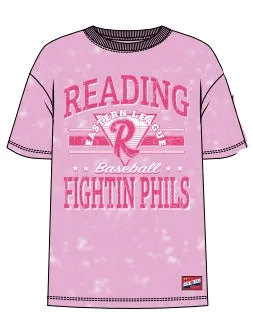
Your base layer sits against your skin, so it should be a comfortable tee or long sleeve you would wear on its own. This is the layer you will likely keep on the whole game, so pick something in team colors that looks good solo. A red or navy tee works with almost any outer layer you add later.
Avoid heavy cotton as a base if you tend to run warm. Once it gets damp, it stays damp and cools you down. A lighter tee you can breathe in is the better starting point.
- Pick a base layer you would wear alone.
- Skip thick cotton if you overheat easily.
Add a mid layer you can live in
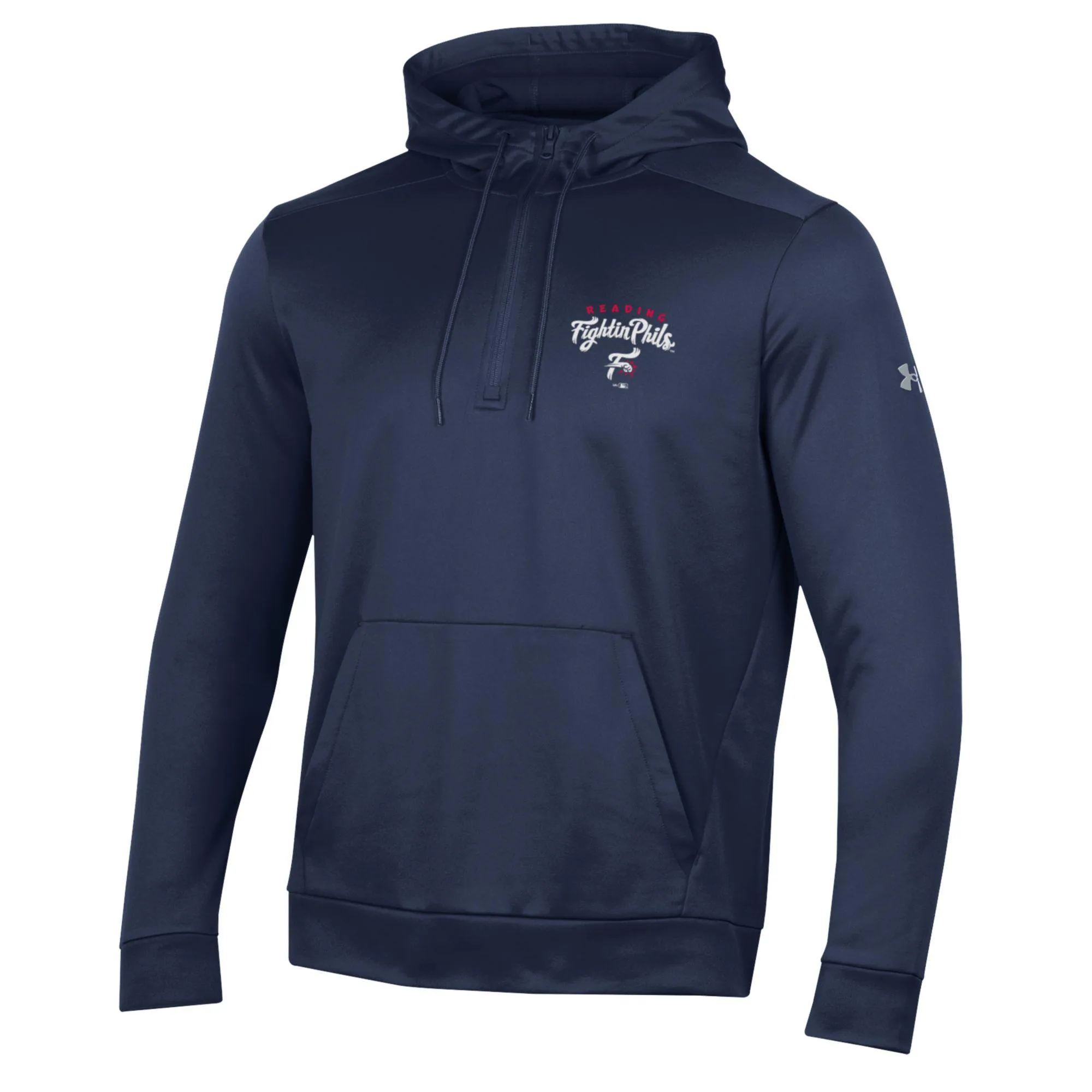
The mid layer is the workhorse. A hoodie or crewneck gives you warmth without bulk and is easy to tie around your waist if you take it off. This is where most of your team branding should live, since it stays visible even when you add a shell on top.
Fit matters here. A mid layer that is too tight restricts your movement and traps sweat; one that is too loose lets cold air circulate. You want enough room to wear it over your base tee without feeling bunched at the shoulders.
- Choose a hoodie or crewneck over a bulky sweater.
- Test the fit over your base layer before game day.
Finish with a packable outer layer
The outer layer handles wind, light rain, and the last cold innings. It should be easy to fold, stuff in a bag, or drape over the seat in front of you. A poncho or light jacket works well because it adds almost no weight when you are not wearing it.
This is also the layer to size up slightly. You need it to fit over your hoodie without compressing the layers underneath, which defeats the purpose of layering in the first place.
- Choose an outer layer you can pack into a tote or backpack.
- Size up so it fits over your mid layer without squeezing.
Accessorize for the parts layering cannot cover
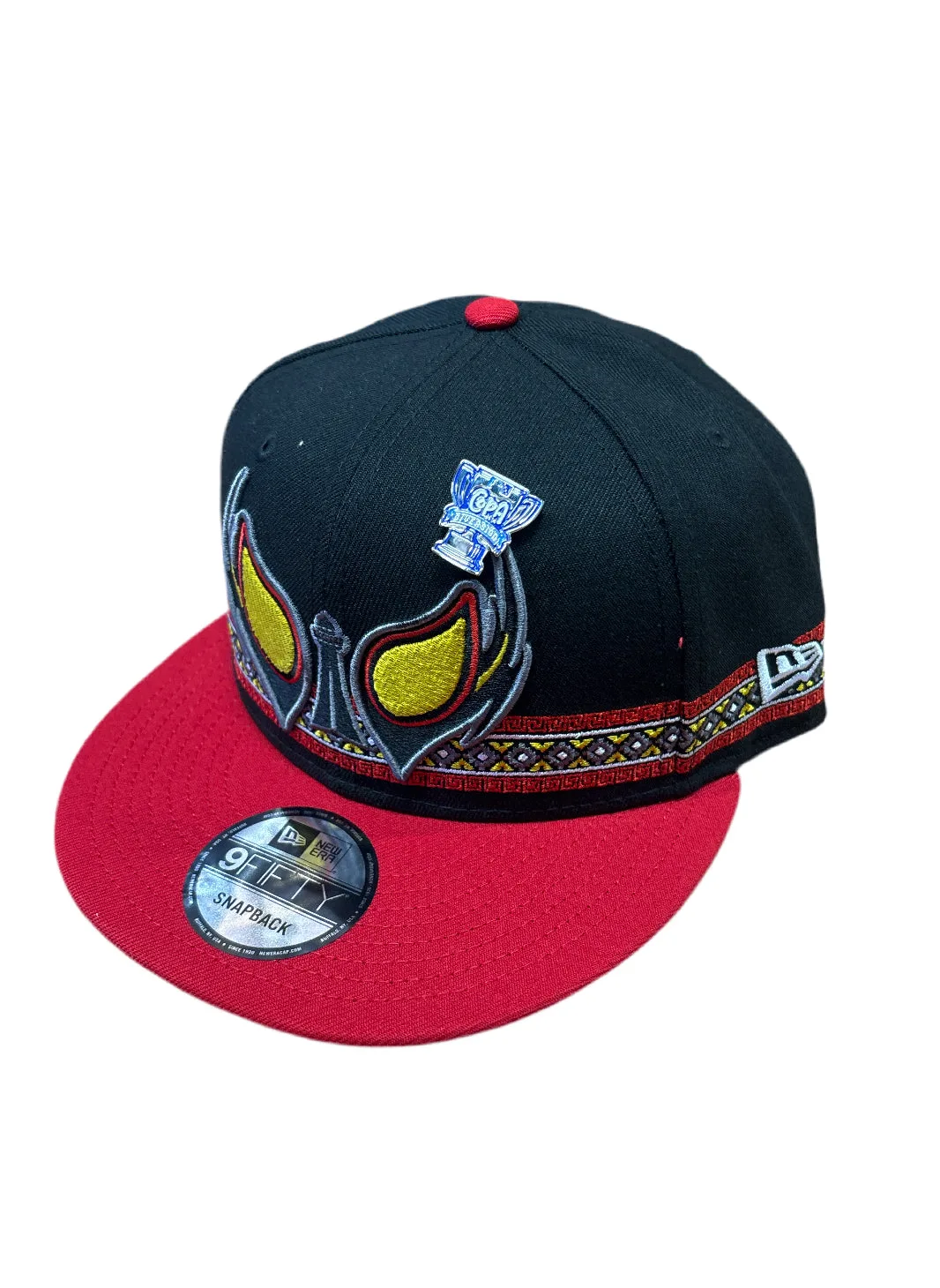
Hands, ears, and neck lose heat fastest and are rarely covered by a jacket alone. A beanie or knit cap fits in a pocket until you need it, and a scarf or neck gaiter adds real warmth without adding a full layer. These small items are the difference between comfortable and miserable in a late-October game.
If you bring kids, double up on these small accessories. They are the first thing to get lost and the first thing a child asks for when the sun goes down.
- Pack a beanie even if the forecast looks warm.
- Bring one extra small accessory per child.
Your fall layering checklist, step by step
- Check the hourly forecast, not the daily high: Look at the temperature at first pitch and at the expected final out, then dress for the cooler number. Note the wind speed as well. If the two temperatures differ by more than 15 degrees, plan on removing at least one layer during the game.
- Put on your base tee first: Choose a comfortable team tee you would wear on its own. This layer stays on the longest, so it should look and feel right solo. If you would not wear it to lunch, it is not the right base layer.
- Add a hoodie or crewneck as your mid layer: This is your main warmth layer and your main branding layer. Make sure it fits comfortably over the base tee without bunching. Test the fit at home with both layers on before you leave.
- Top with a packable outer layer: A poncho or light jacket handles wind and light rain. It should fold small enough to fit in your bag or sit on your lap. If it does not pack down, you will end up carrying it all game.
- Add small accessories last: A beanie, cap, or neck gaiter covers the spots a jacket misses. Keep them in a pocket or bag until you need them. Pack one extra accessory if you are bringing kids.
- Do a final mirror check before you leave: Confirm you can remove each layer independently and that your team colors still show in the outer two layers. If removing one layer ruins the outfit, rearrange the order.
Gear that fits the layering system
- Luchadores de Reading Script Red Heathered T-Shirt: Made by Gildan Soft Style with a red heather colorway and a Luchadores de Reading script design, part of the Cinco Copa collection, available in sizes Small and 2XL. The soft style construction makes it a comfortable base layer, and the red heather pairs easily under a navy or grey hoodie.
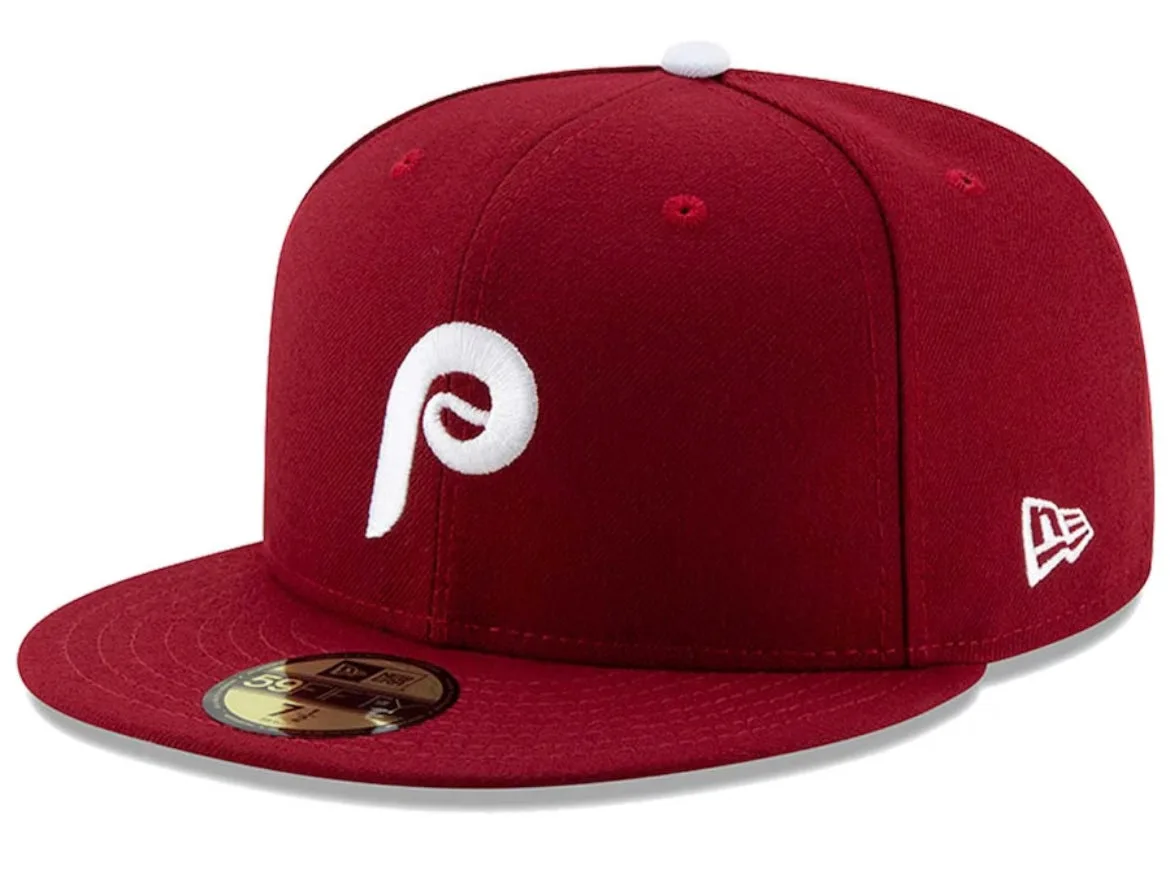
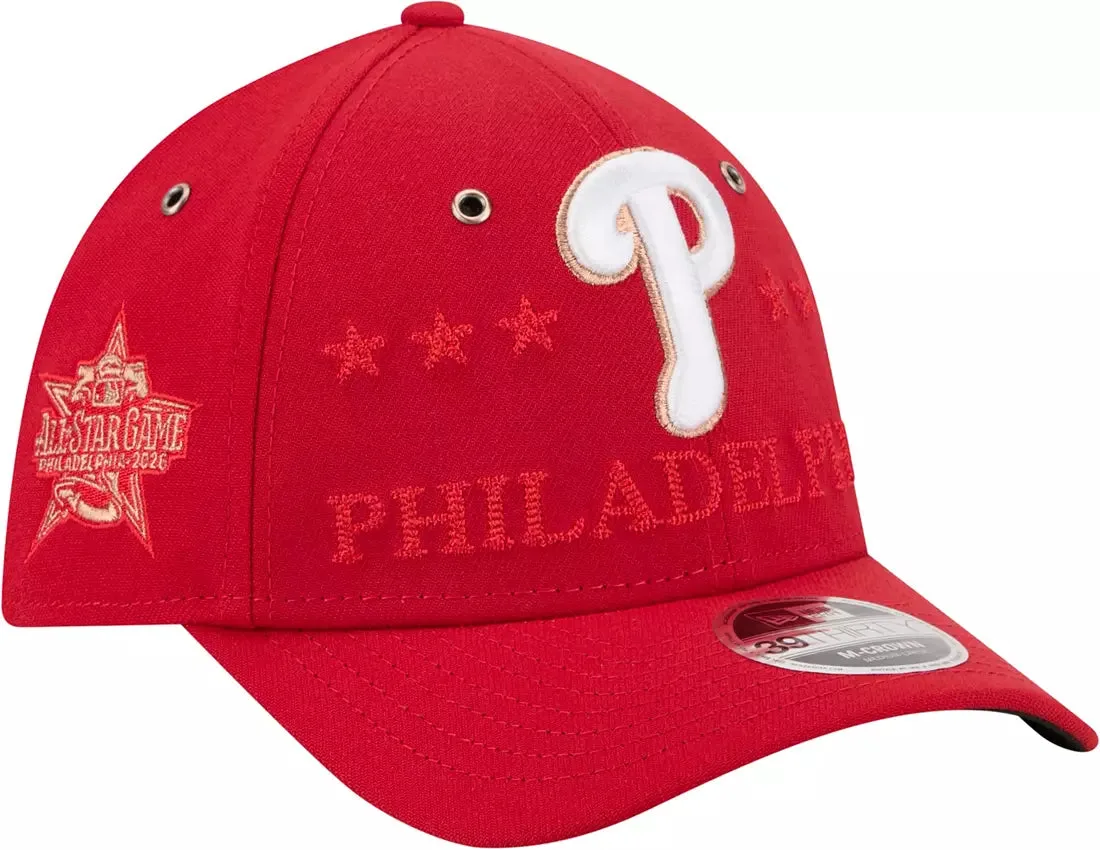
- New Era 59Fifty 2026 Reading Fightin Phils Stars and Stripes High Profile Fitted Hat: Features the Fightin Phils logo in a red, white, and blue Stars and Stripes design with detailed embroidery and a commemorative USA-inspired side patch. A fitted cap keeps your head warm without the bulk of a beanie, and the embroidered design stays visible even when you add a hood.
- Fightin Phils Red/Navy Baseball Keychain: Crafted in team colors with a baseball design, sized for attaching to keys, bags, or backpacks. Clip it to your game-day bag so your layers, keys, and small accessories stay together when you are juggling a hoodie and a seat cushion.
Layering for a fall Fightin Phils game is less about buying new gear and more about ordering what you already own. Start with a comfortable base tee, add a hoodie or crewneck, finish with something packable, and keep a beanie within reach. Check the hourly forecast before you leave, dress for the coolest hour, and you will stay comfortable from first pitch to final out.