Quick answer
Start with a moisture-wicking base layer, add an insulating mid layer like a quarter-zip or flannel, then finish with a wind- and water-resistant outer layer. Adjust as your activity level changes. For western wear, choose pieces that allow freedom of movement and look sharp when you shed a layer indoors.
Cold weather on the range or in town doesn't have to mean bulky, uncomfortable clothing. With the right western layering system, you can stay warm, dry, and ready for anything from feeding cattle to grabbing coffee.
This guide walks you through a proven step-by-step process for building a versatile cold-weather outfit using western apparel. We'll cover base layers, mid layers, outer layers, and the accessories that make a difference.
Step 1: Choose a Moisture-Wicking Base Layer
Your base layer sits against your skin and manages sweat. Cotton holds moisture and gets cold when wet, so opt for merino wool or a synthetic blend that wicks sweat away. A fitted but not tight crewneck or quarter-zip works well. If you'll be active, a lighter base layer prevents overheating; for stationary activities, go with a midweight option.
Common mistake: wearing a heavy cotton t-shirt as a base layer. It feels warm at first but traps sweat and chills you when you slow down. Checkpoint: after 10 minutes of activity, you should feel dry, not damp.
- Look for flatlock seams to avoid chafing under a saddle or backpack.
- Merino wool resists odor, so you can wear it multiple days on a trip.
Step 2: Add an Insulating Mid Layer
The mid layer traps warmth. A quarter-zip fleece or a flannel shirt is a classic western choice. Quarter-zip layering lets you vent heat quickly without removing the whole layer. For extra cold, a lightweight down or synthetic vest adds core warmth without bulk in the arms. Your mid layer should fit comfortably over your base layer without restricting movement.
Common mistake: choosing a mid layer that's too tight, which compresses insulation and reduces warmth. Checkpoint: you should be able to raise your arms overhead without the hem riding up excessively.
- A vest is ideal for active days when your arms need freedom.
- Look for a mid layer with a smooth exterior so it slides easily under an outer shell.
Step 3: Top with a Weather-Resistant Outer Layer
The outer layer blocks wind, rain, and snow. A waxed canvas jacket or a sturdy leather coat works well for western wear. Waxed canvas sheds light precipitation and resists thorns and brush. Leather offers durability and wind resistance. Your outer layer should be roomy enough to fit over your mid layer without compressing it. If you'll be in and out of buildings, choose a jacket you can easily take off and carry.
Common mistake: wearing an outer layer that's too warm for active pursuits, leading to overheating. Checkpoint: if you're sweating inside your jacket, remove the mid layer or open vents.
- Waxed canvas can be re-waxed to maintain water resistance.
- Leather outer layers need occasional conditioning to stay supple.
Step 4: Don't Forget Extremities and Accessories
Cold hands, feet, and head make any outing miserable. Insulated leather gloves, wool socks, and a warm hat are essential. A silk scarf or bandana can seal the neck gap and add a touch of western style. For women, a silk scarf like the King Ranch Flora and Fauna Silk Scarf adds a layer of warmth and elegance. Choose accessories that complement your outfit and can be easily removed if you warm up.
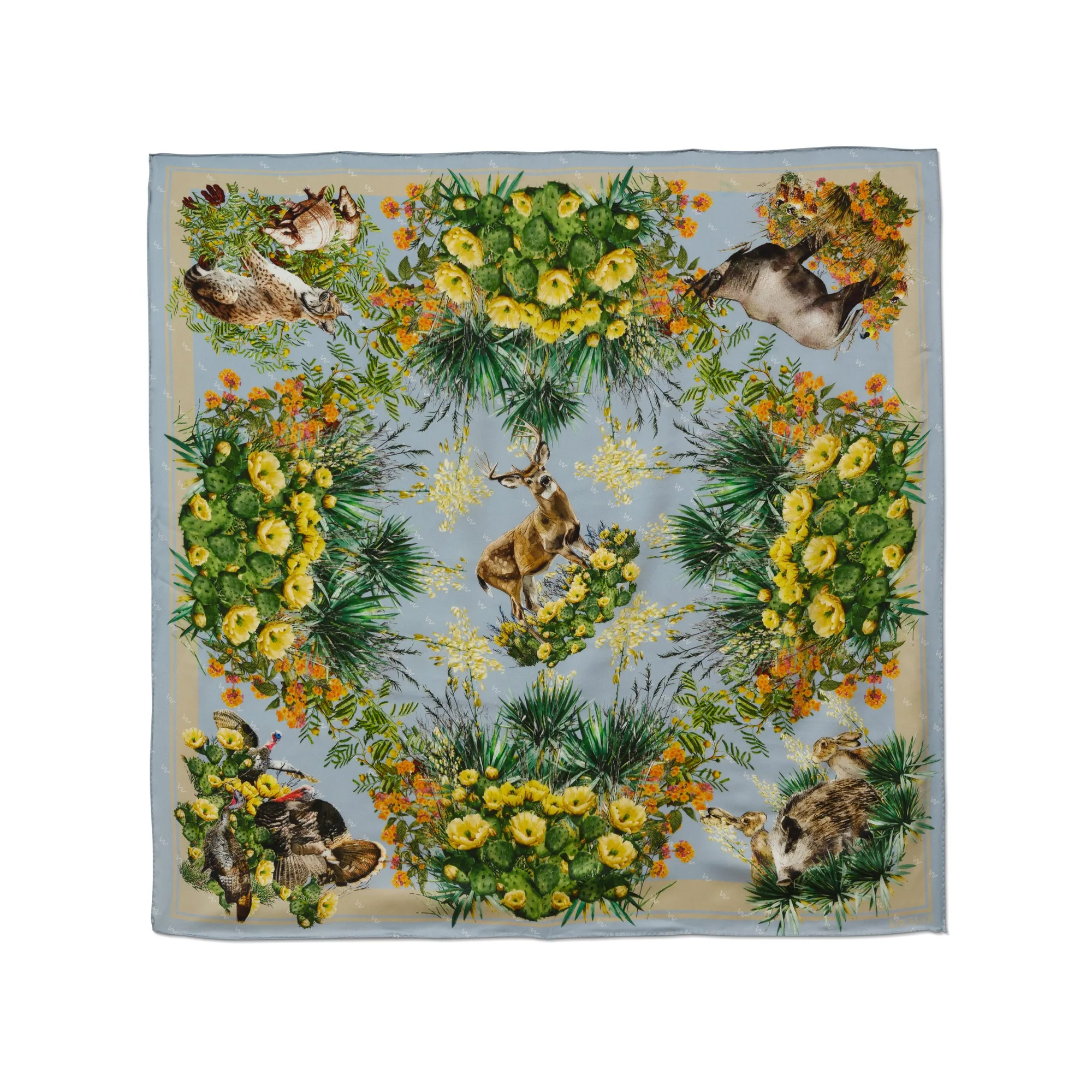
King Ranch Flora and Fauna Silk Scarf
Common mistake: neglecting the neck and head, where a lot of heat escapes. Checkpoint: if your fingers or toes are numb, add another layer or head indoors.
- Wool socks wick moisture and stay warm even when damp.
- A scarf can double as a face covering in windy conditions.
Step 5: Adjust Layers as Your Activity Changes
Layering is dynamic. Start slightly cool; you'll warm up as you move. As you heat up, unzip your mid layer or remove it. When you stop, add a layer back before you cool down. This prevents sweat buildup and post-activity chills. For western layering, choose pieces that look good together so you're comfortable shedding a layer indoors.
Common mistake: dressing for the coldest moment and then overheating during activity. Checkpoint: you should feel comfortably cool when you step outside, not warm.
- Use a packable vest or jacket that stuffs into a saddlebag.
- Choose colors and patterns that mix and match for a cohesive look.
Your Cold-Weather Layering Checklist
- Base layer: Moisture-wicking fabric (merino wool or synthetic) that fits close to skin without restricting movement. Checkpoint: You should feel dry after light activity.
- Mid layer: Insulating piece like a quarter-zip fleece, flannel shirt, or vest that traps warmth. Checkpoint: You can raise your arms without the hem riding up.
- Outer layer: Wind- and water-resistant jacket (waxed canvas or leather) that fits over your mid layer. Checkpoint: You can zip it comfortably without compressing insulation.
- Accessories: Insulated gloves, wool socks, warm hat, and a silk scarf or bandana for neck warmth. Checkpoint: Extremities stay warm and dry.
- Adjust as needed: Vent or remove layers as your activity level changes to avoid overheating and chills. Checkpoint: You feel comfortably cool when you step outside, not warm.
Western Layers That Work
- Women's Stripe Field Shirt: A staple on and off the ranch, the classic stripes are borrowed from refined dress shirting but relaxed and tailored with feminine detail. The standing ruffle collar and subtle shirring at the shoulders add a soft touch, while the split shirt-tail hem allows for ease whether tucked or worn loose. It's crisp, quick-drying, comfortable, and easy to care for. This shirt works as a mid layer or standalone piece. Its quick-drying fabric and comfortable fit make it ideal for layering over a base layer without overheating.
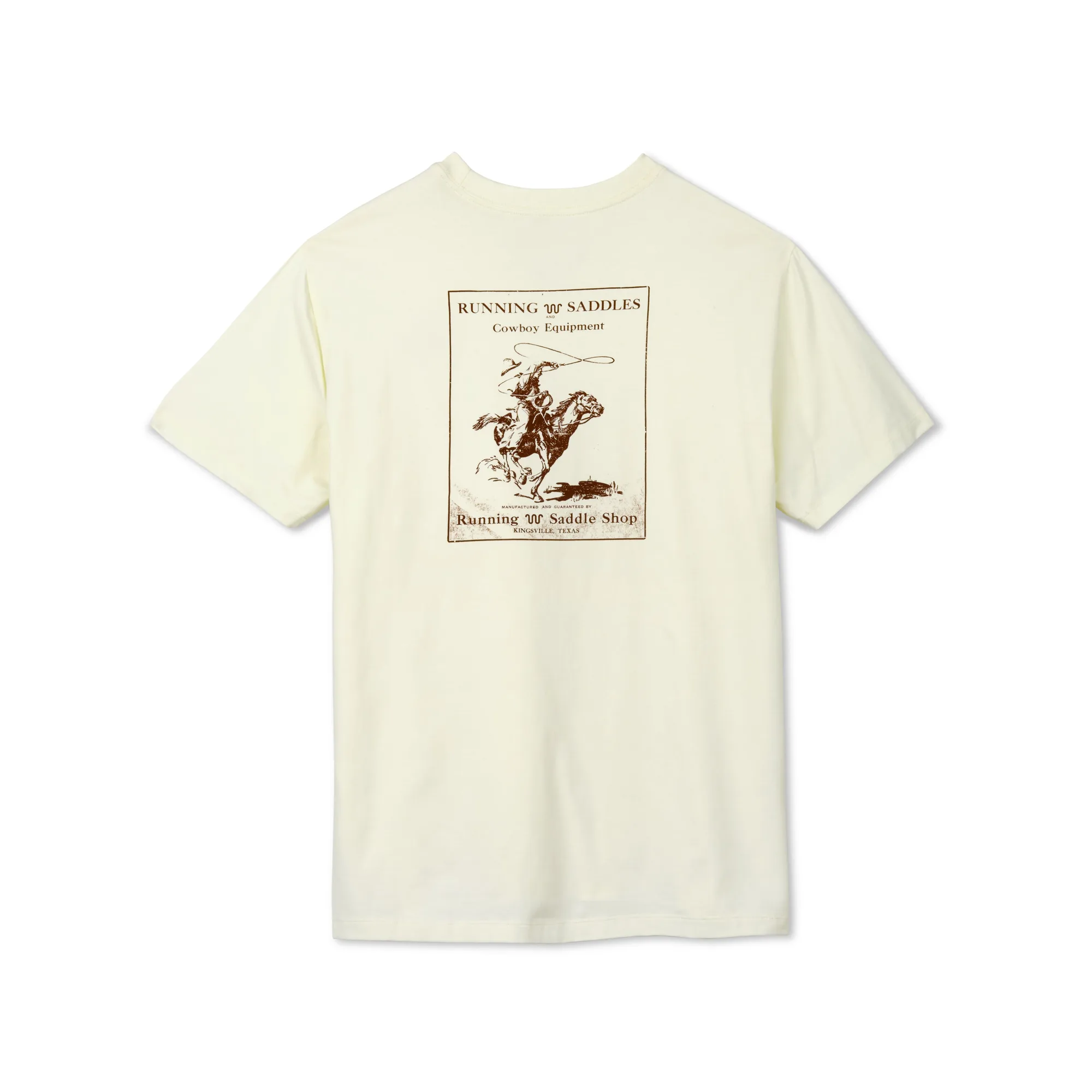
- Running W Saddles Graphic Tee: Inspired by the cover art of one of the first King Ranch catalogs, this graphic captures an earlier era of cattle sales. Crafted from soft, stretchy jersey knit, this tee delivers comfort with a lightweight feel and excellent shape retention. Featuring a ribbed crewneck and the Running W brand on the front, it's a modern nod to the Ranch's legendary heritage. This tee can serve as a lightweight base layer or a casual mid layer on milder days. Its stretchy jersey knit moves with you, and the ribbed crewneck adds a classic western detail.
- King Ranch Flora and Fauna Silk Scarf: This silk scarf celebrates the living landscape of King Ranch. Illustrated with native flora and fauna—from cactus blooms and yucca to the whitetail deer and wild turkey to name a few—it captures the beauty and biodiversity of South Texas in vivid detail. Each square is printed on premium, pure silk, offering a luxurious drape that elevates any outfit while keeping the spirit of the land close. A silk scarf adds a layer of warmth at the neck without bulk. It's a stylish accessory that can be worn under a jacket collar or over a sweater, and it's easy to remove if you warm up.
Layering for cold weather with western apparel is about combining function and style. Start with a moisture-wicking base, add insulation, and finish with a weather-resistant outer layer. Adjust as you go. With these steps, you'll stay warm and look sharp all winter.