Quick answer
Start with a moisture-wicking base layer, add a light mid-layer like a long sleeve tee or thin sweater, then finish with a waterproof jacket-male-05a2e3cd05f2c3d9dca274e5-781567">jacket that has ventilation. The key is to adjust layers before you overheat, not after. For most rainy commutes, a cotton long sleeve under a raincoat works if you unzip when moving.
Why overheating happens even in rain
Rain jackets are designed to keep water out, which also means they trap heat and moisture inside. If you wear too many warm layers underneath, your body heat has nowhere to go. The result is sweat, which makes you feel clammy and cold once you stop moving. The fix is not to wear less, but to wear the right layers in the right order and adjust them as your activity level changes.
Choose a base layer that moves sweat away
Your base layer sits against your skin, so it should be thin and breathable. Cotton is comfortable for short, low-effort commutes, but it holds moisture if you sweat heavily. For longer walks or bike rides, a synthetic or merino base layer dries faster. The goal is to keep a thin, dry layer next to your skin so the mid-layer and jacket can do their jobs.
Pick a mid-layer you can remove easily
The mid-layer provides warmth, but it should be easy to take off without removing your jacket. A long sleeve t-shirt or a lightweight sweater works well because it adds a little insulation without bulk. Avoid thick fleece or heavy knits unless temperatures are near freezing. On a 10°C (50°F) rainy day, a single long sleeve is often enough if you are moving.
Use a waterproof jacket with ventilation
Your outer layer blocks rain and wind, but it needs a way to release heat. Look for a jacket with a front zipper you can open, plus a back yoke vent or underarm vents. A drawstring hood with a built-in cap keeps rain off your face without needing an umbrella. If your jacket has no vents, unzip the front slightly and wear a thinner mid-layer to compensate.
Adjust before you sweat, not after
The biggest mistake is waiting until you are already sweating to remove a layer. Instead, start slightly cool and add layers as needed. If you feel warm on a climb or after five minutes of walking, open your jacket zipper or take off your mid-layer before you break a sweat. This keeps your base layer dry and your temperature stable.
Your step-by-step layering routine
- Check the forecast and your activity level: Before you dress, note the temperature, rain intensity, and how long you will be outside. A 15-minute walk needs fewer layers than a 45-minute bike ride. If rain is light and you will move fast, plan for one less layer than you think you need. Checkpoint: If you are unsure, start with fewer layers and carry a packable mid-layer in your bag.
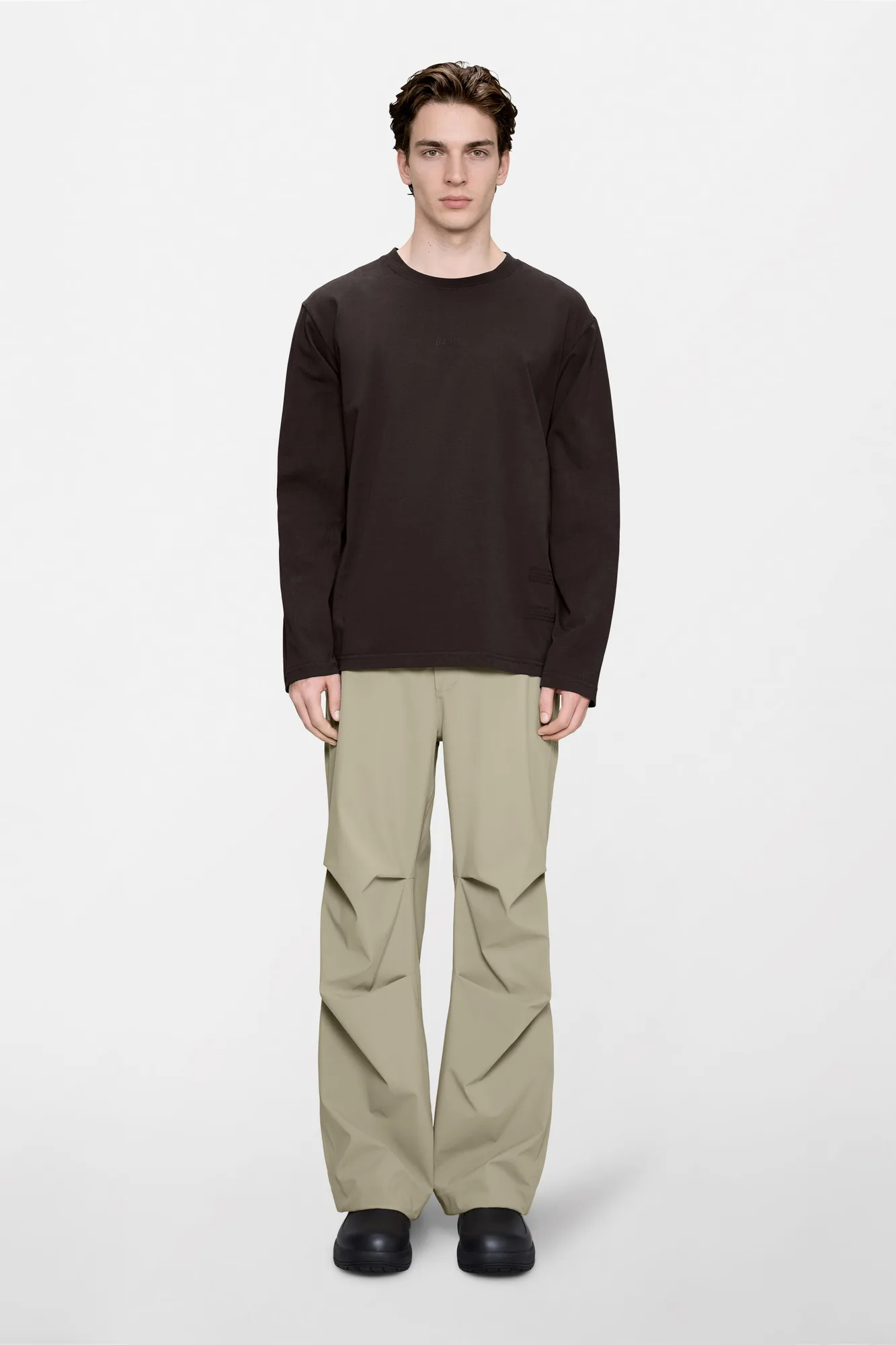
- Put on a thin base layer: Choose a moisture-wicking base layer or a lightweight cotton long sleeve like the Classic Long Sleeve T-shirt Rains. It should fit close to the body but not restrict movement. Avoid heavy cotton if you expect to sweat. Checkpoint: Your base layer should feel dry and comfortable, not warm and bulky.
- Add a mid-layer only if needed: If temperatures are below 10°C (50°F) or you will be standing still, add a thin sweater or fleece over your base. If you are cycling or walking briskly, skip the mid-layer and rely on your jacket for wind protection. Checkpoint: You should feel slightly cool when you step outside; you will warm up within five minutes of moving.
- Put on your waterproof jacket and adjust ventilation: Zip up your rain jacket, but leave the front zipper slightly open if you are moving. Use the hood drawstring to keep rain out without blocking peripheral vision. If your jacket has vents, make sure they are not covered by a backpack. Checkpoint: You should be able to feel a small amount of airflow, not a sauna.
- Monitor your temperature and adjust early: As you commute, check in with how you feel. If you start to feel warm, open your jacket zipper or remove your mid-layer before you sweat. If you feel cold, add the mid-layer back or tighten cuffs and hood. Checkpoint: Never wait until you are sweating to adjust; sweat is the enemy of comfort in rain.
Rains layers that work for commutes
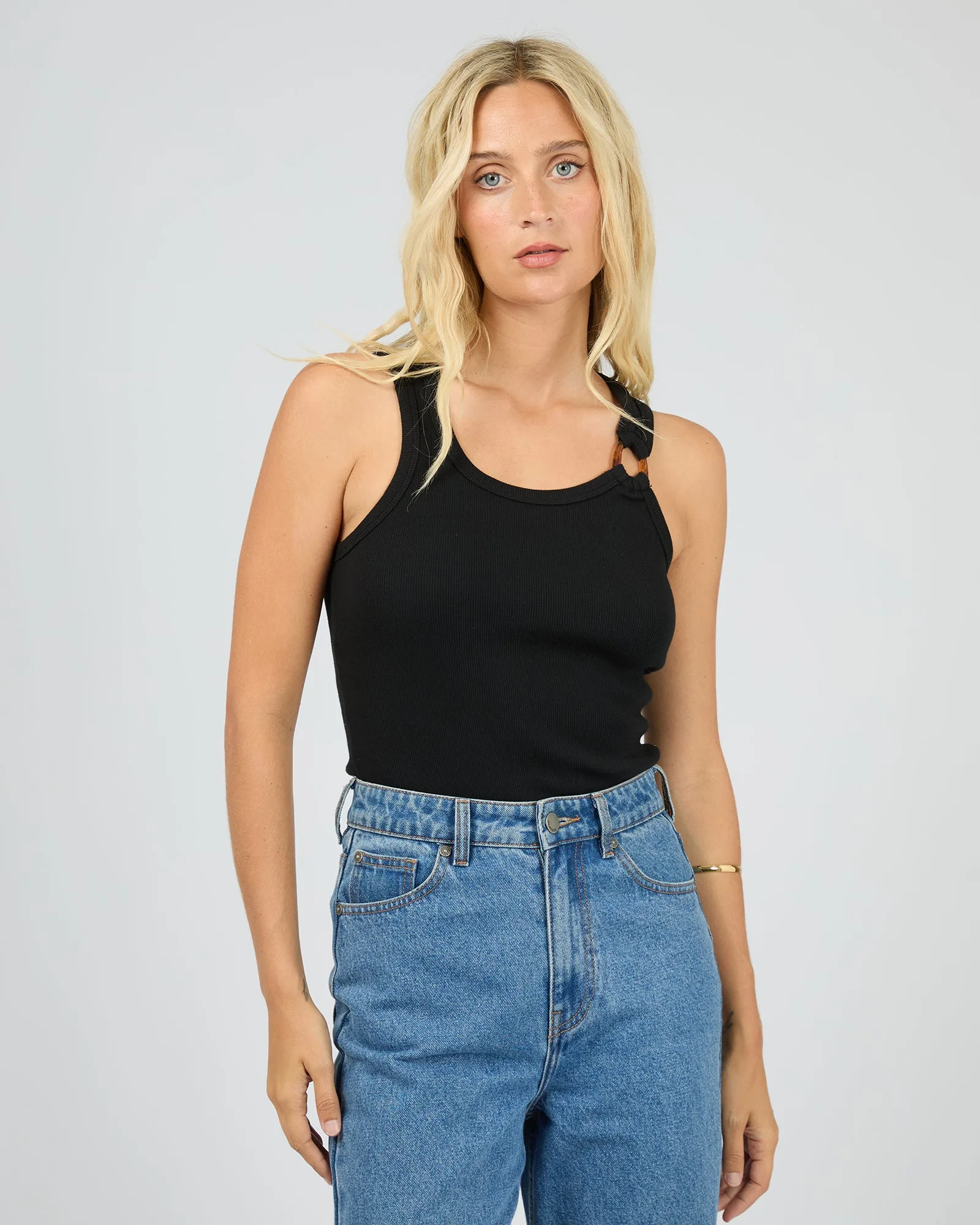
- Classic Long Sleeve T-shirt Rains: Cut from organic cotton with a simple, relaxed fit—ideal for everyday wear and easy layering. This long sleeve works as a breathable mid-layer or base layer for mild rainy days, and the relaxed fit leaves room for a waterproof jacket over it.
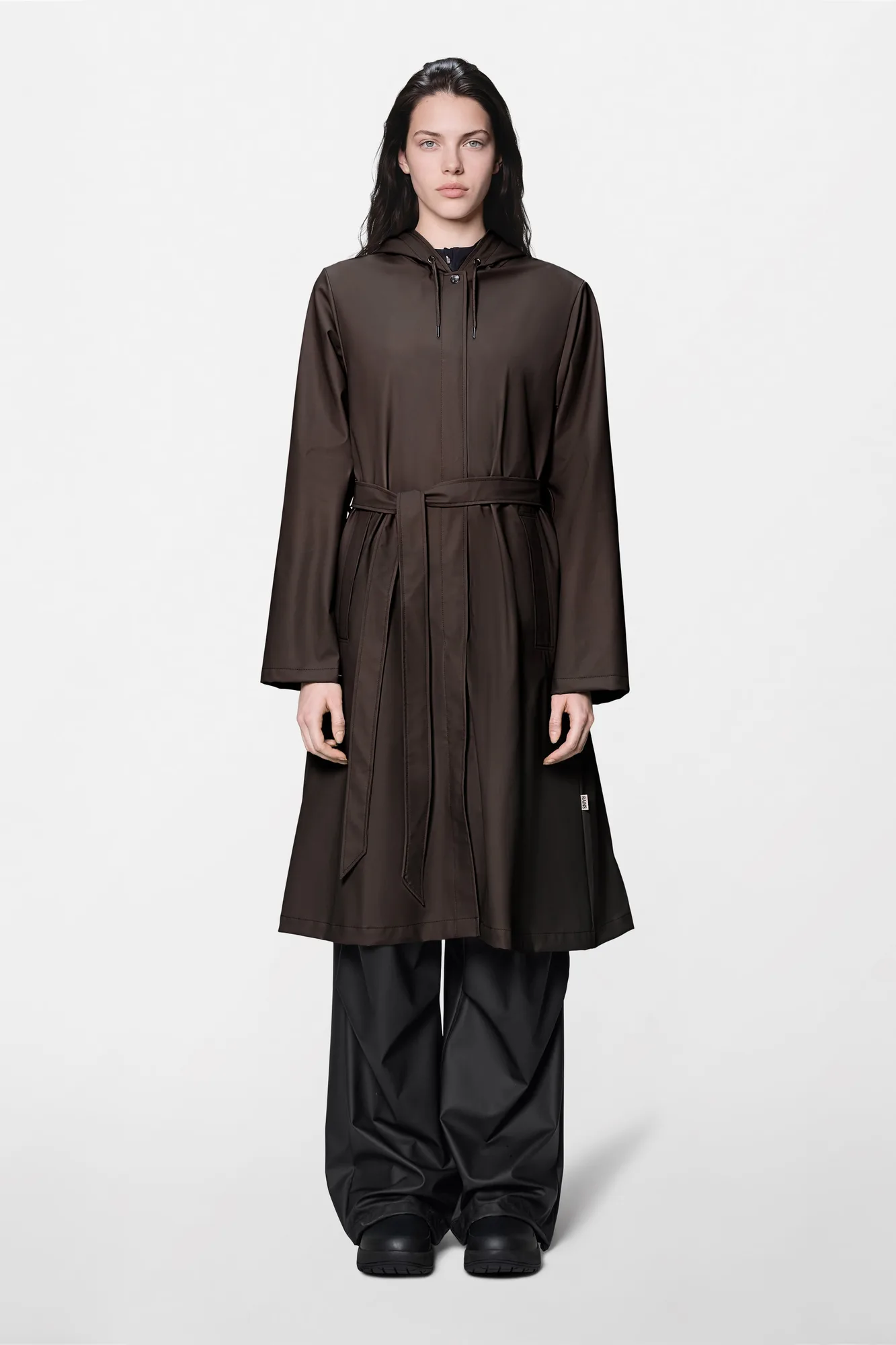
- A-Line Longer W Jacket: A-line Jacket Longer is a women’s raincoat characterized by its A-shaped silhouette and belt that elegantly accentuates the waist. It features a drawstring hood with built-in cap, side pockets, hidden snap buttons for closure and adjustable snap cuffs. The longer cut and adjustable cuffs help seal out rain on commutes, while the hood with built-in cap keeps your head dry without an umbrella. The belted waist lets you adjust the fit over layers.