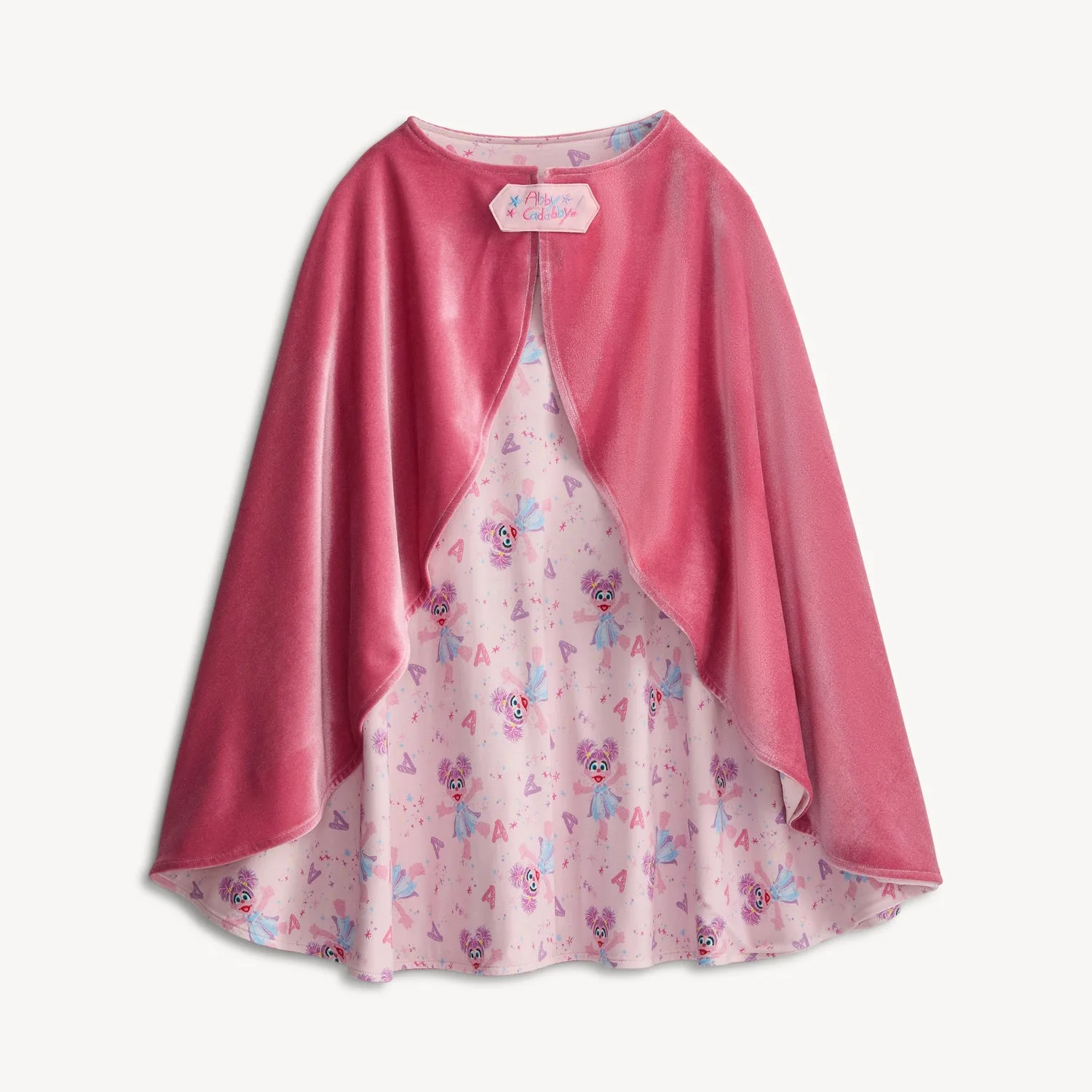
Quick answer
Start with a snug base layer, add the magnetic cape as a mid-layer, and finish with an outer shell if needed. This keeps your child comfortable and allows easy removal when they get warm.
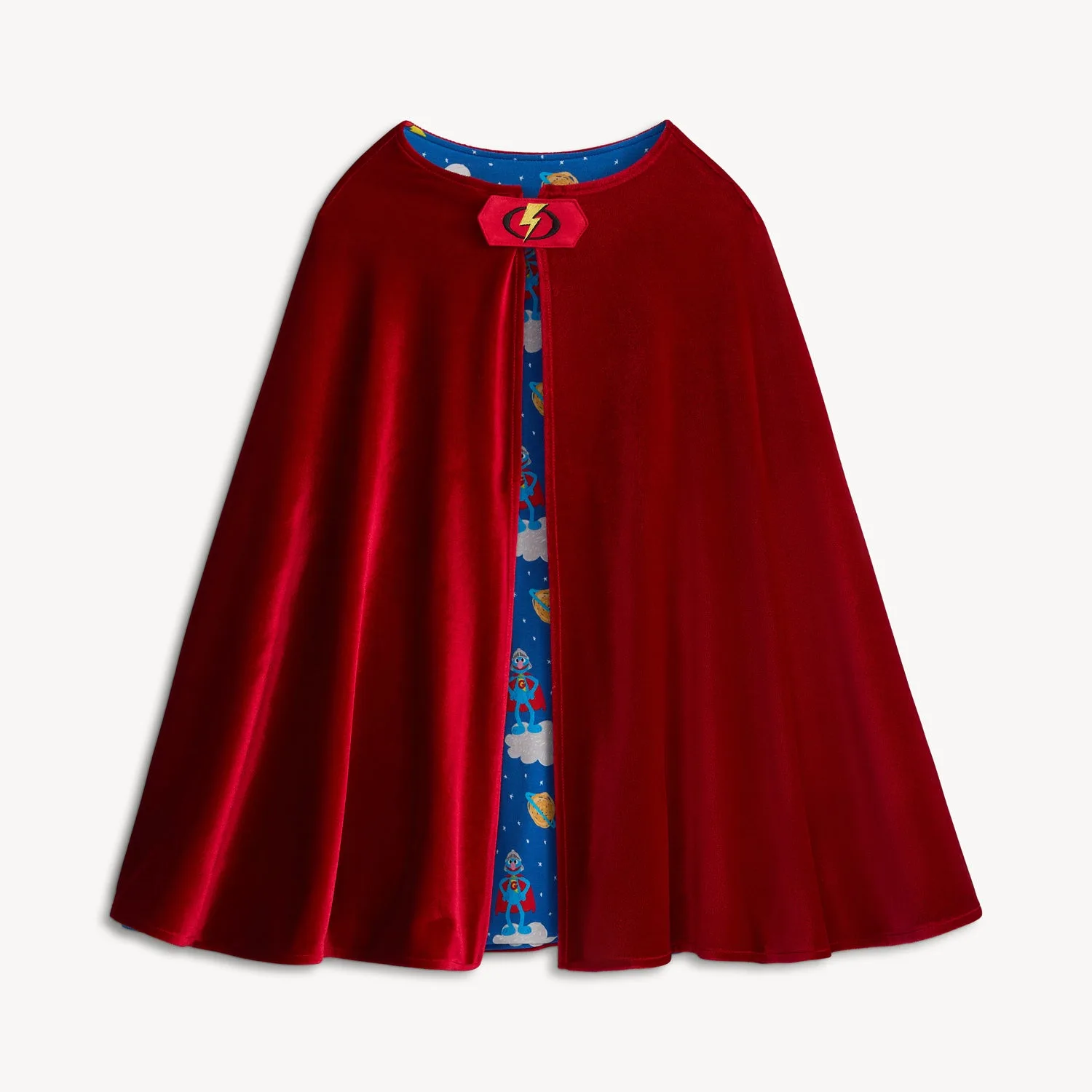
Magnetic Cape
Why layering matters for playtime
Young children generate a lot of heat when running, climbing, and pretending. A single heavy layer can trap sweat and lead to chills when they stop moving. Layering lets you adjust their temperature quickly without interrupting play.
A magnetic cape works well as a mid-layer because it is easy to put on and take off—even for toddlers who want to do it themselves. The magnetic closure means no struggling with snaps or zippers when they are in a hurry to get back to the fun.
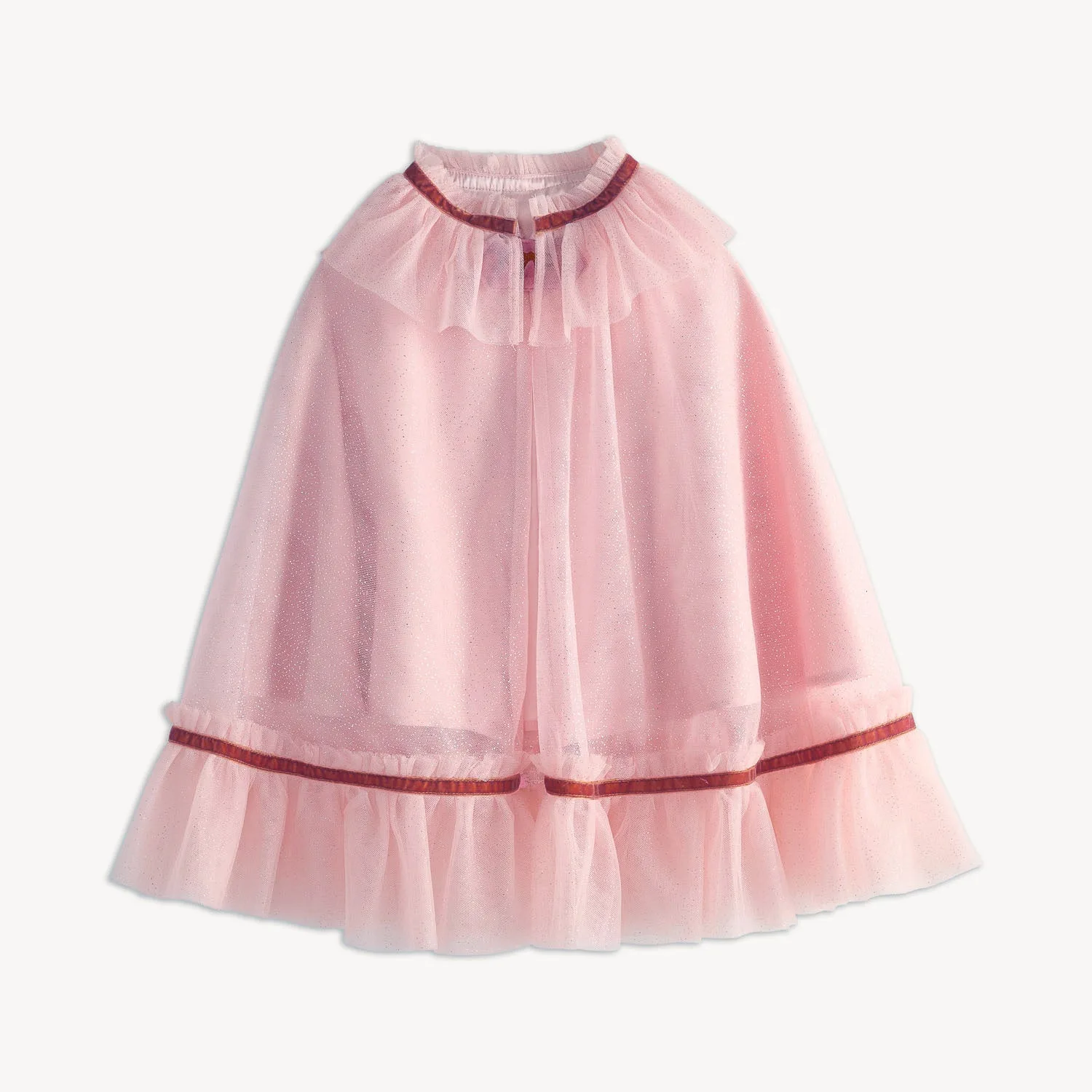
Magnetic Cape
Choosing the right cape size
The Magnetic Me cape comes in sizes XS (2-3T), S (4-5Y), and M (6-7Y). For layering, choose the size that matches your child’s current height, not a size up. A cape that is too large can bunch under an outer layer or drag on the ground during active play.
If your child is between sizes, the smaller size usually works better for layering because it stays close to the body and does not add extra bulk.
How to layer a magnetic cape in 4 steps
- Step 1: Start with a thin, moisture-wicking base layer: Choose a long-sleeved cotton or bamboo bodysuit or shirt that fits snugly. Avoid thick knits or fleece as a base—they add too much bulk and can make the cape feel tight. Common mistake: using a thick sweater as a base. This makes the cape ride up and restricts arm movement.
- Step 2: Add the magnetic cape as the mid-layer: Place the cape over the base layer and fasten the magnetic closure at the neck. Ensure the cape hangs evenly and does not twist. The cape adds warmth and a fun dress-up element without limiting mobility. Checkpoint: The cape should sit comfortably over the shoulders without pulling. If it feels tight, your base layer may be too thick.
- Step 3: Top with a lightweight outer shell for cold or windy weather: Use a thin, unlined jacket or windbreaker over the cape. A shell that is too heavy or insulated will compress the cape and reduce its warmth. The shell also protects the cape fabric from dirt and moisture. Common mistake: using a puffy winter coat over the cape. This crushes the cape and makes it uncomfortable. Choose a slim-fit shell instead.
- Step 4: Adjust layers as the activity level changes: When your child starts running or climbing, remove the outer shell and let them play in just the cape and base layer. If they get too warm, the magnetic closure allows them to remove the cape themselves. Keep the outer shell handy for rest breaks. Checkpoint: After 10 minutes of active play, check the back of their neck for sweat. If damp, remove a layer.
Product facts
- Magnetic Cape: Easy magnetic closure for quick and simple dressing Your child can take the cape off by themselves when they get warm, and you can put it back on instantly without stopping play.