Retinol and vitamin C are two of the most powerful anti-aging ingredients in skincare, but many people wonder if they can be used together. The short answer is yes—when layered correctly, they can complement each other beautifully, tackling everything from fine lines to uneven skin tone. However, getting the order and timing right is crucial to avoid irritation and maximize results.
In this guide, we'll break down the science behind these ingredients, explain how to layer them in your routine, and share tips to help you get the most out of your products. Whether you're a skincare novice or a seasoned enthusiast, you'll find actionable advice to elevate your regimen.
Why Retinol and Vitamin C Are a Powerful Duo
Retinol, a form of vitamin A, is renowned for its ability to speed up cell turnover, reduce fine lines, and improve skin texture. Vitamin C, on the other hand, is a potent antioxidant that brightens the skin, fades dark spots, and protects against environmental damage. Together, they target multiple signs of aging, making them a favorite combo among dermatologists.
When used correctly, retinol works overnight to renew the skin, while vitamin C provides daytime antioxidant protection. This complementary timing allows you to harness the benefits of both without overwhelming your skin. However, because both ingredients can be potent, it's essential to introduce them gradually and listen to your skin's needs.
- Use vitamin C in the morning to boost antioxidant defense against UV and pollution.
- Apply retinol at night to support skin renewal while you sleep.
- Start with lower concentrations and increase frequency gradually to build tolerance.
The Correct Order: Morning vs. Night
The simplest way to layer retinol and vitamin C is to separate them by time of day. In the morning, after cleansing, apply a vitamin C serum like our Vitamin C Lotion to brighten and protect your skin. Follow with moisturizer and sunscreen. At night, after cleansing, apply retinol to clean, dry skin, then seal in hydration with a moisturizer.
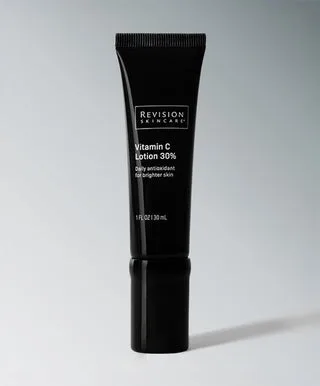
Vitamin C Lotion
If you prefer to use both in the same routine, apply vitamin C first on dry skin, wait 10-15 minutes for it to absorb, then follow with retinol. However, this can increase the risk of irritation, especially for sensitive skin. For most people, alternating days or using one in the morning and the other at night is more effective and gentle.
- Always apply vitamin C before retinol if using them together, as vitamin C has a lower pH.
- Wait 10-15 minutes between applications to let each product absorb fully.
- If your skin feels irritated, reduce frequency to every other day or alternate nights.
Tips for Layering Without Irritation
To avoid the redness and peeling that can come with retinol, start slowly. Use retinol two to three times a week and gradually increase as your skin adjusts. Pair it with a hydrating serum like our HA HydraSerum+ to keep your skin barrier strong. Similarly, vitamin C can be used daily, but if you have sensitive skin, start with a lower concentration.
Always use sunscreen during the day, as both retinol and vitamin C can make your skin more sensitive to UV rays. Additionally, consider using a gentle cleanser and moisturizer to support your barrier. If you're new to these ingredients, you might want to try a starter set that includes both, like our Brighten, Firm + Protect Set, which is designed to work synergistically.
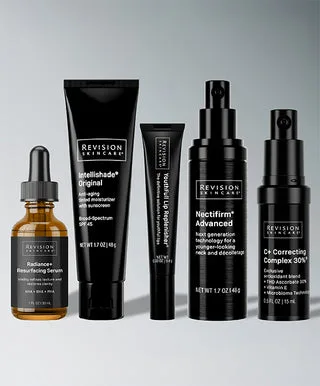
Brighten, Firm + Protect Set
- Patch test new products to check for sensitivity.
- Use a gentle, fragrance-free cleanser to avoid stripping your skin.
- Incorporate a barrier-repairing moisturizer with ceramides or hyaluronic acid.
Common Mistakes to Avoid
One mistake is applying both ingredients at the same time without allowing them to absorb, which can cause pilling and reduce effectiveness. Another is using high concentrations of both from the start, leading to irritation. Remember, more isn't always better—consistency and patience are key.
Also, don't forget to check the pH of your products. Vitamin C works best at a low pH, while retinol is more effective at a slightly higher pH. By separating them into morning and night, you avoid any pH conflicts. If you do combine them, apply vitamin C first and wait, as we mentioned earlier.
- Don't skip sunscreen—this is non-negotiable when using retinol.
- Avoid using other strong actives like AHAs/BHAs on the same nights as retinol.
- If you experience persistent irritation, consult a dermatologist.
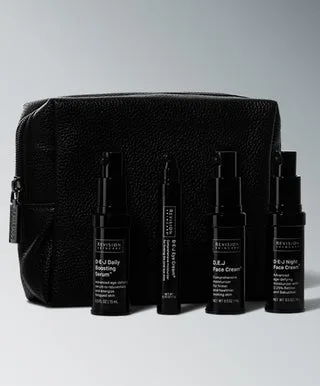
Layering retinol and vitamin C can transform your skin, but it requires a thoughtful approach. By using vitamin C in the morning and retinol at night, you'll maximize their benefits while minimizing irritation. For a complete regimen, consider exploring the D·E·J® Age-Defying Power Regimen, which includes both ingredients in a balanced formula. Start slow, stay consistent, and your skin will thank you.