Building a skincare routine is more than just buying the right products—it’s about applying them in the correct order. The sequence you use can dramatically affect how well each product penetrates and performs. Applying a thick moisturizer before a lightweight serum, for example, can block absorption and reduce efficacy.
In this guide, we break down the standard skincare layering order, explain why texture and pH matter, and share tips to get the most out of your daily routine. Whether you're a beginner or a seasoned enthusiast, understanding how to layer skincare products will help you achieve smoother, brighter, and healthier skin.
Why Skincare Layering Order Matters
The general rule of thumb is to apply products from thinnest to thickest consistency. This ensures that lighter, water-based formulas can absorb into the skin before heavier, oil-based creams create a barrier. If you apply an oil or thick cream first, it can block water-based serums from penetrating, wasting both time and product.
Another factor is pH. Some active ingredients—like vitamin C and alpha hydroxy acids—work best at a low pH. Applying them on clean, dry skin maximizes their effectiveness. Following with a toner or serum that restores pH balance can further enhance results. Layering incorrectly can lead to pilling, reduced absorption, or even irritation.
- Always start with a clean, dry face to allow products to absorb fully.
- Wait 30–60 seconds between layers to let each product sink in before applying the next.
The Standard Skincare Layering Order
Here is the step-by-step order recommended by dermatologists and estheticians. Adjust based on your skin type and concerns, but keep this sequence as your foundation.
Step 1: Cleanser. Start with a gentle cleanser to remove dirt, oil, and makeup. For acne-prone skin, a targeted formula like Acne Master Cleanser can help unclog pores without stripping moisture.
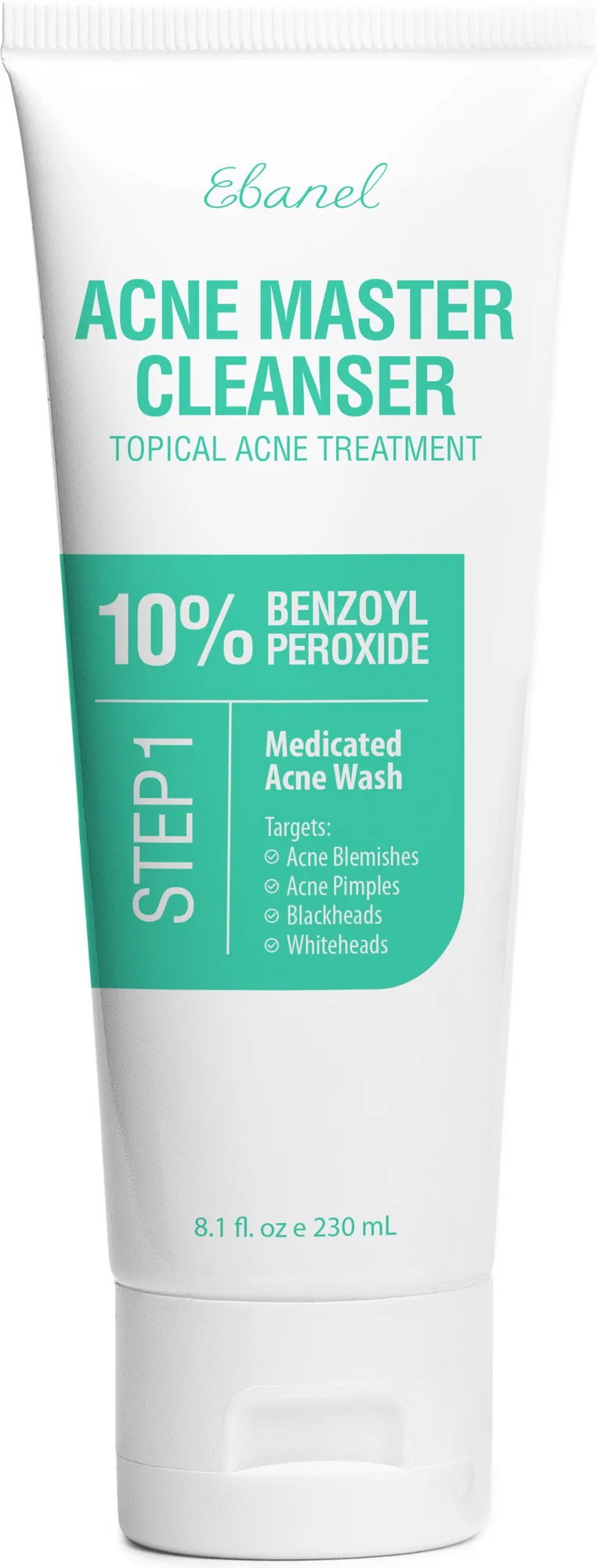
Acne Master Cleanser
Step 2: Toner (if used). A hydrating or pH-balancing toner prepares the skin for subsequent products. Apply with a cotton pad or pat in with clean hands.
Step 3: Essence or Treatment Water. Lightweight and watery, these add a layer of hydration and help subsequent serums absorb better.
Step 4: Serums and Treatments. This is where active ingredients shine. Apply water-based serums first (e.g., vitamin C), then oil-based or thicker treatments. For targeted concerns, consider a product like Liposomal Retinol Moisturizer, which delivers retinol in a liposomal format for deeper penetration with less irritation.
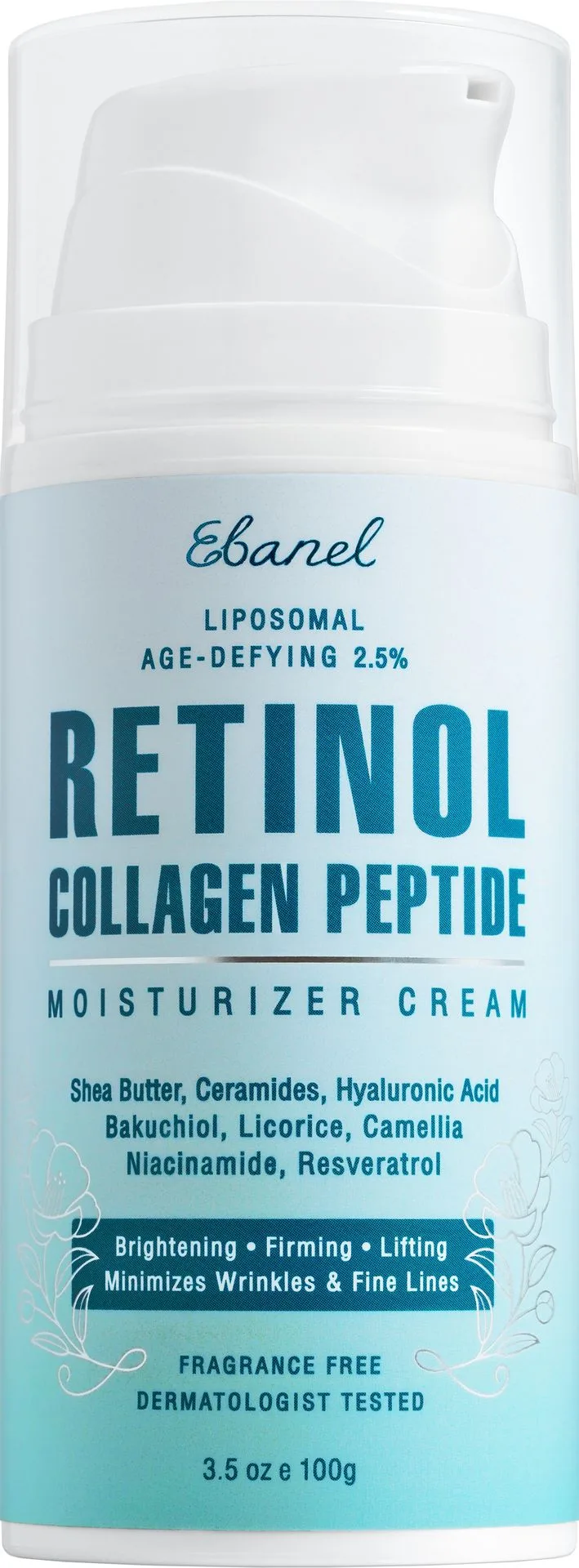
Liposomal Retinol Moisturizer
Step 5: Eye Cream. Use a pea-sized amount around the orbital bone, tapping gently with your ring finger.
Step 6: Moisturizer. Lock in hydration and seal the previous layers. Choose a formula suited to your skin type—gel for oily, cream for dry.
Step 7: Sunscreen (AM only). Always finish your morning routine with a broad-spectrum SPF 30 or higher to protect your skin from UV damage.
- In the evening, replace sunscreen with a nourishing night cream or treatment oil.
- If you use a chemical exfoliant (like AHA or BHA), apply it after toner and before serums.
How to Layer Special Treatments and Masks
Sheet masks, clay masks, and exfoliating treatments have their own place in the routine. Use them 1–3 times per week, depending on your skin’s tolerance.
For sheet masks, apply them after toner and before serums. Leave on for the recommended time (usually 15–20 minutes), then remove and gently pat in any excess essence. Follow with your usual moisturizer. A product like Collagen + Peptide Infusion Mask can deliver a concentrated dose of hydration and anti-aging peptides.
For clay or charcoal masks, apply them to clean, dry skin and rinse off before moving to toner. Avoid using exfoliating and clay masks on the same day to prevent over-stripping your skin barrier.
- Always read each product’s instructions—some masks are designed to be rinsed off, while others are leave-on treatments.
- If you use multiple serums, apply them from lowest to highest pH (e.g., vitamin C first, then niacinamide, then retinol).
Common Layering Mistakes to Avoid
Even with the best products, wrong layering can sabotage your results. Here are the most frequent pitfalls:
Applying too many products at once. Overloading your skin can cause irritation and reduce absorption. Stick to 4–6 steps max, and introduce new products one at a time.
Using oil-based products before water-based ones. This creates a barrier that prevents water-based ingredients from penetrating. Check the texture: if it’s oily, apply it later in the routine.
Skipping sunscreen or applying it too early. Sunscreen should be the last step in your AM routine. If you apply it before moisturizer, it won’t form a proper protective film.
Not waiting between layers. Rushing through your routine can cause pilling and reduce efficacy. Give each product a few seconds to absorb before moving on.
- If you experience pilling, try patting products in instead of rubbing, or reduce the number of layers.
- For sensitive skin, patch test new products on your inner arm before applying to your face.
Customizing Your Routine for Different Skin Concerns
Your layering order may vary slightly based on your primary goals. Here are adjustments for common concerns:
For acne-prone skin: Use a salicylic acid cleanser or toner first, then a lightweight, oil-free moisturizer. Avoid heavy creams that can clog pores. Acne Master Cleanser is an excellent choice for its gentle yet effective formula.
For anti-aging: Incorporate a retinol serum after toner, followed by a peptide-rich moisturizer. Liposomal Retinol Moisturizer provides a potent yet gentle option for nightly use.
For hyperpigmentation: Layer a vitamin C serum in the morning (after toner), and use a brightening treatment like niacinamide in the evening. Always finish with sunscreen to prevent dark spots from worsening.
For dry or dehydrated skin: Use a hydrating toner, then a hyaluronic acid serum on damp skin, followed by a rich moisturizer or facial oil to lock in moisture.
- If you use multiple active ingredients, alternate them between AM and PM routines to reduce irritation.
- Listen to your skin—if it feels tight or irritated, simplify your routine to the basics: cleanser, moisturizer, sunscreen.
Mastering the art of layering skincare products is a simple yet powerful way to elevate your routine and see real results. By following the thinnest-to-thickest rule, respecting pH and texture, and customizing for your unique skin needs, you can maximize the benefits of every product you use. Start with a clean slate, choose quality formulas, and give each layer time to absorb. For a targeted boost, explore how a product like Collagen + Peptide Infusion Mask can fit into your weekly routine for added hydration and radiance.