Quick Answer
To layer a sweater over a hoodie without bulk, choose a thin hoodie and a fine-knit sweater. Put the hoodie on first, then the sweater. Adjust the hood so it sits flat, and keep the rest of your outfit streamlined with slim pants and simple shoes.
Layering a sweater over a hoodie can keep you warm and add visual interest to your outfit, but it often turns into a lumpy, uncomfortable mess. The key is to manage thickness and proportions so the layers work together instead of fighting each other.
This guide walks you through a simple, step-by-step process to layer sweaters over hoodies without bulk. You'll learn what to look for in each piece, how to put them on, and how to style the finished look. We'll also cover common mistakes and how to avoid them.
Why Layering Sweaters Over Hoodies Goes Wrong
Most bulk comes from combining two thick pieces. A heavy fleece hoodie under a chunky knit sweater creates too much volume, especially around the chest, shoulders, and neck. The hoodie's hood and drawstrings add extra fabric that can bunch up under the sweater.
Another issue is fit. If the hoodie is too loose, it will wrinkle and fold under the sweater. If the sweater is too tight, it will compress the hoodie and look strained. The goal is a smooth, flat foundation with a sweater that skims over it without pulling.
- Avoid pairing thick hoodies with thick sweaters.
- Look for hoodies with flat, minimal drawstrings.
- Choose sweaters with a relaxed but not oversized fit.
Choose the Right Hoodie
Start with a thin, lightweight hoodie. Cotton or a cotton-poly blend works well because it's smooth and doesn't add much bulk. Avoid heavy fleece or sherpa-lined hoodies, which are too thick for layering under a sweater.
The hoodie should fit close to your body without being tight. A slim or regular fit is ideal. Check that the sleeves are not too loose, as they can bunch up inside the sweater's sleeves. Also, consider the hood's thickness: a thin, single-layer hood lies flatter under a sweater.
- Opt for a hoodie made of thin cotton or a lightweight blend.
- Ensure the hoodie fits smoothly under the sweater without excess fabric.
- Test the hoodie alone: if it looks bulky, it will be worse under a sweater.
Pick a Sweater That Layers Well
Choose a fine-knit sweater made of merino wool, cashmere, or a thin cotton blend. These materials are warm but low-profile. Avoid chunky cable knits, thick wool, or oversized sweaters, as they add too much volume.
The sweater should fit comfortably over the hoodie without pulling at the buttons or seams. A crew neck or V-neck works best because it frames the hoodie's hood neatly. If you want to show the hoodie's drawstrings, a V-neck or scoop neck is a good choice.
- Fine-gauge knits are your friend for layering.
- Crew necks and V-necks are the most flattering over a hoodie.
- Avoid sweaters with heavy textures or embellishments that add bulk.
Put It On in the Right Order
Always put the hoodie on first, then the sweater. This ensures the hoodie sits smoothly against your body and the sweater can glide over it. If you put the sweater on first, the hoodie will bunch up and be difficult to adjust.
When pulling the sweater over, guide the hoodie's sleeves down to prevent them from riding up. Adjust the hood so it lies flat against your back or sits neatly around your neck. Make sure the hoodie's bottom hem doesn't roll up under the sweater.
- Hoodie first, sweater second.
- Smooth out any wrinkles in the hoodie before adding the sweater.
- Check the mirror to ensure the hood lies flat and the sweater drapes evenly.
Adjust for a Clean Silhouette
Once both pieces are on, do a quick check in the mirror. The sweater should hang smoothly without pulling across the chest or shoulders. If it's tight, the hoodie is too thick or the sweater is too small. If it's baggy, the sweater is too large.
Tuck the hoodie's drawstrings inside the sweater if they stick out awkwardly. You can also let them hang for a casual look, but keep them neat. Ensure the hoodie's sleeves aren't bunched up inside the sweater's sleeves; pull them down gently if needed.
- If the sweater pulls, switch to a thinner hoodie or a larger sweater.
- Hide drawstrings for a cleaner look, or let them show intentionally.
- Check the back: the hood should not create a lump under the sweater.
Style the Rest of the Outfit
To balance the layers on top, keep your bottom half streamlined. Slim or straight-leg pants, like jeans or tailored trousers, work well. Avoid baggy pants, which can make the whole outfit look heavy. For shoes, choose simple sneakers, boots, or loafers that match the vibe.
Accessories can enhance the look without adding bulk. A structured bag or a simple belt can define your waist. If you wear a scarf, choose a lightweight one and drape it loosely so it doesn't compete with the hoodie's hood.
- Slim pants balance the volume on top.
- Keep accessories minimal and streamlined.
- Consider a belt to add definition if the sweater is long.
Step-by-Step Layering Process
- Start with a thin hoodie: Choose a lightweight cotton or blend hoodie that fits close to the body. Avoid thick fleece or oversized fits. Checkpoint: The hoodie should feel smooth and not add bulk when worn alone.
- Select a fine-knit sweater: Pick a sweater made of merino, cashmere, or thin cotton. It should fit comfortably over the hoodie without pulling. Checkpoint: The sweater should glide over the hoodie without resistance.
- Put on the hoodie first: Wear the hoodie as your base layer. Adjust the hood so it lies flat and smooth out any wrinkles. Checkpoint: The hoodie should look neat and flat before you add the sweater.
- Add the sweater: Pull the sweater over your head, guiding the hoodie's sleeves down to prevent bunching. Checkpoint: The sweater should hang smoothly without pulling at the seams.
- Adjust the hood and drawstrings: Make sure the hood lies flat against your back or sits neatly around your neck. Tuck in drawstrings or let them hang neatly. Checkpoint: No lumps or bumps should be visible under the sweater.
- Style the rest of the outfit: Pair with slim pants and simple shoes. Keep accessories minimal to avoid adding bulk. Final check: The overall silhouette should be streamlined and balanced.
Real Pieces That Work for Layering
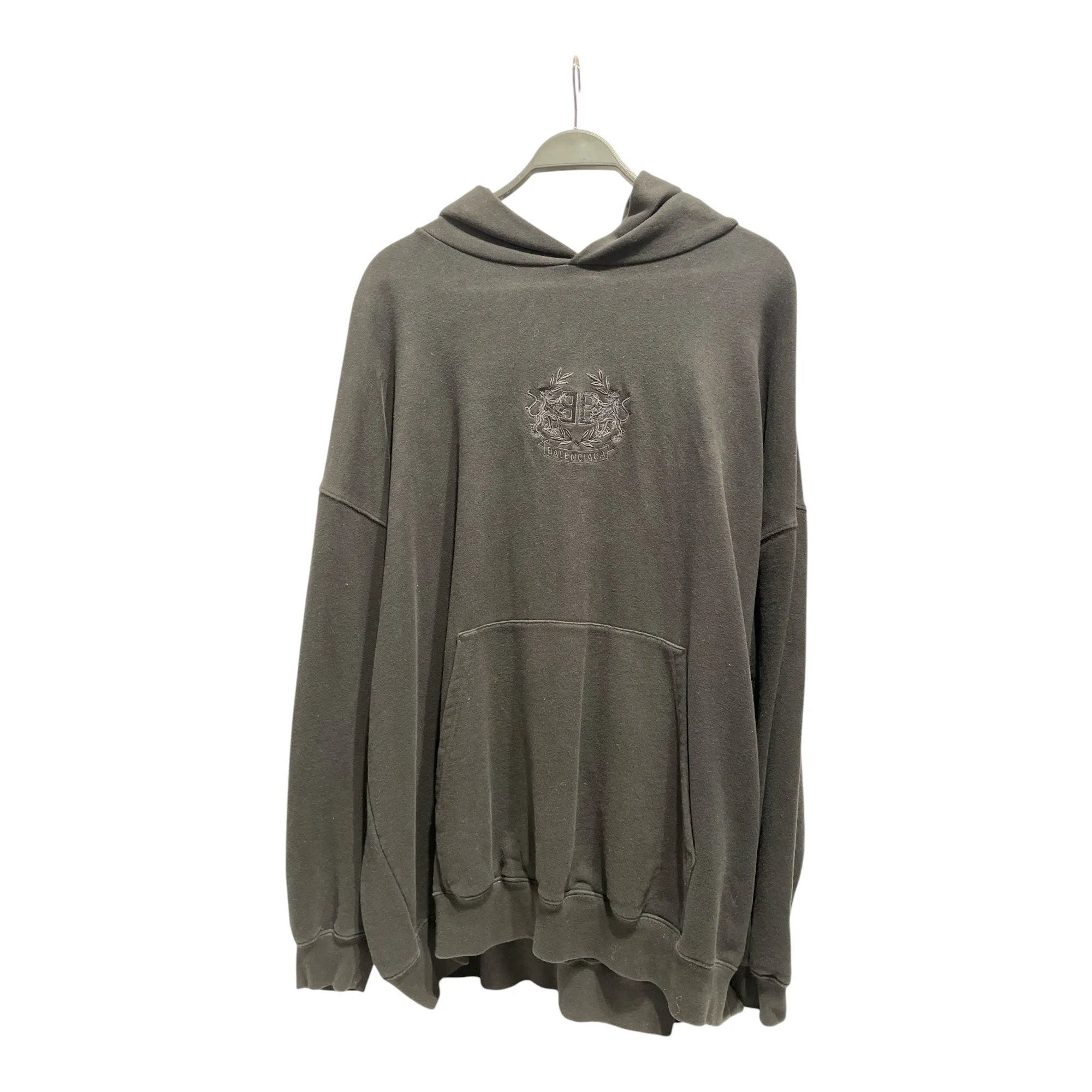
- BALENCIAGA/Hoodie/M/Cotton/BLK/Oversize/CREST LOGO: Size: Chest: 31” Length: 32” Color: BLK Material: COTTON Condition: Used_Good This hoodie is cotton and has a chest measurement of 31 inches, which is relatively slim. It can work as a base layer under a sweater if the sweater is sized up. The oversize fit might add some bulk, so choose a thin sweater.
- ARC'TERYX/Jacket/M/Acrylic/YLW/: Measurements: Shoulder:21” Chest:24”Sleeve:26”Length:29” Color: YLW Material: ACRYLIC Condition: USED_VERYGOOD This jacket is acrylic and has a chest of 24 inches, which is quite slim. It could be used as a mid-layer instead of a hoodie, but if you want a hoodie, look for a similar slim fit. The bright yellow adds a pop of color under a neutral sweater.
Layering a sweater over a hoodie doesn't have to be bulky. By choosing thin pieces, putting them on in the right order, and adjusting for a clean fit, you can create a warm, stylish outfit. Remember to keep the rest of your look streamlined and have fun experimenting with different colors and textures.