Quick answer
Put your underwear on first, then your base layer over it. The underwear manages moisture and support next to your skin; the base layer adds insulation and moves sweat outward. Choose a snug but not tight fit, and avoid cotton for high-sweat activities because it holds moisture and chills you when you slow down.
Why the order matters
Layering works by moving moisture away from your skin and trapping warmth without trapping sweat. If you put a base layer directly against your skin, it can wick moisture but may not manage it as well as a dedicated underwear layer, and you lose the support and separation that reduces chafing. Wearing underwear under your base layer keeps your skin drier, which is the key to staying warm when you stop moving.
The common mistake is doubling up on thick fabrics. Two heavy layers can feel bulky and restrict movement, and if they don't breathe, sweat stays trapped. Instead, think of each layer as having a job: underwear for moisture and support, base layer for insulation, and outer layer for wind or weather protection.
Fabric choices that keep you warm without bulk
Look for moisture-wicking materials for your underwear and base layer. Synthetic blends, merino wool, and technical fabrics move sweat away from your skin and dry faster than cotton. Cotton feels soft but holds moisture, so it's a poor choice for active cold-weather layering. If you run cold or sweat heavily, a light compression layer can add support without much bulk.
For your base layer, choose a weight that matches the temperature and your activity level. A light or midweight base layer works for most winter days; reserve heavyweight for extreme cold or low activity. The fit should be close to the body but not restrictive, so it can wick effectively.
Adjusting layers as your day changes
Start slightly cool rather than warm. You can always add a layer, but you can't easily remove sweat once it's trapped. If you're going to be active, wear fewer or lighter layers and add a shell for wind. When you stop for a break, put on an insulating layer right away to avoid a chill.
Ventilation matters too. Look for base layers with zip necks or mesh panels, and don't overdress your core. Your hands and feet get cold when your core overheats and your body redirects blood flow. Keep your core temperature steady and your extremities will stay warmer.
Step-by-step: how to layer for cold weather
- Start with moisture-wicking underwear: Put on underwear that wicks sweat and fits snugly without being tight. This is your first layer and it should stay close to your skin. Checkpoint: if your underwear bunches or rides up, it will be uncomfortable under a base layer—fix the fit before adding more layers.
- Add a base layer over your underwear: Pull on a base layer top and bottom that match the temperature and your activity. It should sit smoothly over your underwear without creating ridges. Common mistake: wearing a cotton base layer for active days. It soaks up sweat and chills you when you slow down.
- Adjust with mid and outer layers: Add an insulating mid layer if needed, then a windproof or waterproof shell. Vent or remove layers before you start sweating heavily. Checkpoint: you should feel cool at the start. If you're warm before you start moving, you're overdressed.
Products that fit this layering system
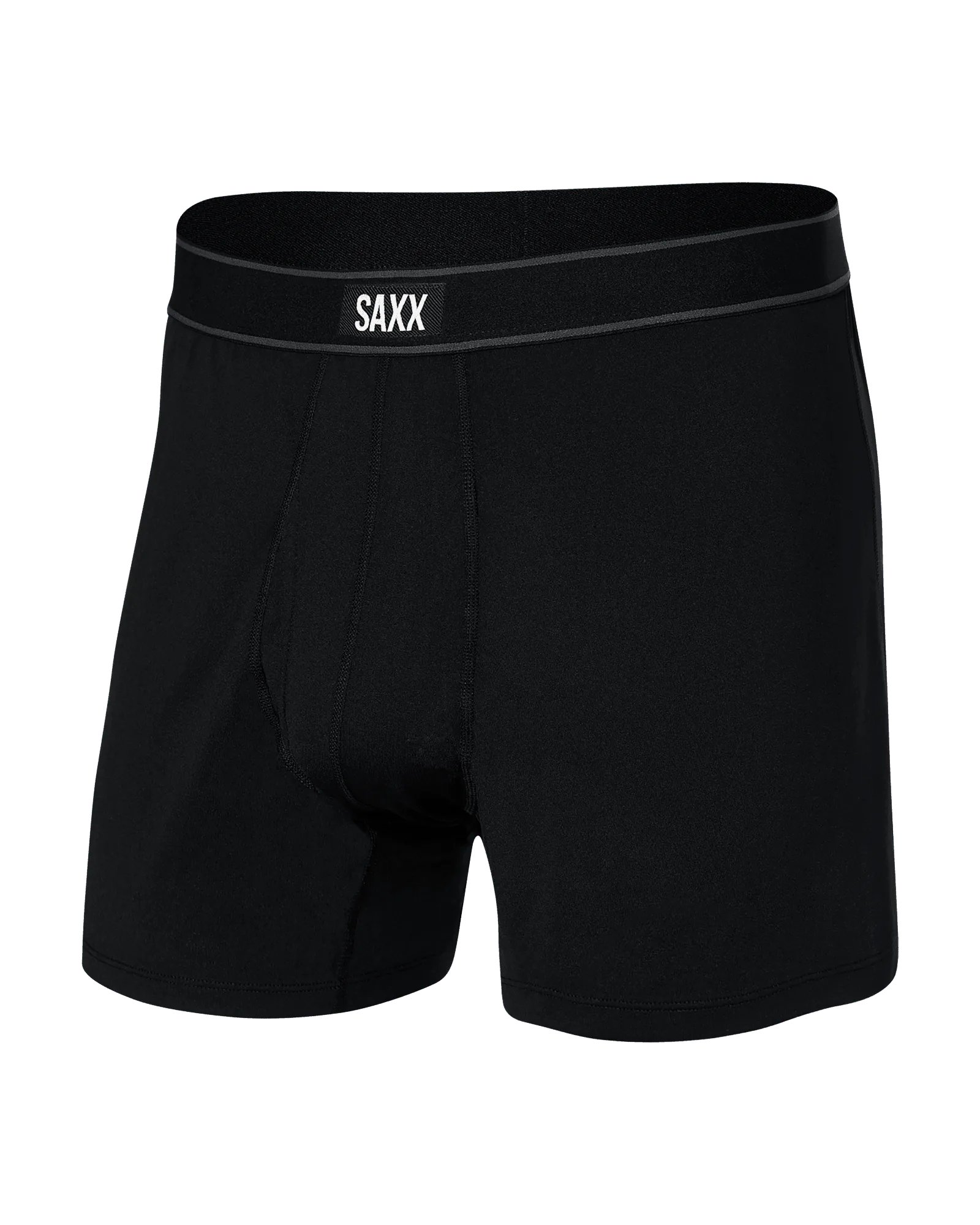
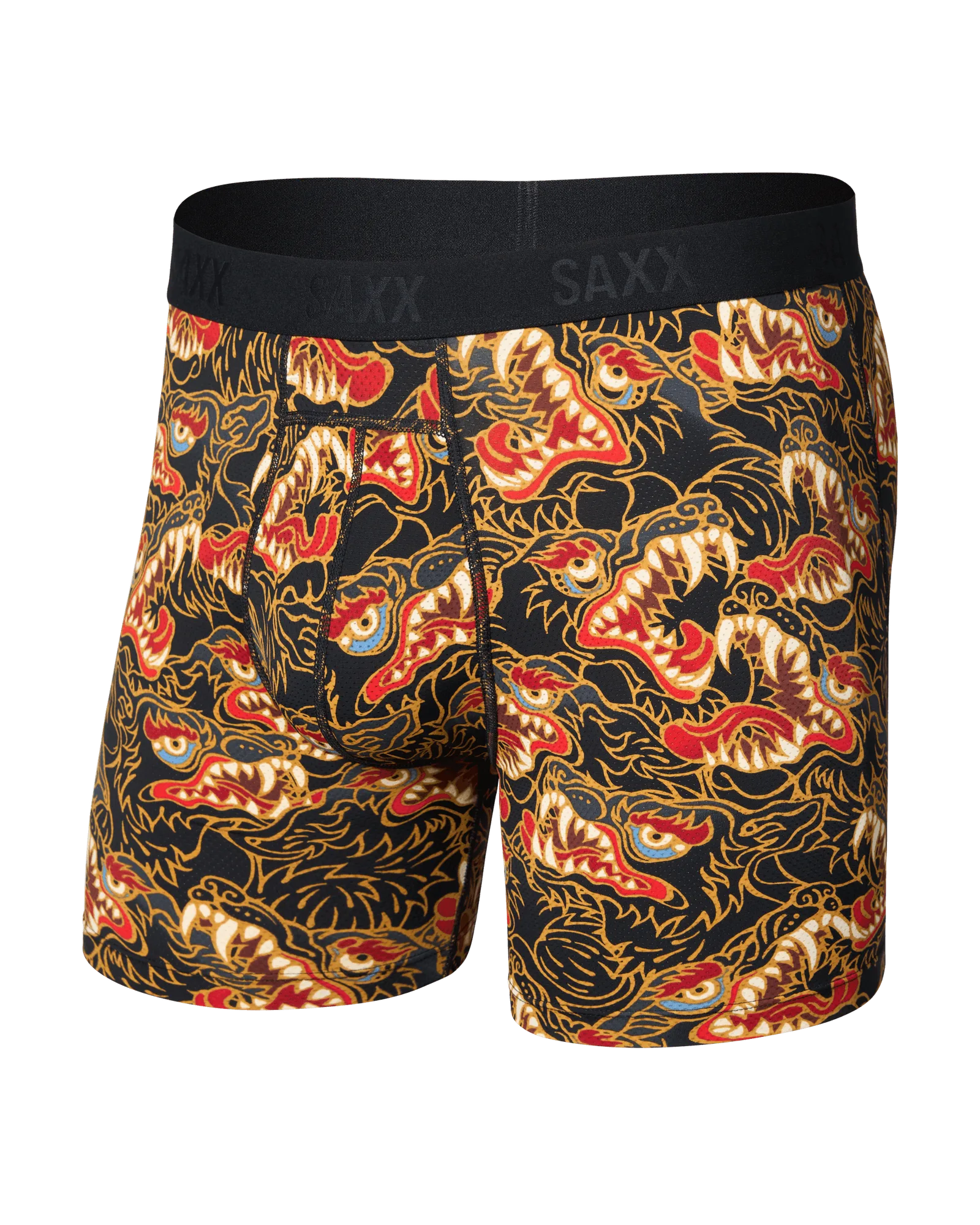
- Daytripper Comfort Stretch (5 Pack): https://saxxunderwearszi.com/products/sxbb11f-tos-ec3c566be1c913b17c600a33-1039127https://saxxunderwearszi.com/products/sxlf11f-blk-71a8c82304d9c3e4cd291740-1039133https://saxxunderwearszi.com/products/sxbb11f-ppn-1d9a044f8b687dd110ff188a-1039166https://saxxunderwearszi.com/products/sxlf11f-bby-1ac1f45e4c292e7a34a3db0b-1039169Daytripper Comfort Stretch is made with a durable, breathable, and moisture-wicking fabric to deliver premium comfort for guys on the go. Includes the BallPark Pouch®, Stop Drop Technology™, and No-RideUp Leg™. Five-pair pack. Breathable and moisture-wicking, so it works as a first layer under a base layer without trapping sweat. The No-RideUp Leg™ helps prevent bunching when you pull a base layer over it.
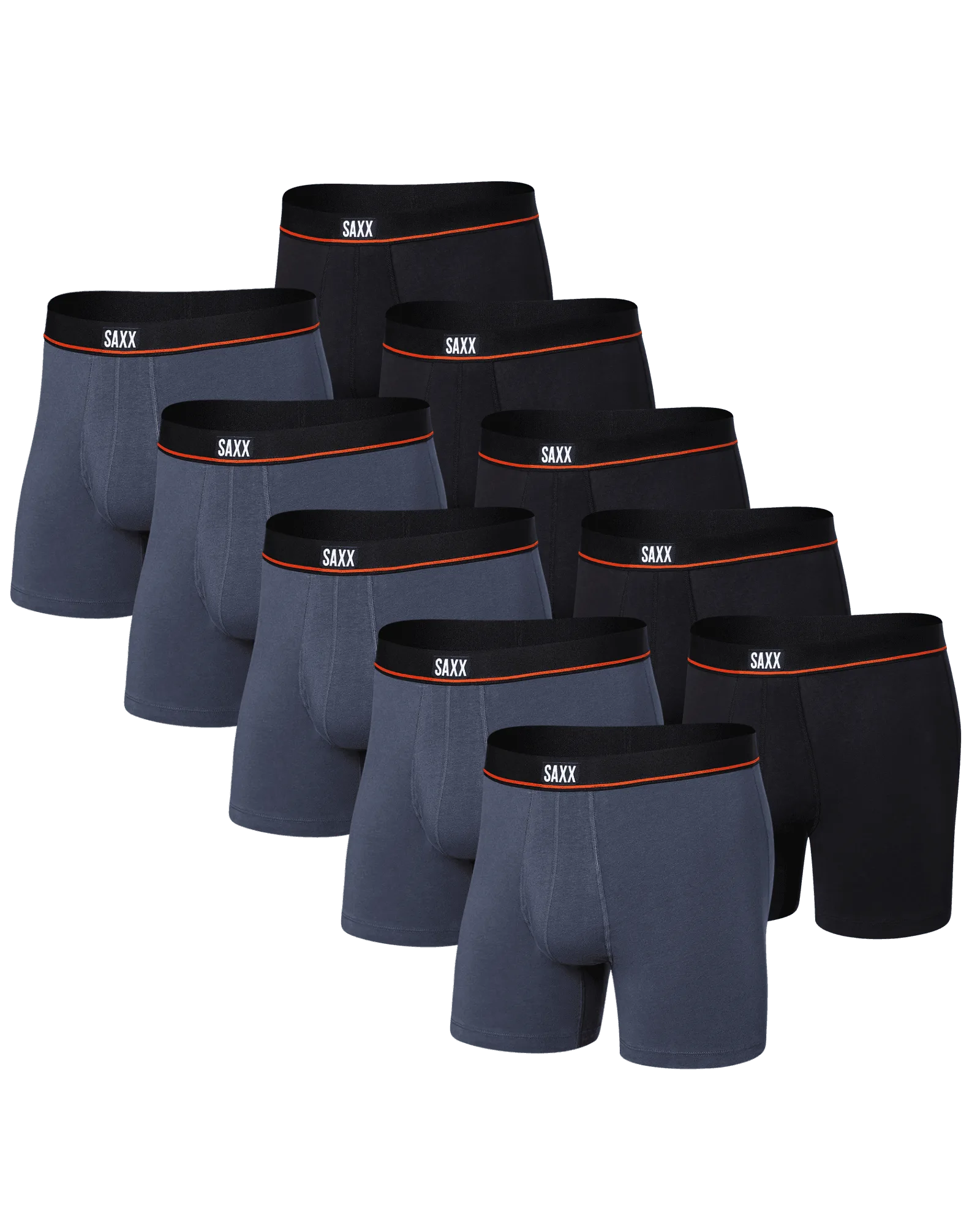
- Non-Stop Stretch Cotton (10 Pack): Non-Stop Stretch Cotton keeps it together with an incredibly soft, lightweight cotton. This Boxer Brief delivers comfortable 4-way stretch without bagging out — featuring a fly opening and the BallPark Pouch®. Ten-pair pack. A soft, stretchy option for low-sweat cold days, but cotton holds moisture, so it's better for casual wear than high-output activities.
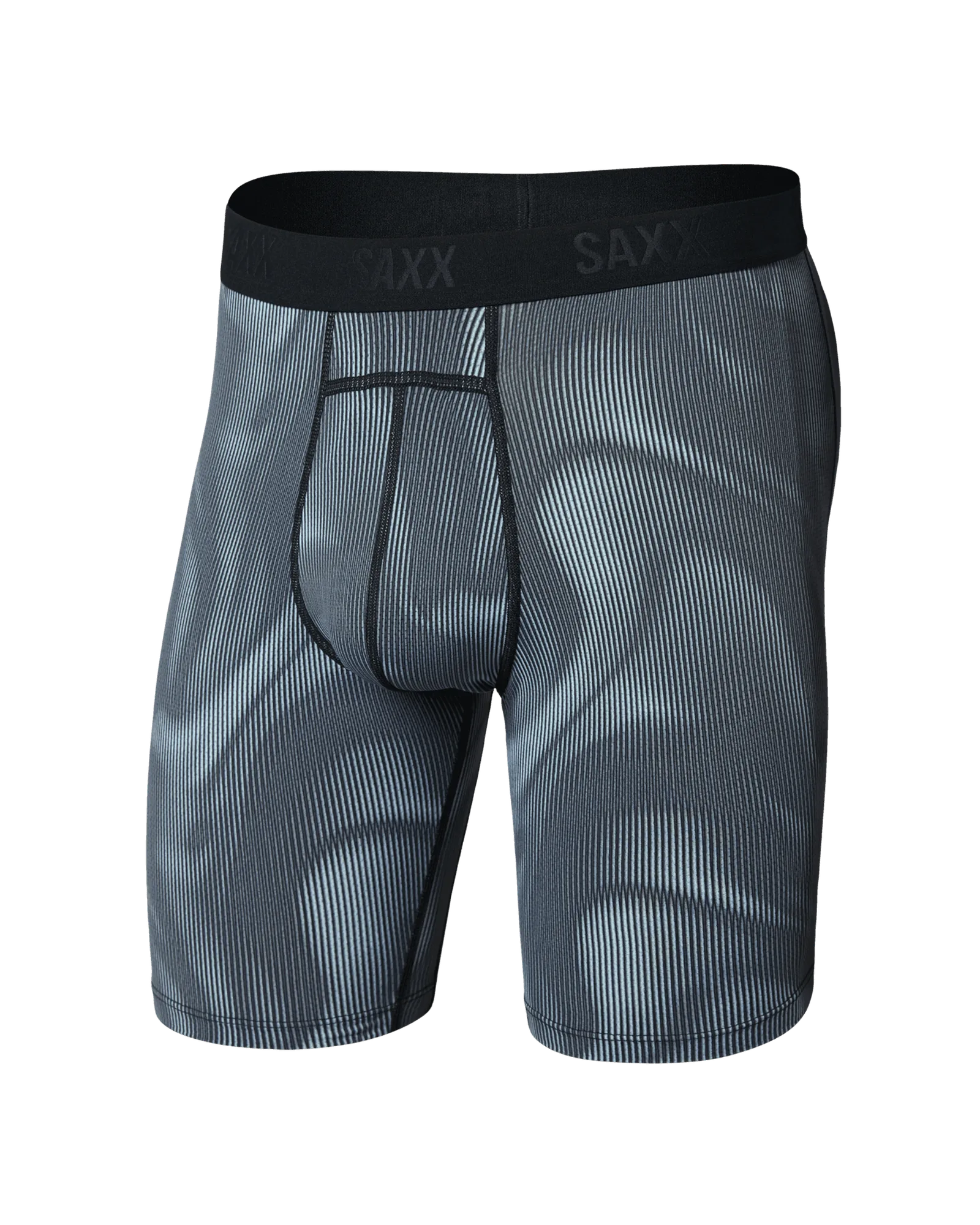
- Smooth Flex Light Compression x Aaron Gordon: Aaron Gordon’s training essential. Smooth Flex Light Compression delivers performance support without the squeeze and adaptive stretch that holds where it matters and moves freely through every rep. Light compression adds support without bulk, making it a good choice under a base layer when you want extra stability during cold-weather training.