Layering your skincare products in the correct order is essential for achieving the best results from your routine. Applying products in the wrong sequence can reduce their effectiveness and even cause irritation. This guide will walk you through the optimal order to layer your skincare, ensuring each product absorbs properly and works synergistically.
Whether you're a skincare novice or a seasoned enthusiast, understanding the 'why' behind the order can transform your routine. From lightweight toners to rich moisturizers and SPF, we'll break down each step and explain how to get the most out of your products.
Why Order Matters in Skincare
The general rule of thumb is to apply products from thinnest to thickest consistency. This allows lighter formulas to penetrate deeply before heavier creams create a barrier. If you apply a thick moisturizer before a lightweight serum, the serum won't be able to reach the skin effectively.
Additionally, some active ingredients work best on clean, bare skin, while others need a buffer to minimize irritation. By following the correct order, you ensure that each product delivers its intended benefits without interference.
- Always start with a clean face to prevent dirt and oil from blocking absorption.
- Wait a minute or two between layers to allow products to sink in.
Step-by-Step: The Correct Skincare Layering Order
Start with a gentle cleanser to remove impurities without stripping the skin. For a deeper clean, consider a double cleanse using an oil-based cleanser followed by a water-based one. After cleansing, apply toner to balance the skin's pH and prep it for subsequent products.
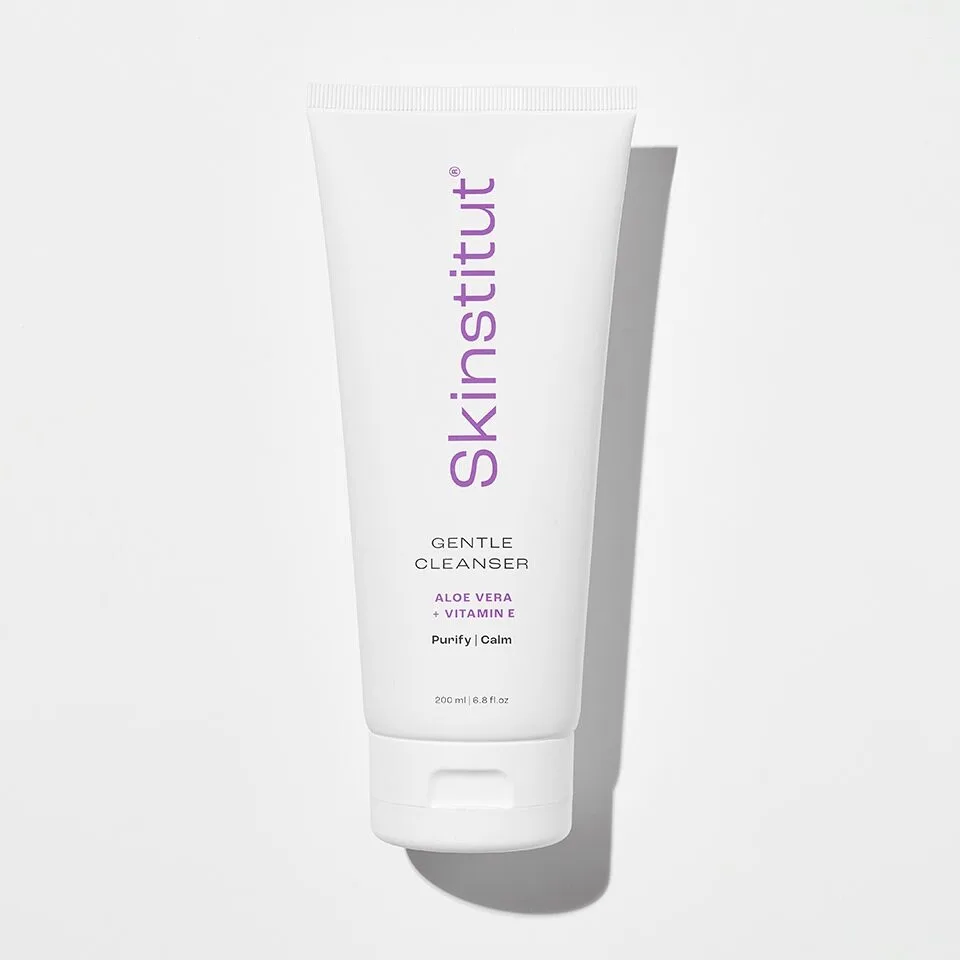
gentle cleanser
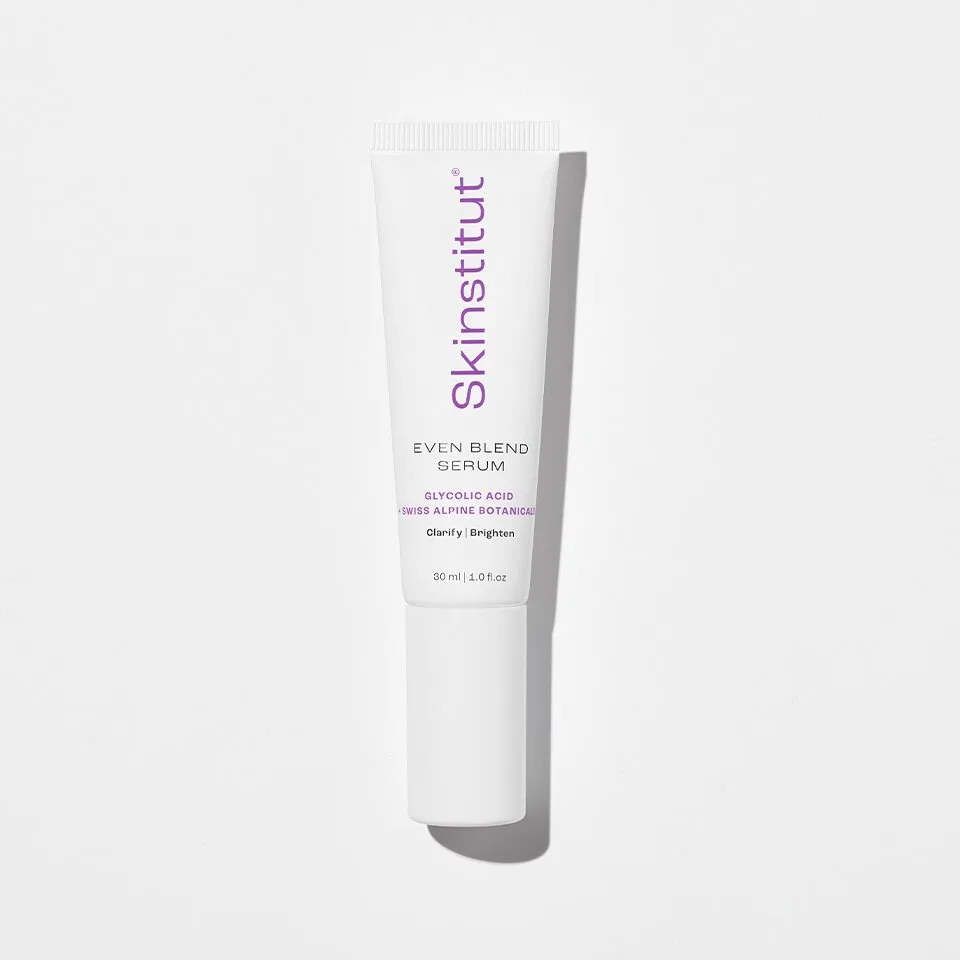
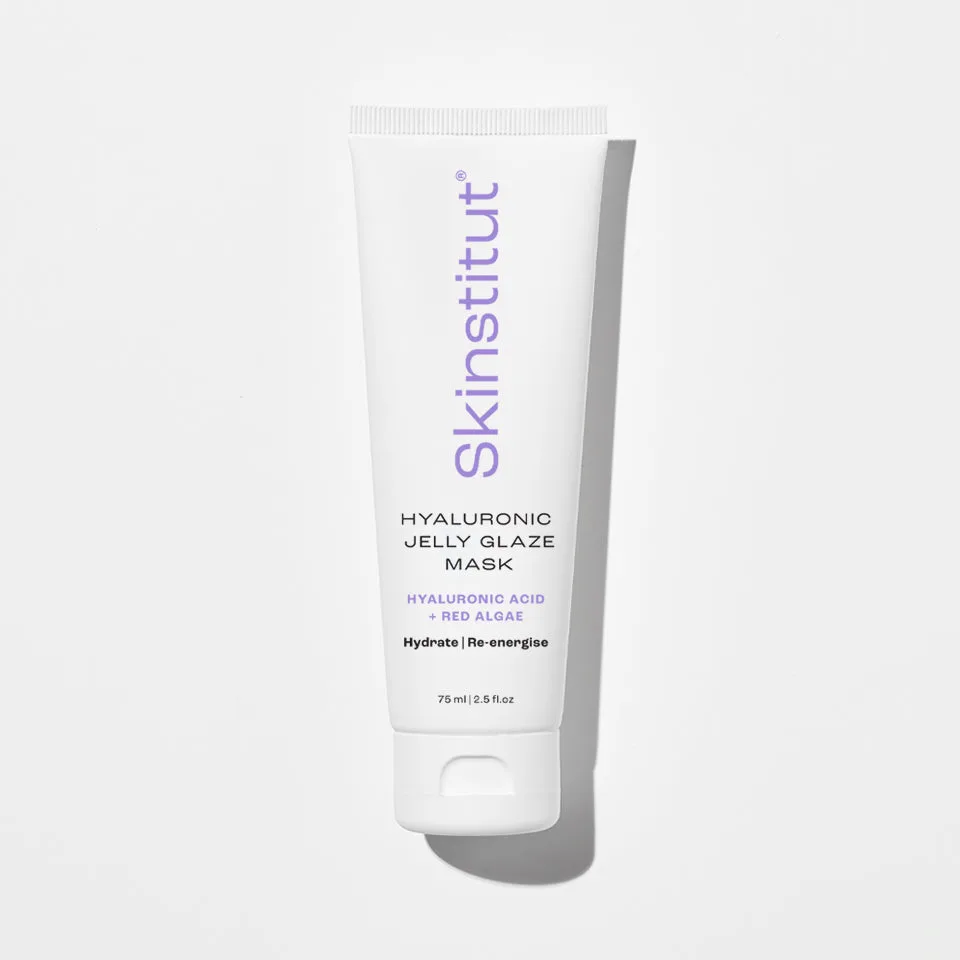
Next, apply treatments like serums and oils. These are concentrated and should be applied before moisturizers. For example, a hydrating serum like the Hyaluronic Jelly Glaze Mask can be used as a hydrating layer, but for daily routine, a serum like the Even Blend Serum should be applied after cleansing and toning.
After serums, apply eye cream (if you use one), then a moisturizer to seal in all the active ingredients. Finally, during the day, finish with sunscreen as the last step to protect your skin from UV damage.
- Cleanser → Toner → Exfoliant (if used) → Serum → Eye Cream → Moisturizer → SPF (day only)
- Adjust the order if you use a retinol: apply it after water-based serums but before heavier creams to minimize irritation.
Layering Serums and Moisturizers: What Goes First?
Serums are lightweight and packed with active ingredients, so they should be applied before moisturizers. This allows the actives to penetrate the skin without the barrier of a heavier cream. For example, the Retinol Serum should be applied after cleansing and toning, and then followed by a moisturizer to lock in hydration and reduce potential dryness.
Moisturizers, on the other hand, are designed to hydrate and protect the skin barrier. They create a seal that keeps active ingredients in and prevents water loss. If you apply a moisturizer before a serum, the serum will sit on top and not absorb properly, wasting its benefits.
- Always apply water-based serums before oil-based ones.
- If your moisturizer is very rich, consider applying it only at night and using a lighter lotion during the day.
How to Layer SPF in Your Routine
Sunscreen should always be the final step in your daytime skincare routine. This ensures that it forms an even protective layer over all your other products. Apply it generously and wait a few minutes before applying makeup to allow it to set.
If you use multiple layers of skincare, make sure each has absorbed before applying SPF. This prevents pilling and ensures maximum protection. Remember, SPF is non-negotiable—even on cloudy days.
- Use about two finger-lengths of sunscreen for your face and neck.
- Reapply every two hours if you're outdoors.
Common Mistakes to Avoid
One of the most common mistakes is applying products too quickly without letting them absorb. This can cause pilling and reduce efficacy. Another mistake is using too many active ingredients at once, which can overwhelm the skin and lead to irritation.
Also, avoid skipping moisturizer even if you have oily skin. Moisturizing helps balance oil production and keeps the skin barrier healthy. And never forget to apply SPF—even if your moisturizer contains SPF, it's often not enough coverage.
- Wait at least 60 seconds between layers.
- Introduce new active ingredients gradually to avoid irritation.
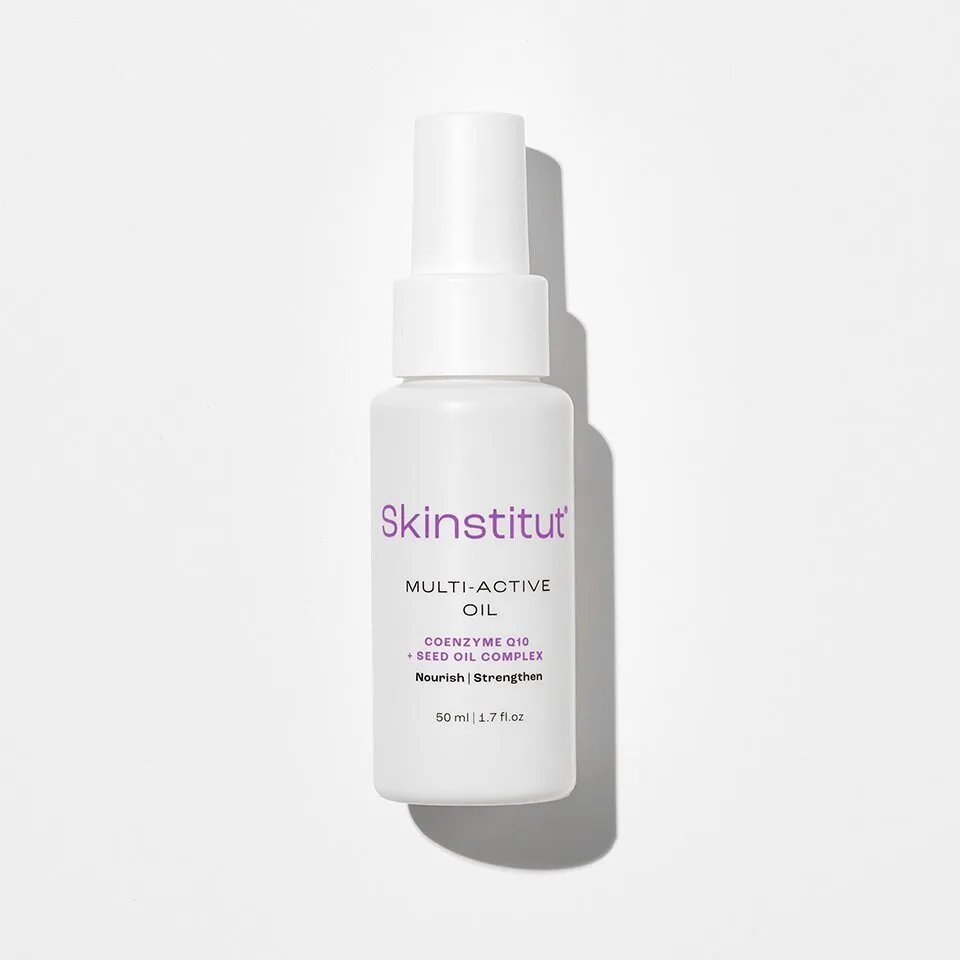
Mastering the correct skincare layering order is key to achieving healthy, glowing skin. By following these steps, you ensure that each product works effectively and your skin reaps the full benefits. If you're looking to elevate your routine, consider exploring our range of serums and moisturizers, such as the Multi-Active Oil, to find what suits your skin best.