Quick answer
To load 120 film into a Paterson tank without kinks, work in complete darkness, remove the backing paper slowly, and guide the film onto the reel with a gentle curve. Keep the reel dry and clean, and never force the film. Practice with a sacrificial roll if you are new to home develop 120 film.
Why 120 film kinks and how to avoid them
120 film is wider and more flexible than 35mm, and its thin base can easily crease if you bend it sharply. Kinks usually happen when the film is pushed too fast, when the reel is wet, or when the film is not aligned with the reel's grooves. Unlike 35mm, 120 film has no sprocket holes to guide it, so you must rely on feel and a steady hand. The backing paper also adds bulk; if you try to load both film and paper, the reel will jam and the film will buckle. Always separate the film from the backing paper before loading. A clean, dry Paterson reel is your best defense against kinks.
Preparing your Paterson reel and tank
Before you turn off the lights, inspect your Paterson reel. The ball bearings should move freely and the grooves should be free of dust or chemical residue. If you have a two-reel tank, you can load one reel and leave the other empty, but make sure the empty reel is not blocking the film path. Set out your tank, lid, and reel within easy reach. Have your film, scissors, and a bottle opener (for removing the spool) nearby. A changing bag or a completely dark room is essential—any light leak will fog the film. If you use a changing bag, make sure it is large enough to move both arms comfortably.
Step-by-step: loading 120 film into a Paterson tank
- Work in total darkness: Turn off all lights and wait for your eyes to adjust. If using a changing bag, zip it closed and insert your hands. Any stray light will fog the film, especially the high-speed Rollei Retro 400S. Checkpoint: Can you see your hand? If yes, it's not dark enough.
- Remove the backing paper: Unroll the film from the spool. Hold the film by the edges and slowly peel away the backing paper. Do not let the film touch the floor or any dirty surface. The paper can create static that attracts dust. Mistake to avoid: Ripping the paper quickly can scratch the emulsion.
- Trim the film leader: Use scissors to cut a gentle curve or a slight taper at the leading edge of the film. This helps the film slide into the reel's grooves without catching. Cut between the sprocket holes if present, but 120 film has none—just round the corners slightly. Checkpoint: The leader should be smooth, with no square corners that can snag.
- Align the film with the reel: Hold the reel with the opening facing you. Insert the film leader into the reel's entrance, making sure it goes under the ball bearings. The film should enter straight, not at an angle. Feed about 2–3 cm into the reel. Mistake to avoid: Forcing the film if it resists—stop and realign.
- Ratchet the film onto the reel: Use the ratchet action: push the film in a little, then turn the reel slightly to advance. Repeat this back-and-forth motion. Let the reel pull the film in; do not push the film directly. Keep your fingers on the edges of the film to avoid fingerprints on the emulsion. Checkpoint: You should feel a smooth, steady resistance, not a jerky or tight one.
- Separate the film from the backing paper completely: As you load, the backing paper will trail behind. Make sure it does not get pulled into the reel. If the paper starts to enter, stop and pull it away. The film and paper must be fully separated before the film is halfway onto the reel. Mistake to avoid: Loading film and paper together will cause a jam and kink the film.
- Finish loading and secure the film: Continue the ratchet motion until the film is fully wound onto the reel. The film should end with the trailing edge just at the reel's entrance. Do not force the last bit; if it stops, the film may be misaligned. Once loaded, place the reel into the tank and secure the lid. Checkpoint: The film should sit flat in the reel's grooves with no bulges.
Tools that help you load 120 film cleanly
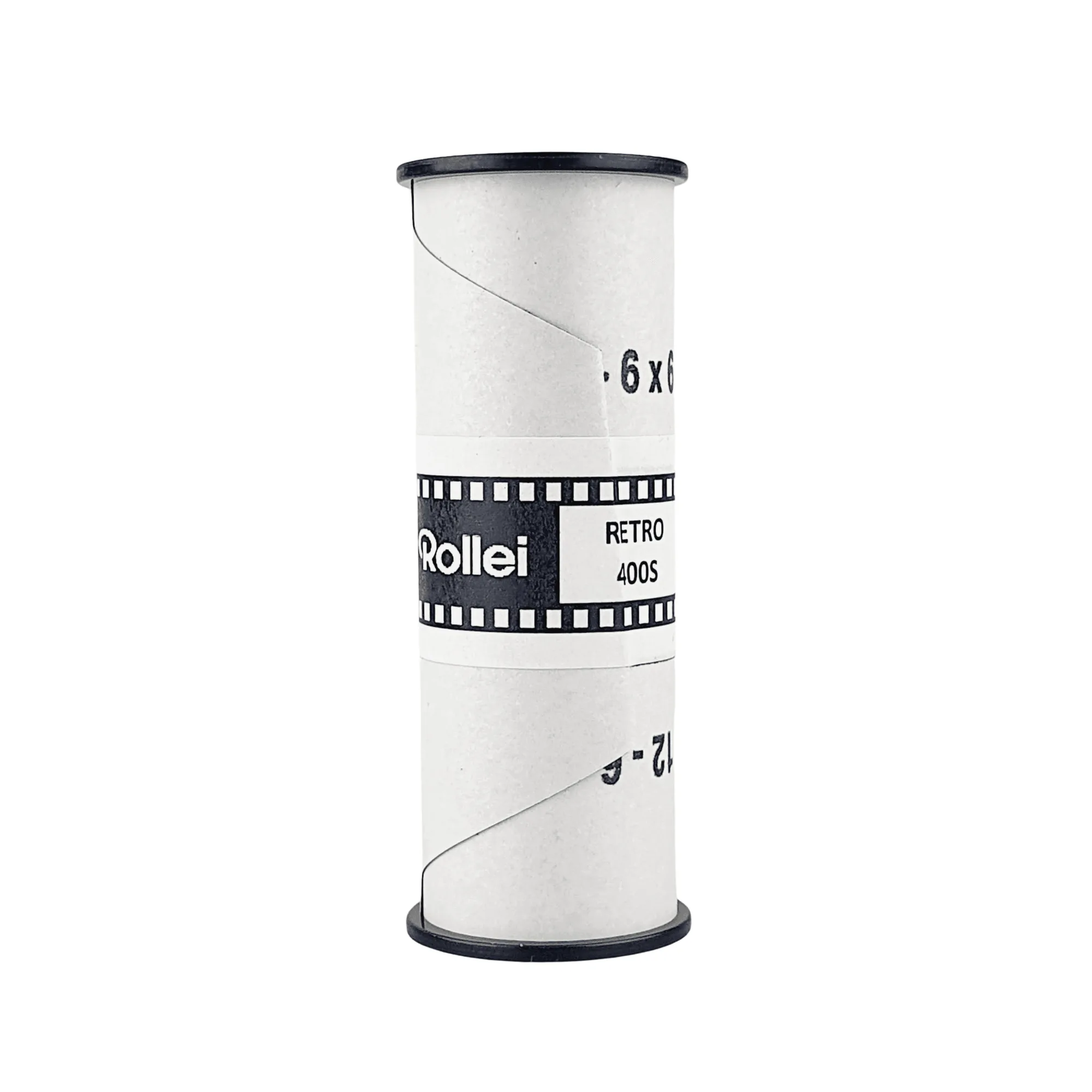
- Rollei Retro 400s 120 Film: Rollei Retro 400S is a high-speed black and white film with an ISO rating of 400, coated onto a modern synthetic film base. Its synthetic base is slightly stiffer than traditional film, which can make it easier to load without kinking, but it still requires careful handling.
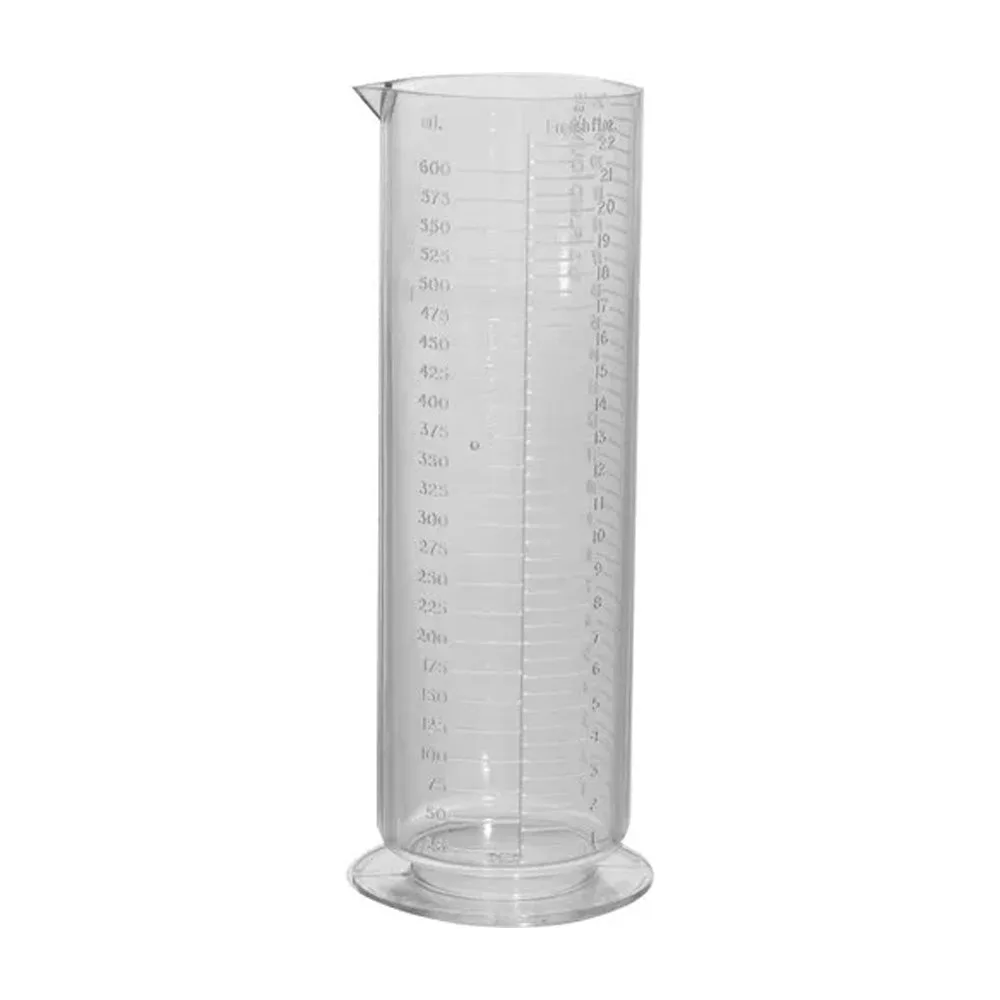
- Paterson Graduate Measure - 600ml: Paterson Graduate Measure - 600ml is a transparent polystyrene graduate made in England that allows for accurate measurement of small to large volumes and is suitable for most photographic chemicals. Accurate measurement of developer and fixer ensures consistent processing, but a clean, dry graduate also prevents chemical drips that could make your reel slippery.