Quick answer
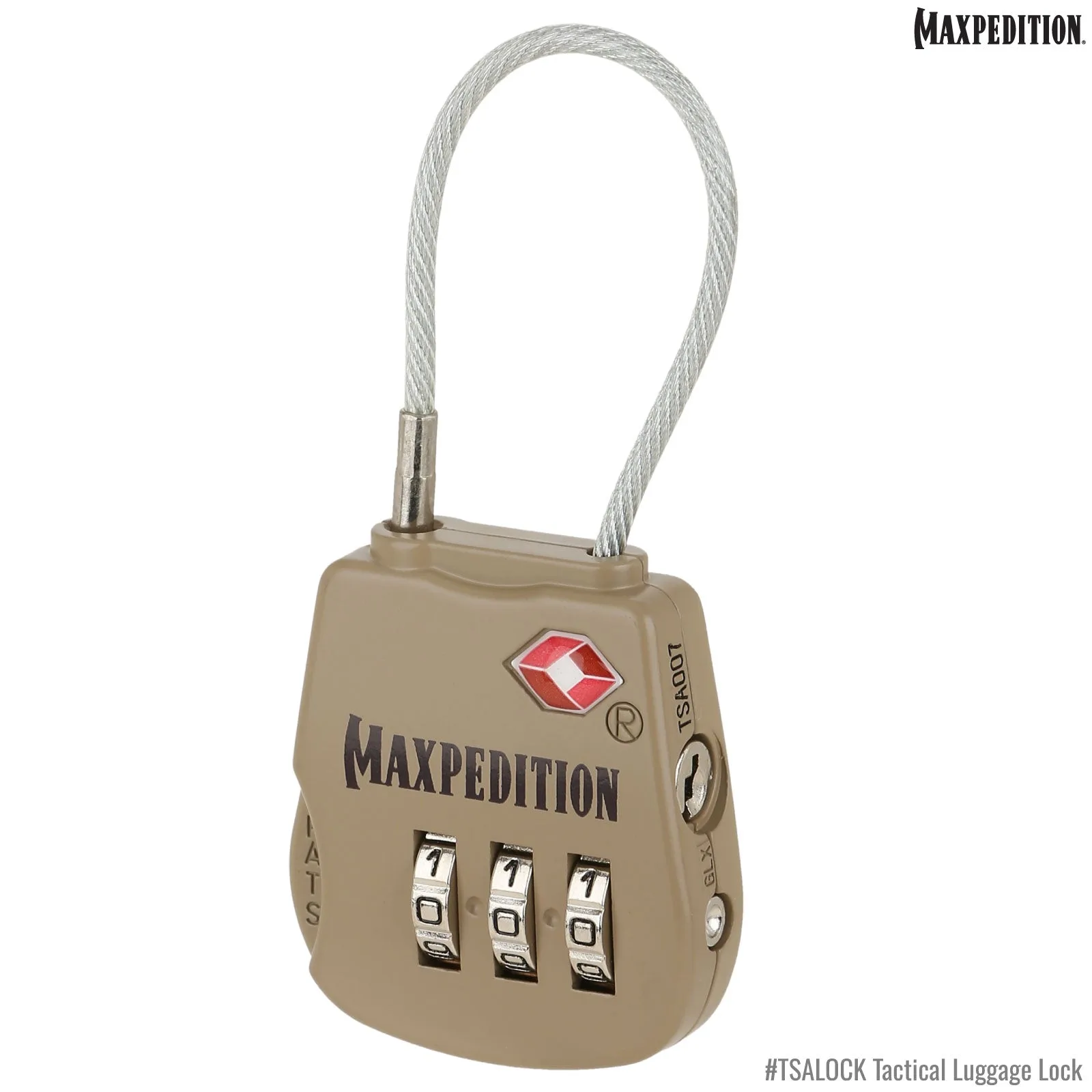
Thread the Tactical Luggage Lock's 3.7-inch steel cable through the zipper pulls you want to secure, then push the cable end into the lock body until it clicks. Set your own 3-dial combination, scramble the dials, and confirm the lock holds. Because it is TSA-approved and Travel Sentry approved, airport inspectors can open and relock it without cutting the cable.
Check your zipper pulls before you buy or thread anything
Not every zipper accepts a cable lock cleanly. Look for two pulls that meet when the compartment is closed, or a single pull with a molded loop large enough to pass the 3.7-inch cable through. If your Maxpedition bag uses pulls that sit flush against fabric with no gap, a cable lock may not thread without stressing the slider. In that case, secure a different compartment or use the lock as a deterrent on a checked bag rather than a main pack.
Set the combination before you leave home
The Tactical Luggage Lock uses a high-security 3-dial combination. Set it once, test it three times with the cable removed, and write the combination somewhere separate from the bag. A common mistake is setting the dials while the lock is closed and assuming the new code took effect. Always re-open and re-close the lock after changing the combination to confirm it.
Thread the cable through both pulls for a double zipper lock setup
For a main compartment with two sliders, bring the pulls together at one end, pass the cable through both pull loops, and then insert the cable end into the lock body. This creates a double zipper lock setup that prevents either slider from moving. If the pulls are far apart when closed, thread the cable through one pull and around a fixed attachment point such as a D-ring or grab handle, then back into the lock. That stops the zipper from opening even if a single pull can slide.
Know what TSA approval does and does not cover
The Tactical Luggage Lock is designed to be opened and re-locked by airport security luggage inspectors without damaging the lock, and it is Travel Sentry approved. That means screeners can access your bag without cutting the cable. It does not mean the lock is cut-proof or that it prevents every theft scenario. Treat it as a delay and tamper indicator, not an absolute barrier. For high-value items, keep them in a compartment you can lock and keep the bag with you when possible.
Secure small pouches and secondary compartments
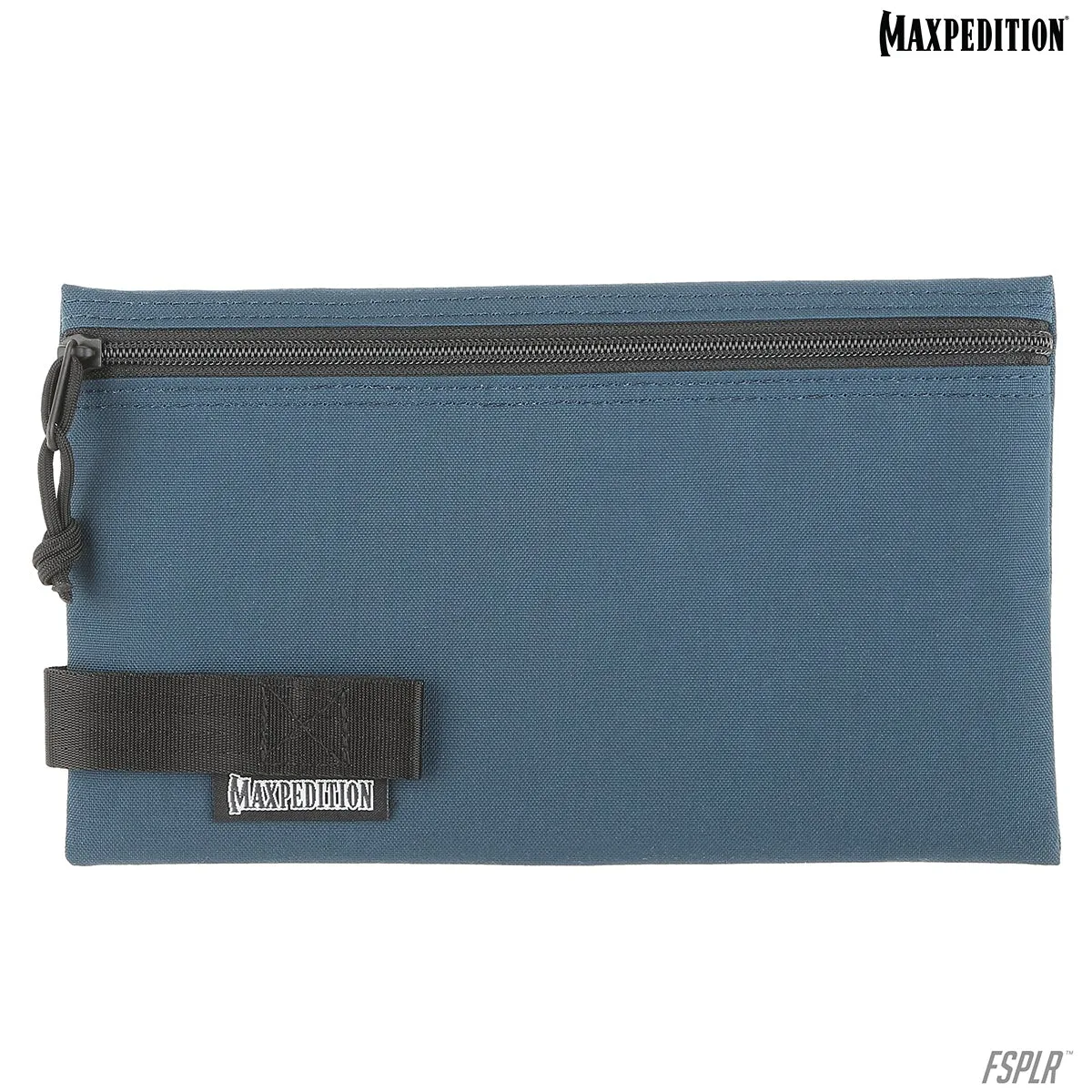
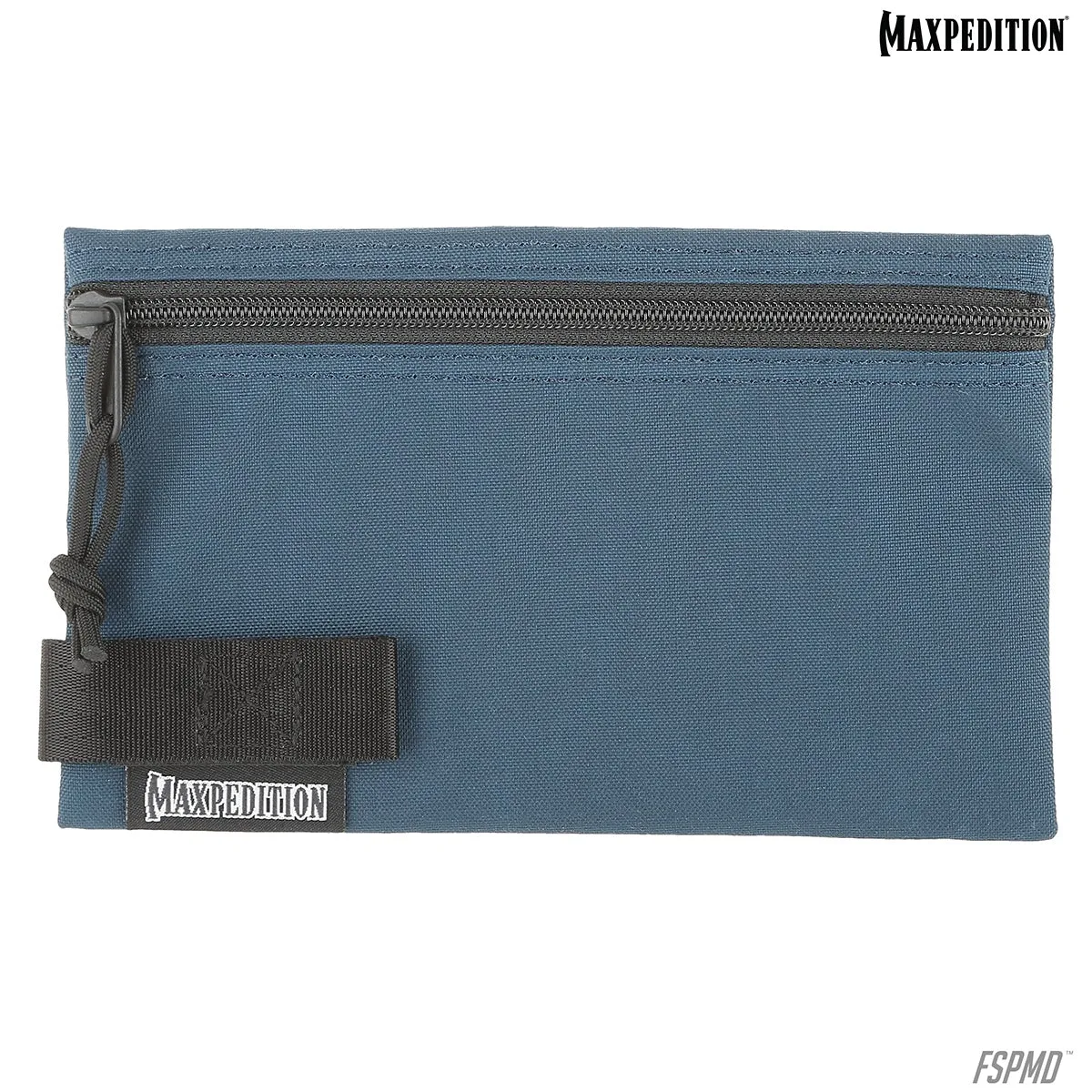
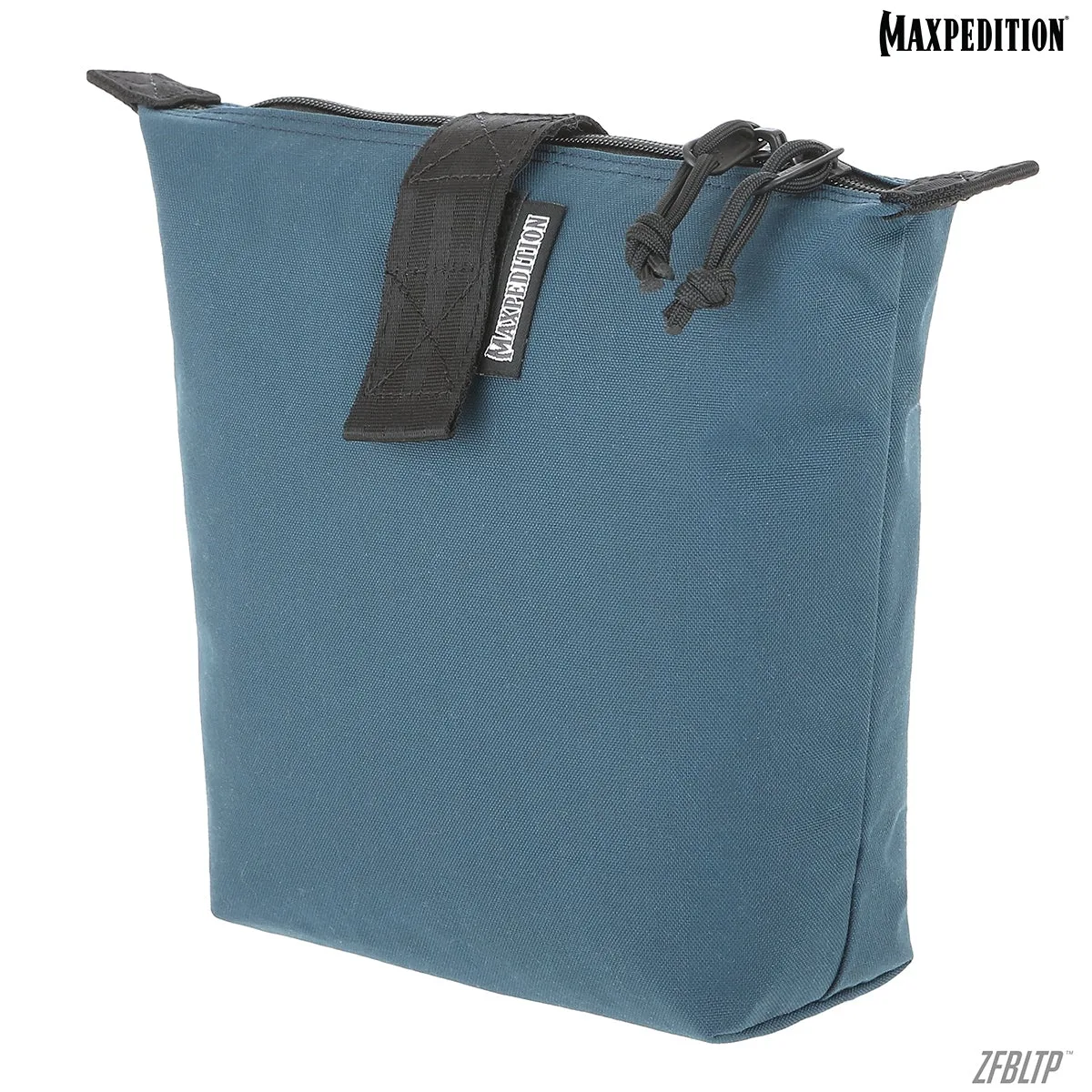
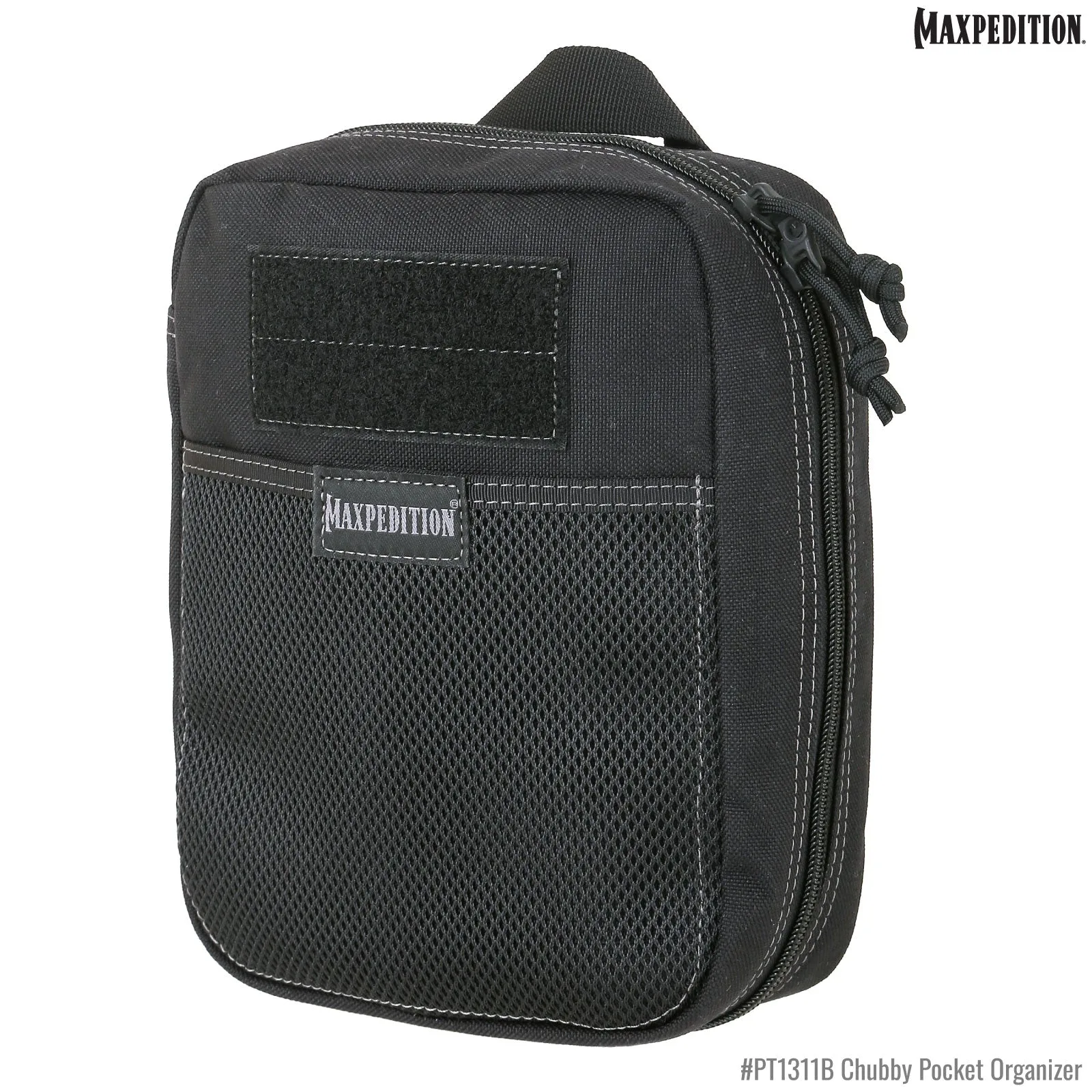
A 5 x 7 zipper pocket with hook backing can hold small items inside a larger bag, but its zipper is not designed as a primary lock point. If you want to lock a pouch, look for a pull loop that accepts the cable. Otherwise, place the pouch inside a lockable main compartment. The same logic applies to accessory organizers: lock the outer shell, not every internal pocket.
Practice the unlock and relock sequence before travel day
Run through the full sequence at home: set the combination, thread the cable, close the lock, scramble the dials, then unlock it with the code. Do this twice. On travel day, you will be doing it in a security line or a hotel lobby, often one-handed. A lock that feels stiff or confusing when you are calm will be worse when you are rushed.
Step-by-step: locking your Maxpedition zippers
- Set your own 3-dial combination: Choose a code you will remember, set the dials, then open and close the lock once to confirm the new combination works. Checkpoint: if the lock does not open with your new code, reset it before you thread anything.
- Bring the zipper pulls together: Close the compartment fully and slide both sliders to one end so the pulls meet. If they do not meet, identify a fixed ring or handle near the zipper instead. Mistake to avoid: forcing the cable through a pull that has no gap can bend the slider.
- Thread the cable through the pull loops: Pass the 3.7-inch steel cable through both pull loops, or through one pull and around a fixed attachment point. Checkpoint: the cable should move freely through the loops, not bind against fabric.
- Insert the cable end into the lock body: Push the cable end into the lock until it clicks. Tug gently on the cable to confirm it is seated. Mistake to avoid: leaving the cable only partially inserted so it can be pulled out.
- Scramble the dials: Spin all three dials away from your combination before you walk away or hand the bag to a carrier. Checkpoint: try to pull the cable out with the dials scrambled. It should not release.
- Unlock and relock once in the field: At your first stop, unlock the bag with your combination and relock it. This confirms the lock still works after handling and temperature changes. Next step: if the lock sticks, clean the cable and lock body with a dry cloth before forcing the dials.
Product facts
- Tactical Luggage Lock (Buy 1 Get 1 Free. Mix and Match in Multiples of 2. All Sales Final.): High security 3-dial combination TSA lock with 3.7" steel cable fastener. The 3.7-inch cable is long enough to pass through two zipper pulls or a pull and a fixed ring, which is what makes a double zipper lock setup possible.
- Tactical Luggage Lock (Buy 1 Get 1 Free. Mix and Match in Multiples of 2. All Sales Final.): Designed to be opened and re-locked by airport security luggage inspectors without damaging lock. You can lock your bag for a flight without expecting the lock to be cut during a hand inspection.
- Tactical Luggage Lock (Buy 1 Get 1 Free. Mix and Match in Multiples of 2. All Sales Final.): Travel Sentry approved. This is the specific approval that tells screeners they can use a master key or tool rather than forcing the bag.