Your Ferro Concepts chest rig is built to withstand the rigors of tactical use, but even the toughest gear needs regular maintenance to perform at its best. Among the most critical components are the zippers and buckles—the parts you interact with every time you don or doff your rig. Proper care ensures smooth operation, prevents failures, and extends the lifespan of your investment.
In this guide, we'll walk you through practical steps to keep your zippers and buckles in peak condition, from cleaning and lubrication to inspection and simple repairs. Whether you're a seasoned operator or new to tactical gear, these tips will help you maintain your chest rig for years of reliable service.
Understanding Your Chest Rig's Hardware
Ferro Concepts chest rigs feature high-quality zippers and buckles designed for rapid access and secure retention. The zippers are typically YKK or similar heavy-duty models, while the buckles are often ITW Nexus or Duraflex, known for their strength and durability. Understanding the materials and construction of these components is the first step in proper maintenance.
For example, the D Loop Heavy Duty Push Button QD Swivel is a common accessory that adds quick-release functionality to your rig. While not a buckle per se, its swivel mechanism requires regular attention to prevent grit and debris from causing friction. Similarly, the Chesty Rig Mini V2 features multiple zippered pockets and adjustable buckles that benefit from routine care.
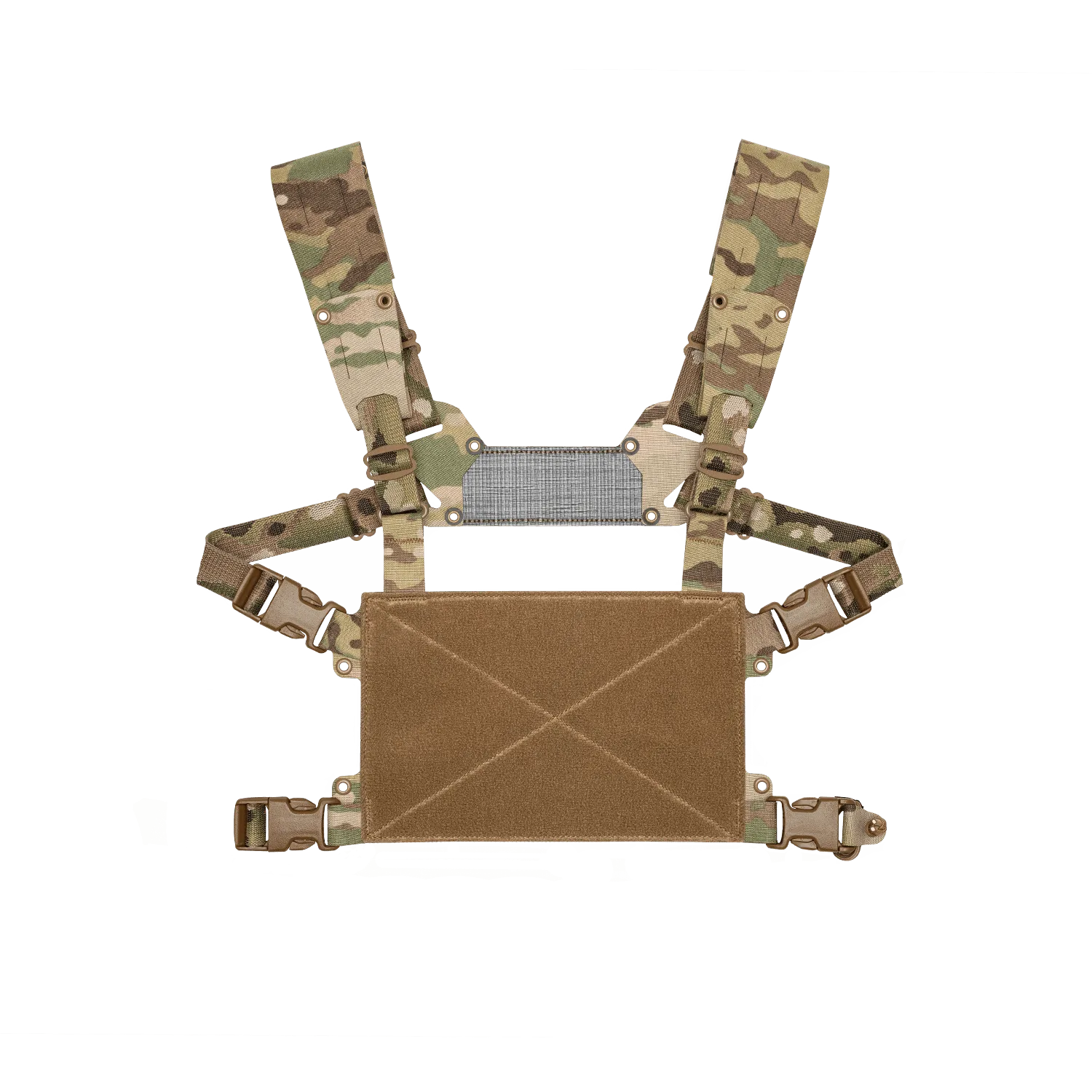
Chesty Rig Mini V2
- Identify the type of zippers and buckles on your rig (e.g., YKK, ITW Nexus).
- Check for any manufacturer-specific maintenance instructions.
Cleaning Your Zippers and Buckles
Dirt, sand, and moisture are the primary enemies of zippers and buckles. Over time, these particles can cause zippers to snag or stick, and buckles to become stiff or difficult to operate. Regular cleaning is essential, especially after field use.
To clean, use a soft brush or a dry cloth to remove loose debris from the zipper teeth and the buckle's moving parts. For deeper cleaning, you can use a mild soap and water solution, but be sure to rinse thoroughly and dry completely. Avoid harsh chemicals or solvents, as they can degrade the materials.
For hard-to-reach areas, a can of compressed air can help blow out dust and grit. Pay special attention to the zipper slider and the buckle's release mechanism, as these are the most critical points.
- Clean zippers with a soft brush after every field use.
- Use mild soap and water for deeper cleaning, then dry completely.
- Never use petroleum-based lubricants on plastic buckles.
Lubrication: Keeping Things Smooth
Lubrication is key to maintaining smooth zipper operation and preventing premature wear. However, not all lubricants are suitable for tactical gear. Silicone-based lubricants are ideal because they repel dirt and don't attract dust like oil-based products.
Apply a small amount of silicone lubricant to a cloth and wipe the zipper teeth and slider. For buckles, apply a drop to the moving parts and work them back and forth to distribute the lubricant evenly. Avoid over-lubricating, as excess can attract dirt.
When it comes to accessories like the PTT Wing Kit, which often includes zippered compartments, the same lubrication principles apply. Keeping these zippers smooth ensures quick access to your communication equipment when it matters most.
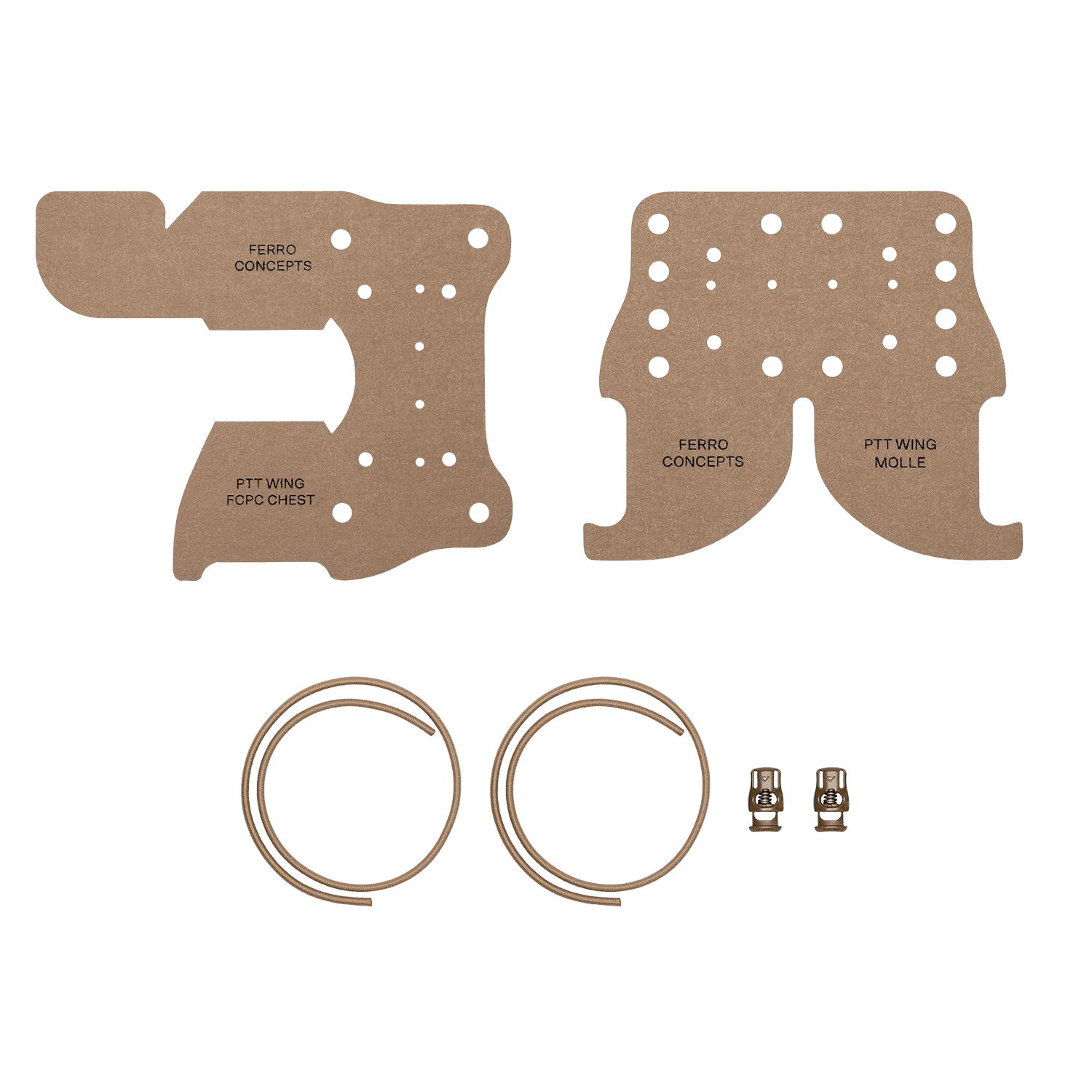
PTT Wing Kit
- Use silicone-based lubricants only.
- Apply sparingly and wipe off excess.
- Lubricate zippers and buckles every few months or after heavy use.
Inspecting for Wear and Damage
Regular inspection is crucial to catch potential issues before they become failures. Check zipper teeth for any bent or missing teeth, and ensure the slider moves smoothly without catching. For buckles, inspect for cracks, deformation, or signs of stress on the webbing attachment points.
Pay attention to the stitching around zippers and buckles. Loose or broken stitches can lead to component failure. If you notice any damage, address it immediately. In many cases, you can replace individual components rather than the entire rig.
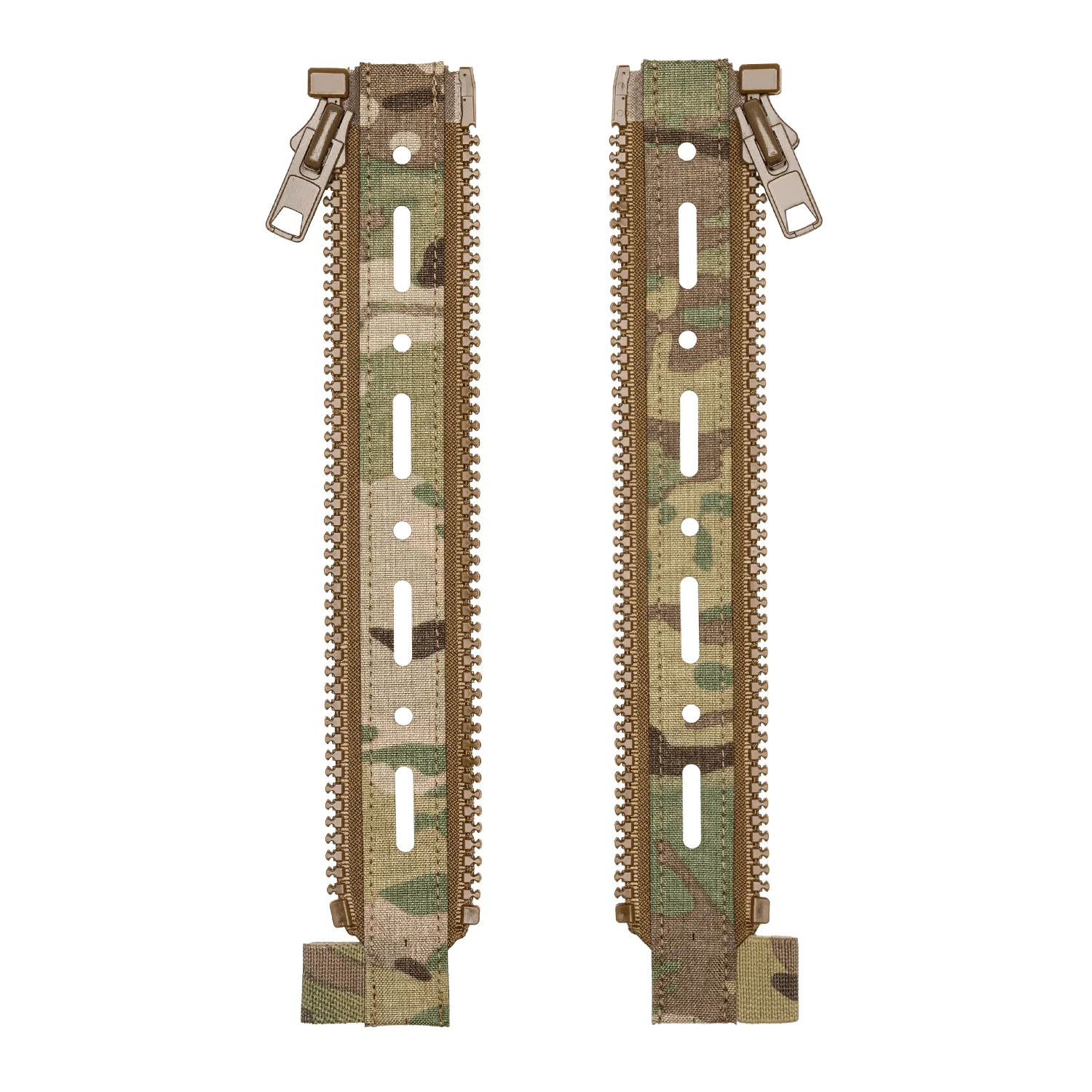
For example, if the swivel on your D Loop Heavy Duty Push Button QD Swivel becomes gritty, you might be able to clean and lubricate it. However, if it's damaged, replacement is the safest option. Similarly, the Back Panel Zipper Extension should be checked regularly for smooth operation, as it's a critical access point.
- Check zipper teeth for bends or breaks.
- Inspect buckles for cracks or deformation.
- Examine stitching around hardware for loose threads.
Storing Your Chest Rig Properly
How you store your chest rig can significantly impact the condition of its zippers and buckles. Avoid folding the rig in ways that put stress on the zippers or crush the buckles. Instead, hang it or lay it flat in a cool, dry place away from direct sunlight.
If you store your rig for extended periods, consider unlatching the buckles to relieve tension and keep the zippers partially open to prevent the teeth from pressing against each other. This simple step can prevent deformation and extend the life of your hardware.
For rigs with add-ons like the Frag Bag, ensure that any attached pouches are not overstuffed, as this can strain the zippers and buckles. Proper storage is a key part of chest rig maintenance that many people overlook.
- Hang or lay flat to avoid stress on zippers.
- Unbuckle and partially unzip during long-term storage.
- Keep away from heat and moisture.
Troubleshooting Common Issues
Even with regular maintenance, you may encounter issues like zippers that stick or buckles that are hard to release. Here are some quick fixes:
For a sticky zipper, apply a small amount of silicone lubricant directly to the teeth and work the slider back and forth. If the zipper still catches, inspect for debris or a bent tooth. For stubborn buckles, check for dirt in the release mechanism and clean it with a toothpick or compressed air.
If a zipper pull breaks, you can replace it with a zipper pull from a repair kit. Similarly, if a buckle fails, you can replace it with a compatible one from Ferro Concepts or a trusted aftermarket source. Remember, safety should always be your priority—if a component is compromised, replace it immediately.
- Use a toothpick to dislodge debris from buckles.
- Replace broken zipper pulls with repair kit parts.
- Never use a damaged buckle—replace it right away.
Maintaining your Ferro Concepts chest rig's zippers and buckles is a straightforward process that pays off in reliability and longevity. By cleaning, lubricating, inspecting, and storing your rig properly, you ensure that it performs when you need it most. For replacement parts or upgrades, check out the D Loop Heavy Duty Push Button QD Swivel and other accessories to keep your rig in top shape.