Quick answer
Maintain your Incog X holster with a simple monthly routine: wipe the shell with a damp microfiber cloth, dry it fully, check all hardware for tightness, and test retention with an unloaded firearm. Do a deeper clean and hardware inspection every three months, or sooner if you carry daily in dusty or humid conditions.
Why the Incog X Needs a Different Maintenance Approach
The Incog X is a hybrid holster built in collaboration with Safariland, combining a thermoformed shell with a flexible backing. That construction changes what you clean and how often. The shell needs the same attention as any Kydex holster, but the backing and attachment points need separate care because they see different wear patterns. The Incog XS uses a single-clip design with the LinX Attachment System and concealment shims, which adds a few small parts you should inspect regularly. If you let dust or grit build up around the clip or shims, you can get inconsistent ride height or cant without realizing why.
Cleaning the Shell Without Damaging the Finish
Use a damp microfiber cloth with mild soap and water. Avoid solvents, alcohol, or abrasive cleaners because they can dull the shell surface or degrade the backing material over time. Wipe the inside of the shell where the slide and trigger guard sit, since that area collects the most debris. For the Incog XS, pay attention to the area around the clip and shims. A soft brush can help remove dust from crevices, but do not soak the holster or submerge it. After cleaning, dry everything completely before reassembling or holstering your firearm.
Hardware Checks You Should Not Skip
Check every screw, clip, and attachment point on a regular schedule. The Incog XS uses tool-free concealment shims in 1/8-inch, 1/4-inch, and 3/8-inch sizes, and those can work loose if you adjust them often. Tighten hardware to snug, not gorilla-tight, because over-torquing can strip threads or crack the shell. If you notice a screw backing out repeatedly, a small amount of removable threadlocker can help, but follow the manufacturer's guidance. Replace any worn or stripped hardware rather than forcing it to work.
Retention Adjustment and Function Testing
Test retention with an unloaded firearm. You want the holster to hold the gun securely when inverted but release smoothly on the draw. If retention feels too loose or too tight, adjust the retention screws in small increments, a quarter turn at a time, then retest. The Incog X is RDS compatible and multi-positional, so if you change carry positions, recheck retention because the angle can affect how the gun sits. Never adjust retention with a loaded firearm. After any adjustment, do several practice draws with a cleared weapon to confirm the feel.
Monthly maintenance steps
- Clear and field-strip your firearm: Remove the magazine and chamber a round, then visually and physically confirm the weapon is empty before handling the holster. Common mistake: skipping the physical check because you 'know' it is unloaded. Treat every holster as if a round could be present until you prove otherwise.
- Wipe down the shell and backing: Use a damp microfiber cloth with mild soap. Wipe the inside of the shell, the outer surface, and the backing. For the Incog XS, clean around the clip and shims. Common mistake: using alcohol or harsh cleaners that can degrade the backing and dull the shell. If the cloth comes away clean, you are done. If not, repeat with a fresh damp cloth.
- Dry completely: Let the holster air-dry away from direct heat. Do not use a hair dryer or leave it in a hot car. Common mistake: reassembling or holstering while damp, which can trap moisture against the firearm. A dry holster is a reliable holster. If in doubt, wait another hour.
- Inspect and tighten hardware: Check every screw, clip, and shim. Tighten to snug. On the Incog XS, confirm the shims are seated correctly. Common mistake: over-tightening and stripping threads or cracking the shell. If a screw keeps loosening, use removable threadlocker or replace the hardware.
- Test retention with an unloaded firearm: Insert the cleared firearm and check that it holds securely when inverted but draws smoothly. Adjust retention screws a quarter turn at a time if needed. Common mistake: adjusting retention with a loaded gun or making large adjustments at once. After any adjustment, do five practice draws to confirm the feel before carrying.
- Log the date and any changes: Note when you cleaned, what you adjusted, and any parts you replaced. Common mistake: relying on memory and losing track of when you last checked retention or hardware. A simple note on your phone is enough to keep the schedule honest.
Product facts
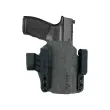
- Incog X® Holster Hellcat Pro/OSP Nonlight: The Incog X Holster is a deep concealment IWB hybrid holster designed in collaboration with Safariland, compatible with the Springfield Armory Hellcat Pro/OSP and other Hellcat models. Knowing the exact fit helps you clean and inspect the shell without guessing which areas contact the slide and trigger guard.
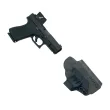
- Incog XS® Holster for GLOCK G17/G19 Pistols - RH: The Incog XS Holster for GLOCK G17/G19 is a single-clip, deep concealment IWB holster with the LinX Attachment System, offering adjustable ride height and cant plus tool-free concealment shims in 1/8-inch, 1/4-inch, and 3/8-inch sizes. Those shims and the offset clip are small parts that need periodic tightening and cleaning to keep appendix carry consistent.
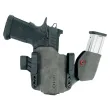
- Incog X Holster Staccato CS/C2/P Nonlight w/ Mag Caddy: The Incog X Holster for Staccato CS/C2/P with Mag Caddy is a non-light-bearing IWB hybrid holster that adds a magazine caddy to the platform. The extra caddy means more hardware and more surface area to inspect, so it belongs in your regular maintenance check.