Quick Answer
To make a card through window effect convincing, focus on natural handling, precise angles, and a story that justifies the method. Practice your presentation as much as the sleight, and always consider the spectator's viewpoint.
A card passing through a window is a classic moment of magic, but it can fall flat if the audience sees the move or feels the method. The key to making it convincing isn't just the trick itself—it's how you present it. Here are practical tips to elevate your performance.
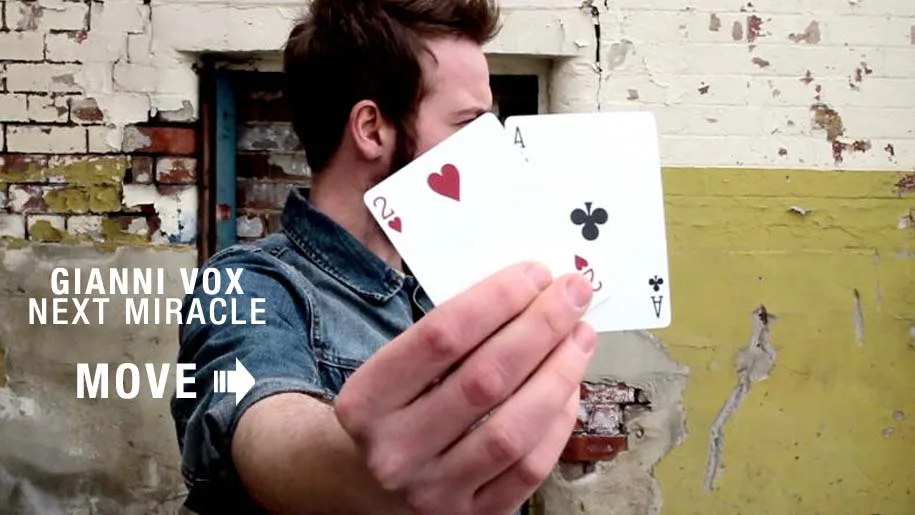
move
Whether you're performing for one person or a small group, the principles of misdirection and naturalness apply. Let's break down the essential elements: angles, handling, and the story you tell.
Master Your Angles
The most common reason a card through window effect fails is poor angle management. Spectators need to see the card press against the glass, but they must not see the secret move. Before performing, identify your 'safe zone'—the area where you can execute the method without exposing it. Position yourself so that the window is between you and the audience, but your hands are visible enough to sell the effect.

visible
Practice in front of a mirror or with a friend to find the sweet spot. Remember that angles change if the spectator moves, so keep them engaged with your eyes and patter to prevent them from shifting. If you're using a real window, check for reflections that might give away the method.
- Always rehearse in the actual performance space if possible to check for reflections and sightlines.
Natural Handling and Pacing
A card through window effect looks suspicious if your movements are jerky or overly theatrical. Treat the card as if it's solid and you're genuinely pressing it against the glass. Slow down the moment of contact—this builds tension and makes the impossible seem more real. Avoid rushing to the reveal; let the audience anticipate what's about to happen.
Your handling should mimic how you'd handle a card in real life. If you're using a signed card, show it clearly before the effect. This not only proves the identity but also gives you a reason to hold the card close to the window. Natural pacing also helps with misdirection: a casual comment or a glance away at the right moment can cover a necessary move.
- Practice the entire routine in slow motion to internalize the rhythm, then bring it up to a natural speed.
Craft a Compelling Story
A card through window is more than a visual trick; it's a story about something impossible happening. Create a narrative that justifies why the card is going through the glass. For example, you might say, 'This card has a special connection to you—it wants to be on your side of the window.' This gives the audience a reason to care and distracts them from the method.
Your presentation should also include a clear before and after: show the card on one side, then have it appear on the other. The more impossible the journey seems, the stronger the effect. Use your voice and body language to sell the moment of penetration—pause, react, and let the audience process what they've seen.
- Write a short script for your routine and practice it until the words feel natural.
Handling the Spectator's Card
If you're using a spectator's signed card, the effect becomes even more powerful. The signature proves the identity, making the penetration more personal. Ensure you have a clear way to show the signature before and after—this is a key moment for convincing. Practice the switch or move that gets the card to the other side, making sure it's invisible even under scrutiny.
Consider using a card that the spectator can keep as a souvenir. This adds a layer of meaning and gives them something to remember. However, be cautious: if the card is borrowed, you must return it in the same condition. The handling must be clean and respectful.
- Always have a backup plan if the spectator's card is damaged or marked—use a duplicate if necessary.
Step-by-Step to a Convincing Performance
- Choose the Right Window: Select a window that allows you to stand comfortably and control the audience's view. Avoid windows with strong reflections or that are too high or low. Check that the window is clean and that you can practice the move without obstruction.
- Set the Stage: Introduce the card and the window. If using a signed card, have the spectator sign it and show it clearly. This builds importance. Make sure the signature is visible to everyone before you begin.
- Control the Angles: Position yourself so that your hands are visible but the secret move is hidden. Keep the audience in a fixed spot if possible. Practice the move from the spectator's perspective to ensure no exposure.
- Build the Moment: Slowly bring the card to the window. Use a story or patter to create tension. Make eye contact and pause before the penetration. The pause is crucial—let the audience anticipate the impossible.
- Execute the Move: Perform the penetration with a natural motion. Avoid sudden movements. If using a gimmick, ensure it's secure. Practice the move until it's fluid and invisible.
- Reveal and React: Show the card on the other side, emphasizing the signature or identity. React as if you're surprised too. Your reaction sells the effect more than the move itself.
Products That Can Help
- NO!: NO is James Brown’s signature kicker. A signed card-to-wallet that the spectator can retrieve themselves. With NO, you’ll be able to unlock a new level to your ambitious or signed card routines. While not a window effect, NO teaches you how to handle a signed card and create a moment where the spectator is involved. The principles of clean handling and surprise are directly applicable to making any card effect more convincing.
- Card in Bottle: The traditional Card in Bottle plot has a problem. The card can't be signed, the bottle has to be pre-loaded and the reveal is getting the spectator to 'discover' the card at the end of the routine. Laura London however, doesn't miss. This download addresses common issues with penetration plots, such as the inability to sign the card. Learning how Laura solves these problems can inspire you to adapt similar thinking to a window effect.
Making a card through window effect convincing comes down to preparation and presentation. Master your angles, practice natural handling, and build a story that makes the impossible believable. With these tips, you'll turn a simple trick into a memorable miracle.