Quick Answer
You can make espresso-style coffee at home without a machine by using a moka pot, an AeroPress, or craft instant coffee. The closest match to true espresso comes from a moka pot with finely ground coffee, but an AeroPress with a fine grind and a short, pressurized steep gets you a rich, concentrated cup with far less cleanup. For the fastest option with zero equipment, a dark roast craft instant coffee dissolved in a small amount of hot water gives you a strong, espresso-like base for milk drinks.
Espresso is defined by pressure: roughly nine bars pushing hot water through a compact bed of finely ground coffee. Without a machine, you cannot replicate that exact pressure at home, but you can get very close in flavor and texture with a few manual methods. The key is matching your grind size, water temperature, and brew ratio to the tool you already own.
This guide walks through five practical ways to make espresso without an espresso machine, from a stovetop moka pot to a jar of craft instant coffee. Each method includes the steps that matter most and the one mistake that most often ruins the cup.
What Counts as Espresso Without a Machine
True espresso requires a pump or lever that generates sustained pressure. A moka pot builds pressure through steam, typically reaching around one to two bars, which is enough to produce a thick, intense coffee that behaves like espresso in milk drinks. An AeroPress uses manual pressure from your arm, and while it does not reach nine bars, a fine grind and a short steep can create a concentrated shot with a similar mouthfeel.
Craft instant coffee takes a different path. It is brewed strong at the factory and dried, so you simply add hot water to reconstitute a dark, syrupy base. It will not have crema, but it can stand in for espresso in lattes, Americanos, and baking.
- No method without a machine will produce true crema, but you can still get a rich, concentrated cup.
- The grind size matters more than the device: too coarse and the water runs through without extracting enough flavor.
Method 1: Moka Pot (Closest to Espresso)
A moka pot is the most traditional stovetop alternative. It uses steam pressure to push water up through a basket of coffee. For the best result, use a fine grind that is slightly coarser than true espresso grind, and fill the basket level without tamping. Overfilling or tamping too hard can block the pressure valve and cause a sputtering, bitter brew.
Fill the base with cold or hot water just below the valve, assemble the pot, and place it on medium heat. As soon as you hear a gentle gurgle and the top chamber fills with dark coffee, remove it from the heat. Letting it boil dry will scorch the coffee and give you a metallic taste.
- Use a medium-fine grind, similar to table salt.
- Preheat the water in the base to reduce the time the coffee spends on the stove, which lowers bitterness.
Method 2: AeroPress (Fast and Forgiving)
The AeroPress is a manual press that uses a paper or metal filter and a plunger to force water through coffee. To get an espresso-style shot, use a fine grind, a small amount of water, and a short steep. A common recipe is 15 grams of fine coffee to 60 grams of hot water, stirred for 10 seconds, steeped for 30 seconds, then pressed slowly for 30 seconds.
The most common mistake is pressing too hard. If you push the plunger with force, the water channels through the coffee and you get a weak, uneven cup. Press gently and steadily; you should feel resistance but not have to strain.
- Use a fine grind, but not as fine as true espresso, or the paper filter may clog.
- Stop pressing when you hear a hiss to avoid extracting bitter compounds.
Method 3: Craft Instant Coffee (No Equipment Needed)
If you want espresso without equipment, craft instant coffee is the simplest route. Unlike conventional instant, craft instant is made from specialty-grade coffee and often retains more of the roast character. To make an espresso-style base, dissolve one to two teaspoons in 60 milliliters of hot water, not boiling, and stir until fully dissolved. The result is a strong, dark liquid that works in milk drinks.
The mistake here is using too much water. Treat it like a concentrate: start small and add more liquid only if the flavor is too intense. For a latte, pour the concentrate into steamed milk rather than adding milk to a full cup of coffee.
- Use water just off the boil, around 90 to 95 degrees Celsius, to avoid scalding the coffee.
- For a thicker texture, whisk the instant coffee with a little hot water until foamy before adding the rest.
Method 4: Pour Over With a Fine Grind (Light but Clean)
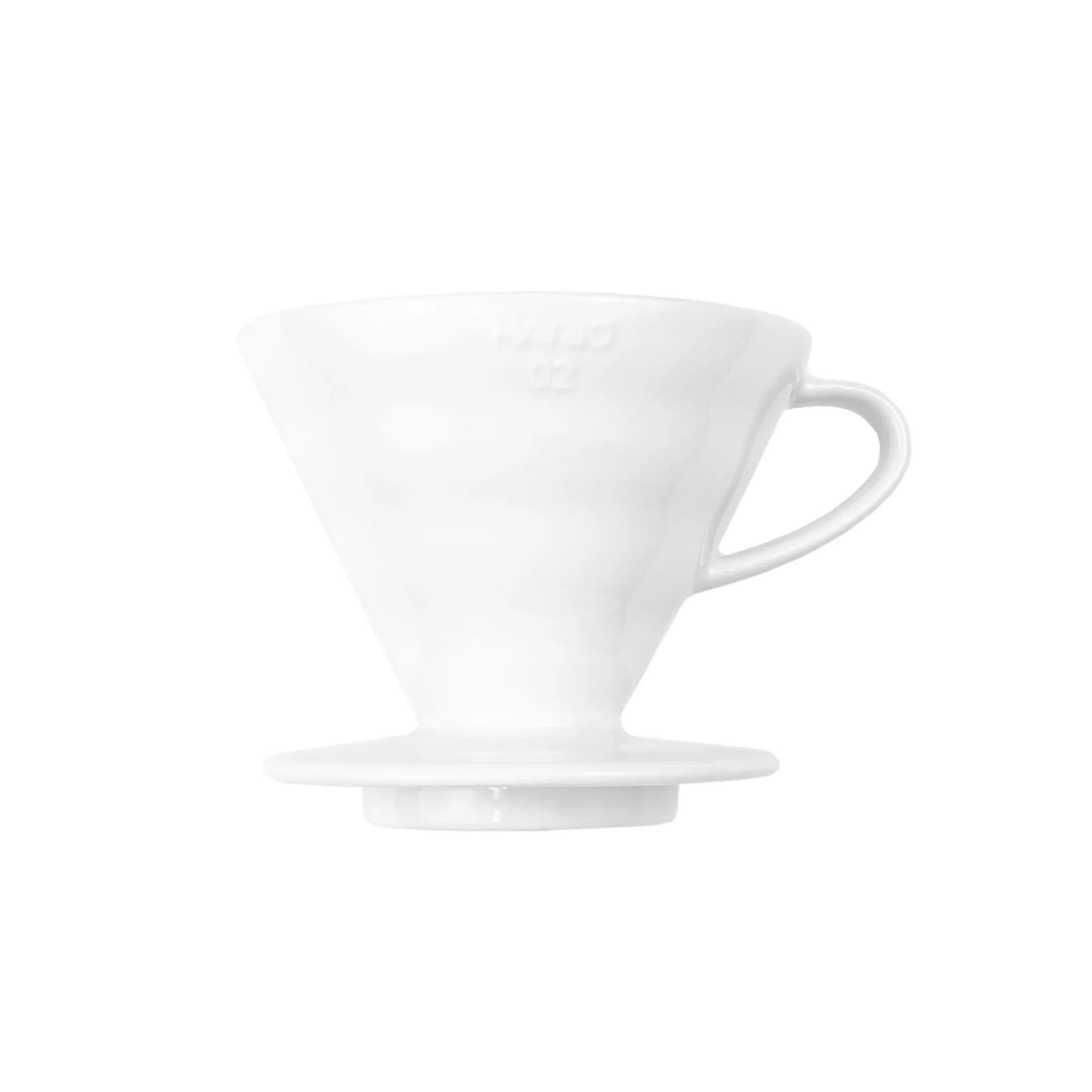
A pour over brewer like the Hario V60 can make a concentrated coffee if you use a fine grind and a small ratio, but it will not have the body of espresso. Use 15 grams of coffee to 150 grams of water, bloom with 30 grams, then pour in slow circles. The result is a strong, clean cup that works as an Americano-style drink.
The most common mistake is pouring too fast. If you dump the water in, the bed of coffee is disturbed and the extraction becomes uneven. Keep the water level steady and finish the pour in about two minutes.
- A finer grind slows the flow, but too fine will clog the filter and stall the brew.
- This method is best for drinkers who prefer clarity over heavy texture.
Method 5: French Press With a Fine Grind (Full Body)
A French press can make a strong, full-bodied coffee that mimics espresso in texture, though it will lack the sharp intensity. Use a fine grind, a ratio of 1:10 coffee to water, and a four-minute steep. Press the plunger slowly and decant immediately to stop the extraction.
The mistake to avoid is letting the coffee sit on the grounds after pressing. That continues to extract and turns the cup bitter and muddy. Pour it into a separate carafe or mug right away.
- Use a coarse-fine grind, like fine sea salt, to avoid a sludgy cup.
- For a more espresso-like result, use a metal filter instead of paper to keep more oils.
Step-by-Step: Moka Pot Espresso Without a Machine
- 1. Grind and fill the basket: Use a medium-fine grind, about the texture of table salt. Fill the basket level and wipe away any loose grounds from the rim. Do not tamp. Checkpoint: The basket should be full but not mounded. A tamped or overfilled basket can block pressure and cause a sputtering brew.
- 2. Add water and assemble: Fill the base with hot water up to just below the safety valve. Insert the basket, then screw the top chamber on firmly. Checkpoint: Use hot water to shorten the time on the stove. Cold water works, but the coffee spends longer heating and can taste flatter.
- 3. Heat on medium: Place the moka pot on a medium flame or burner. Keep the lid open so you can watch the coffee emerge. As soon as the top chamber fills with dark coffee and you hear a gentle gurgle, remove it from the heat. Mistake to avoid: Walking away. Letting the pot boil dry scorches the coffee and gives a metallic, bitter taste.
- 4. Stir and serve: Give the coffee in the top chamber a quick stir to even out the extraction, then pour immediately. For a latte, use it as the base and add steamed milk. Next step: If the coffee tastes too bitter, try a slightly coarser grind or remove the pot from the heat a few seconds earlier next time.
Products That Help You Get Closer
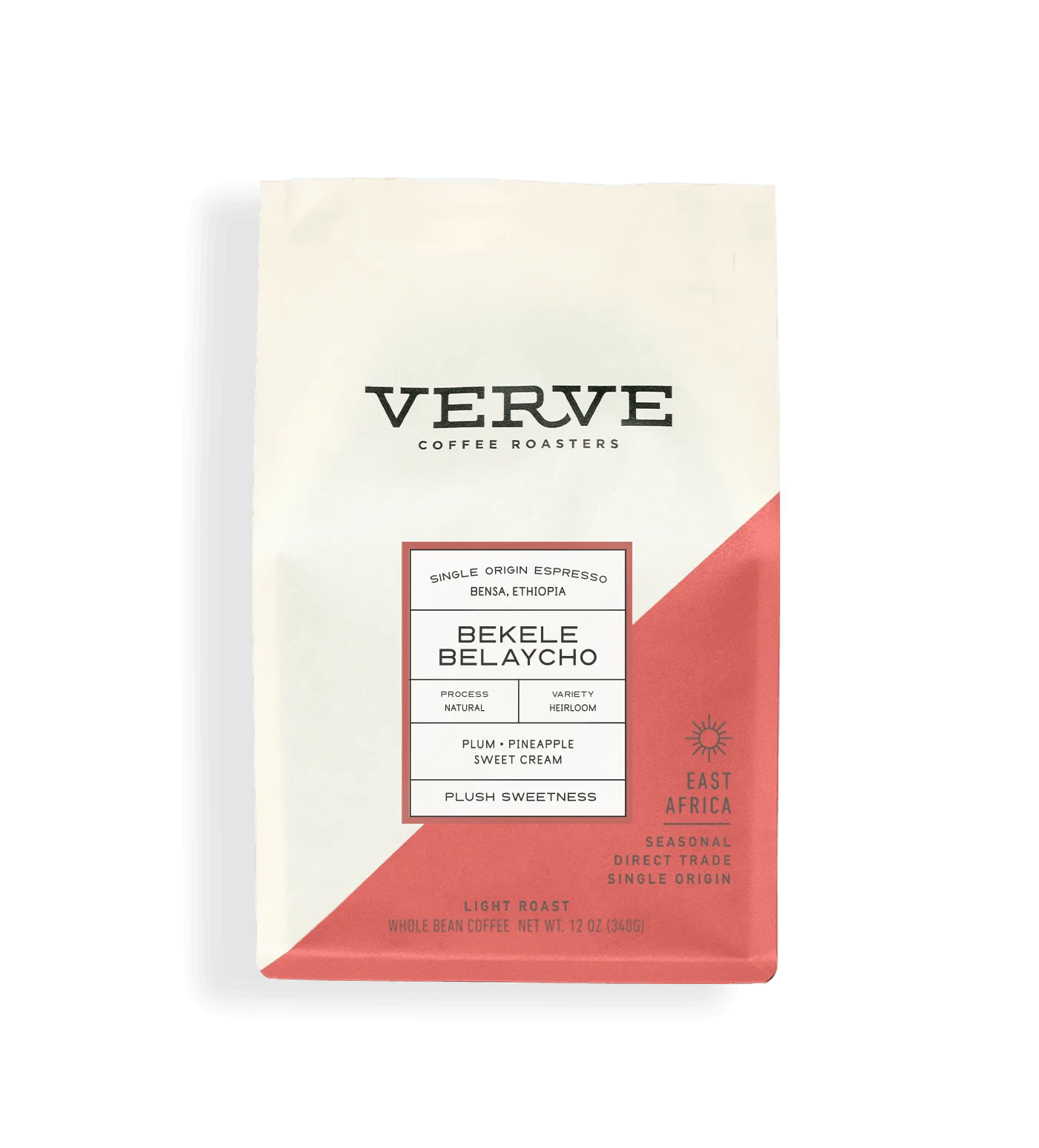
- Ethiopia Bekele Belaycho Espresso: Produced by Bekele Belaycho in Ethiopia’s Sidama region, this natural lot is dried slowly on raised beds, allowing fruit sugars to develop while preserving structure and definition. This coffee is roasted for espresso, so it works well in a moka pot or AeroPress when you want a concentrated shot with ripe fruit and a soft, creamy finish.
- Hario V60 Ceramic Coffee Dripper - White: The Hario V60 Ceramic Dripper delivers a precise pourover experience and can brew one to four cups at a time. If you prefer a clean, light-bodied espresso-style cup, the V60 lets you control the pour and grind to make a strong concentrate without a machine.
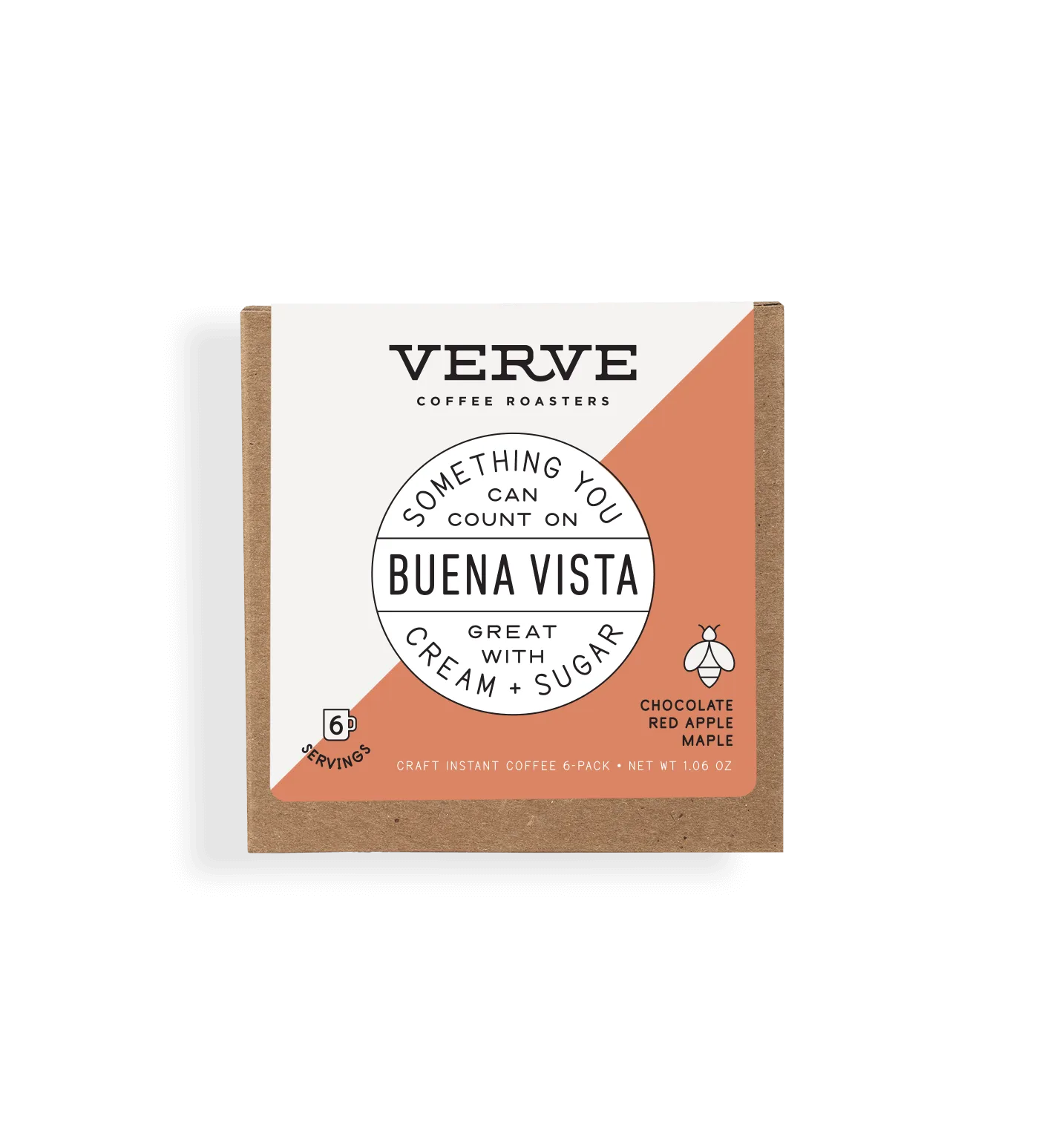
- Buena Vista Dark Roast Craft Instant Coffee 6 Pack: As one of the darker roasts on our menu, Buena Vista can be characterized by its deep structure and full body, with dark chocolate savor and caramelized sweetness. This craft instant coffee is the fastest way to make an espresso-style base when you have no equipment at all, and its dark roast profile stands up well to milk.
You do not need a machine to enjoy a rich, espresso-style cup at home. Start with the method that matches your equipment and patience, then adjust the grind and ratio until the flavor lands where you want it. A moka pot gets you closest to the real thing, but an AeroPress or a jar of craft instant coffee can deliver a satisfying shot with far less fuss.