Quick answer
Make granola clusters by tossing 4 cups of oats with 1/2 cup of liquid sweetener, 1/4 cup of oil, and 1 egg white, then baking at 300°F (150°C) without stirring until the surface is dry. Cool completely untouched so the sugar hardens into clusters. If your granola is already sticky or soft, the fix is usually less binder, a lower temperature, or a longer cool-down.
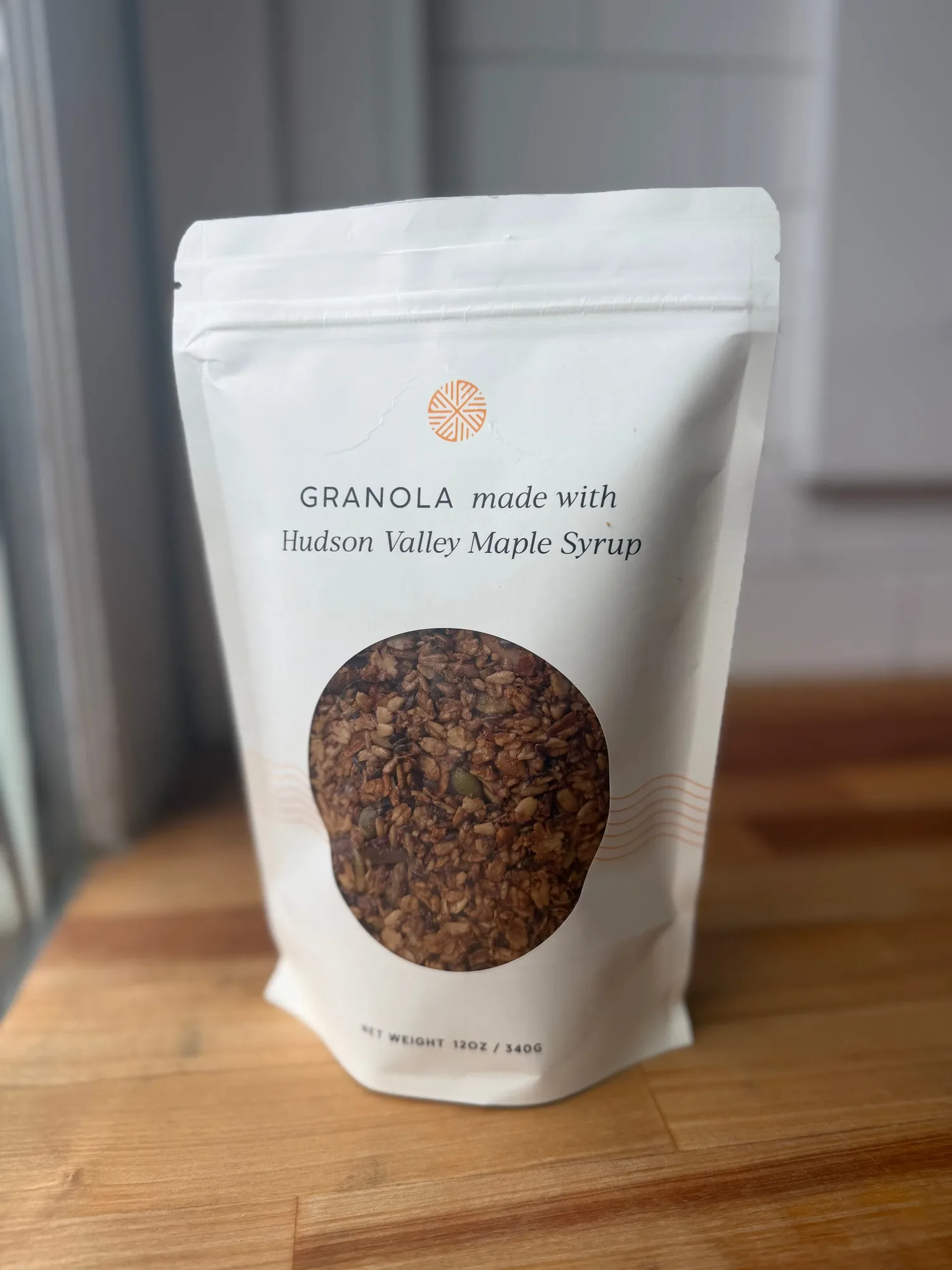
granola
Granola that crumbles into loose oats or turns chewy by day two is almost always a ratio or temperature problem, not a bad recipe. The clusters you see in a good bakery blend come from sugar that sets as it cools, not from glue.
This guide separates the symptom from the cause. You will find the binder ratio, the oven temperature that works, and the exact moment to stop stirring. It also covers when a batch is beyond saving and you should start over or buy granola instead.
Why granola clusters fall apart
Clusters form when dissolved sugar and starch firm up around the oats as they cool. If your granola not clumping, the binder is either too thin, too cold when mixed, or too abundant. Too much liquid sweetener keeps the oats wet, so they steam instead of set. Too little and the oats stay dusty.
A second cause is stirring during baking. Every stir breaks the bonds that are forming. If you want big, bakery-style clusters, press the mixture flat and leave it alone until it is fully cool.
- Use a scale if you can. Volume measures of oats and syrup vary enough to change the outcome.
- Mix the sweetener and oil until they look emulsified before pouring over the oats.
The binder ratio that actually holds
For 4 cups (about 360 g) of rolled oats, use 1/2 cup (120 ml) of liquid sweetener such as honey or maple syrup, 1/4 cup (60 ml) of neutral oil, and 1 egg white. The egg white adds protein that firms up in the oven and gives you granola binding tips that hold without extra sugar. If you skip the egg white, increase the sweetener slightly and expect a more fragile cluster.
Salt and vanilla go in with the wet ingredients. Add nuts and seeds after the oats are coated so they do not sink to the bottom of the bowl. Dried fruit goes in after baking, never before, because it releases moisture and softens the clusters.
- Whisk the egg white until frothy before adding it; it distributes more evenly.
- If the mixture looks dry after tossing, add water one teaspoon at a time, not more syrup.
Granola baking temperature and the no-stir rule
Set the oven to 300°F (150°C). A low temperature dries the granola slowly and lets the sugar set without burning. At 350°F (175°C) the outside browns before the inside dries, which is why so much homemade granola tastes toasted on the edge and chewy in the middle.
Spread the mixture on a lined sheet and press it down with the back of a spatula. Bake for 25 to 35 minutes. Do not stir. When the surface looks dry and barely golden, pull it out. It will still feel soft in the center, and that is correct. It crisps as it cools.
- Rotate the pan once at the halfway mark instead of stirring.
- If your oven runs hot, drop to 275°F (135°C) and add 5 to 10 minutes.
Cooling is where clusters are made
Let the pan sit on a wire rack for at least 45 minutes, or until it is completely cool to the touch. This is the step most people rush. The sugar is still soft when the granola is warm, so breaking it early gives you crumbs.
Once cool, break the slab into clusters with your hands. Store in an airtight jar at room temperature. If you add dried fruit, fold it in now. For longer storage, portion into bags and freeze; thaw at room temperature without opening the bag to keep condensation off the clusters.
- Do not refrigerate granola. Cold storage draws moisture and softens the crunch.
- Label the jar with the date. Most clusters stay crunchy for two to three weeks.
Sticky granola fix: what to do with a wet batch
If your granola is sticky after cooling, return it to a 275°F (135°C) oven on a clean sheet for 10 to 15 minutes. Spread it thin and leave it unstirred. This drives off surface moisture without darkening the oats. If it is still tacky after a second round, the batch had too much sweetener; use it as a yogurt topping rather than trying to force clusters.
If the granola is soft but not sticky, it likely cooled in a humid room or was stored before it was fully cool. Spread it on a sheet, let it sit uncovered for an hour, then rejar. Do not add more sugar to a wet batch; that makes the problem worse.
- A sticky batch is a moisture problem, not a binding problem.
- Never store granola warm. Residual heat creates steam inside the jar.
When to stop fixing and start over
Stop adjusting if the granola tastes burnt, if the oats were quick-cooking rather than rolled, or if the batch was made with too much liquid sweetener from the start. Quick oats lack the structure for clusters, and no amount of re-baking will fix a ratio that far off.
If you have re-baked twice and the clusters still crumble, use the granola as a topping for ice cream or yogurt and make a fresh batch with the ratio above. A clean start costs less than another hour of tinkering.
- Use rolled oats, not instant or steel-cut, for clusters.
- One re-bake is a fix. Two is a sign the recipe needs resetting.
Granola cluster diagnosis
- Granola not clumping: The binder is too thin or too scant, or the oats were stirred during baking. Check that you used 1/2 cup sweetener and 1/4 cup oil per 4 cups rolled oats, and that the egg white was whisked in. Press the mixture flat and do not stir until fully cool.
- Clusters form but go soft in storage: The granola was jarred before it cooled, or it cooled in a humid room. Residual warmth creates steam inside the container. Cool 45 minutes on a rack, then store airtight at room temperature.
- Sticky granola fix after baking: Surface moisture remains. Return to a 275°F (135°C) oven for 10 to 15 minutes, spread thin and unstirred. If it is still tacky after one re-bake, use it as a topping and start a fresh batch.
- Burnt edges, chewy center: The oven was too hot. Sugar set on the outside before the interior dried. Drop to 300°F (150°C) and extend the bake time rather than raising heat.
- Stop and choose another option: If the batch used quick oats, was made with far too much syrup, or has already been re-baked twice, the ratio cannot be corrected. Start over with rolled oats and the measured binder, or buy granola and save the homemade batch for topping.
Bakery items that pair with homemade granola
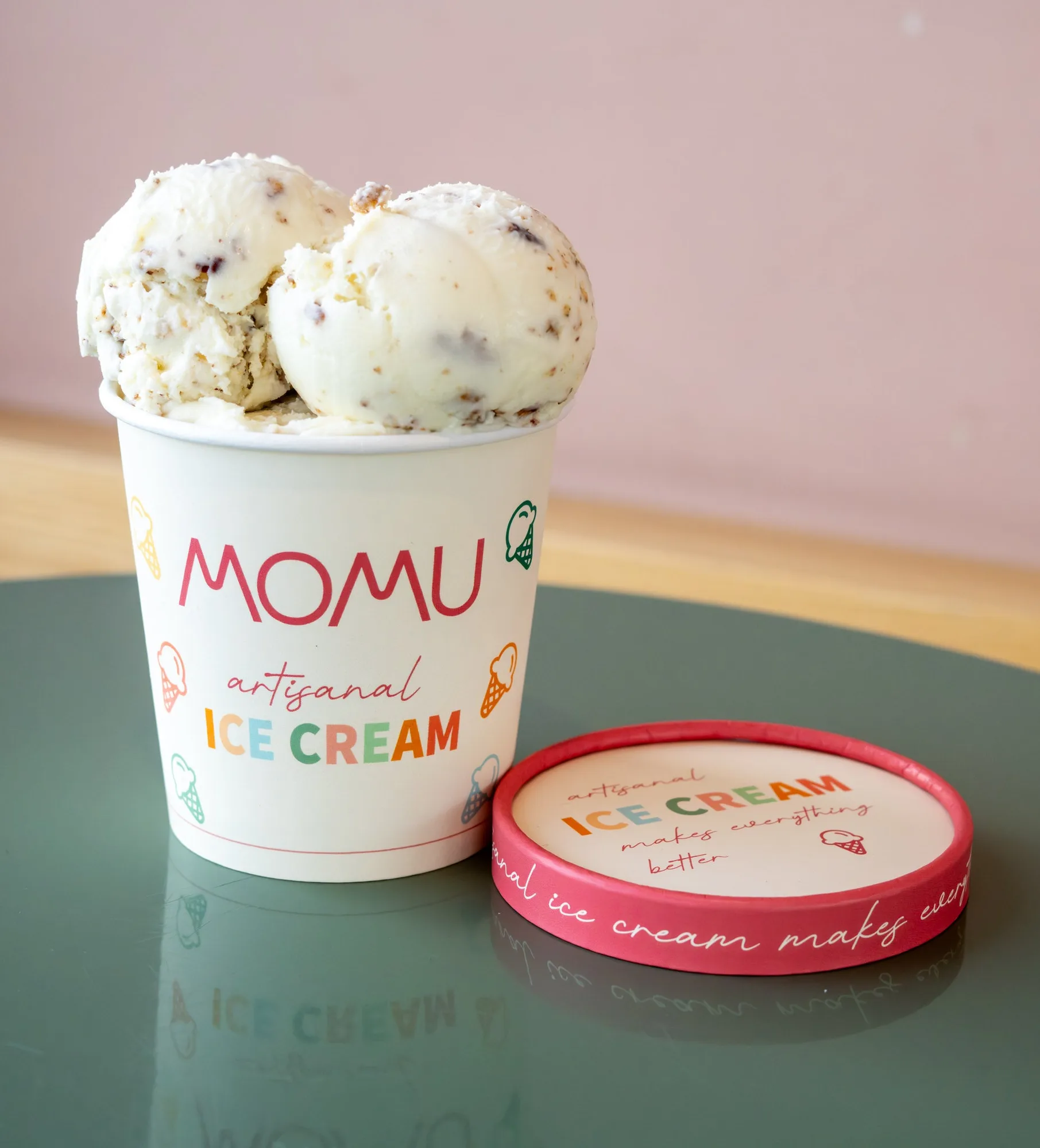
- Butter Pecan Ice Cream: Butter Pecan Ice Cream from Kneads • Bakery • Café • Mill is offered as a 1 pint container of MOMU Ice Cream, tagged for Christmas and Thanksgiving dessert menus. A crunchy granola cluster is a natural topping for this pint, so a batch that stays crisp earns a second use at holiday desserts.
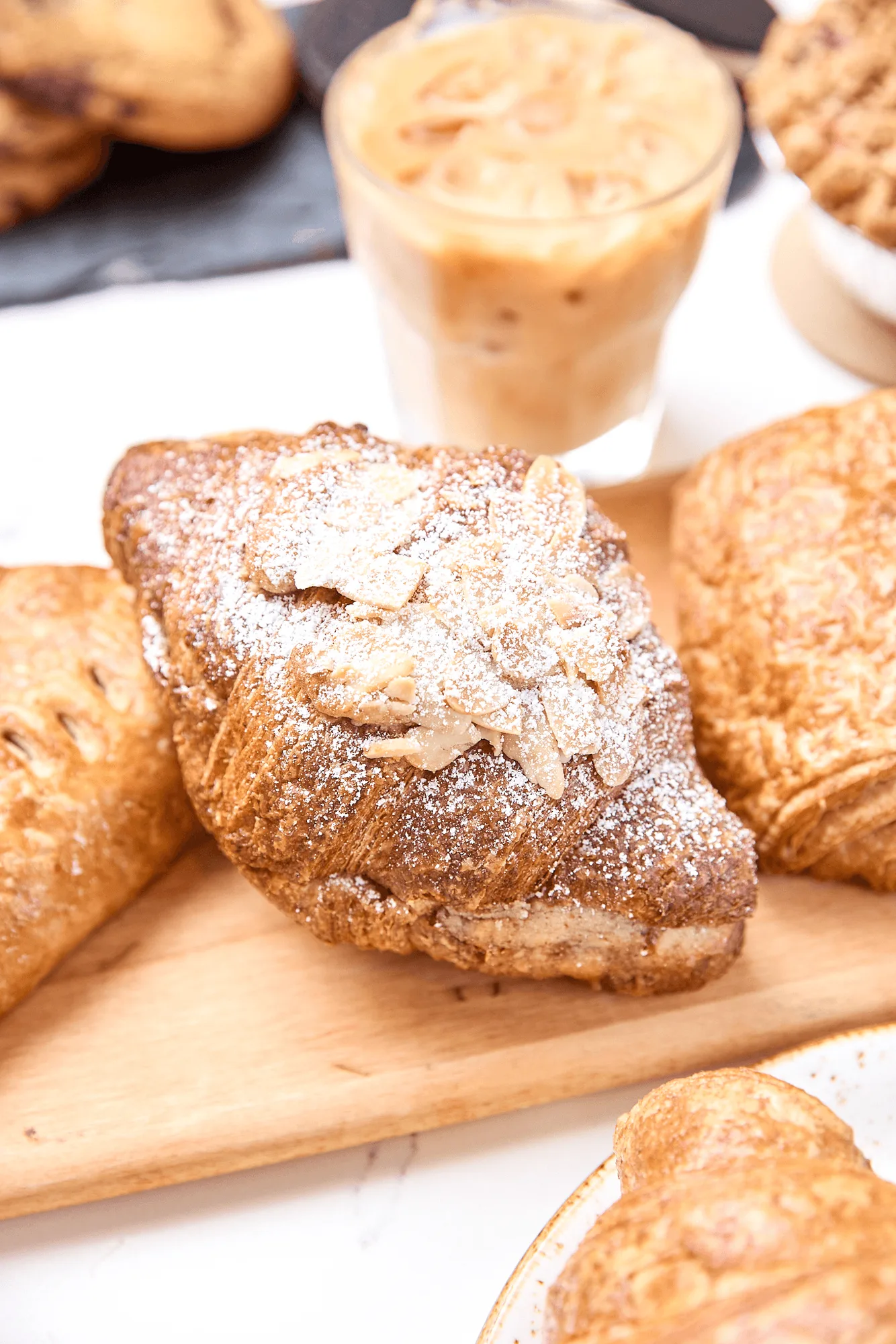
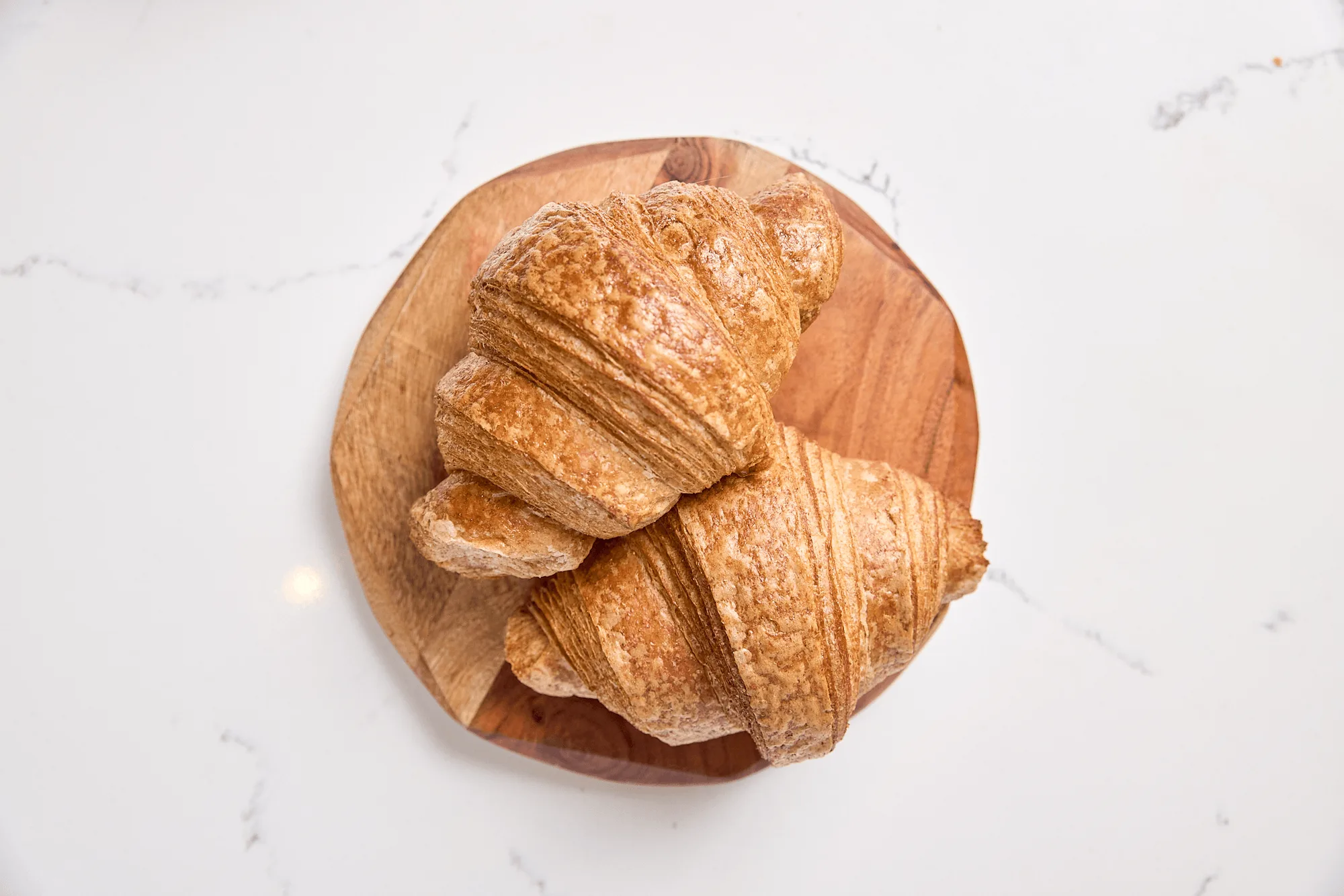
- croissant-e7cac367709febfc1bfff912-1645781">Chocolate Almond Croissant: The Chocolate Almond Croissant from Kneads • Bakery • Café • Mill is a pastry option listed under the Mother's Day and Pastries tags. If you are building a brunch spread, this is a ready-made pastry to serve alongside granola without turning on the oven again.
- Bakers Rolling Pin: The Kneads Bakers Rolling Pin is made from bamboo wood, engraved with the Kneads name, and part of the bakery, café, and mill merchandise line. A rolling pin is not required for granola, but it is useful for pressing a granola slab flat before baking or for other baking tasks in the same session.
Crunchy granola clusters come down to three things: a measured binder, a low oven, and patience during cooling. Fix the ratio first, then the temperature, and only re-bake once. If the batch still will not hold, treat it as a topping and begin again with rolled oats.