Quick answer
Make puzzle time the default screen-free activity by keeping one puzzle out and ready at all times, matching the piece count to your child's attention span, and pairing puzzling with a predictable quiet-time slot. Start with a 48-piece mini puzzle for young kids, a 500-piece family puzzle for shared sessions, and a magnetic tin set for travel, so there is always an offline option within reach.
Screens win by default. They are always charged, always within reach, and always ready with something new. Puzzles only compete when they are just as easy to start, which means the real work is setup, not persuasion.
This guide walks through a repeatable process for making puzzle time the thing your kids reach for during quiet time, car rides, and rainy afternoons, using puzzles you already have or a few affordable additions that fit your child's age and attention span.
Step 1: Choose a puzzle that matches attention span, not age
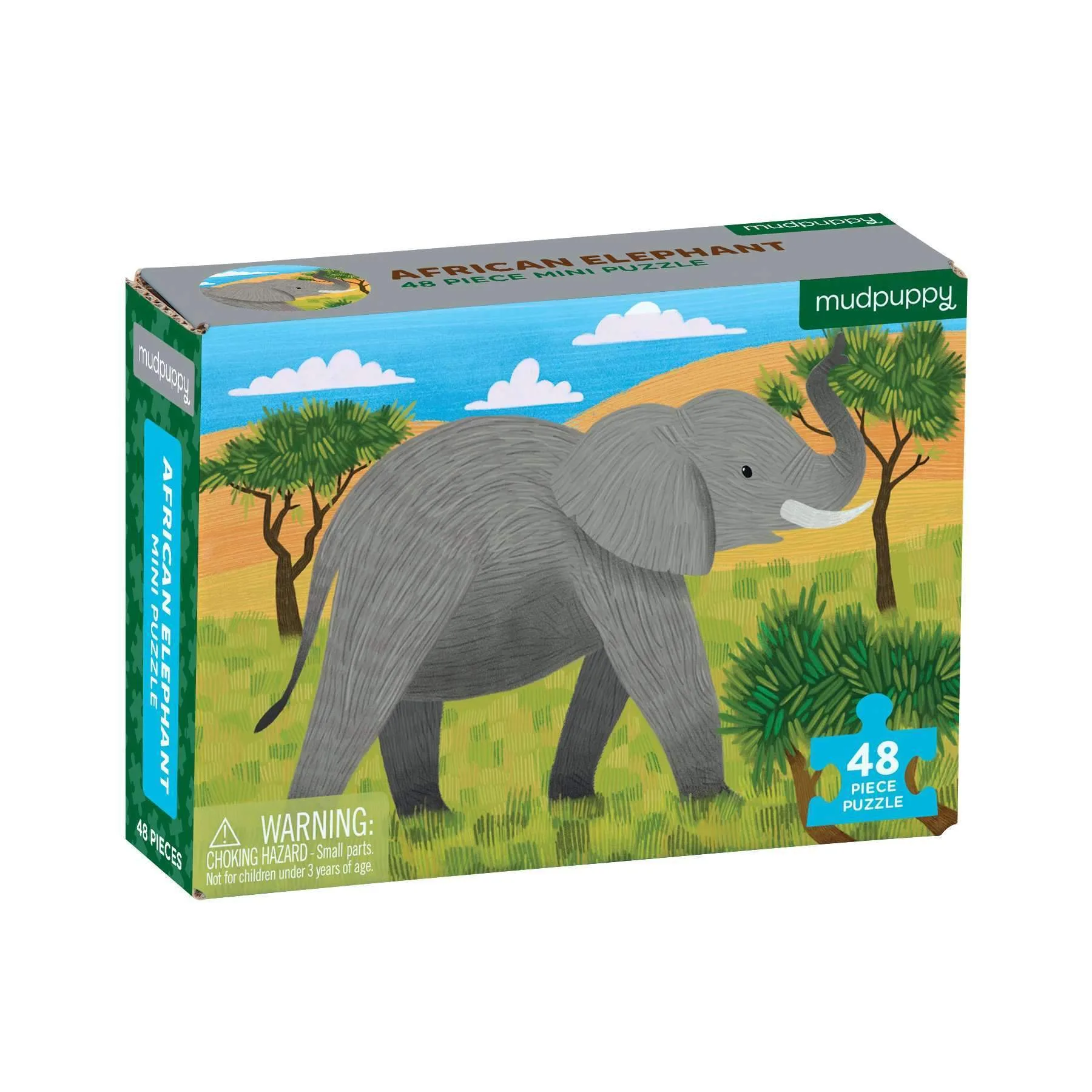
The fastest way to lose a kid to a tablet is to hand them a puzzle that is too hard. A 48-piece mini puzzle like the African Elephant Mini Puzzle, with a finished size of 8 x 5.75 inches, is a realistic first win for a young child or a quick after-school reset. A 500-piece family puzzle such as the Unicorn Reading 500 Piece Family Puzzle, which finishes at 20 x 20 inches and is listed for ages 8 to 99, works better when an adult or older sibling is puzzling alongside.
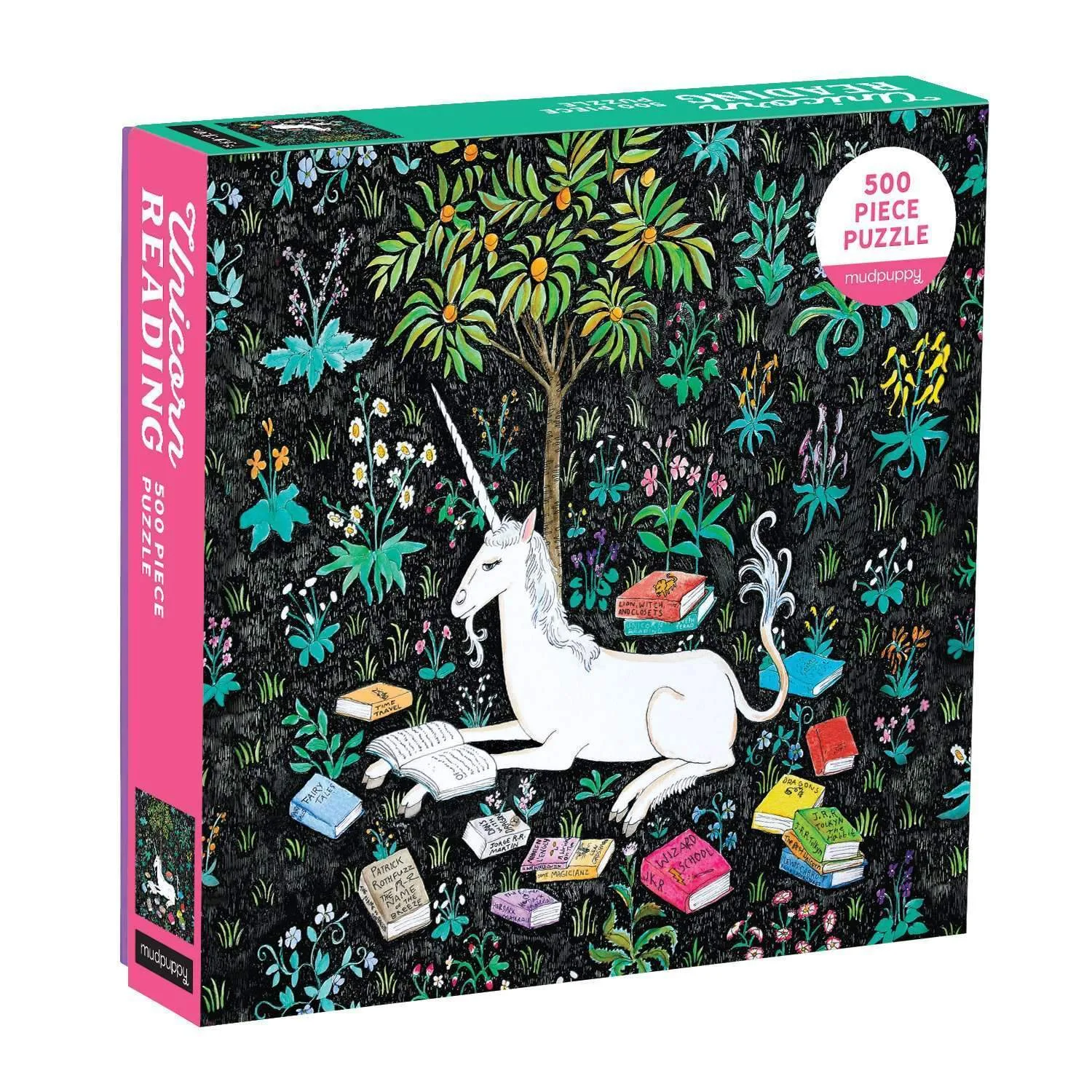
Unicorn Reading 500 Piece Family Puzzle
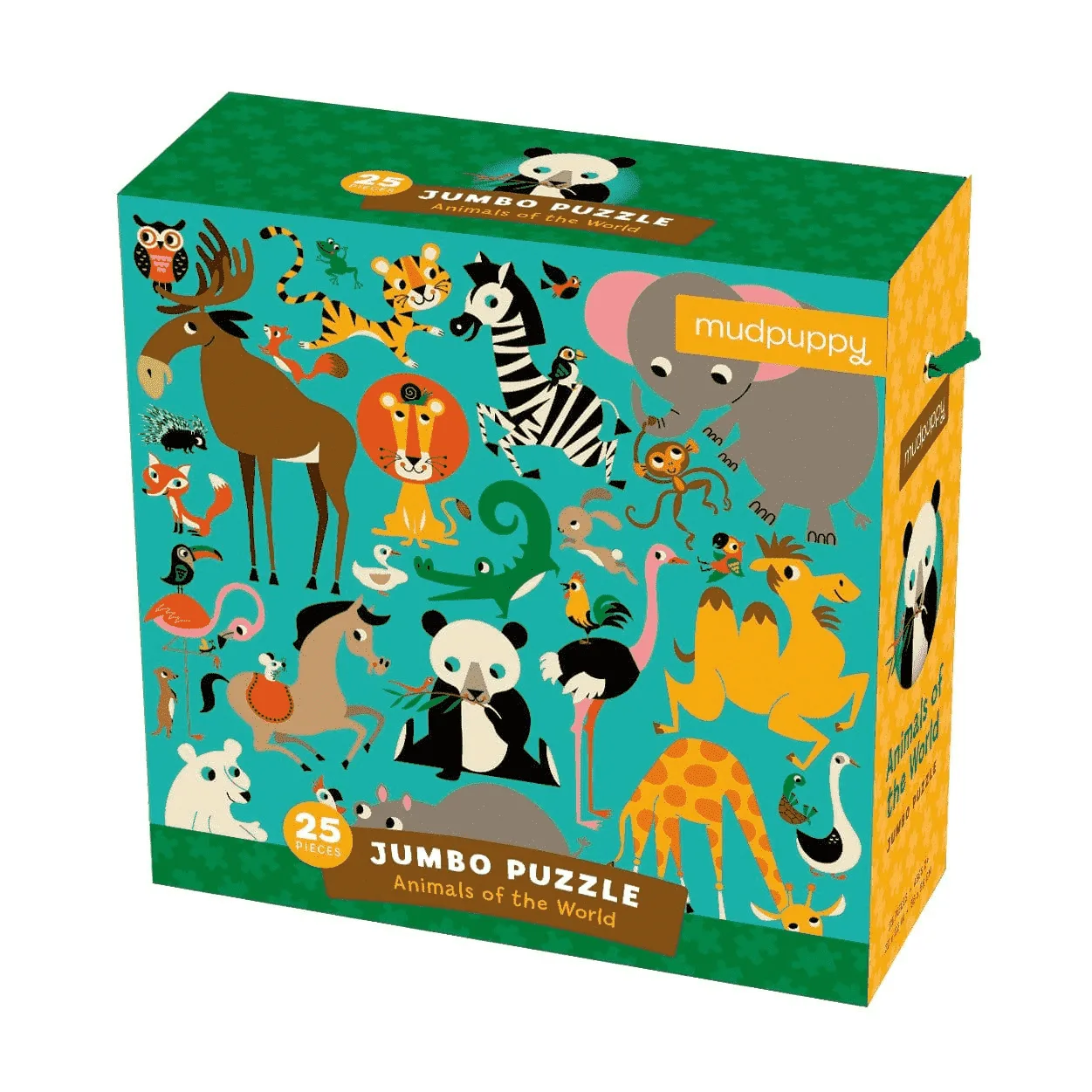
Match the piece count to how long your child will actually sit. A 25-piece jumbo puzzle suits a preschooler, a 48-piece mini puzzle suits early elementary, and a 300- to 500-piece puzzle suits a tween who wants a project. If your child loses interest after ten minutes, drop one size down rather than pushing through.
- Checkpoint: if your child finishes in under five minutes, size up next time; if they abandon it twice, size down.
Step 2: Set up a permanent puzzle station
A puzzle that lives in a closed box on a high shelf loses to a tablet every time. Set aside one low table, tray, or corner where a puzzle can stay out between sessions. A sturdy box with a handle, like the one that comes with the Animals of the World Jumbo Puzzle, makes it easy to move a work-in-progress off the dinner table without losing pieces.
Keep the station minimal: the puzzle, a small sorting tray or two, and nothing else. If the space is also where homework or mail piles up, the puzzle becomes clutter instead of an invitation. A dedicated tray that slides under a couch or bed solves this in small homes.
- Mistake to avoid: packing the puzzle away after every session. Half-finished puzzles are what pull kids back.
Step 3: Anchor puzzle time to a predictable slot
New habits stick when they attach to an existing routine. Pick one reliable window, such as the 20 minutes after school before screens are allowed, or the wind-down period after dinner. Call it the same thing every day so it becomes a cue rather than a negotiation.
Keep the first sessions short. Fifteen to twenty minutes is enough to build the association between that time slot and puzzling. If your child asks to keep going, let them, but do not extend the slot yourself. The goal is a habit they own, not a scheduled chore.
- Checkpoint: after two weeks, your child should start the puzzle without being asked at least half the time.
Step 4: Puzzle alongside them instead of supervising
Kids copy what adults do. If you sit at the table and work on your own section, puzzling becomes a shared activity rather than a screen substitute you are imposing. Family puzzles in the 500-piece range are designed for exactly this, with mixed piece sizes and images that appeal across ages.
Resist the urge to correct placement or take over the hard sections. Let them struggle briefly, then offer a hint about color or edge pieces. The mild frustration followed by a solved section is what makes puzzles feel rewarding without a screen.
- Mistake to avoid: turning puzzle time into a lesson. Keep it low-stakes and conversational.
Step 5: Build a travel and quiet-time kit
Screen-free play ideas only work if they survive waiting rooms, restaurants, and long car rides. Magnetic puzzles and tin sets are the practical answer because pieces stick to the surface and do not scatter. The Bugs & Birds Magnetic Puzzles set includes two 20-piece puzzles in a tri-fold portfolio with a magnetized surface, so there is no slipping or lost pieces.
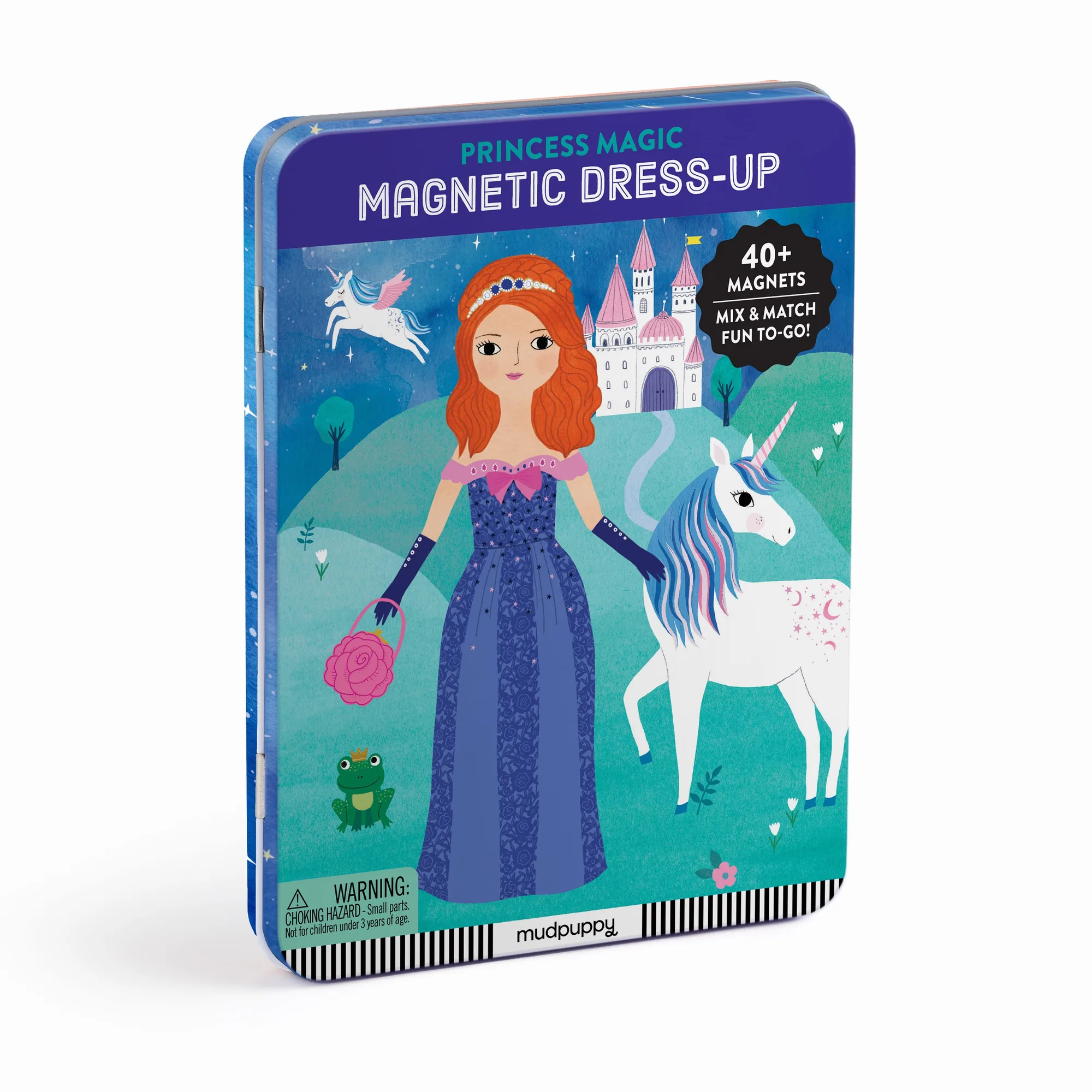
For younger kids, a magnetic dress-up tin like Princess Magic Magnetic Dress-up packs two illustrated scenes and three sheets of mix-and-match magnets into a sturdy tin that doubles as storage. Keep one of these in the car or diaper bag so the offline option is always the closest one.
- Checkpoint: if a puzzle needs a flat table and loose pieces, it is not a travel puzzle. Magnetic and tin sets are.
Step 6: Rotate puzzles instead of buying more
Novelty matters more than volume. Keep three or four puzzles in active rotation and store the rest out of sight. When a puzzle comes back after a few weeks away, it feels new again. This also keeps the puzzle station from becoming a pile that nobody wants to sort through.
Seasonal puzzles are an easy rotation cue. A themed 500-piece jigsaw, such as the Michael Storrings Halloween Parade 500 Piece Puzzle, gives you a natural reason to swap the lineup in October and put it away in November. The same approach works for holiday, summer, and back-to-school themes.
- Mistake to avoid: leaving every puzzle out at once. Choice overload sends kids back to a screen.
Step 7: Handle the pushback without giving in
Expect complaints for the first week or two, especially if screen time has been the default. Acknowledge the boredom without fixing it immediately. Boredom is the doorway to self-directed play, and puzzles are one of the easiest on-ramps because they have a clear finish line.
If your child truly will not engage, change one variable: a different image, a smaller piece count, or a puzzle done together instead of alone. Do not abandon the routine. The consistency of the time slot matters more than any single puzzle.
- Checkpoint: give any new routine at least ten attempts before deciding it is not working.
Your screen-free puzzle routine in seven steps
- Pick the right piece count: Start with 25 to 48 pieces for young kids, 300 to 500 for tweens, and family puzzles when adults join in. If it takes under five minutes, size up; if it is abandoned twice, size down.
- Set up a permanent station: One low table or tray where a puzzle can stay out between sessions, with a sorting tray and nothing else. Never pack a half-finished puzzle away.
- Anchor it to a daily slot: Attach puzzle time to an existing routine, like after school or after dinner, and keep the first sessions to 15 or 20 minutes. Give the routine two weeks before judging it.
- Puzzle alongside them: Work on your own section instead of supervising, and offer hints rather than corrections. Shared puzzling beats solo puzzling for building the habit.
- Build a travel kit: Keep a magnetic puzzle or tin set in the car or bag so the offline option is always within reach. If it needs a flat table and loose pieces, it is not a travel puzzle.
- Rotate three or four puzzles: Keep a small active lineup and store the rest out of sight, using seasonal themes as natural swap cues. Too many choices at once sends kids back to screens.
- Expect pushback and hold steady: Acknowledge boredom without fixing it, and change one variable at a time if your child will not engage. Consistency of the time slot matters more than any single puzzle.
Puzzles that make screen-free time easier
- African Elephant Mini Puzzle: 48-piece mini puzzle with a finished size of 8 x 5.75 inches and a two-sided insert with an image and African elephant facts. The small footprint fits train and airline tray tables, so it works as an offline option on the go, not just at home.
- Unicorn Reading 500 Piece Family Puzzle: 500-piece family puzzle listed for ages 8 to 99, with a finished size of 20 x 20 inches and packaging made with recycled paper. A shared piece count that adults and kids can work on together, which supports the puzzle-alongside-them step rather than solo puzzling.
- Bugs & Birds Magnetic Puzzles: Portable tri-fold portfolio with two 20-piece magnetic puzzles and an extra magnetic surface for packing up mid-solve. Magnetic pieces do not slip or get lost, which makes this a realistic quiet-time activity in cars, waiting rooms, and restaurants.
- Princess Magic Magnetic Dress-up: Magnetic tin play set with 2 illustrated background scenes and 3 sheets of mix-and-match magnets, listed for ages 4 and up. The sturdy tin stores its own pieces, so cleanup is fast and the set can live in a bag without losing parts.
Screen-free puzzle time is less about willpower and more about setup. Keep one puzzle out, match the piece count to your child, and protect the same quiet slot every day. Within a couple of weeks, the puzzle becomes the easy choice.