What Makes a Matcha Latte a Superfood Drink?
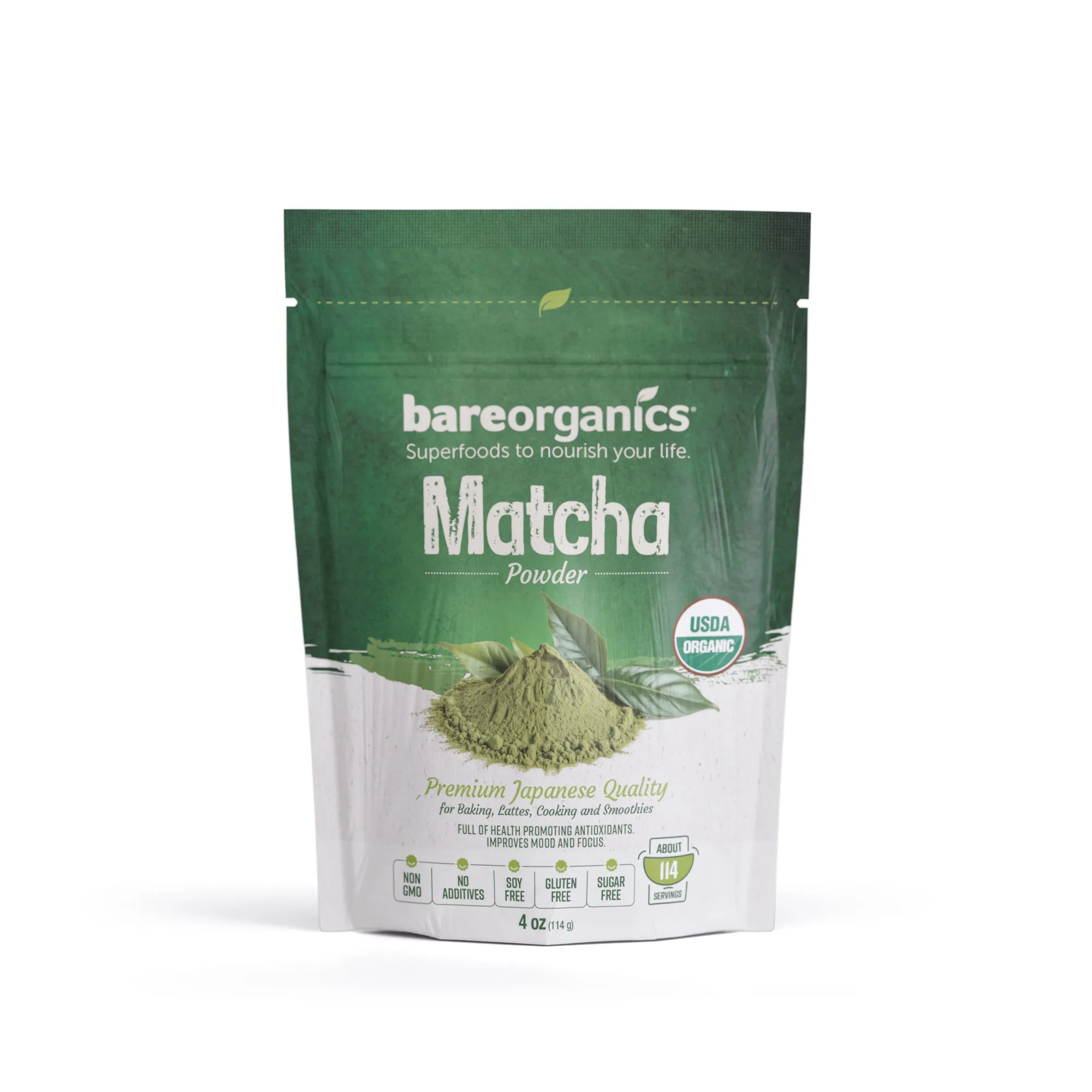
A matcha latte is more than a comforting warm beverage. Because you whisk the whole tea leaf powder into water, you consume the full leaf, including its antioxidants, chlorophyll, and amino acids. Using an organic culinary matcha powder like BareOrganics' Premium Japanese Organic Culinary Matcha Powder means you start with a product that is organic, non-GMO, and free of soy, gluten, and added sugar. Its versatile texture works well for lattes, smoothies, and baking, making it a practical choice for daily use.
About This Matcha Powder
-
Premium Japanese Organic Culinary Matcha Powder: Premium Japanese Organic Culinary Matcha Powder is organic, non-GMO, and contains no additives, soy, gluten, or sugar. A clean ingredient list means you control what goes into your latte. There are no hidden sweeteners or fillers, so the flavor and color come entirely from the matcha.
Premium Japanese Organic Culinary Matcha Powder
-
Premium Japanese Organic Culinary Matcha Powder: The powder is described as highly versatile, suitable for drinks, smoothies, baking, ice cream, and cooking or enhancing flavors. If you buy this matcha for lattes, you can also use it for other recipes without buying a second product. That makes it a practical, multi-use pantry item.
How to Make a Simple Organic Matcha Latte
The following steps outline a basic method for preparing a matcha latte. Adjust the ratio of matcha to liquid to suit your taste. The supplied information does not include specific temperatures or times, so use your judgment and the product's general guidelines.
- Measure the matcha: Use a small scoop or measuring spoon to portion the Premium Japanese Organic Culinary Matcha Powder. A typical starting amount is about 1 teaspoon. Sifting the powder through a fine mesh strainer into your bowl or cup helps prevent clumps.
- Add a small amount of hot water: Pour a few tablespoons of hot (not boiling) water over the sifted matcha. Water that is too hot can make the matcha taste bitter. Use a bamboo whisk or a small kitchen whisk to blend the powder and water into a smooth, clump-free paste.
- Top with milk or milk alternative: Fill the rest of your cup with your choice of warm or frothed milk. Dairy milk, oat milk, or almond milk all work well. Stir or whisk gently to combine. The matcha paste will dissolve evenly into the milk, creating a vibrant green latte.
- Optional: sweeten to taste: If you prefer a sweeter latte, add a small amount of honey, maple syrup, or a sugar-free sweetener. Because the matcha itself contains no added sugar, you have full control over the sweetness level.
Recipe Ideas to Try
Once you are comfortable with the basic matcha latte, experiment with variations. Blend the prepared latte with ice for a cold version. Add a shot of espresso for a matcha dirty latte. Stir in a spoonful of vanilla extract or a pinch of cinnamon for extra flavor. The powder's versatility means it also works well in smoothies, oatmeal, salad dressings, and baked goods like cakes and cookies.
Choosing Culinary Matcha for Lattes
Ceremonial grade matcha is often reserved for traditional tea preparation, while culinary grade matcha is designed for mixing with other ingredients. BareOrganics' Premium Japanese Organic Culinary Matcha Powder is labeled as culinary, which means it is formulated to hold its flavor and color when combined with milk, sweeteners, and other recipe components. This makes it a cost-effective and appropriate choice for lattes and cooking.