Quick Answer
To make your own conversation card game, start by defining your audience and theme, then brainstorm and write engaging questions. Design and print your cards, and test them with a small group. Use our step-by-step guide below to create a personalized game that rivals commercial sets like TableTopics.
Creating your own conversation card game is a rewarding project that lets you tailor questions to your group's interests and inside jokes. Whether for a family dinner, a party with friends, or a classroom activity, a homemade set can be more meaningful than a store-bought one. This guide walks you through the process, from brainstorming to testing, so you can craft a game that sparks lively discussions.
While commercial sets like TableTopics offer professionally curated questions, a DIY approach gives you complete control over tone and content. You can focus on specific themes, adjust difficulty for your audience, and even incorporate personal references. Let's dive into the steps to create your own conversation starters.
Define Your Audience and Theme
Before writing questions, decide who will use the cards. Are they for adults, teens, kids, or a mixed group? For example, a family game might include questions suitable for all ages, while a party with close friends could venture into spicier territory. Consider the occasion: a dinner party, a road trip, or a team-building event.
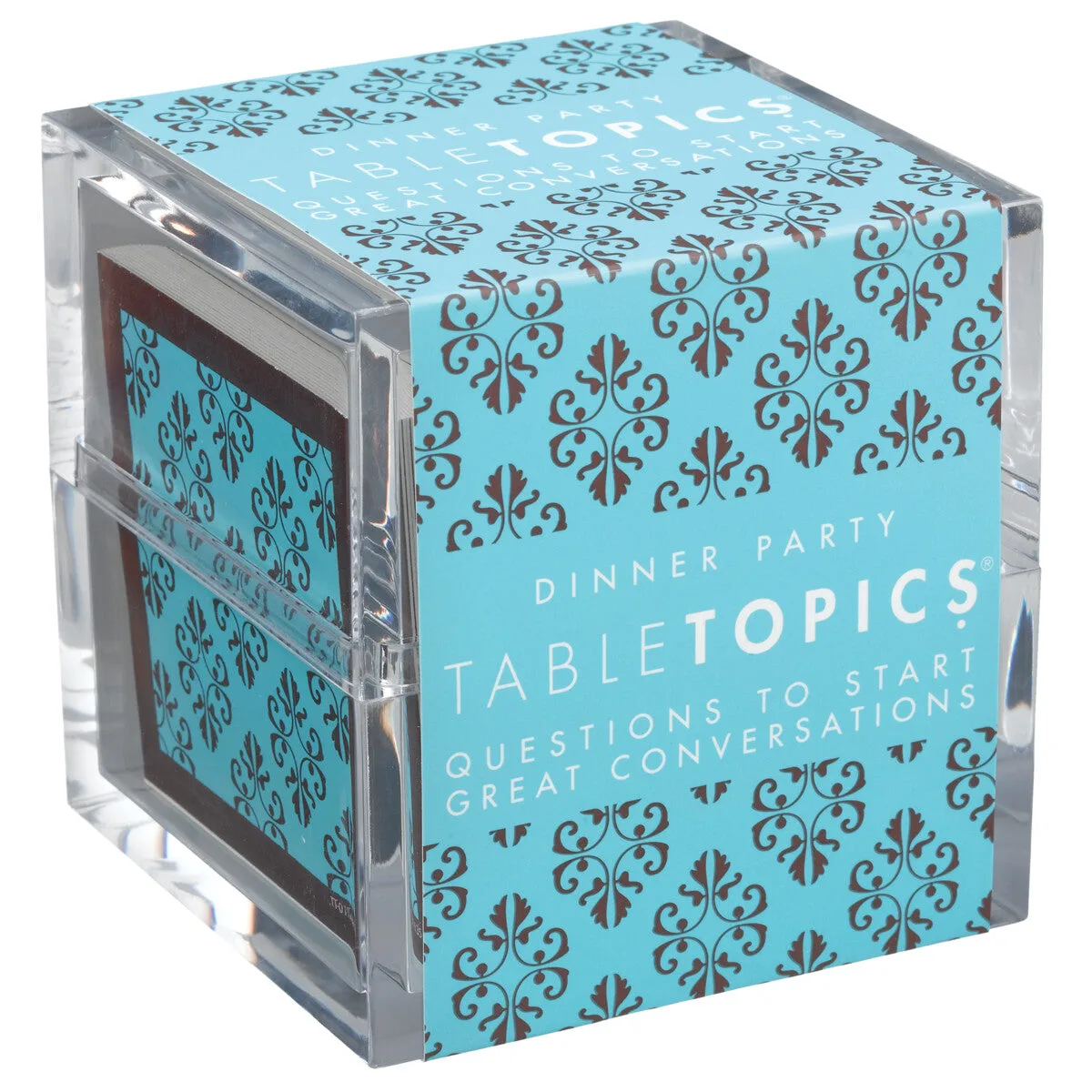
Choose a theme that matches your audience. Popular themes include food, travel, pop culture, or personal growth. If you're stuck, look at existing sets for inspiration. For instance, TableTopics offers themed sets like Savor for foodies and Geek Pop for pop culture fans. Your theme will guide your question writing and make the game feel cohesive.
- Checkpoint: Write down your audience and theme before creating questions to ensure consistency.
Brainstorm and Write Engaging Questions
Aim for at least 50 questions, but 100 or more is better for replayability. Start by listing open-ended questions that encourage sharing stories or opinions. Avoid yes/no questions. For example, instead of 'Do you like to cook?' ask 'What's your most memorable cooking disaster?'
Use prompts like 'Would you rather...' or 'What's the best...' to spark interesting answers. You can also include questions that reveal values or dreams, such as 'What are the three most important qualities you look for in a partner?' from the Happiness set. Write questions that match your theme and audience, and don't be afraid to get creative.
- Common mistake: Making questions too generic. Tailor them to your group's interests for better engagement.
Design and Print Your Cards
Once your questions are ready, design the cards. Use cardstock or printable business card templates. You can design digitally using software like Canva or simply use index cards. Include a title on each card or keep them number-coded with an answer key if you want to add facts or follow-ups.
For a polished look, print on both sides with a decorative back. If you're making a set for a special occasion, consider adding personal touches like photos or inside jokes. You can also laminate the cards for durability, especially if they'll be used frequently.
- Checkpoint: Test print a few cards to check readability and size before printing the full set.
Test and Refine Your Game
Before finalizing, playtest your game with a small group. Observe which questions generate the most discussion and which fall flat. You might find that some questions are too similar or too personal. Ask for feedback and be open to making changes.
Refine your set by replacing weak questions with new ones. You can also organize cards by difficulty or category for easier use. After a few rounds of testing, you'll have a polished game that your group will love.
- Common mistake: Skipping playtesting. Always test to ensure questions are clear and engaging.
Steps to Create Your Own Conversation Card Game
- Step 1: Define Your Audience and Theme: Identify who will use the cards and the occasion. Choose a theme that resonates, such as food, travel, or pop culture, to guide your questions. Checkpoint: Write down your audience and theme to stay focused.
- Step 2: Write Your Questions: Brainstorm at least 50 open-ended questions that encourage storytelling. Avoid yes/no questions and tailor to your audience's interests. Common mistake: Making questions too broad. Keep them specific to your theme.
- Step 3: Design and Print Your Cards: Use cardstock or printable templates. Design with software or by hand, and add personal touches like photos or quotes. Print and cut, then laminate for durability. Checkpoint: Test print a few cards to ensure readability.
- Step 4: Test and Refine: Playtest with a small group. Observe which questions work and which don't. Replace weak ones and adjust for clarity or appropriateness. Common mistake: Skipping playtesting. Always refine based on feedback.
Get Inspired by TableTopics
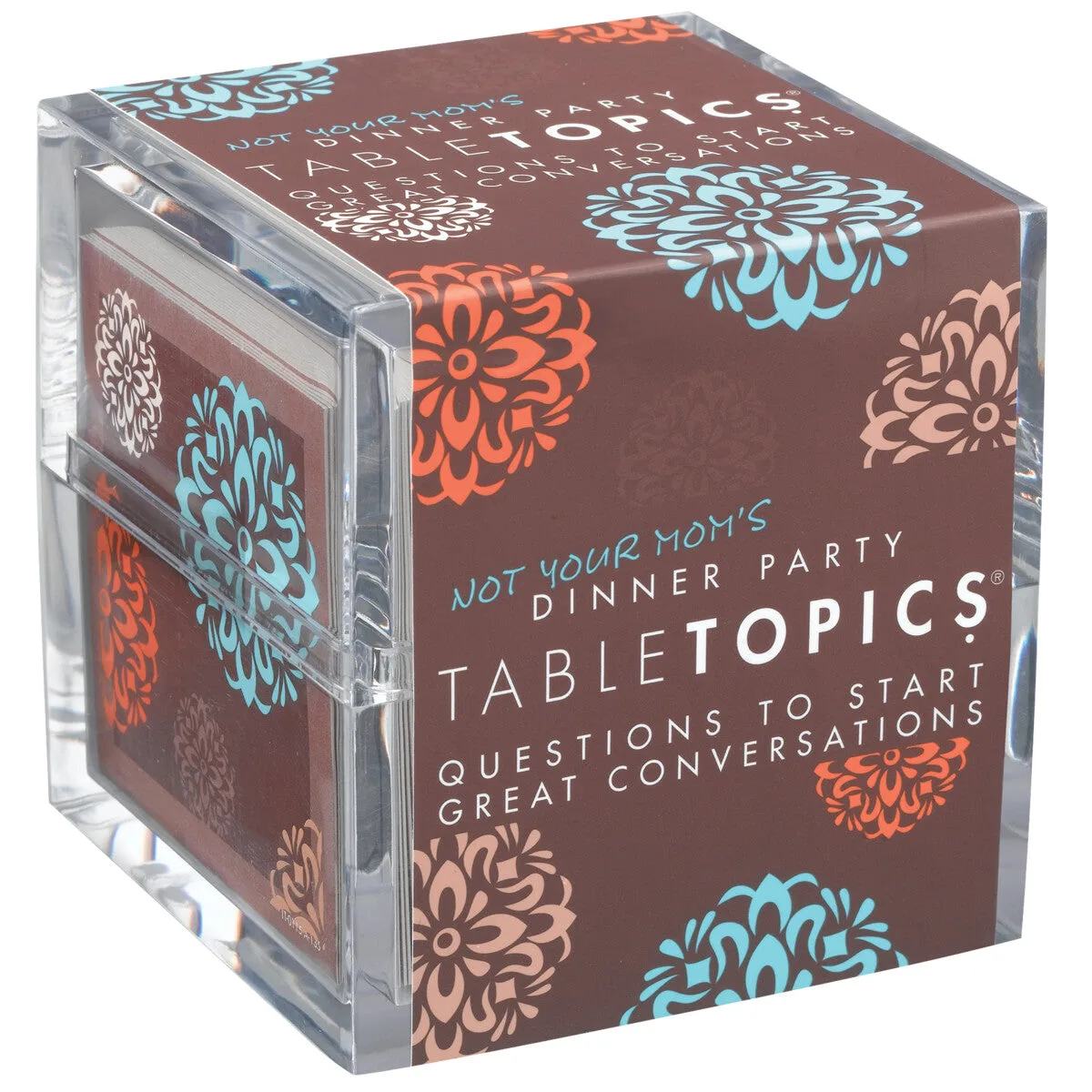
- Not Your Mom’s Dinner Party Conversation Cards: Ideal For: adults, close friends, hosts, party guests. Sample Questions: Would you rather be 10% smarter or 10% better looking? Have you ever been escorted out by security? Boxers or briefs or nothing at all? This set shows how to craft questions that are bold and fun for adult groups, pushing beyond small talk to reveal surprising opinions.
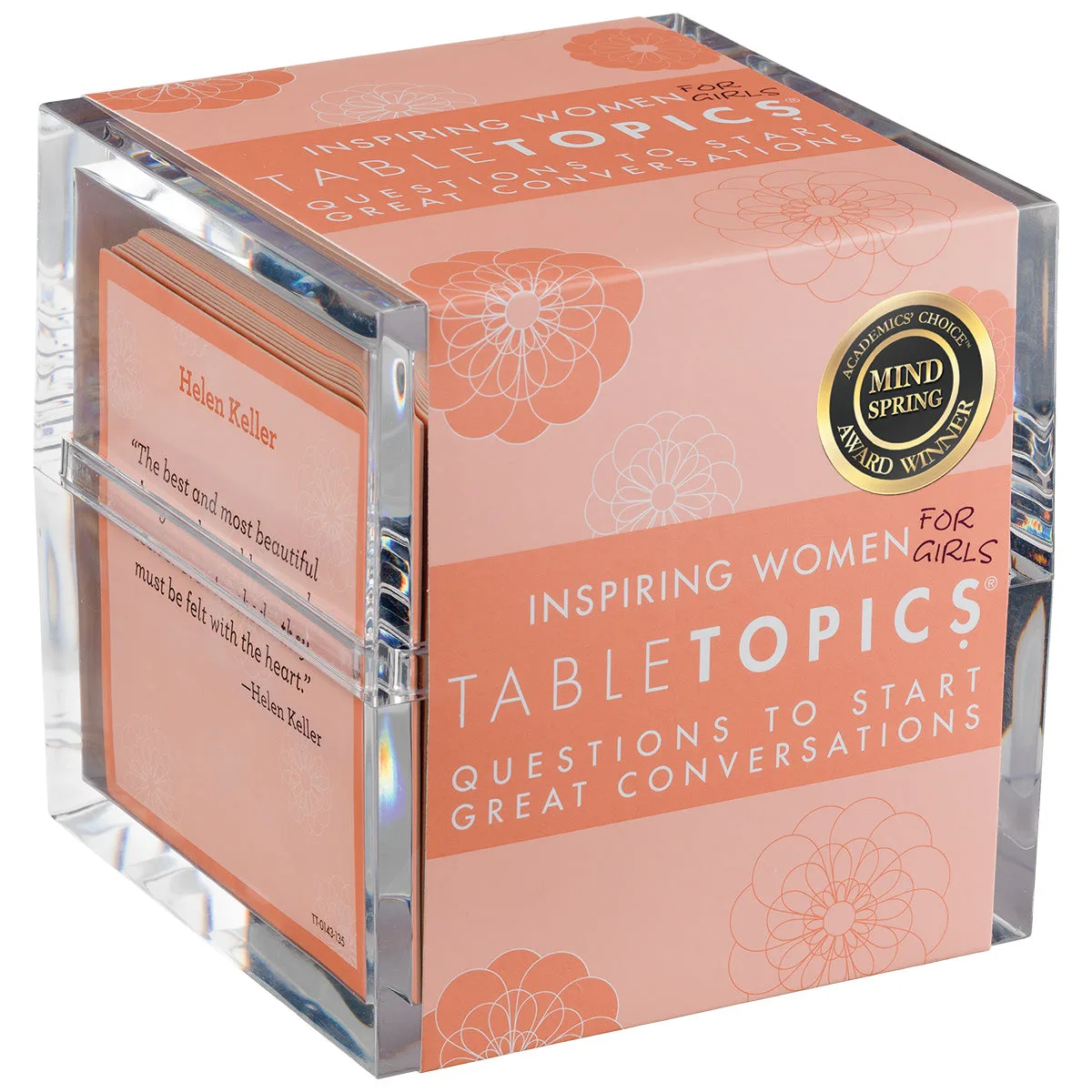
- Inspiring Women for Girls Conversation Cards: Ideal For: moms and daughters, students, teachers. Bonus Content: biographical information and quotes. Award-Winning: Inspiring Women for Girls won the Academics’ Choice™ Award for mind-building product excellence. This set demonstrates how to incorporate educational content and role models, making it perfect for family or classroom use.
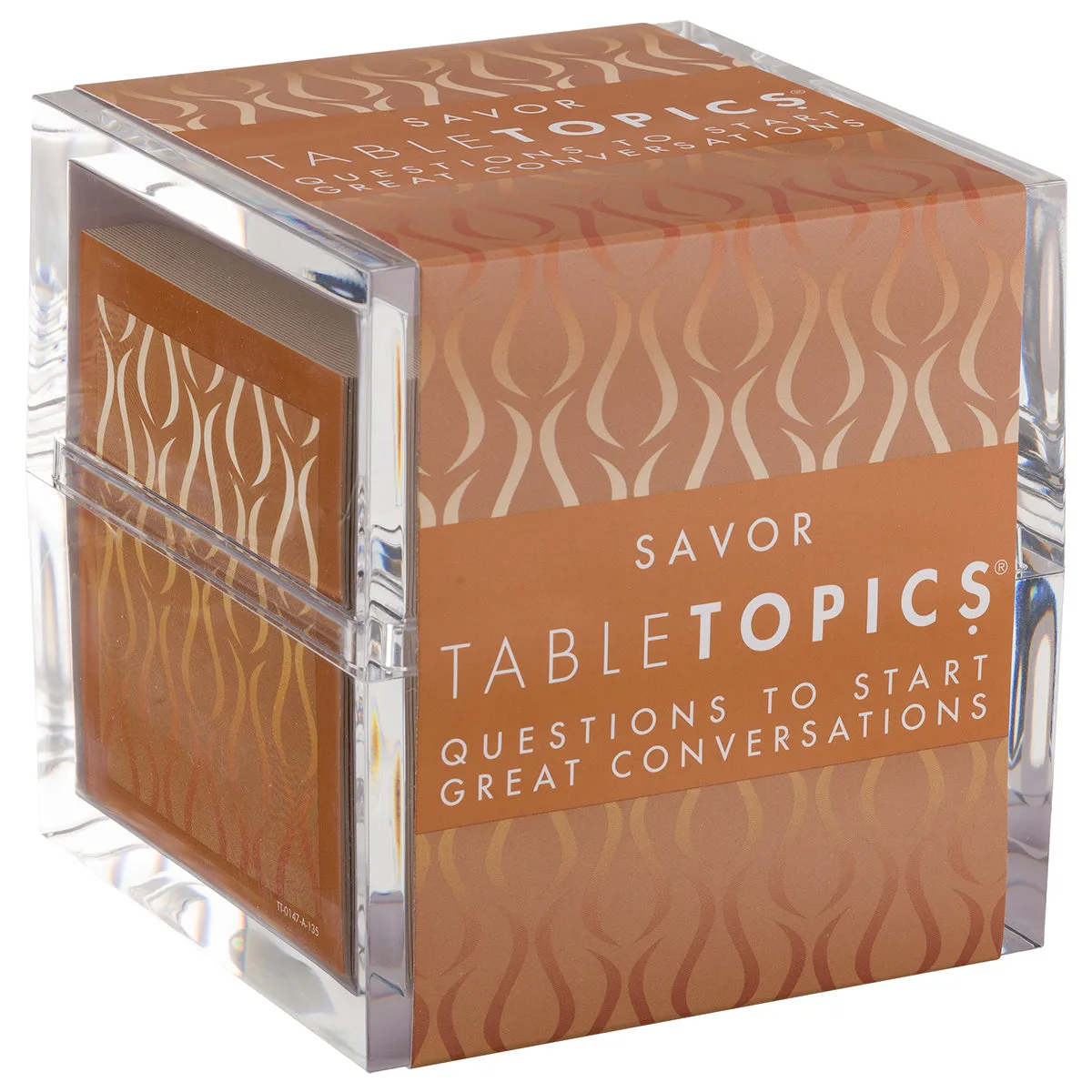
- Savor Conversation Cards: Ideal For: adults, friends, acquaintances, parents, in-laws, hosts. Sample Questions: Which celebrity chef would you most like to fix you a meal? What was your biggest flop in the kitchen? A themed set like Savor shows how to focus questions around a specific interest (food) to create a cohesive and engaging experience.
Making your own conversation card game is a fun and creative project that results in a personalized icebreaker for any occasion. By following these steps, you'll create a set that reflects your group's unique style. For inspiration, check out TableTopics sets like Not Your Mom’s Dinner Party or Savor, and then start crafting your own. Happy conversing!