Quick Answer
To make your own promo cards, start by designing cards that match the game's style and rules, then print them on quality cardstock or use a professional service. Always test for balance and compatibility before adding them to your collection.
Creating custom promo cards for your favorite board games is a rewarding way to personalize your collection and introduce new challenges. Whether you're looking to add a unique twist to a beloved title or simply enjoy the craft, DIY promos let you express creativity while enhancing gameplay.
This guide walks you through the entire process, from initial design to final integration, with practical tips to avoid common mistakes. We'll also highlight how official promos, like those from Czech Games Edition, can inspire your own creations.
Why Make Custom Promo Cards?
Custom promo cards offer a way to breathe new life into games you play often. They can introduce new mechanics, inside jokes, or thematic elements that resonate with your group. Unlike official expansions, DIY promos are tailored to your preferences and can be as simple or complex as you desire.
Moreover, creating promos is a fun project that deepens your understanding of game design. By analyzing how existing cards work, you learn about balance and player interaction. This knowledge not only improves your custom creations but also enhances your appreciation for the games themselves.
Step 1: Design Your Cards
Start by deciding what your promo cards will do. Will they introduce a new action, modify existing rules, or provide a humorous alternative? Sketch out the card's effect, cost, and any special conditions. Ensure it aligns with the game's theme and mechanics to avoid feeling out of place.
Use graphic design software like Photoshop, GIMP, or even Canva to create the visual layout. Match the card's dimensions and border style to the original game. If you're not confident in your artistic skills, use text-only cards with simple icons, or commission an artist. Remember, clarity is key—players should understand the card at a glance.
- Common mistake: Creating a card that is overpowered or underpowered. Playtest with your group to ensure it fits the game's balance.
Step 2: Print Your Cards
Once your design is ready, you have two main printing options: at home or through a professional service. Home printing offers convenience and low cost. Use high-quality cardstock (at least 300 gsm) and a color laser printer for best results. Cut carefully with a guillotine cutter for straight edges.
Professional services, like Print & Play or custom card printers, provide superior quality with rounded corners and durable finishes. They often offer a variety of materials, including linen texture that mimics commercial cards. While more expensive, the result is a more polished and long-lasting product.
- Checkpoint: Before printing a full set, print a single test card to verify color accuracy and text legibility.
Step 3: Ensure Compatibility
Your custom cards must be compatible with the existing game. Compare card sizes and backs to ensure they match. If the game uses sleeves, test that your cards fit properly. For games like Letter Jam where cards are held face-down, the back design is crucial to prevent accidental information leaks.
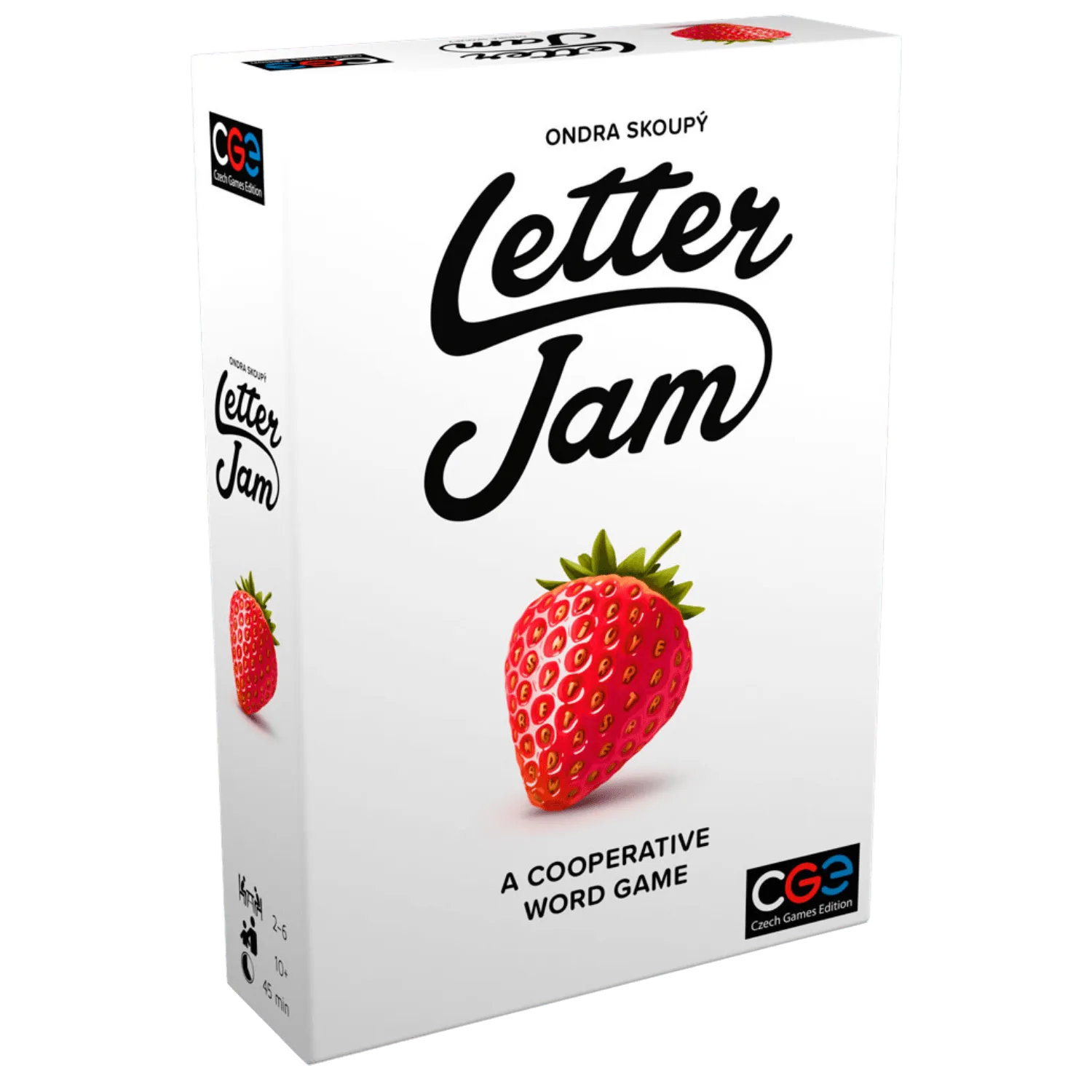
Letter Jam
Also consider how your cards interact with existing mechanics. For example, in a cooperative game like Letter Jam, a promo that gives players extra information might unbalance the challenge. Playtest thoroughly to ensure your cards enhance rather than disrupt the experience.
- Common mistake: Ignoring card back design. In games where players see others' cards but not their own, a mismatched back can break the game.
Step 4: Integrate into Your Game
Introduce your promo cards gradually. Start by adding one or two to a session and observe how they affect gameplay. Discuss with your group whether they feel balanced and fun. Be open to tweaking the effects based on feedback.
Store your custom promos safely, perhaps in a separate sleeve or compartment, to avoid mixing with the base set. If you use sleeves, mark the sleeves with a small sticker to distinguish them. This makes it easy to remove them if you prefer a standard game.
- Checkpoint: After a few playtests, ask players if the promo cards felt like a natural part of the game. If not, revise them.
Step-by-Step Checklist for DIY Promo Cards
- Design with intent: Define the card's purpose and effect. Sketch multiple versions and test with friends to refine mechanics. Checkpoint: Does the card add fun without complicating the game?
- Print with quality: Choose between home printing and professional services. Ensure you use the right cardstock and printer settings. Checkpoint: Print a test card first to check colors and readability.
- Verify compatibility: Match card size, back design, and material to the original game. Sleeve your cards to protect them and hide differences. Checkpoint: Shuffle and draw cards to ensure they feel identical.
- Integrate and playtest: Add your promos to a game and observe. Gather feedback and adjust as needed. Checkpoint: After 3-4 plays, decide if the promos are keepers or need revision.
Inspiration from Official Promos
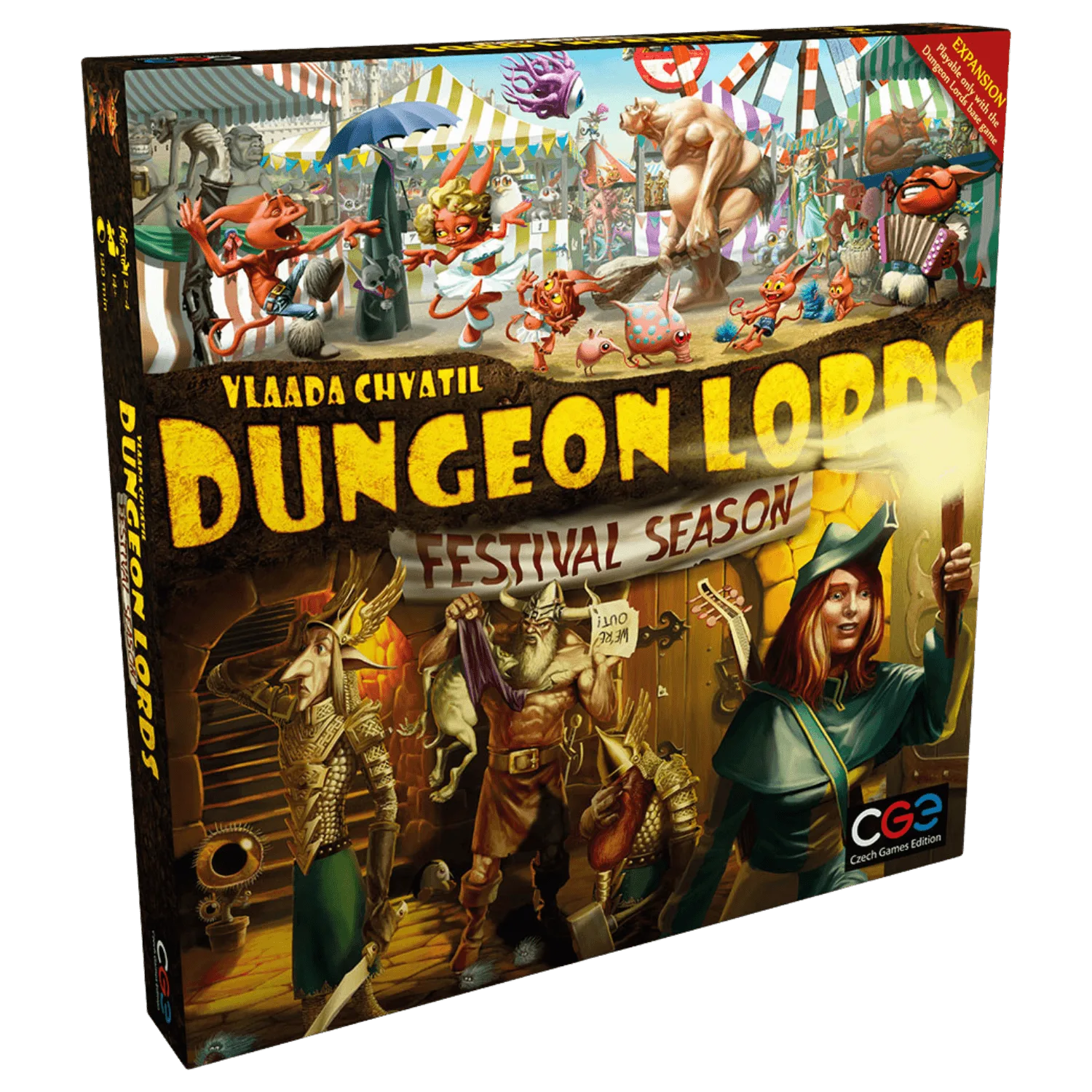
- https://czechgamesesn.com/products/dungeon-lords-festival-season-expansion-308393faa3de875429b30d44-1019373Dungeon Lords: Festival Season: The game is still played over two years, but now each year has five rounds instead of four: winter, spring, summer, autumn and festival season. More time to build your dungeon, but also more time for adventurers to gather a larger party. This shows how a promo can alter the game's structure, giving you ideas for promos that change round counts or add new phases.
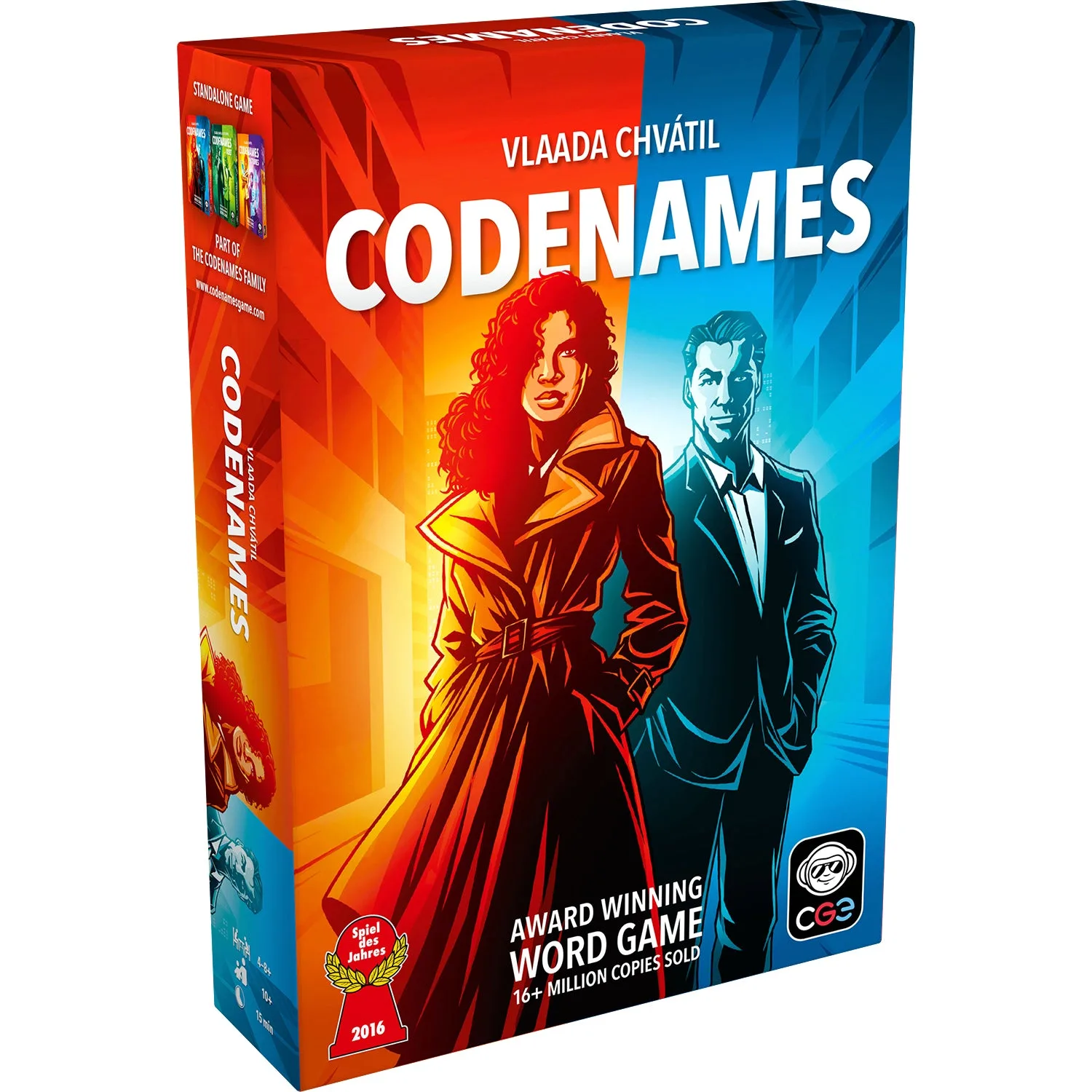
- codenames-pictures-new-7c6bffca3d52e0b6fe7a02c9-1019420">CODENAMES: Pictures: Spymasters give one-word clues to help their teammates identify secret agents hidden among mysterious images. Players interpret layered, imaginative pictures instead of words—each one packed with quirky visual elements and multiple meanings. When designing your own promos, consider how new pictures or words can add variety without disrupting the core clue-giving mechanic.
- Coyote: In this bluffing game by Spartaco Albertarelli you always see the cards of the others, but never your own. This unique perspective is a great example of how a simple twist can create a whole game. Your promo cards could introduce similar asymmetric information.
Making your own promo cards is a fun and rewarding way to customize your board game experience. By following these steps, you can create cards that are balanced, compatible, and enjoyable. Remember to draw inspiration from official promos and always playtest to ensure quality.