Quick Answer
Treat the beige body as your neutral base and the red sleeves as the accent, then pull one existing item that repeats either the beige or the red. Build the rest of the outfit in solid, low-contrast tones so the sleeves stay the focal point. Always check the listed chest and length measurements before buying, because a color block sweater only works when the body fits cleanly.
A beige sweater with red sleeves is one of the easier statement knits to own, because it already contains its own color pairing. You do not need to rebuild your wardrobe around it. You need to decide which half of the sweater you want the outfit to echo, then let the rest of your clothes stay quiet.
This guide walks through a repeatable process: identify your base, choose bottoms, layer, add shoes and accessories, and confirm fit before you commit. Each step includes the mistake that most often throws the outfit off.
Start With the Two Colors You Already Have
Before you buy or style anything, lay the sweater flat and look at how much beige versus red is visible. If the body is mostly beige with red only at the sleeve, your outfit should lean neutral and let the sleeves do the talking. If the red extends into the shoulders or cuffs, you have more color to balance and should keep everything below the waist in one tone.
Then open your closet and pull out every item that is cream, oatmeal, camel, brown, black, or a muted red. These are your candidates. You are not looking for a perfect match to the sweater; you are looking for a piece that either continues the beige or quietly answers the red.
- Common mistake: trying to match the red exactly. A near-match in a different fabric usually looks more intentional than a failed exact match.
- Checkpoint: if you cannot find at least two existing pieces that work, the sweater may not earn its space in your wardrobe.
Choose Bottoms That Keep the Sleeves as the Focal Point
Straight-leg denim in a mid or dark wash is the safest starting point because it reads as neutral next to both beige and red. Wide-leg trousers in cream or black also work and give the sweater a cleaner, more deliberate line. If you want to echo the red, a deep burgundy or rust bottom is a stronger move than a bright true red, which competes with the sleeves.
Avoid bottoms with their own print or a second strong color. A plaid or heavily patterned pant splits attention and makes the sweater look like it was added by accident rather than chosen.
- Common mistake: pairing the sweater with a skirt or trouser in a third bold color, which turns a two-color knit into a three-color argument.
- Checkpoint: squint at the outfit. If the sleeves are still the first thing you notice, the bottom is working.
Layer Without Covering the Red
The point of a color block sweater is the sleeve, so any outer layer should leave it visible or repeat it. An open coat in camel, charcoal, or black worn over the shoulders keeps the beige body readable. A cropped jacket that ends above the sleeve detail also works. If you need warmth, choose a scarf in a tone pulled from the sweater rather than a new color.
Underneath, keep it simple. A plain white or cream tee showing at the neckline adds a clean edge, while a patterned shirt underneath adds visual noise that fights the block of color.
- Common mistake: wearing a long dark coat that hides the sleeves entirely, which removes the reason the sweater stands out.
- Checkpoint: stand in front of a mirror with the layer on. You should still see at least a strip of red at the wrist.
Finish With Shoes and Accessories That Repeat, Not Compete
Shoes are the easiest place to repeat a color. A cream or beige sneaker continues the body of the sweater, while a black or brown boot grounds the outfit. If you want to nod to the red, a bag or a thin belt in a muted brick tone does the job without shouting. Keep metal hardware consistent, since mixed gold and silver on a two-color knit starts to look unresolved.
One accent is enough. If the shoes are the accent, keep the bag neutral. If the bag is the accent, keep the shoes neutral.
- Common mistake: adding a red bag, red shoes, and red lip at once, which flattens the sweater into the background.
- Checkpoint: remove one accessory and see if the outfit looks better. If it does, leave it off.
Confirm Fit Before You Buy Secondhand
Color block sweaters are unforgiving about fit because the seam where the sleeve meets the body sits exactly where the eye lands. If the chest is too tight, the seam pulls and the block looks distorted. If the body is too long, the beige section dominates and the red sleeves read as an afterthought. Compare the listed chest and length measurements against a sweater you already like, not against your body measurements alone.
This is also where secondhand shopping rewards patience. Pre-owned listings usually give flat measurements, so you can check the numbers before ordering instead of guessing from a size label.
- Common mistake: trusting the letter size. A medium from one brand can measure two inches narrower at the chest than a medium from another.
- Checkpoint: lay your best-fitting sweater flat, measure it, and compare those numbers to the listing.
Your Seven-Step Styling Sequence
- 1. Lay the sweater flat and read the color ratio: Note how much of the surface is beige versus red. This tells you whether the outfit should lean neutral or can carry a second warm tone. Checkpoint: if red covers more than the sleeves, plan a quieter outfit.
- 2. Pull every neutral you already own: Gather cream, oatmeal, camel, brown, black, and muted red pieces from your closet before shopping for anything new. Checkpoint: you should have at least two workable bottoms before you commit to the sweater.
- 3. Set the bottom in one solid tone: Choose straight-leg denim, cream trousers, or black wide-leg pants. Skip prints and skip a third bold color. Checkpoint: squint. The sleeves should still be the first thing you see.
- 4. Add an outer layer that leaves the sleeve visible: Use an open camel, charcoal, or black coat, or a cropped jacket that ends above the sleeve detail. Checkpoint: a strip of red should remain visible at the wrist.
- 5. Repeat one color in your shoes: Continue the beige with a cream sneaker, or ground the look with black or brown. Keep the other accessories neutral. Checkpoint: only one accent piece per outfit.
- 6. Compare flat measurements to a sweater you already like: Check the listed chest and length against your best-fitting knit, not against your body measurements or the size label. Checkpoint: if the chest is more than an inch off your reference sweater, expect the sleeve seam to pull or droop.
- 7. Photograph the finished outfit before you wear it out: A phone photo shows color balance more honestly than a mirror, especially with red and beige next to each other. Checkpoint: if the photo looks busy, remove one accessory and reshoot.
Secondhand Pieces That Fit This Approach
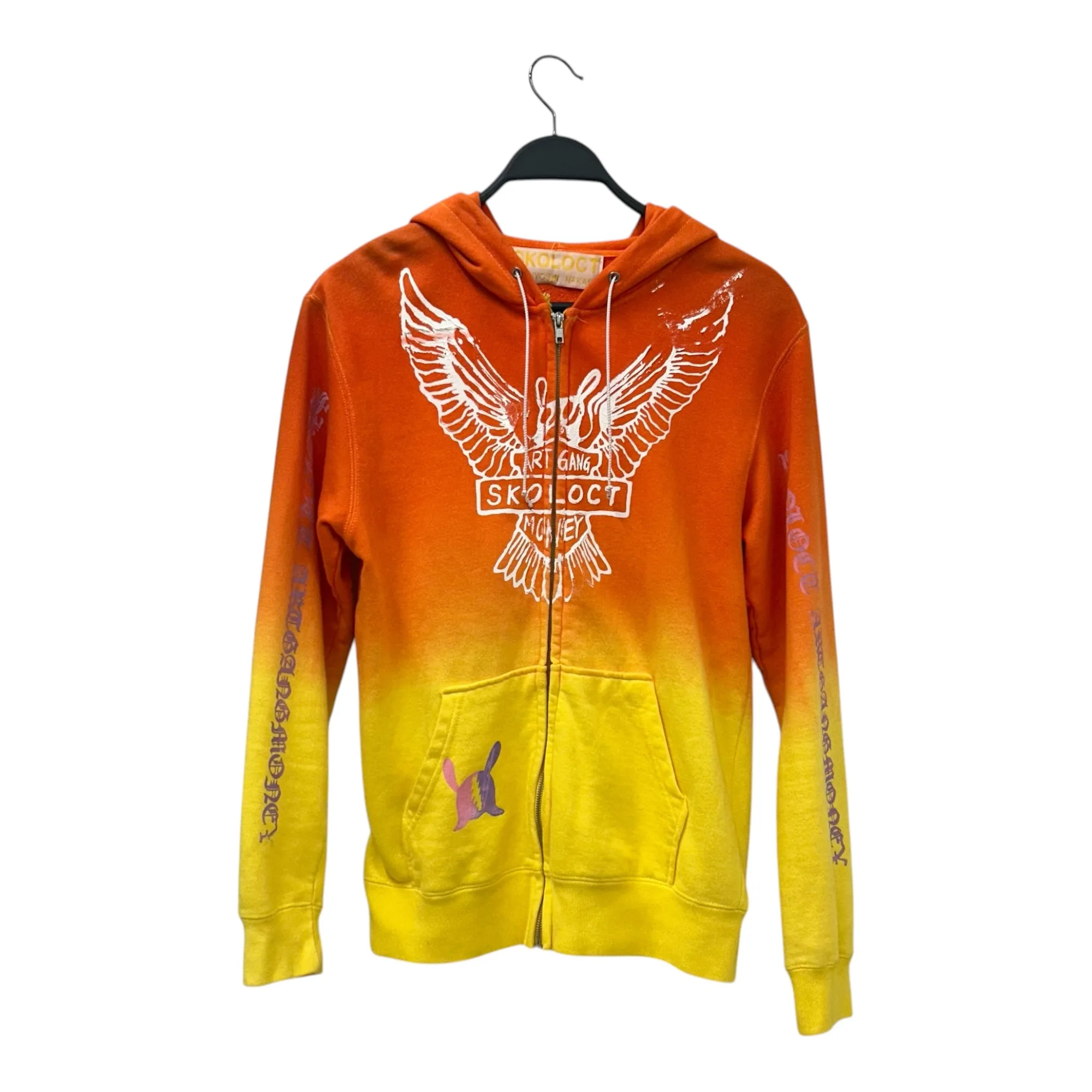
- SKOLOCT/Zip Up Hoodie/M/Graphic/Cotton/ORN/Art Gang Hoodie: Chest 18.5 inches, length 26.5 inches, orange, cotton, condition rated Used_Good. The orange tone sits close enough to red that it can act as the accent layer over a beige base, and the listed chest measurement lets you check whether it will sit cleanly over a knit without pulling.
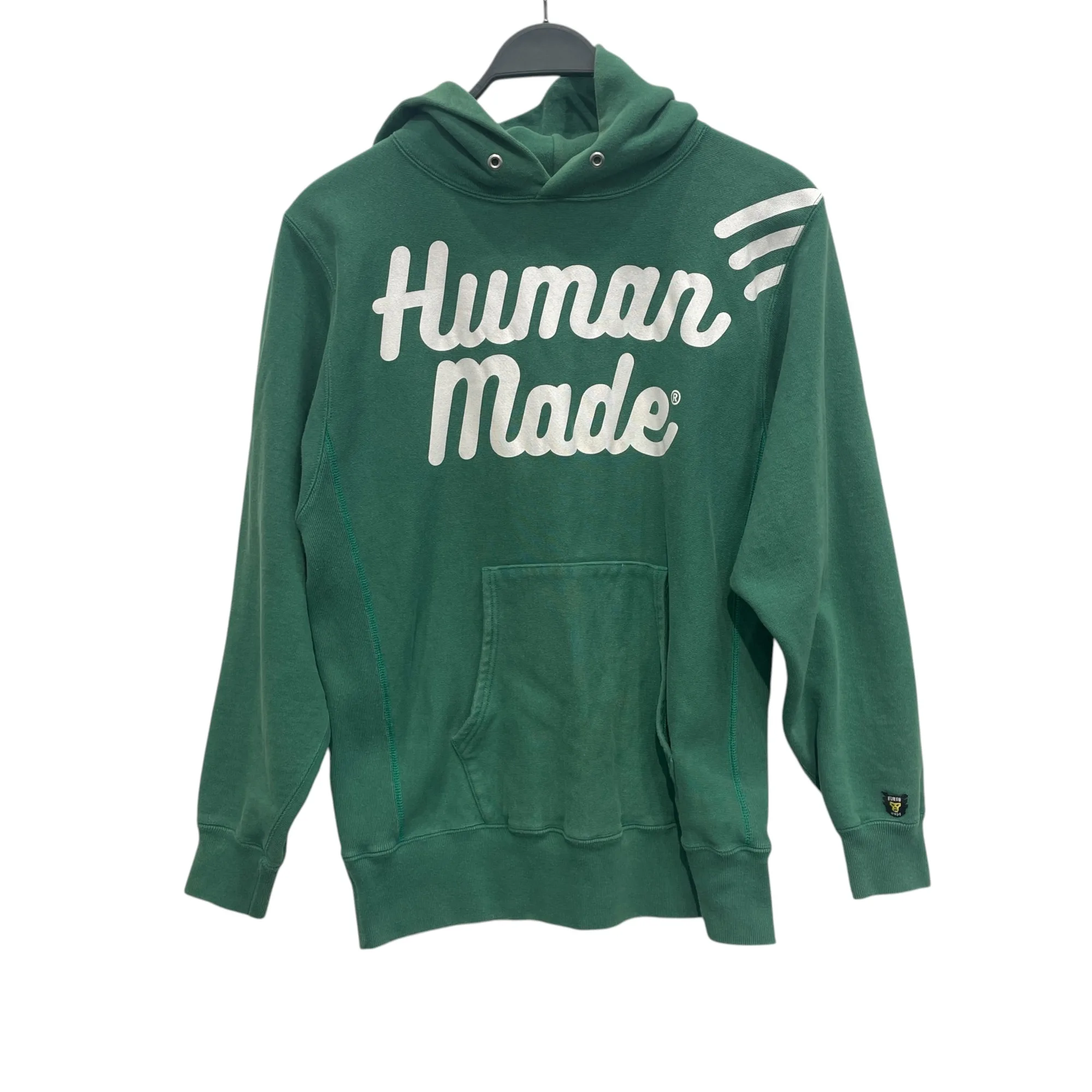
- HUMAN MADE/Hoodie/M/Cotton/GRN/HUMAN MADE WHT GRAPHIC: Chest 17.5 inches, length 27 inches, green, cotton, condition rated Used_Very_Good. A 17.5-inch chest is a trimmer fit, so this works better as a standalone layer than as an outer piece over a bulky sweater. The green also gives you a deliberate contrast option if you want the red sleeves to pop harder.
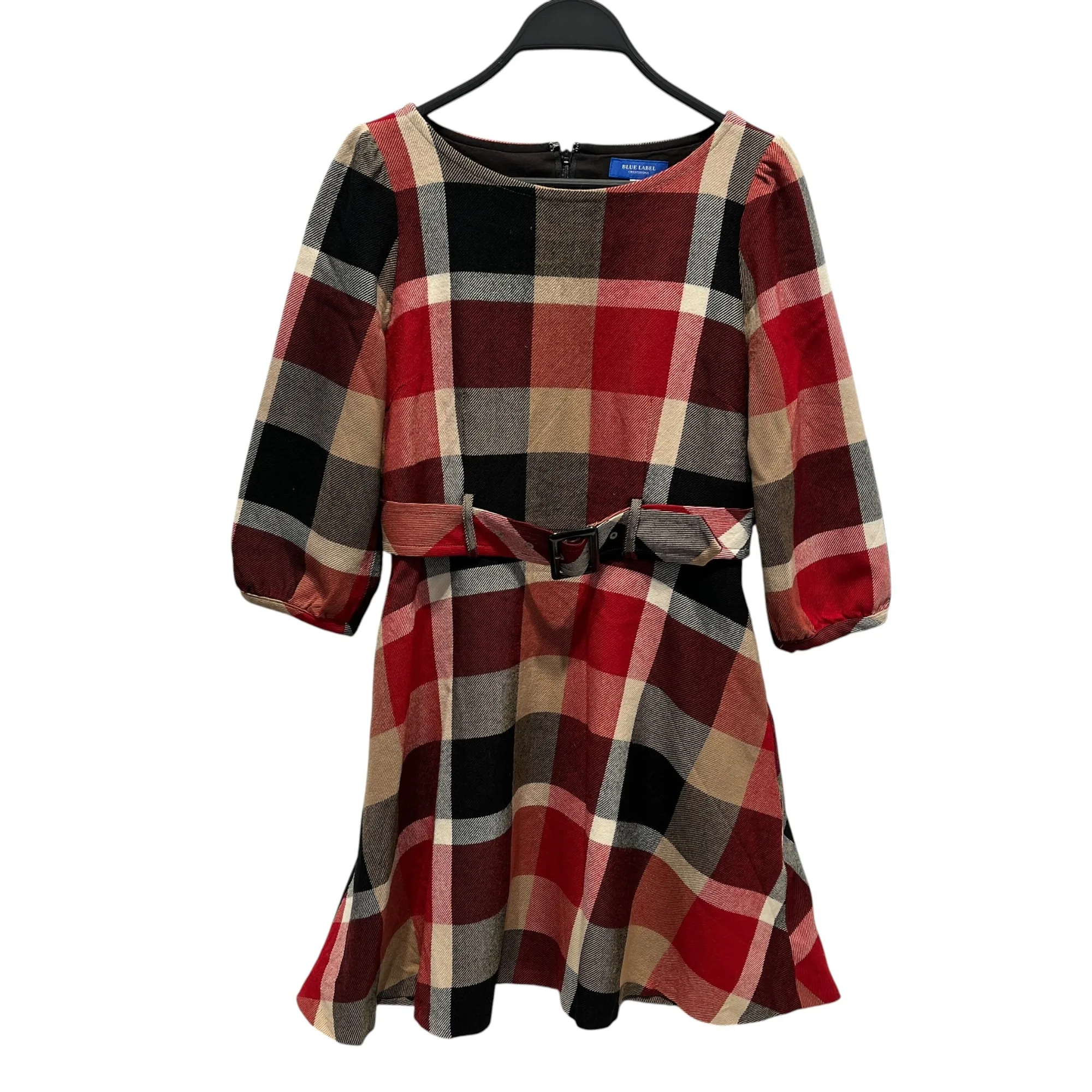
- BLUE LABEL CRESTBRIDGE/Dress/M/Plaid/Cotton/MLT/RED PLAID CHECKER: Chest 17 1/2 inches, length 32 1/2 inches, plaid, cotton, condition Like_New. The red plaid repeats the sleeve color in a pattern rather than a solid, which is a useful way to echo red without matching it exactly, though the plaid means you should keep the rest of the outfit plain.
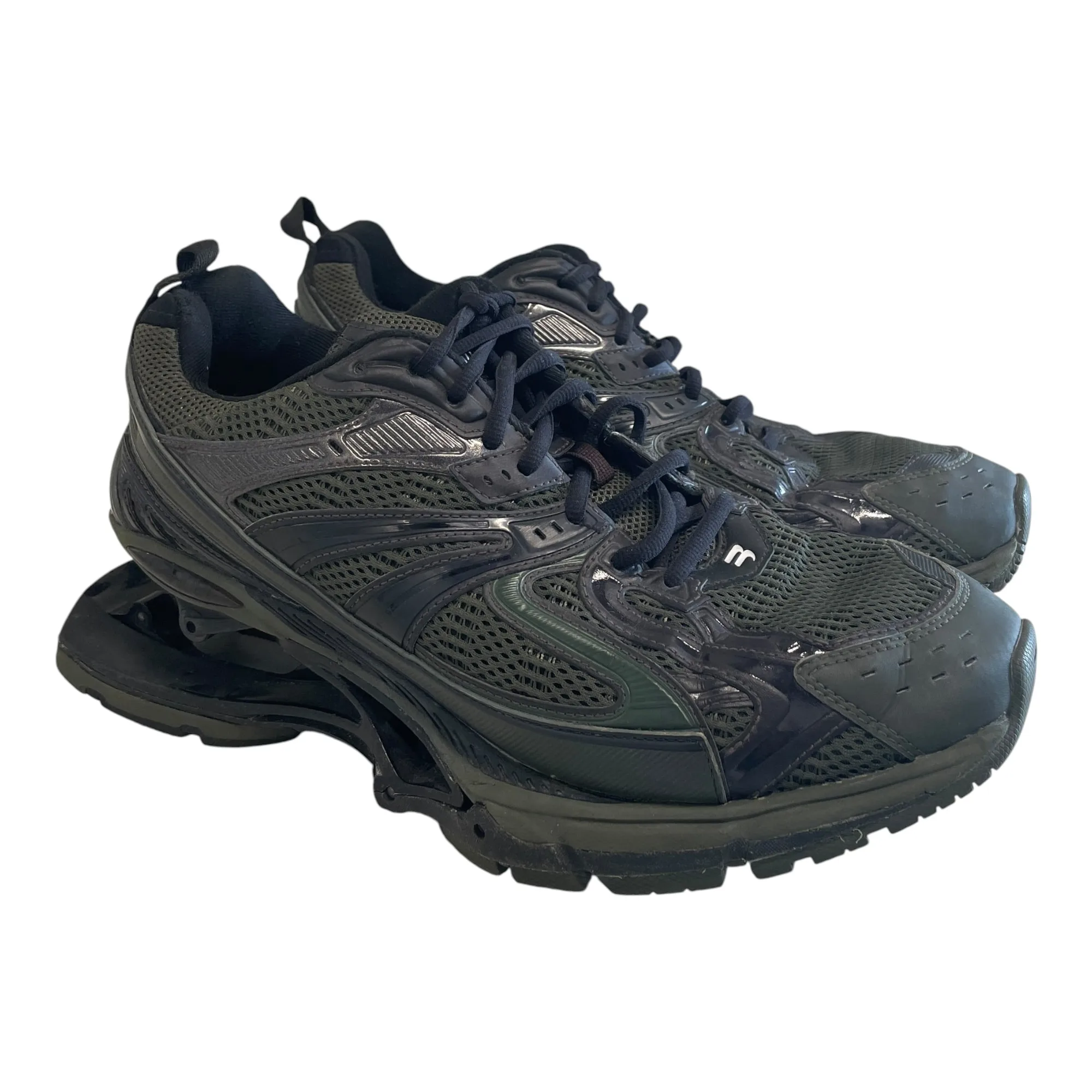
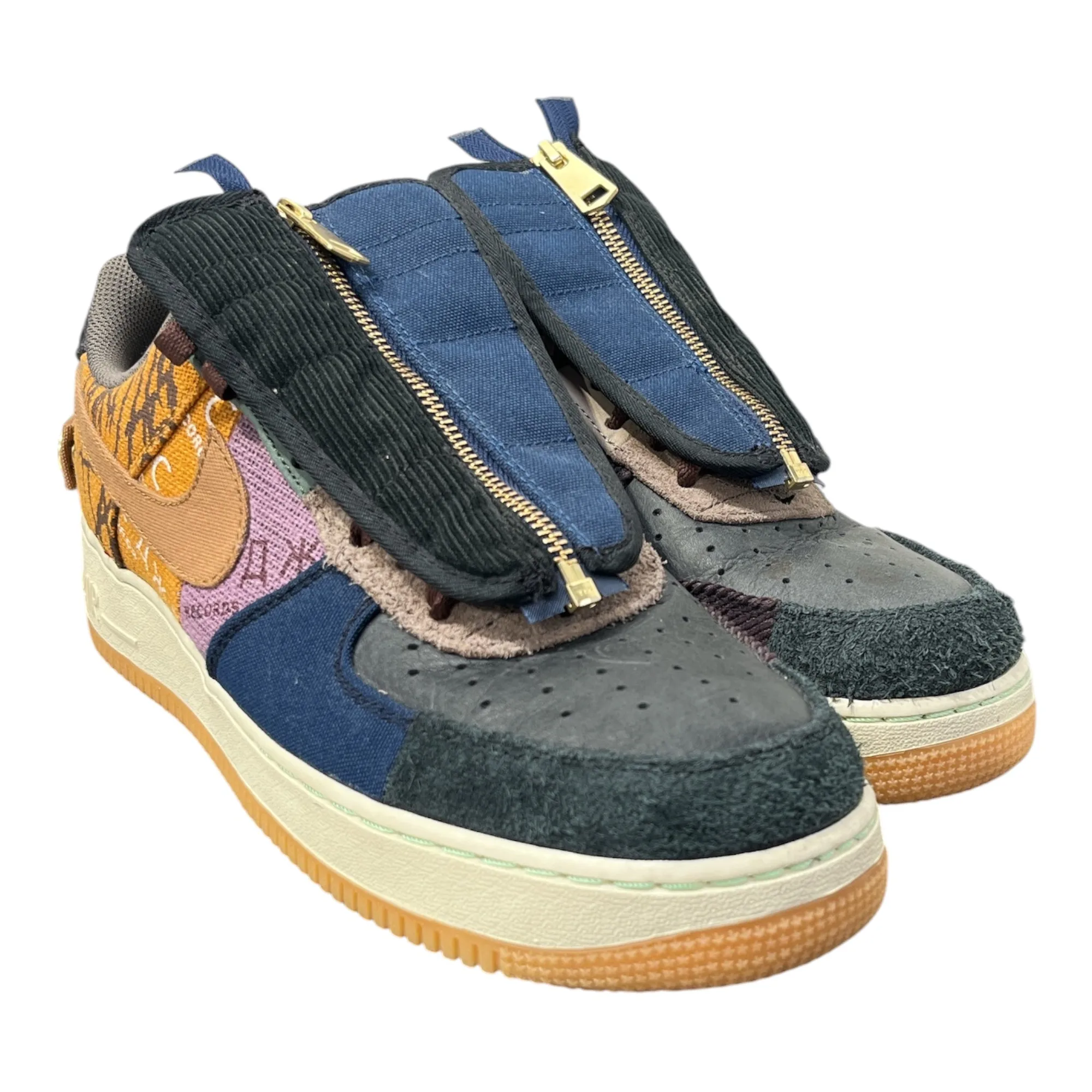
- BALENCIAGA/Low-Sneakers/US 12/Cotton/GRN/X-PANDER: Size US 12, green, cotton, condition rated Used_Very_Good. A green sneaker is a grounded finishing option that lets the red sleeves stay the only warm accent in the outfit, and the listed size removes the guesswork that usually comes with secondhand shoe listings.
A beige sweater with red sleeves works best when you decide which color leads and let everything else support it. Measure before you buy, keep the bottom in one solid tone, and leave at least one part of the outfit quiet so the sleeves can do their job.