Quick Answer
Match clipper blades to coat type by considering coat density, texture, and length. Use skip-tooth or wide blades for thick or matted coats, fine-tooth blades for sensitive areas, and adjust blade size (e.g., #10, #7, #5) for desired finish length.
Understanding Blade Numbers and Their Cuts
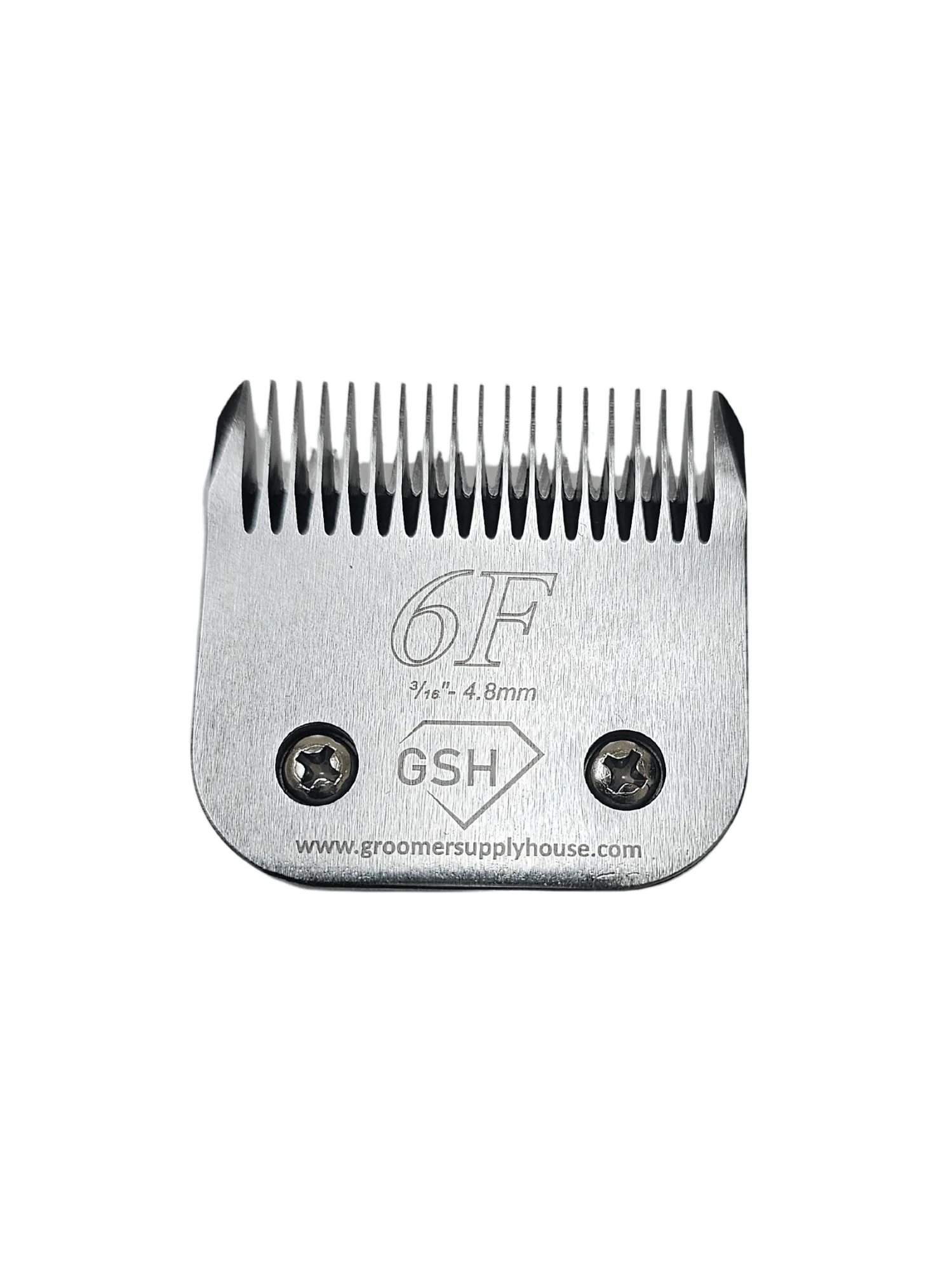
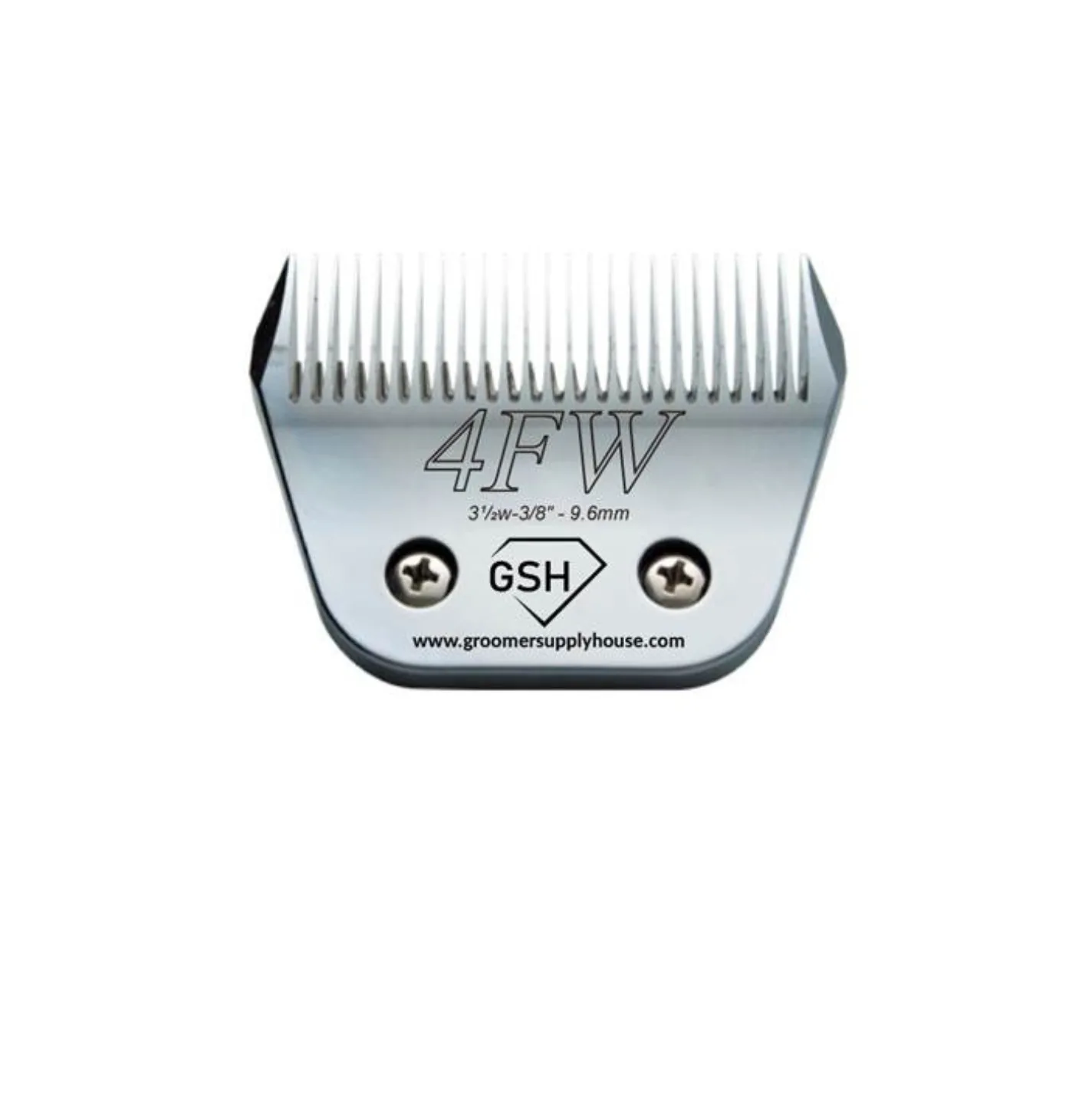
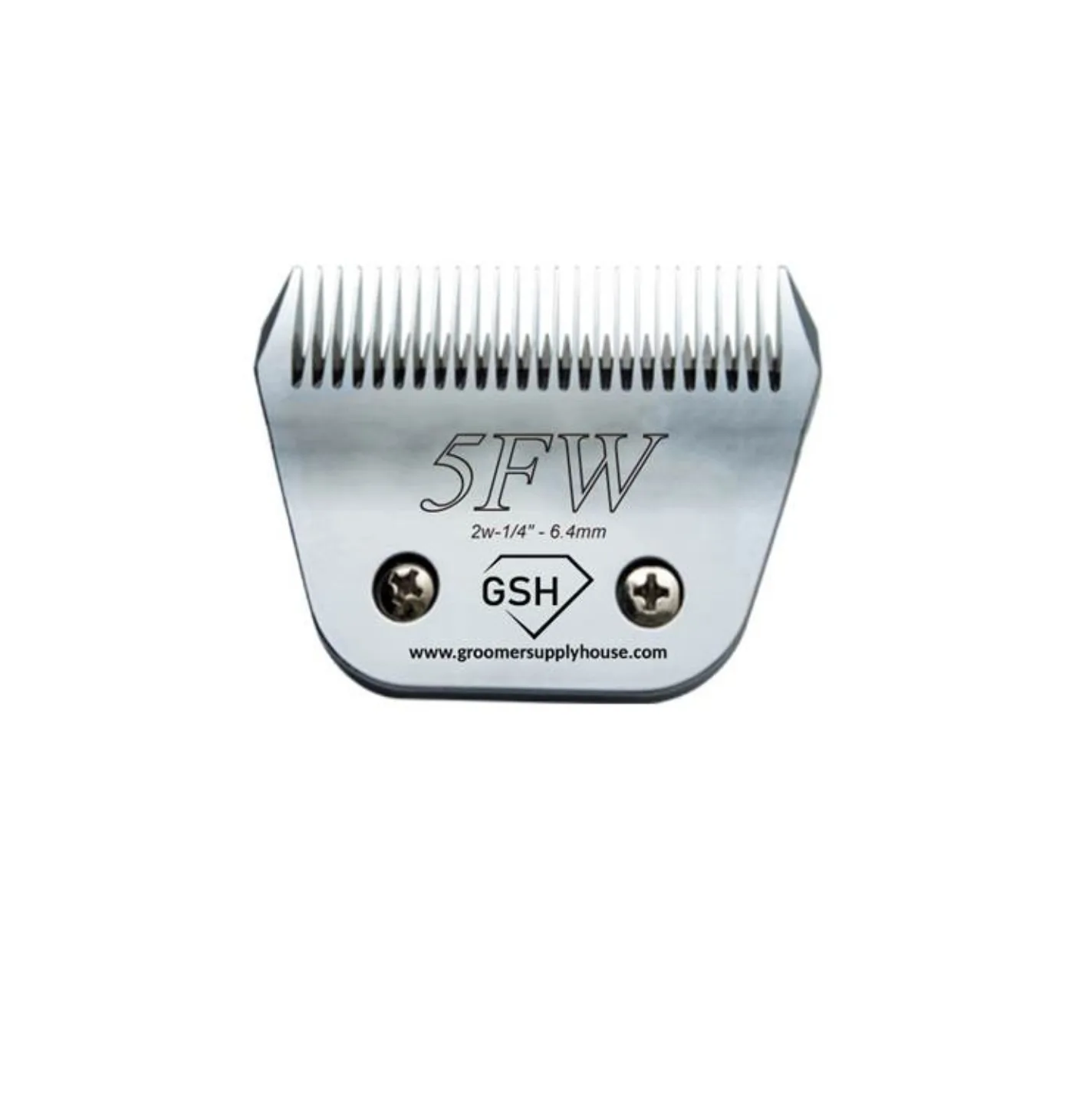
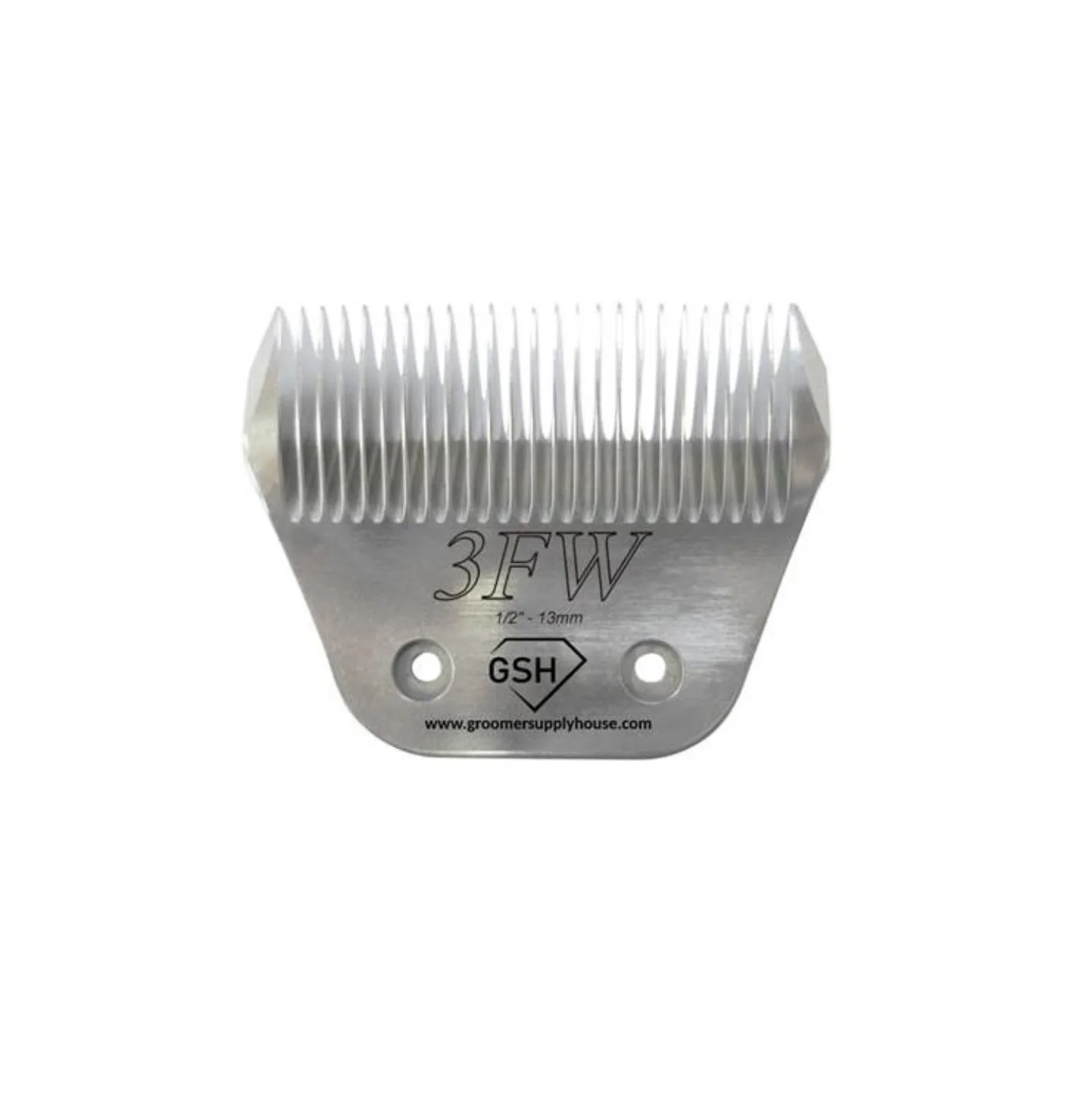
Blade numbers indicate the spacing of teeth and the resulting cut length. Lower numbers like #10 leave hair about 1/16 inch, while higher numbers like #5 leave about 1/4 inch. A #7 blade leaves 1/8 inch and is a versatile choice for many body clips. For very short work, a #15 or #30 blade is used for surgical prep or sanitary trims, but these can be harsh on sensitive skin if used incorrectly.
Coat Type Considerations
Thick, double-coated breeds like Huskies or Golden Retrievers benefit from a skip-tooth blade (e.g., #7 skip) that reduces clogging and pulls less. For curly or woolly coats like Poodles or Doodles, a wide blade with more space between teeth helps prevent matting and allows smoother gliding. Fine or silky coats (e.g., Yorkies) need a fine-tooth blade to avoid snagging. Always use a cooling spray and clean the blade frequently when working with dense coats.
Common Mistakes to Avoid
Using a blade that is too short for the coat can cause irritation, clipper burn, or uneven cuts. Conversely, a blade that is too long may leave the coat looking uneven or require multiple passes. Another common error is using a dull blade on a thick coat, which pulls hair and causes discomfort. Replace or sharpen blades regularly, and always test on a small area first.
Step-by-Step: Matching Blades to Coat Type
- Step 1: Assess the coat: Identify the coat type: thick/double, curly/woolly, fine/silky, or matted. This determines blade tooth style and size range. Checkpoint: If the coat is matted, use a #10 or #7 skip-tooth blade first to remove mats before switching to a finishing blade.
- Step 2: Choose blade length: Select a blade number based on desired finish length. For a short all-over clip, a #7 (1/8 inch) is common. For longer trims, use a #5 (1/4 inch) or #4 (3/8 inch). For sanitary areas, a #10 (1/16 inch) works well. Common mistake: Using a #10 on the body of a thick-coated dog can cause clipper burn. Always use a longer blade for body work.
- Step 3: Select blade tooth style: For thick or double coats, choose a skip-tooth blade to reduce clogging. For curly or fine coats, a fine-tooth blade provides a smoother finish. Wide blades help with matted coats. Checkpoint: If you feel resistance or hear the motor struggling, switch to a skip-tooth or wider blade and clean the blade.
- Step 4: Prepare and test: Clean and oil the blade before use. Test on a small patch of coat to ensure the blade glides without pulling. Adjust blade tension if needed. Common mistake: Skipping the test patch can lead to uneven cuts or skin irritation. Always test first.
- Step 5: Maintain during use: Spray blade coolant every 10-15 minutes, especially on thick coats. Brush out hair buildup between passes. If the blade heats up, stop and let it cool. Checkpoint: A hot blade can cause burns. If you cannot hold the blade comfortably, it is too hot for the dog.
Product Facts
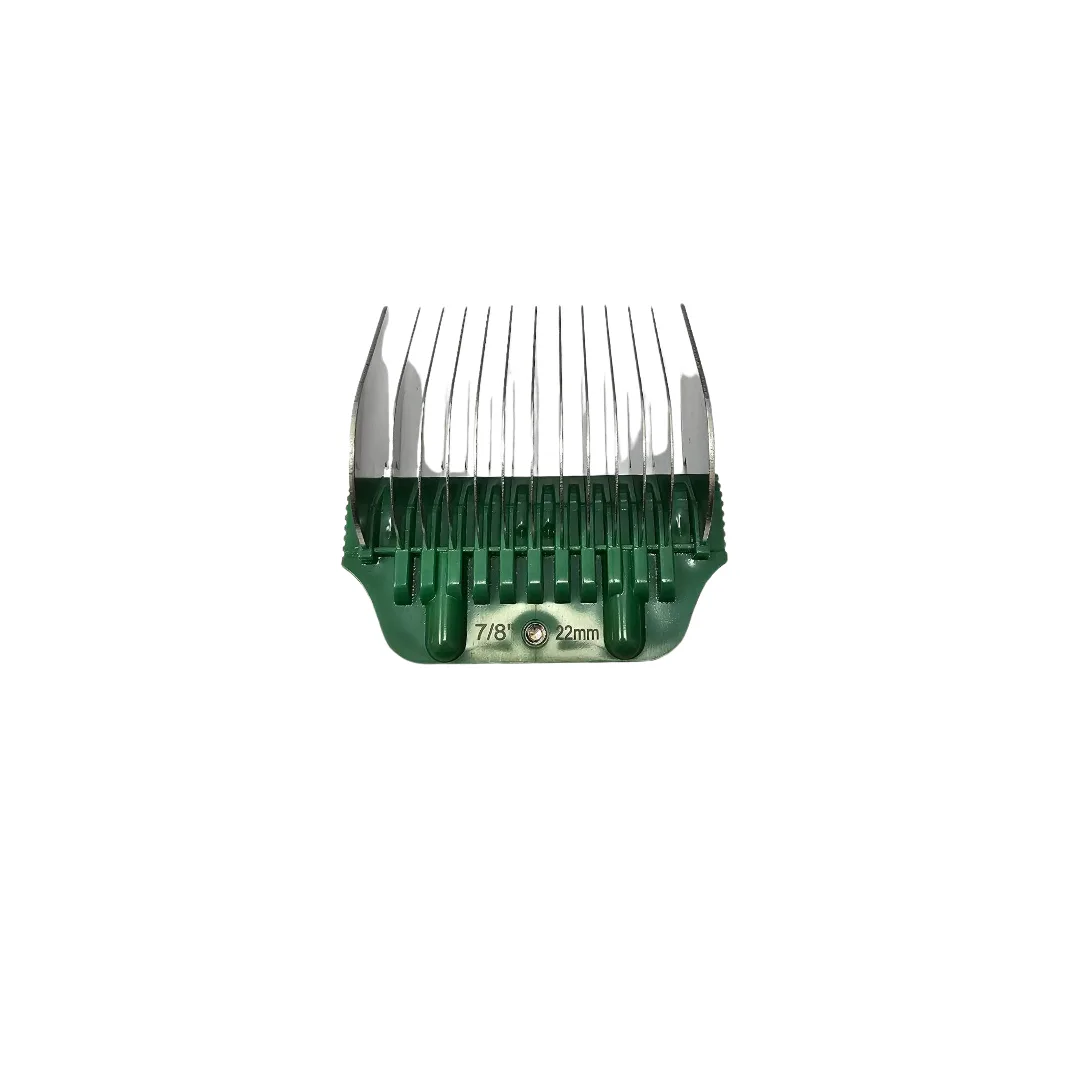
- GSH 7 Piece Wide Guide Comb Bundle: The GSH 7 Piece Wide Guide Comb Bundle includes seven wide guide combs: 6mm, 10mm, 13mm, 16mm, 19mm, 22mm, and 25mm. These combs attach to your clipper to provide consistent, even cuts across a full range of lengths, making it easy to switch between coat types without changing blades.
- Wahl Bravura 2 Professional 5-in-1 Cordless Clipper: The Wahl Bravura 2 features a high-performance brushless motor reaching up to 8,000 RPM and a new 5-in-1 Diamond Pro blade with DLC coating. The higher RPM and cooler-running blade allow smoother cutting through thick or matted coats, reducing pulling and heat buildup during long grooming sessions.