Quick Answer
Match colored contacts to your skin tone by first identifying your undertone (warm, cool, or neutral), then choosing lens shades that complement it: warm undertones shine with golden, honey, or olive lenses; cool undertones with gray, blue, or cool brown; neutral undertones can wear almost anything. Always consider your natural eye color and the effect you want—natural or dramatic.
Why Skin Tone Matters for Colored Contacts
Your skin tone affects how a colored contact lens looks on you. The same lens can appear vibrant on one person and washed out on another. This is because the contrast between your skin and eye color influences the overall harmony. For example, a warm golden lens might blend seamlessly with warm skin but pop dramatically against cool skin. Understanding your undertone helps you predict whether a lens will look natural or striking.
How to Identify Your Undertone
Check your veins: if they appear green, you likely have warm undertones; if blue or purple, cool undertones; if a mix, neutral. Another test: does silver or gold jewelry flatter you more? Gold suits warm, silver suits cool. You can also consider how your skin reacts to sun: warm undertones tend to tan easily, while cool undertones may burn more. Once you know your undertone, you can narrow down lens colors.
Choosing Lens Colors for Warm Undertones
Warm undertones (golden, peachy, or yellow) look best with lenses that have golden, honey, or olive bases. These shades enhance your natural warmth without clashing. For a subtle enhancement, try a warm brown or hazel. For a bolder look, amber or honey lenses can make your eyes glow. Avoid overly cool shades like icy blue or gray, which can create an unnatural contrast.
Choosing Lens Colors for Cool Undertones
Cool undertones (pink, red, or bluish) pair well with gray, blue, green, or cool brown lenses. These shades complement your skin's natural coolness. A soft gray or slate blue can look elegant and natural, while a cool green can add a unique twist. Steer clear of warm golden or orange lenses, as they may clash with your undertone.
Choosing Lens Colors for Neutral Undertones
Neutral undertones are lucky—they can wear almost any lens color. You can experiment with warm, cool, or balanced shades. To keep it natural, match your natural eye color or go one or two shades lighter or darker. For a dramatic effect, try contrasting colors like violet or bright green. Since your skin doesn't strongly lean warm or cool, you have the freedom to play with trends.
Considering Your Natural Eye Color
Your natural eye color also plays a role. Dark brown eyes can carry deeper, richer lens colors, while light eyes may need more opaque lenses to show a noticeable change. If you want a natural look, choose a lens that is close to your natural color but adds a subtle tint or limbal ring for definition. For a dramatic change, you can go for a completely different hue.
Practical Tips for Buying Colored Contacts
When shopping, look for lenses with a limbal ring for a more natural appearance, as it mimics the eye's natural border. Also, consider the diameter: larger diameters can make eyes look bigger but may not suit everyone. Finally, always check the base curve and power if you need vision correction. If you're unsure, consult an eye care professional.
5-Step Process to Match Colored Contacts to Your Skin Tone
- Determine your undertone: Use the vein test or jewelry test to classify your skin as warm, cool, or neutral. Checkpoint: If you're still unsure, ask a friend or visit a makeup counter for a professional opinion.
- Decide on the effect you want: Choose between natural enhancement or a dramatic change. This guides how closely the lens should match your natural eye color. Common mistake: Assuming you must match your natural eye color—colored contacts are for experimentation too.
- Pick a lens color family: Warm undertones: golden, honey, olive. Cool undertones: gray, blue, cool brown. Neutral: almost anything. Checkpoint: Hold a lens (or a color swatch) near your face in natural light to see if it harmonizes.
- Consider your natural eye color: Dark eyes need more opaque lenses to show color; light eyes can wear more translucent shades. Common mistake: Expecting a light lens to show up vividly on dark eyes without enough opacity.
- Check the lens details: Look for limbal rings for natural definition, and ensure the base curve and diameter suit your eyes. If you need vision correction, verify the power range. Next step: Order a single pair to test before committing to a multi-pack.
Product Examples That Fit These Guidelines
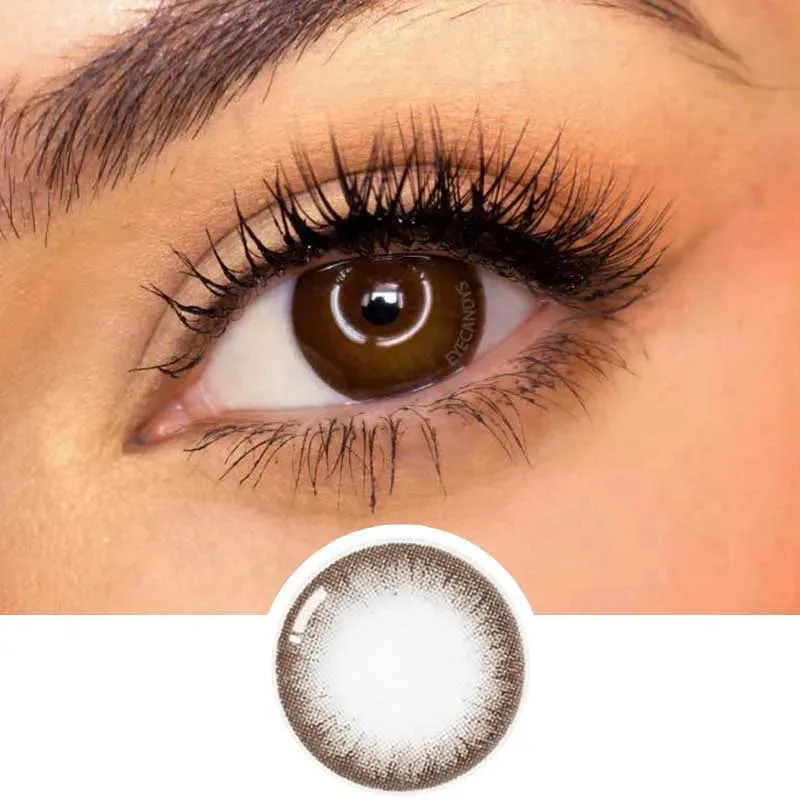
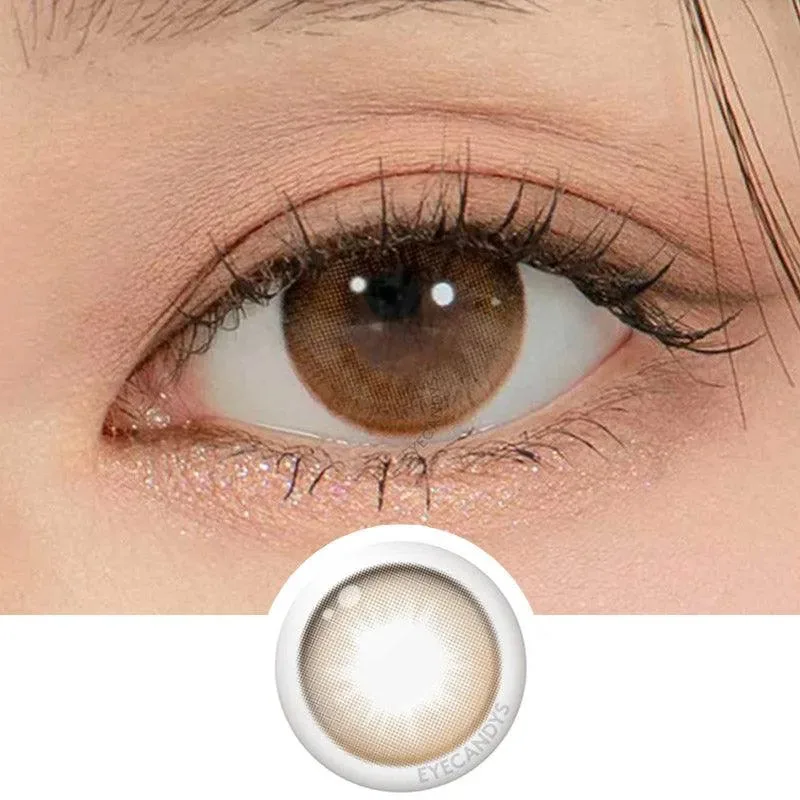
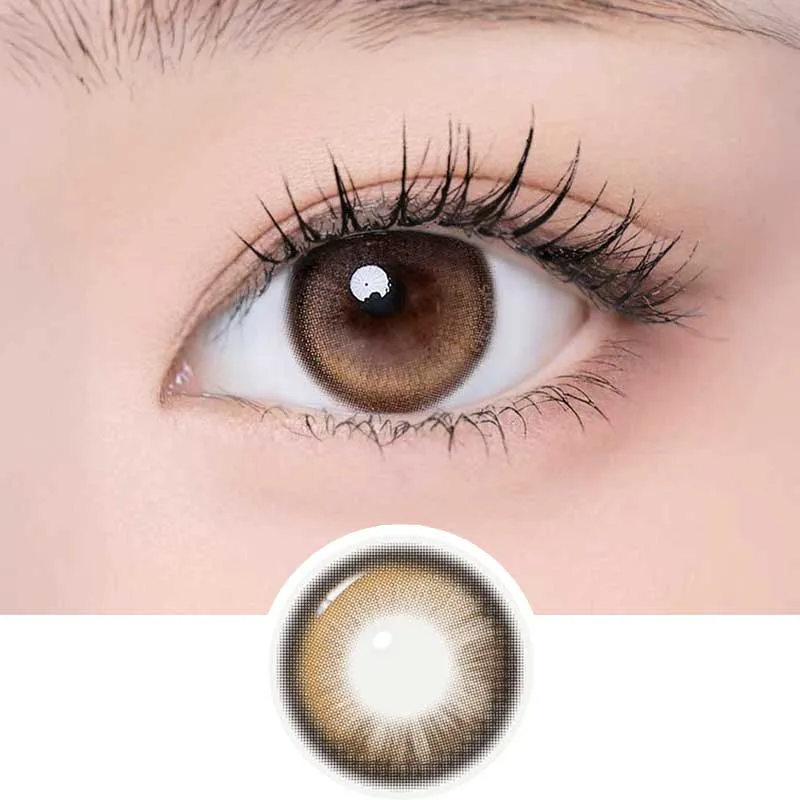
- DooNoon Glam 1-Day Brown (10pk): DooNoon Glam 1-Day Brown (10pk) features a unique gradient on the limbal ring for depth and dimension, available in non-prescription and myopia prescription (0.00 to -8.00). This warm brown shade with a defined limbal ring can enhance warm undertones naturally, and the option for prescription power makes it versatile.
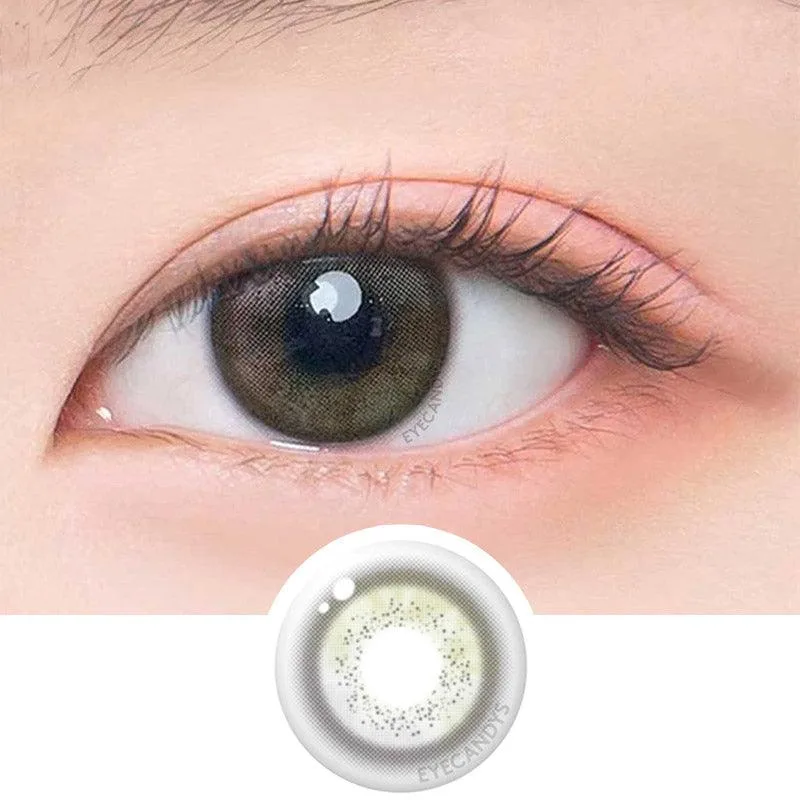
- DooNoon Jinju Shell 1-Day Olive (10pk): DooNoon Jinju Shell 1-Day Olive (10pk) has a playful two-toned gradient and subtle limbal ring, available in non-prescription and myopia prescription (0.00 to -8.00). Olive tones often flatter warm and neutral skin, and the two-toned effect adds dimension without being overpowering.
- Pink Label Pointe Choco (Custom Toric for Astigmatism): Pink Label Pointe Choco (Custom Toric for Astigmatism) is a deep chocolate shade designed for everyday use, giving depth to dark eyes. This rich brown is a safe bet for warm and neutral undertones, and the toric design caters to astigmatism, which is often overlooked in colored contacts.