Quick answer
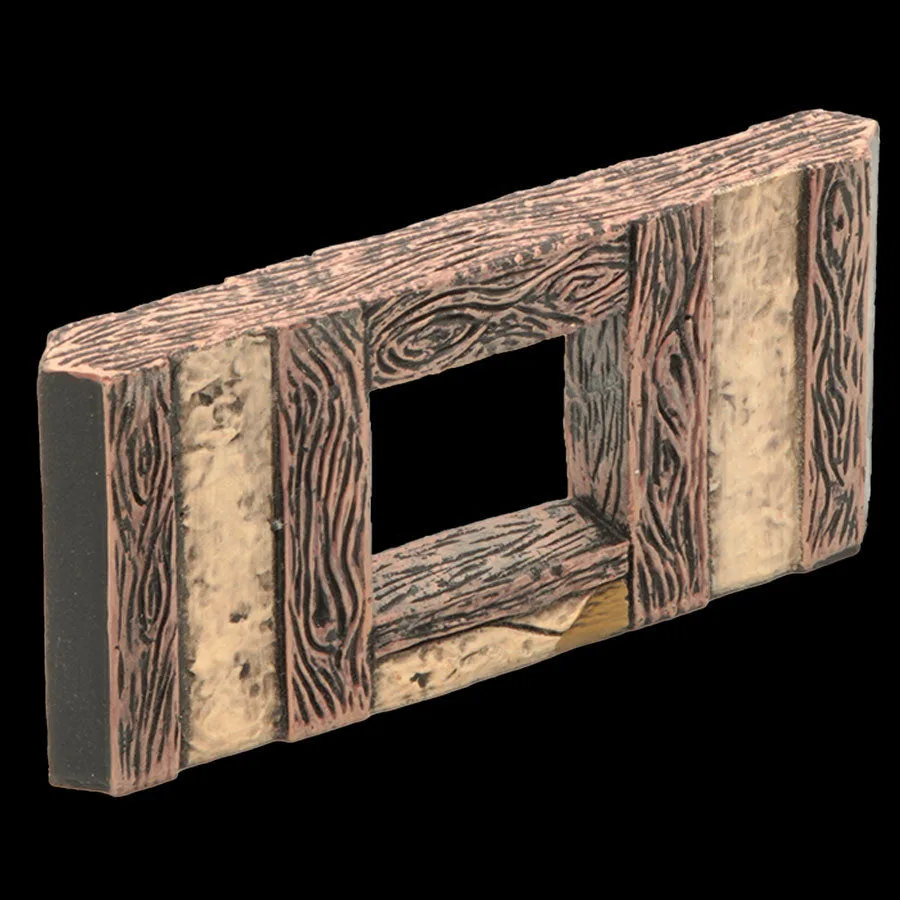
Color mismatch across Dwarvenite sets is usually a finish or batch difference, not a wrong color. Before repainting, test a small touch-up on an inconspicuous spot, compare it under the light you actually play in, and blend the transition with a stipple of the lighter or darker tone. If the piece is a painted individual piece like the Tudor Center Window Wall (Painted), match to its existing finish rather than to an unpainted set's raw material.
Why painted and unpainted sets rarely match out of the box
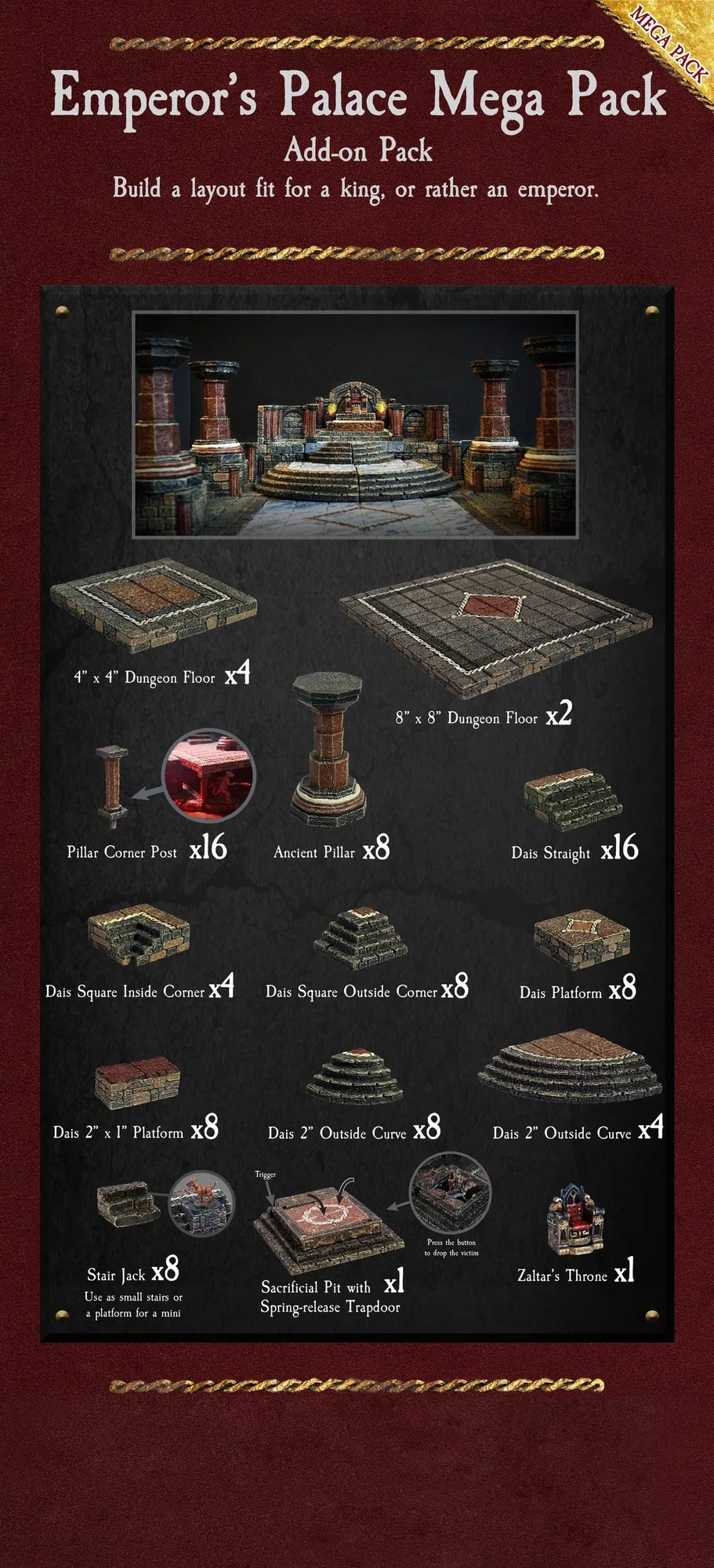
Dwarvenite pieces arrive in two very different starting states. A painted piece such as the Tudor Center Window Wall (Painted) already has a factory finish, while an unpainted set such as the Emperor's Palace Mega Pack (Unpainted) is raw Dwarvenite that you prime and paint yourself. Those two surfaces accept paint differently: factory paint may be sealed or slightly glossy, while raw Dwarvenite is more absorbent and will pull your first coat darker or patchier. That is a material and finish difference, not a color error.
Batch variation also matters. Painted runs are mixed in batches, so two painted pieces from different production runs can sit a shade or two apart even when the label is the same. If you are trying to match a new piece to an older collection, expect a small drift and plan to blend rather than chase an exact hit.
Test before you commit to a full repaint
Do not repaint a whole set to fix one mismatched piece. Start with a hidden area: the underside of a floor tile, the back of a wall, or the inside face of a roof. Apply a thin coat, let it cure fully, then compare it to the target piece under daylight and under your table lamp. Many mismatches disappear at arm's length on the table and only look wrong in a close-up photo.
If the test patch is close but not exact, adjust in small steps. A tiny amount of white or a drop of the darker base can shift a mix without changing its character. Write down your ratio so you can repeat it later for touch-ups.
Blending the seam between mismatched pieces
When two adjacent pieces are visibly different, the eye reads the hard edge between them. Soften that edge with a stipple or dry-brush that carries the lighter tone a short distance onto the darker piece, and the darker tone back onto the lighter one. Feathering the transition across a few centimeters is usually enough to make the join read as natural wear or weathering.
Work in thin layers and let each dry. Thick blending coats fill texture and look flat, especially on stone and roof surfaces. If the pieces are magnetic and modular, you can also rotate the layout so the strongest contrast falls where a wall, roof ridge, or accessory naturally breaks the line of sight.
Touch-up rules for painted pieces
For a painted piece, match the existing finish first, then the color. A matte touch-up over a satin factory finish will read as a dull patch even if the hue is right. Test your touch-up medium on the underside before using it on a visible face, and keep the coat thin so you do not bury molded detail.
If you are touching up a painted piece from the City Builder system, remember that it is designed to work with magnetic accessories. Heavy paint buildup near a magnet recess can interfere with how accessories seat, so keep touch-ups away from those contact points or clean them out after the paint cures.
When matching is the wrong goal
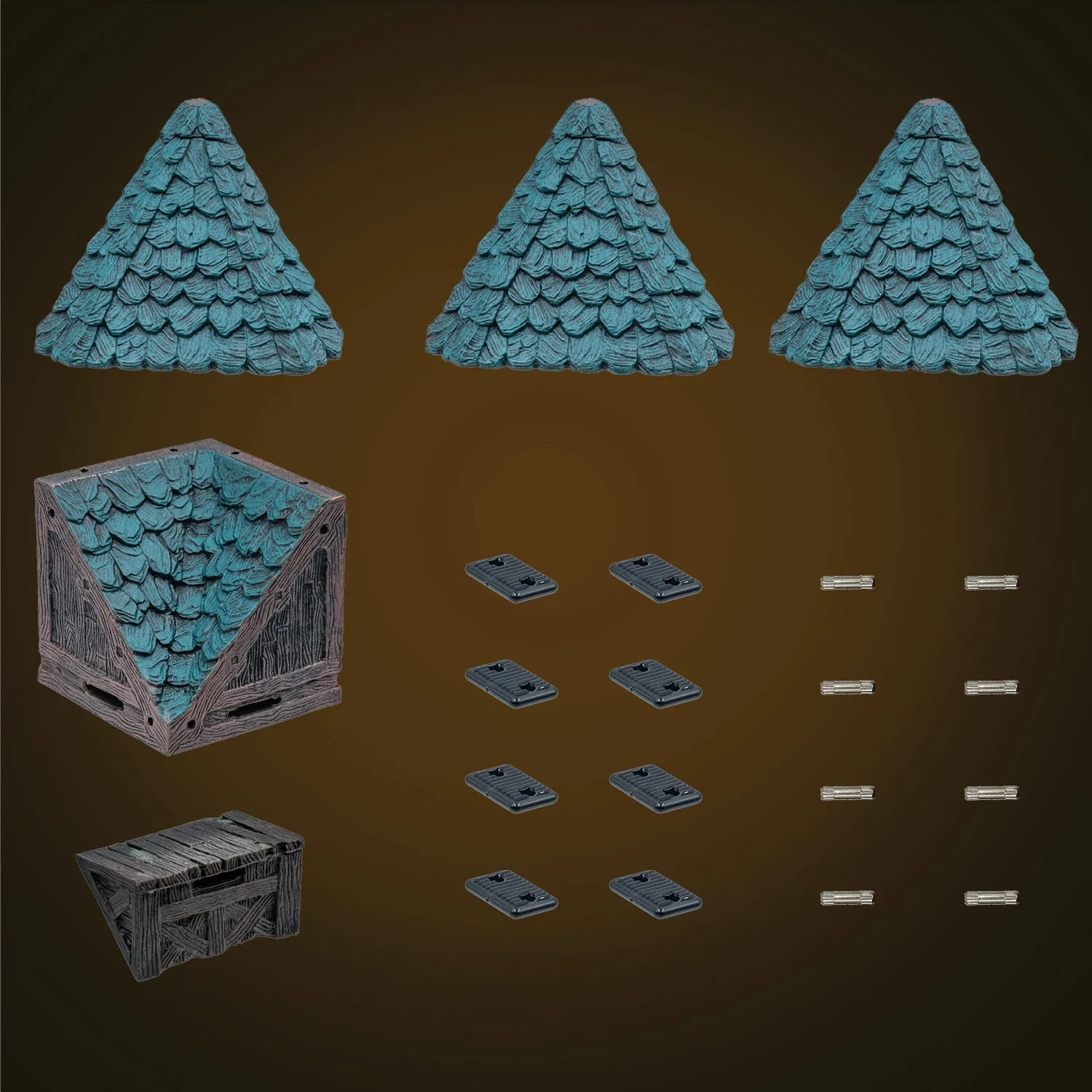
If the mismatch is large, or if the pieces are from different lines with different sculpts and finishes, stop trying to match and treat the difference as intentional. A green modular roof pack sitting beside a stone palace wall is not a color failure; it is a different material story. In that case, unify the scene with a common wash, a shared accent color on trim, or a consistent base treatment rather than repainting either set.
Repainting a whole unpainted mega pack to match one painted piece is also usually a poor trade. You will spend far more time than the mismatch is worth, and you risk losing the factory finish you paid for on the painted piece. Match the small piece to the large layout, not the other way around.
Diagnose the mismatch before you repaint
- Symptom: the new piece is a shade darker or lighter than the old one: Compare both under the light you play in, not just overhead white light. Check whether the difference is in hue or in finish sheen. If the difference is only visible in close-up photos, leave it and blend the seam.
- Likely cause: finish or batch difference, not a wrong color: Factory-painted pieces are sealed and may be slightly glossy; raw Dwarvenite is absorbent. Painted runs also vary by batch. Match the finish first, then adjust the color in small steps.
- Corrective action: test on a hidden face, then blend: Apply a thin touch-up to an underside or back face, let it cure, and compare. Feather the transition with a stipple or dry-brush in thin layers. Write down your mix ratio so future touch-ups stay consistent.
- Stop point: when the mismatch is structural, not cosmetic: If the pieces come from different lines with different sculpts and finishes, or the gap is more than a shade or two, stop matching and unify the scene with a shared wash or accent instead. Do not repaint a full unpainted mega pack to chase one painted piece.
Product facts that affect color matching
- Tudor Center Window Wall (Painted): Individual painted piece in the Tudor Buildings line with a center window wall design, part of the City Builder (KS3) system, made of Dwarvenite and compatible with magnetic accessories. Because it arrives painted, you match your touch-up to its factory finish rather than to raw Dwarvenite, and you keep paint clear of the magnetic accessory contact points.
- Emperor's Palace Mega Pack (Unpainted): Unpainted Dwarvenite set from the Dungeon of Doom (KS5) line, including anchor magnets, basic core pieces, elevation pieces, and bridges. Unpainted Dwarvenite absorbs paint differently than a sealed factory finish, so a color that matches on this set may look darker or patchier on a painted piece.
- Modular Roof - Diagonal Roof - Green (Painted): Diagonal roof pack with 3 diagonals and 1 valley, magnetic, with biscuit and half pole accessory holes; the valley roof has top half pole accessory holes for scaffolding or ridges, shown in a green paint scheme. Its green paint scheme is a distinct finish from stone or Tudor pieces, so treat it as a deliberate contrast rather than a mismatch to correct.