Quick answer
For babies under 12 months, choose plush toys under 6 inches with no removable parts. Toddlers 1-3 years do well with 6-10 inch plush that are machine-washable. Preschoolers and older kids can handle larger plush, but always check that eyes and accessories are securely attached.
Why Size Matters for Different Ages
Plush toy size directly affects safety, play style, and how a child bonds with the toy. A tiny plush can be a choking hazard for a baby, while an oversized one may overwhelm a toddler or be hard to carry. Matching size to age ensures the toy is both safe and fun.
Developmental stages also influence what size works best. Infants explore with their mouths, so small parts are dangerous. Toddlers love carrying toys around, so a plush that fits in their hands encourages active play. Older children may prefer larger plush for cuddling or display.
Safety First: Key Guidelines by Age
For infants (0-12 months), avoid plush with small eyes, buttons, ribbons, or any detachable parts. The entire toy should be too large to fit through a toilet paper tube (about 1.5 inches in diameter). Soft, lightweight plush under 6 inches are safest for supervised play.
Toddlers (1-3 years) can handle slightly larger plush, but avoid long strings or loose fill. Look for embroidered eyes and securely stitched seams. Machine-washable fabrics are a must at this age. Plush between 6 and 10 inches are ideal.
Preschoolers (3-5 years) are ready for plush up to 12 inches, but still check for sturdy construction. Kids this age often play rough, so reinforced stitching and surface-washable materials help the toy last.
Play Value: How Size Affects Interaction
A plush that is too large for a young child may sit on a shelf rather than be carried, cuddled, or included in pretend play. Conversely, a very small plush might get lost or be less satisfying to hug. The right size encourages the child to engage with the toy actively.
Interactive features like music or movement add another layer. A plush that sings or drums can be more engaging for a preschooler, but the size must still be manageable. For example, a 7-inch scented plush is easy for a child to hold and sniff, while a larger singing plush might be better as a shared toy.
Decision Rules for Choosing Plush by Age
- Under 12 months: Choose plush under 6 inches with no small parts, embroidered eyes, and machine-washable fabric. Avoid any toy with buttons, ribbons, or loose fill. Safety first: the toy must be too large to swallow and have no detachable pieces.
- 1-3 years (toddlers): Select plush 6-10 inches that are lightweight and easy to grip. Machine-washable is ideal. Embroidered eyes and reinforced seams reduce choking risk. Look for plush that can survive frequent washing and rough handling.
- 3-5 years (preschoolers): Plush up to 12 inches are fine. Interactive features like sound or movement add play value, but check that battery compartments are secured with screws. Kids this age can enjoy larger plush, but still need durable construction.
- 5+ years: Any size is generally safe, but consider the child's play style. Large plush are great for cuddling and display; small ones are portable for travel or collecting. Let the child's preference guide size choice, but still inspect for quality.
Plush Size Examples from Cuddle Barn
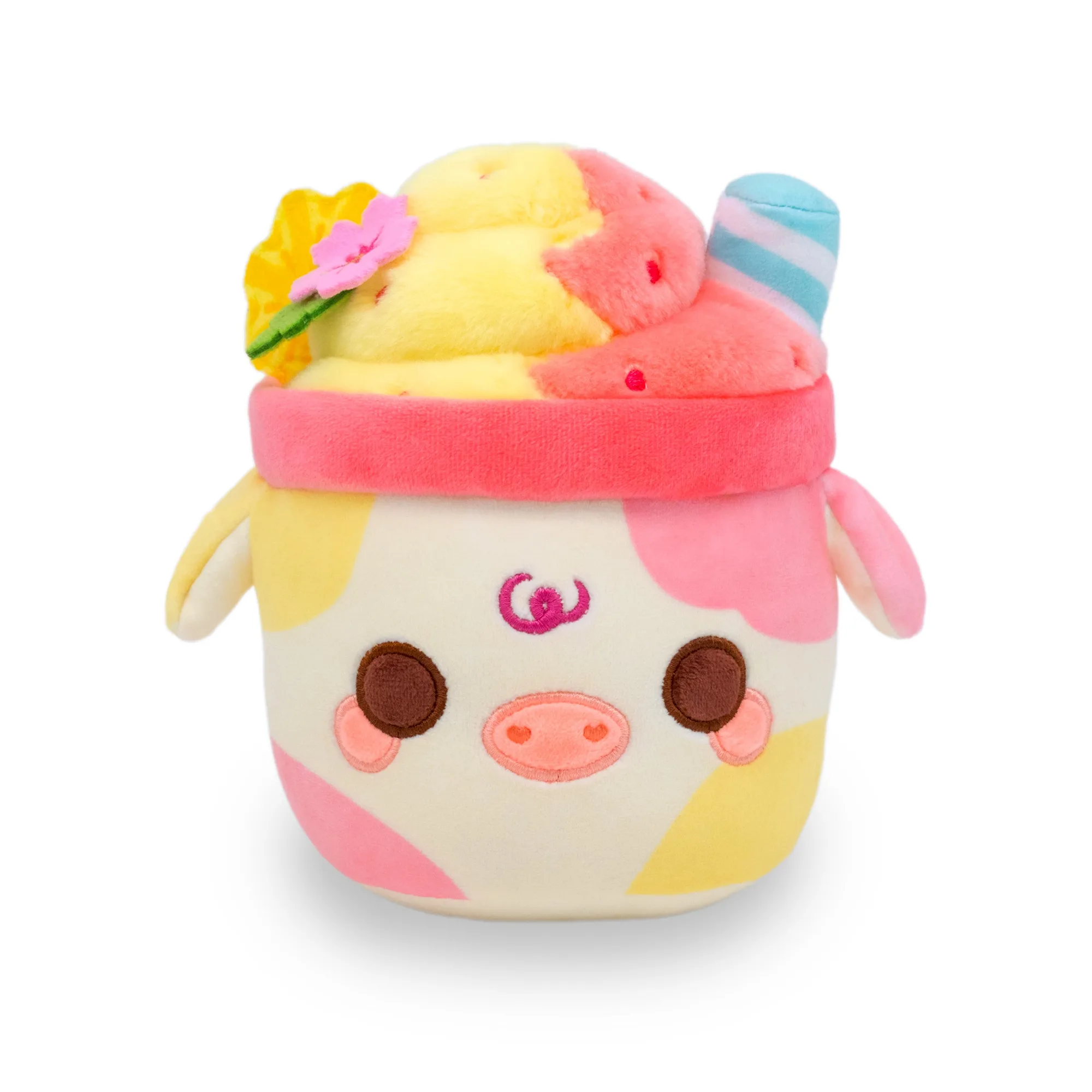
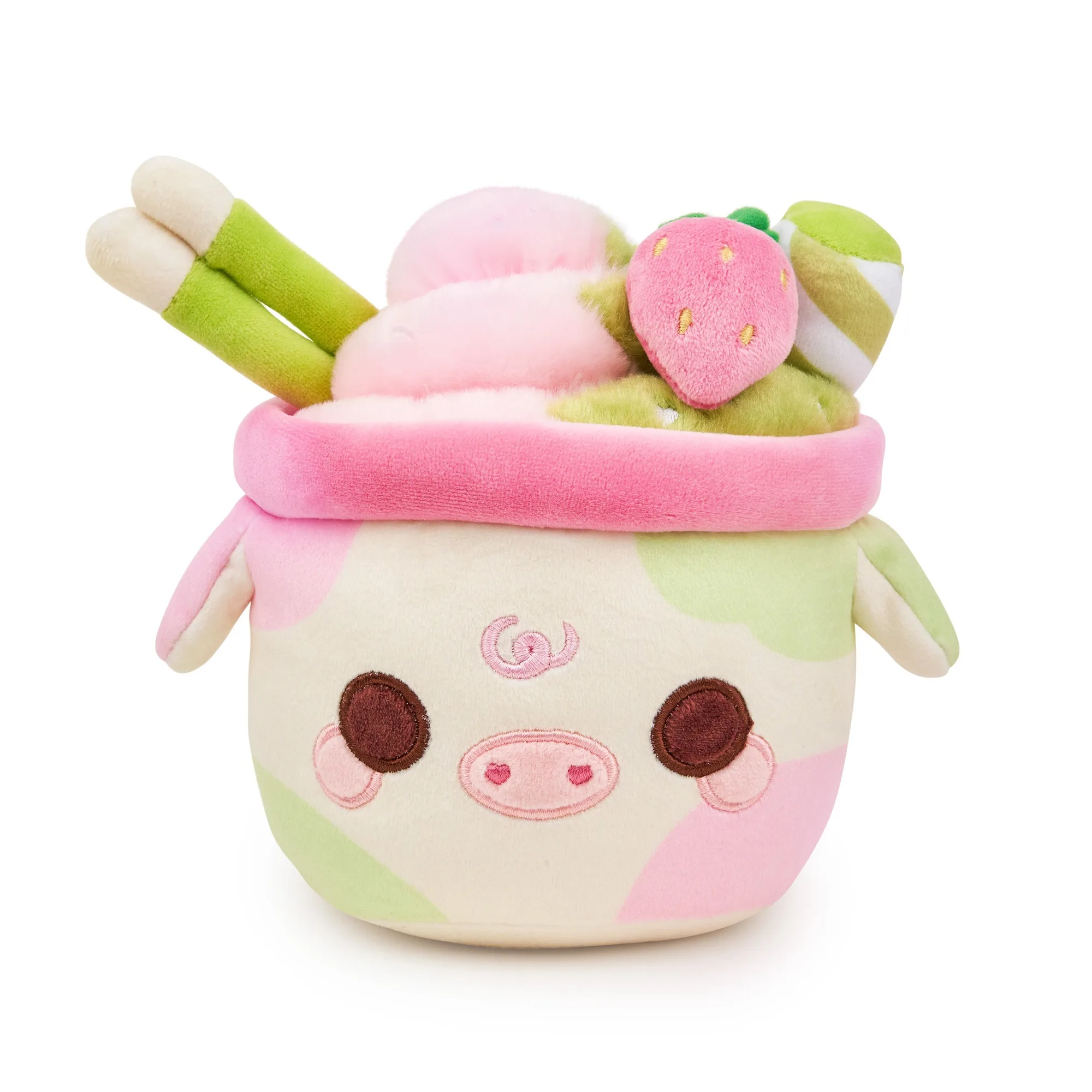
- Lil Series - Strawberry Matcha Mooshake (Scented): Measures 7 inches tall and is scented like strawberries. Spot clean with damp towel only. The 7-inch size fits well in a preschooler's hands and the scent adds sensory play, but spot-cleaning means it's not machine-washable, so it's better for older toddlers who don't put toys in their mouths.
- Carolin' Father Goose: A prestige Father Goose that moves and sings carols. Operates on 3 AA batteries (included). This larger interactive plush is best for ages 3 and up. The moving parts and batteries require supervision, and the size makes it more of a shared or display toy than a carry-along companion.
Which Plush Fits Your Child?
Best for
- Parents of babies and toddlers who prioritize safety and washability
- Gift-givers who want a plush that matches a child's developmental stage
Not for
- Older children or collectors who prefer large display plush without size restrictions
- Families who need machine-washable plush exclusively (some interactive or scented plush require spot cleaning)