Quick answer
Start with the shoe colour, then choose tights that either match it closely or contrast deliberately. For a safe, leg-lengthening look, keep tights within one shade of your shoes. For a bolder outfit, use sheer black or a seasonal tone like brown. Always check the opacity against your hemline: the shorter the hem, the more opaque the tight can be.
Matching tights to an outfit is less about strict rules and more about controlling contrast. The right pair can make your legs look longer, tie a colour palette together, or add a subtle texture that lifts a plain dress. The wrong pair can chop your silhouette or clash with your shoes in a way that feels unintentional.
This guide walks you through a simple order of decisions: start with the shoe, choose the opacity, pick the colour, then check the hemline and the occasion. Along the way, you'll see how a few real DIM pieces fit into the process, so you can apply the same logic to whatever is already in your drawer.
Step 1: Start with your shoes, not your tights
The shoe sets the visual anchor because it sits at the end of the line your eye follows. If you want a continuous, leg-lengthening effect, choose tights that are the same colour family as your shoes, or one shade lighter or darker. Black shoes with black tights is the classic version, but the same logic works with navy, burgundy, or brown.
If you want the tights to stand out, do the opposite: pick a shoe that contrasts clearly. A nude or blush shoe with sheer black tights creates a deliberate break. The mistake to avoid is a muddy middle ground, where the shoe and tight are close but not close enough, which can look like a colour mismatch rather than a choice.
- Checkpoint: hold the tight against the shoe in daylight. If you cannot tell whether they match, they probably do not.
Step 2: Choose opacity based on the occasion and hemline
Sheer tights, usually 15 to 20 denier, are the most versatile for daytime and office wear because they blur imperfections without hiding the leg. They work best with knee-length or midi hemlines. Opaque tights, from 40 denier upward, give more warmth and a stronger colour statement, and they suit shorter hemlines because they read as a solid layer rather than a second skin.
A common mistake is wearing very sheer tights with a very short hem in cold weather, which can look underdressed. If the hem sits above the knee, an opaque or semi-opaque tight usually looks more intentional. If the hem is midi or maxi, sheer is safer because the fabric already covers more of the leg.
- Checkpoint: if you can see the outline of your shoe through the tight, it is sheer enough for a midi but probably too sheer for a mini in autumn or winter.
Step 3: Pick a colour that supports the outfit
Black is the default because it matches most shoes and recedes visually. Navy and charcoal are softer alternatives that work with dark denim and grey tailoring. Brown tights styling has become more common because brown pairs well with camel, cream, and rust tones, and it feels less harsh than black against warm colours.
If your outfit already has a strong pattern, keep the tights plain and close to the shoe colour. If the outfit is plain, you can use the tight as the pattern or texture element. The mistake here is introducing a third strong colour through the tights when the outfit and shoes are already competing.
- Checkpoint: squint at your outfit. If the tights are the first thing you notice and that was not the plan, swap them for a quieter pair.
Step 4: Match the tight's finish to the shoe's finish
Shiny tights with shiny shoes can look overly formal or costume-like. Matte tights with matte leather or suede shoes give a more grounded, everyday result. If you want a bit of polish, pair a slight sheen in the tight with a matte shoe, or the reverse, so one element carries the shine.
Textured tights, such as ribbed or cable-knit styles, work best with simple shoes because the texture is already doing the talking. A plain pump or a clean ankle boot keeps the focus on the leg. Avoid pairing textured tights with heavily detailed shoes, as the two compete.
- Checkpoint: if your shoes have buckles, laces, or contrast stitching, keep the tights smooth and plain.
Step 5: Test the full look standing up
Tights behave differently when you are standing and moving, especially around the knee and ankle. Put on the full outfit, including the shoes, and check in a full-length mirror. Look for pooling at the ankle, twisting at the knee, and whether the waistband stays put when you sit down and stand up.
This is also the moment to check the tight's waistband against your outfit. A visible waistband line under a fitted dress is a common issue. High-waisted tights or a smooth waistband help, but the only real test is wearing them with the actual garment.
- Checkpoint: sit, stand, and take a few steps. If you need to adjust the tights more than once, try a different size or style.
Your step-by-step tights matching routine
- 1. Choose the shoes first: Decide on the shoe you will actually wear, then hold candidate tights against it in daylight. Match closely for a lengthening effect, or contrast clearly for a deliberate break. Checkpoint: if you cannot tell whether they match, they do not.
- 2. Set the opacity by hemline: Sheer for midi and longer hems, opaque or semi-opaque for shorter hems and colder days. This keeps the look intentional rather than accidental. Checkpoint: if the shoe outline shows through, the tight is sheer; save it for a longer hem.
- 3. Pick a colour that supports, not competes: Black, navy, charcoal, or brown as your base. Introduce a pattern or texture only when the outfit and shoes are plain. Checkpoint: squint. If the tights dominate and that was not the plan, change them.
- 4. Match the finish: Keep shine on one element only. Matte tights with matte shoes for everyday; a slight sheen in the tight with a matte shoe for polish. Checkpoint: detailed shoes need plain tights.
- 5. Wear the full look before you leave: Stand, sit, and walk in the complete outfit. Check for pooling, twisting, and waistband visibility under the garment. Checkpoint: if you adjust more than once, try a different size or style.
DIM pieces that support this method
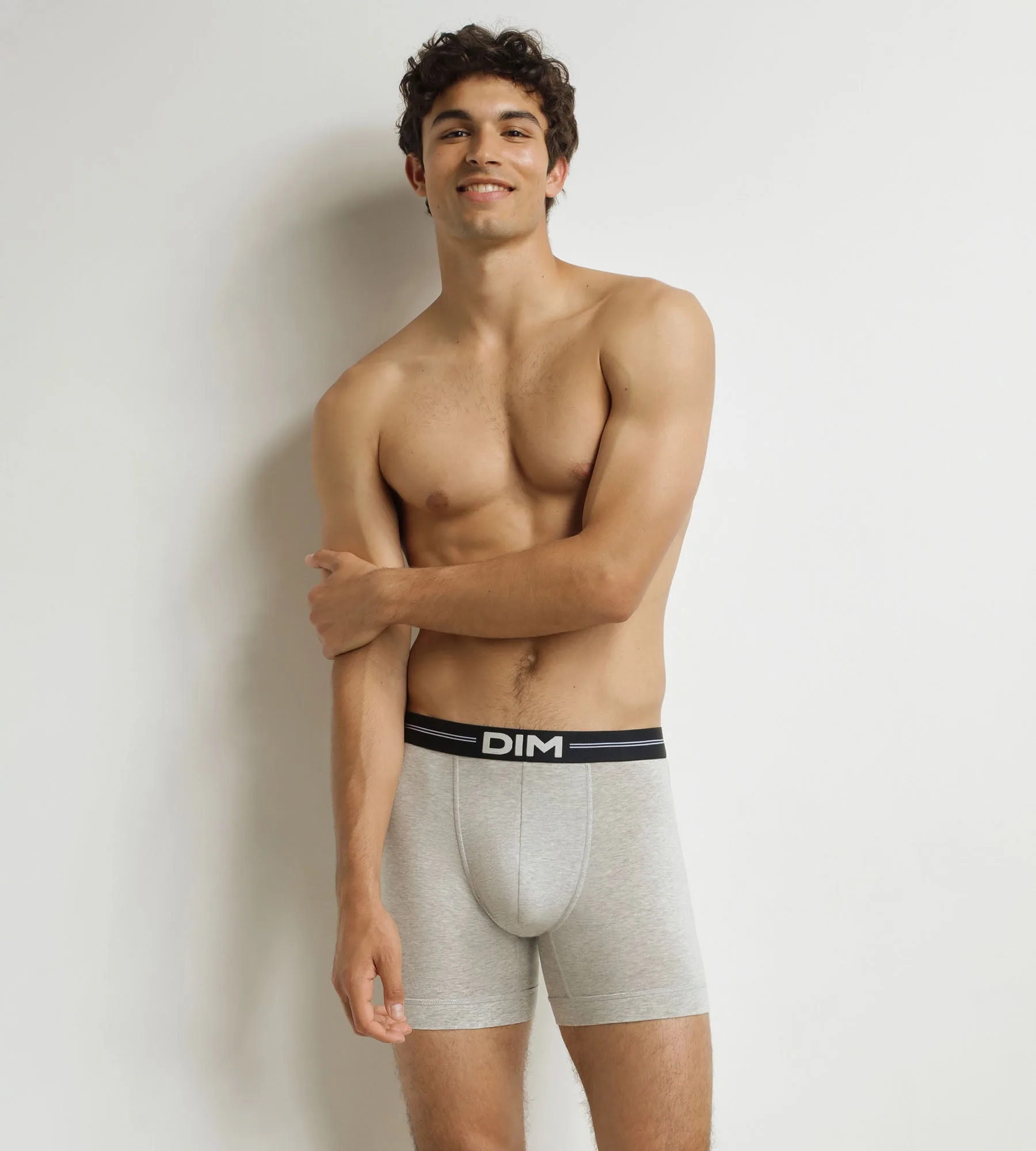
- Boxer long homme Gris Chiné Dim Icons: Microfibre douce et légère, bords extra-plats et coutures invisibles pour un effet seconde peau. The same smooth, flat-edge logic applies to tights: seamless edges prevent visible lines under fitted clothing, which is exactly what you want when matching tights to a sleek outfit.
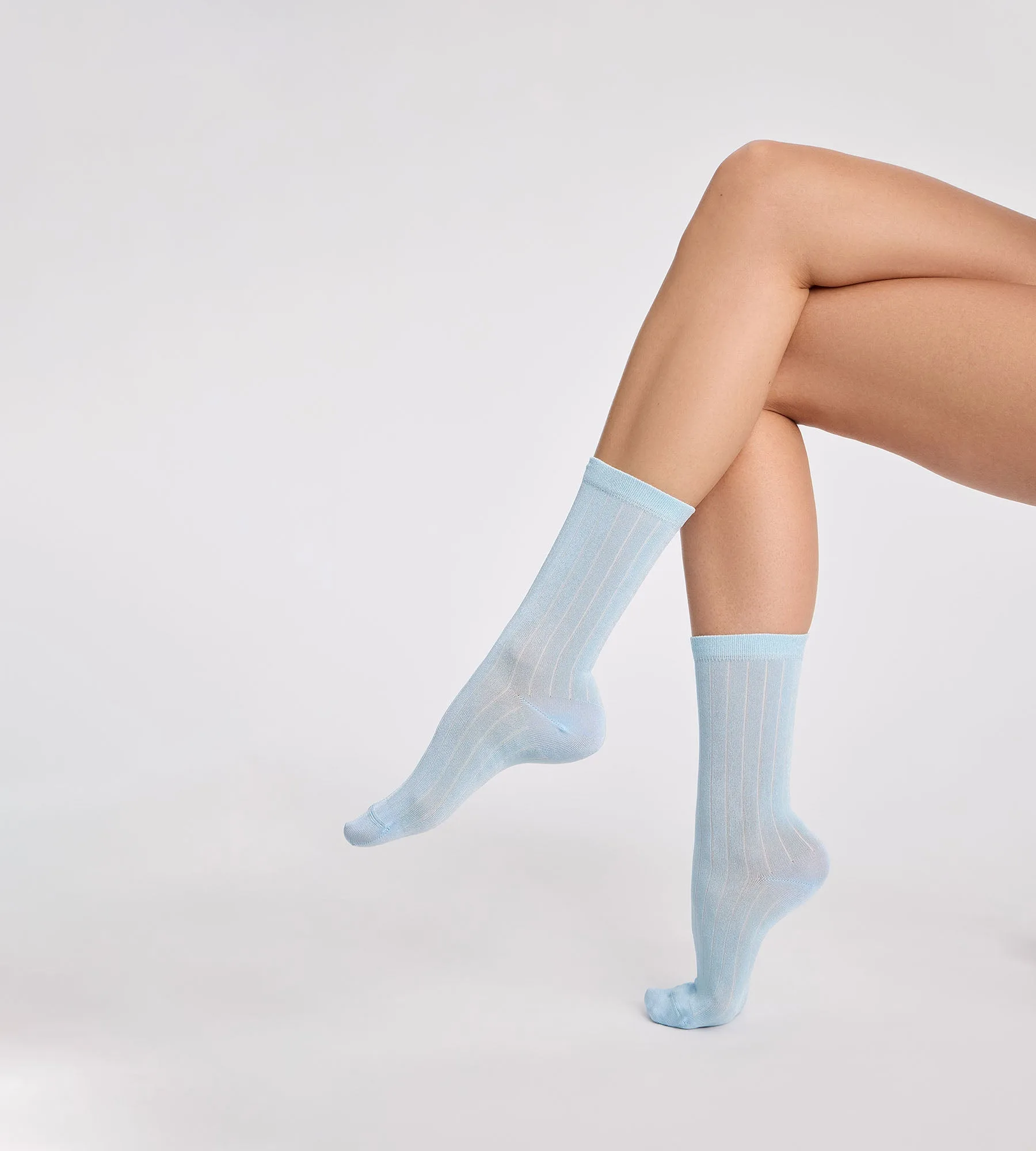
- Chaussettes femme côtelées en coton satiné Horizon Dim Mode: Côtes larges qui structurent la cheville, bord souple et extrémités renforcées. When you swap tights for socks with a shorter hem, a ribbed sock adds texture at the ankle. This is a useful alternative if full tights feel too warm or too formal for the outfit.
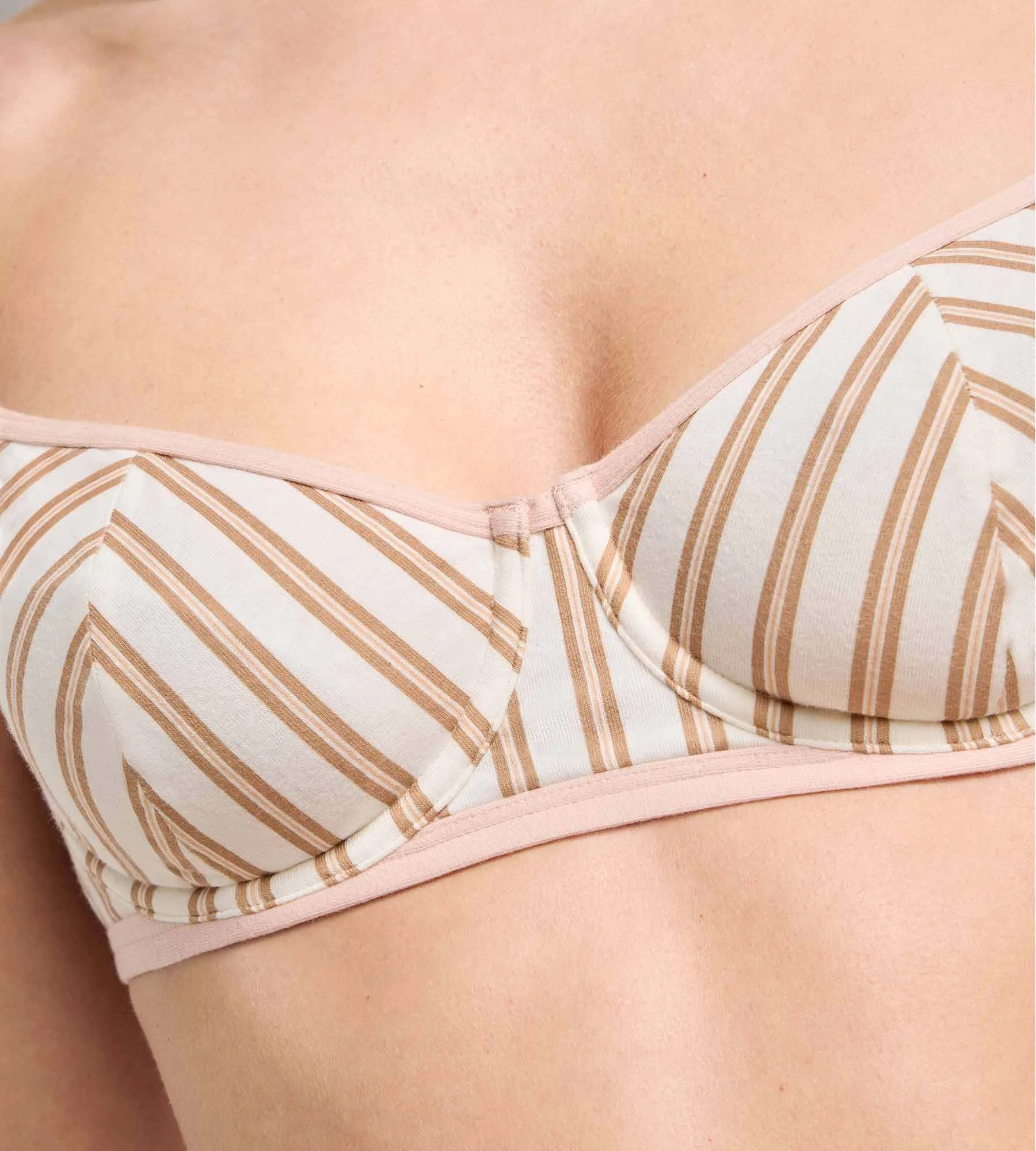
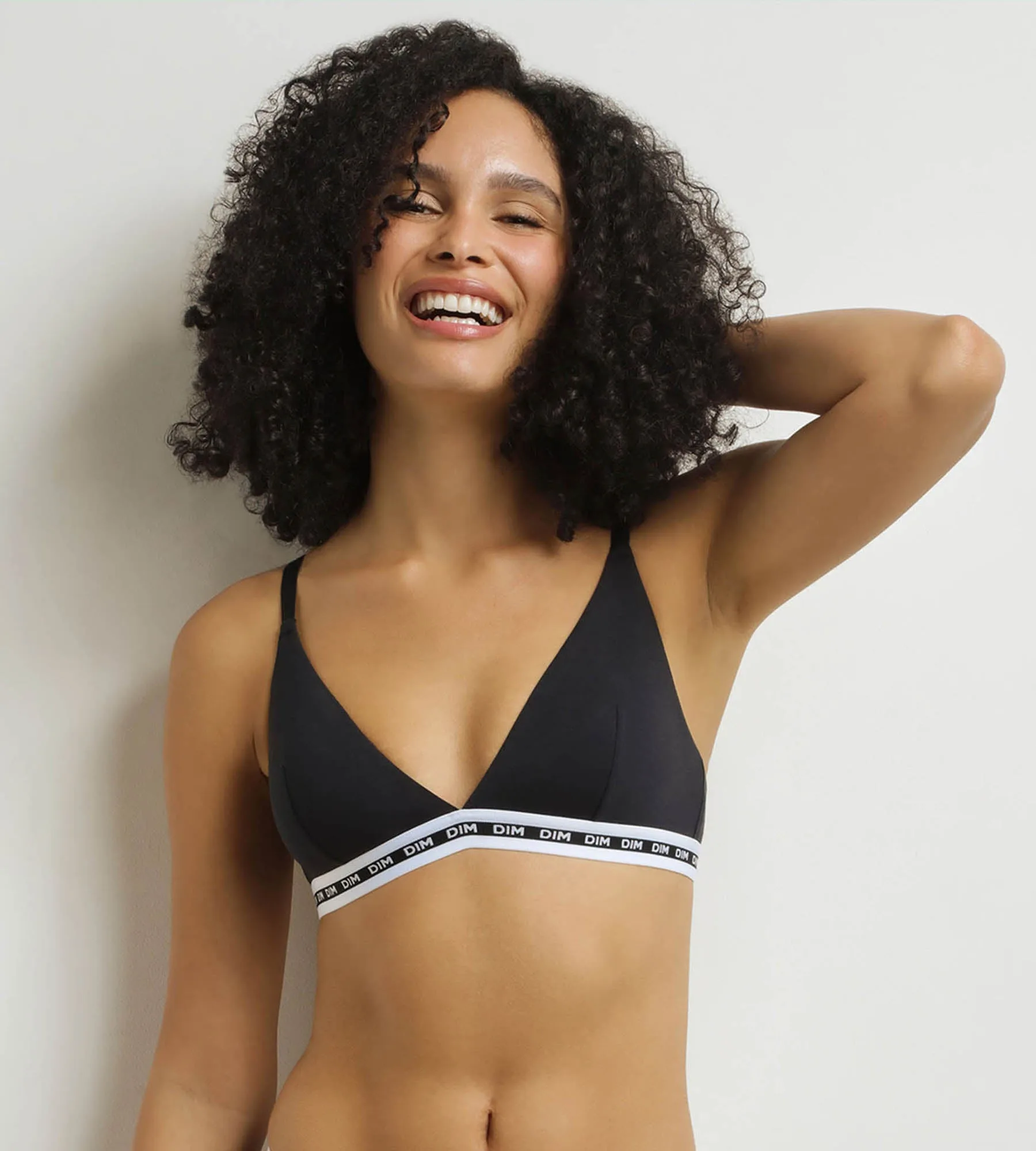
- Soutien-gorge corbeille à armatures crème rose Dim x Ines de la Fressange: Forme corbeille à armatures souple, doublure en coton ultradouce et coutures verticales structurantes. The bra's cream-rose tone is a good reference point for building a warm, low-contrast outfit where brown or nude tights and shoes would sit naturally.
Matching tights to your outfit and shoes comes down to a simple order: shoe first, then opacity, then colour, then finish, then a final wear test. Once you run through these steps a few times, the decisions become quick and you will stop second-guessing the drawer. The goal is not to follow strict rules but to make the pairing look deliberate, whether that means a seamless black-on-black column or a warm brown tight with a cream dress.