Quick answer
Match the wall plate to the room's dominant finish first, then decide whether you want the plate to disappear or stand out. In most rooms, a screwless plate in the same color family as the outlet or switch looks cleanest; in kitchens and baths, choose a finish that wipes clean easily, and in media rooms, darker plates can hide cable clutter.
Wall plates are the smallest visible part of your electrical system, yet they set the tone for how finished a room feels. The right pairing can make outlets and switches look intentional; the wrong one makes them look like an afterthought. This guide walks you through a room-by-room process so you can choose a finish with confidence.
You do not need to replace every outlet and switch to get a cohesive look. Start with the rooms guests see most, pick a finish strategy, and work outward. The steps below apply whether you are updating a single kitchen backsplash or rewiring a whole floor.
Step 1: Identify the finish you already have
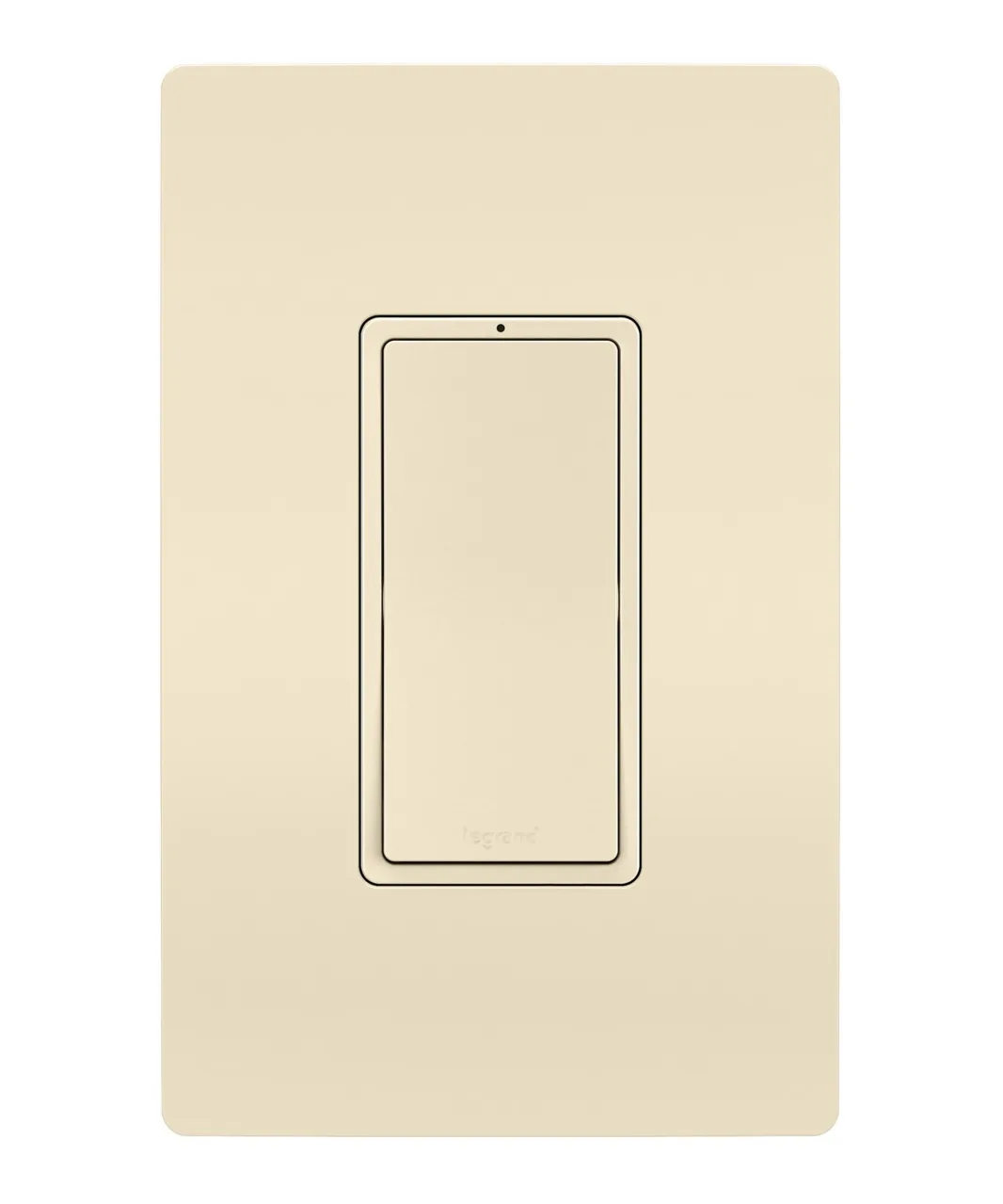
Before buying anything, look at the outlets and switches themselves. Most residential devices are white, light almond, ivory, or black. Hold a plate sample next to the device in daylight, not under a warm bulb, because color temperature changes how whites and creams read. If the device is light almond, a bright white plate will look mismatched even though both are technically neutral.
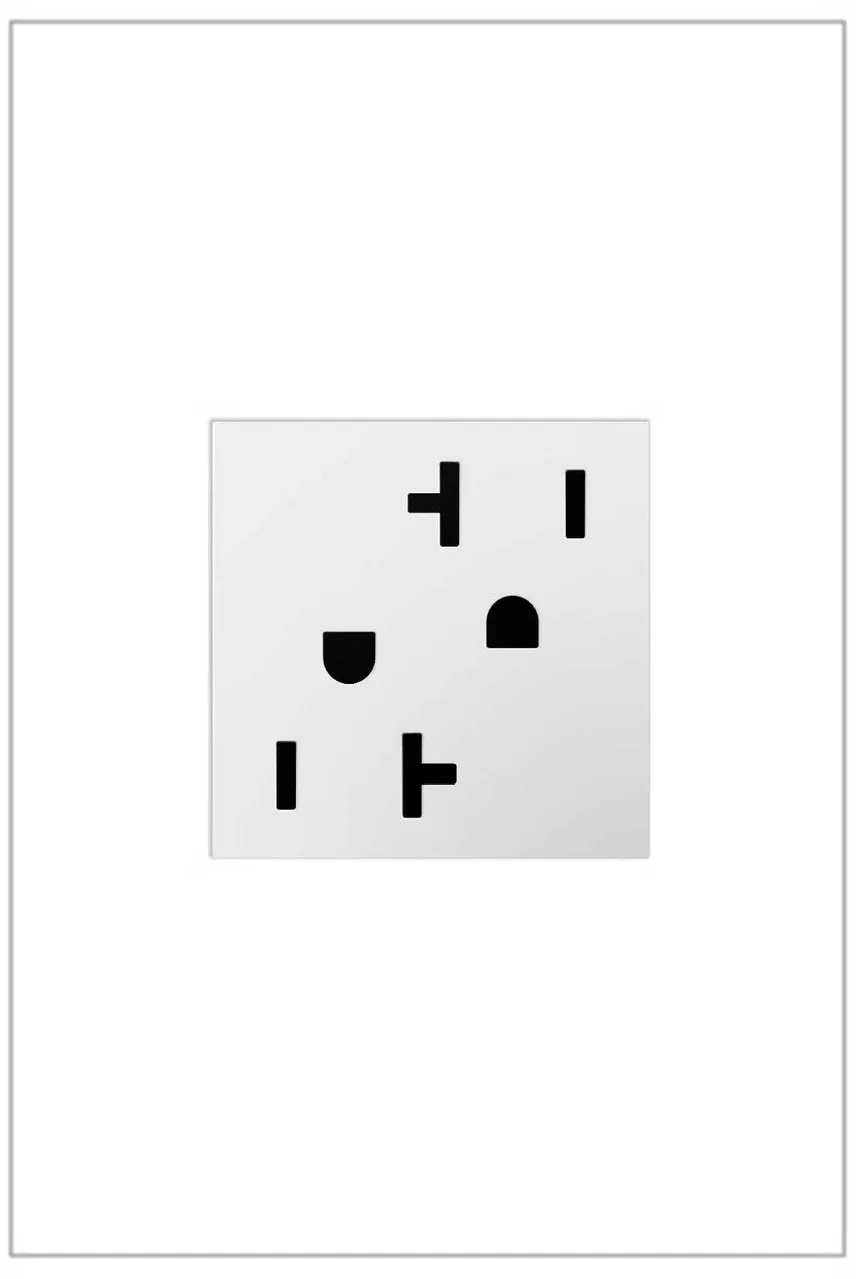
Check whether your devices are decora (rocker) or duplex (toggle) style, because plate openings differ. Also count the gangs: a single switch needs a one-gang plate, while a bank of three switches needs a three-gang plate. Writing this down before you shop prevents returns.
- Common mistake: guessing the device color from memory. Pull the plate off and look at the actual device face.
- Checkpoint: if the device is more than 10 years old and yellowed, replacing the device may matter more than the plate color.
Step 2: Decide whether the plate should disappear or stand out
There are two valid strategies. The disappearing approach uses a plate close to the wall color so the outlet visually recedes. The standout approach uses contrast, such as a matte black plate on a light wall, to make the hardware a deliberate design detail. Both work, but mixing them in one room usually looks accidental.
Screwless designs support both strategies because they remove visible screws and create a smooth surface. If you want the plate to disappear, screwless is almost always the better choice. If you want contrast, screwless keeps the contrast clean rather than busy.
- Common mistake: choosing a plate that matches the device but clashes with the wall. Decide which one you want to blend with.
- Checkpoint: stand back six feet and squint. Whatever still draws your eye is the element you are emphasizing.
Step 3: Match finish to room function
Kitchens and bathrooms see grease, water, and frequent wiping, so a gloss or semi-gloss finish is easier to clean than a textured matte. A gloss white plate also reflects light and can make a small powder room feel brighter. In living rooms and bedrooms, matte finishes reduce glare and feel softer against paint.
Media rooms and home offices often have dark equipment, cables, and furniture. A dark plate such as black ink can visually absorb the outlet into the shadows, which is helpful behind a TV or desk. In hallways and stairwells, prioritize durability and a neutral tone that will not date quickly.
- Common mistake: using a high-gloss plate on a wall with a flat paint finish. The sheen mismatch is more noticeable than the color mismatch.
- Checkpoint: if the room is high-traffic, choose a finish you can wipe with a damp cloth without streaking.
Step 4: Coordinate color temperature across the room
Whites are not interchangeable. A cool gloss white next to a warm oatmeal or rosa plate in the same sightline will look like a mistake. Pick one temperature family per room: cool whites and grays, warm creams and oatmeals, or deep darks like black ink. Then repeat it across outlets, switches, and plates.
If you are transitioning between rooms, the doorway is a natural break. It is fine to use warm oatmeal in a bedroom and cool white in an adjacent bathroom, as long as each room is internally consistent. Open-plan spaces need one family throughout because there is no visual break.
- Common mistake: buying plates room by room without a whole-home plan. You end up with five whites that do not match.
- Checkpoint: tape your chosen plate colors to the wall for a day and view them in morning and evening light.
Step 5: Handle special situations honestly
Some pairings are genuinely difficult. A light almond outlet is warm and slightly yellow, so a pure white plate will always look cooler next to it. The cleanest solution is either to match the plate to the almond tone or to replace the device with white so the plate and device agree. There is no plate color that makes a mismatched device and plate look intentional.
If you cannot find an exact match, choose the plate that matches the wall rather than the device. A plate that blends with the wall reads as intentional; a plate that almost matches the device reads as a failed match.
- Common mistake: assuming a plate labeled white will match every white device. Compare physical samples whenever possible.
- Checkpoint: if no match exists, decide which element you are willing to replace, the plate or the device.
Step 6: Install and verify the look
Turn off power at the breaker before removing any plate. Screwless plates typically use a mounting frame that attaches to the device, with the outer plate snapping or sliding on. Work one plate at a time so you do not mix up frames. Once installed, check that the plate sits flush and does not rock when you press a switch.
After installation, view the room at night with the lights on and again in daylight. Gloss finishes can show fingerprints and smudges more than matte, so keep a microfiber cloth handy during the first week. If a plate looks wrong, it is usually a color temperature issue rather than a size issue.
- Common mistake: overtightening the mounting frame, which bows the plate and creates gaps at the wall.
- Checkpoint: press each corner of the plate. Any movement means the frame needs adjustment.
Your room-by-room matching checklist
- Audit every visible device: Walk each room and note device color, device style (decora or duplex), and gang count. Photograph each location so you can shop without guessing. If a device is yellowed or cracked, plan to replace it before choosing a plate color.
- Choose one finish family per room: Pick cool white, warm neutral, or dark accent and apply it to plates, outlets, and switches in that room. Do not mix families within a single sightline. Open-plan spaces should use one family throughout; separate rooms can differ at the doorway.
- Match sheen to cleaning needs: Use gloss or semi-gloss in kitchens, baths, and laundry rooms for easy wiping. Use matte in living areas and bedrooms to reduce glare and hide minor scuffs. A sheen mismatch is often more noticeable than a slight color difference.
- Resolve light almond honestly: If your devices are light almond, either choose a plate in a warm almond-compatible tone or replace the devices with white. Do not expect a bright white plate to blend with an almond device. Decide which element you will replace, then buy both at the same time.
- Install one location first: Turn off the breaker, install a single screwless plate, and live with it for a day before buying for the rest of the house. Check flushness and switch feel. If the color looks off, it is almost always temperature, not size; adjust before you commit to a full order.
Wall plate options that support these steps
- adorne® Gloss White 5-Gang Screwless Wall Plate with Microban®: Gloss white finish for a modern, polished look; 5-gang design accommodates multiple switches or outlets; screwless construction provides a clean, seamless appearance; incorporates Microban® antimicrobial protection. A good fit for kitchens or laundry rooms with a bank of switches, where a wipe-clean gloss surface and a seamless look matter most.
- adorne® Matte White 2-Gang Screwless Wall Plate with Microban®: Matte white finish provides a clean, modern look; screwless design for a sleek, seamless appearance; 2-gang configuration fits standard duplex outlets or switches; incorporates Microban® antimicrobial protection. Works well in living rooms and bedrooms where you want a low-glare neutral that pairs with flat paint and standard two-device boxes.
- adorne® Black Ink 3-Gang Screwless Wall Plate: Three-gang configuration for multiple switches or outlets; screwless design for a clean, streamlined appearance; matte black finish that pairs well with a variety of decor styles. Useful for media walls or home offices where a dark plate helps hardware recede against dark furniture or equipment.
- adorne® Oatmeal One-Plus-Gang Screwless Wall Plate with Microban®: One-plus-gang configuration fits standard single-gang outlets and switches; screwless face provides a smooth, seamless look; oatmeal color brings a subtle, warm accent; made with Microban® antimicrobial protection. A warm neutral choice for bedrooms or hallways where cool white would feel too stark against cream or beige paint.
Matching wall plates to outlets and switches comes down to three decisions: what you already have, whether the plate should blend or contrast, and how the room is used. Work one room at a time, verify with a single install, and let the finish follow function. The result is hardware that looks deliberate instead of overlooked.