Finding the perfect harness for your dog isn't just about style – it's about comfort, safety, and control. A well-fitted harness prevents chafing, escapes, and even injuries, making walks more enjoyable for both of you. But with so many sizes and styles on the market, how do you know which one is right? The answer lies in accurate measurements.
In this guide, we'll walk you through the simple steps to measure your dog for a harness, covering the key measurements you need: neck size, chest girth, and sometimes weight. Whether you're shopping for a new harness or checking the fit of an existing one, these tips will ensure a snug, secure fit every time.
Why Accurate Measurements Matter
Getting the right harness size is crucial for your dog's comfort and safety. A harness that's too tight can restrict breathing and cause chafing, while one that's too loose can slip off during walks, putting your dog at risk. Proper measurements also help distribute pressure evenly across your dog's chest, preventing strain on the neck – a common issue with collars.
Many owners rely on guesswork or age-based sizing, but every dog is unique. Even within the same breed, individual proportions vary. Taking a few minutes to measure your dog correctly can save you from the hassle of returns and, more importantly, ensure your furry friend enjoys every walk.
- Measure when your dog is standing still, not sitting or lying down.
- Use a soft, flexible tape measure – if you don't have one, use a string and then measure it against a ruler.
- Measure twice to ensure accuracy.
Measurements You Need: Neck, Chest, and Weight
The two most critical measurements for a harness are the neck size and chest girth. The neck size is measured around the base of the neck, where a collar would normally sit. This ensures the harness's neck opening is comfortable, not too tight or too loose. The chest girth is measured around the widest part of the dog's chest, usually just behind the front legs. This is the primary measurement for most harnesses, as it determines the overall fit and security.
Additionally, your dog's weight can be a helpful reference, especially when shopping online. Many size charts include weight ranges, but remember that weight alone isn't reliable – a lean, muscular dog may have a smaller girth than a dog of the same weight with a heavier build. Always prioritize the physical measurements.
- Neck size: Measure around the base of the neck, allowing two fingers to fit comfortably.
- Chest girth: Measure around the widest part of the chest, behind the front legs.
- Weight: Weigh your dog on a scale, or use a recent vet visit as a reference.
Step-by-Step Measuring Guide
To measure your dog's neck, place the tape measure around the base of the neck, where the collar sits. Keep it snug but not tight – you should be able to slide two fingers between the tape and your dog's skin. Note the measurement in inches or centimeters, as most size charts use one or both.
For the chest girth, wrap the tape measure around the widest part of your dog's chest, just behind the front legs. This is the area where the harness straps will sit. Ensure the tape is level and snug, but not digging into the skin. Write down this measurement – it's the most important one for harness sizing.
- Have your dog stand on a flat surface, with all four paws evenly distributed.
- Keep the tape measure parallel to the ground for accurate readings.
- If your dog is between sizes, choose the larger size for comfort, especially for growing puppies.
Using a Size Chart to Find the Perfect Fit
Once you have your dog's neck and chest measurements, consult the size chart provided by the harness manufacturer. Most charts list sizes (XS, S, M, L, XL) with corresponding chest girth ranges. For example, a small harness might fit chests 16-20 inches, while a medium fits 20-24 inches. Always compare your measurements to the chart, not just your dog's weight.
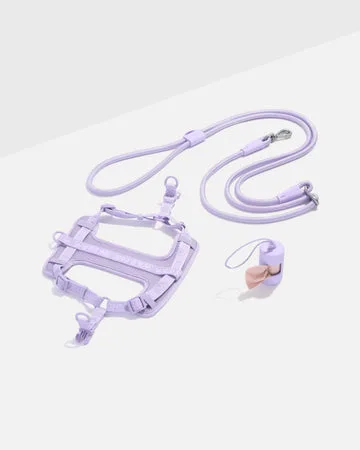
When in doubt, reach out to the brand's customer service for guidance. Many brands, including those offering the Cushioned Harness + Lightweight Leash Walk Kit, provide detailed sizing advice. A well-fitted harness should be snug enough that you can't slip more than two fingers under the straps, but loose enough to allow free movement.
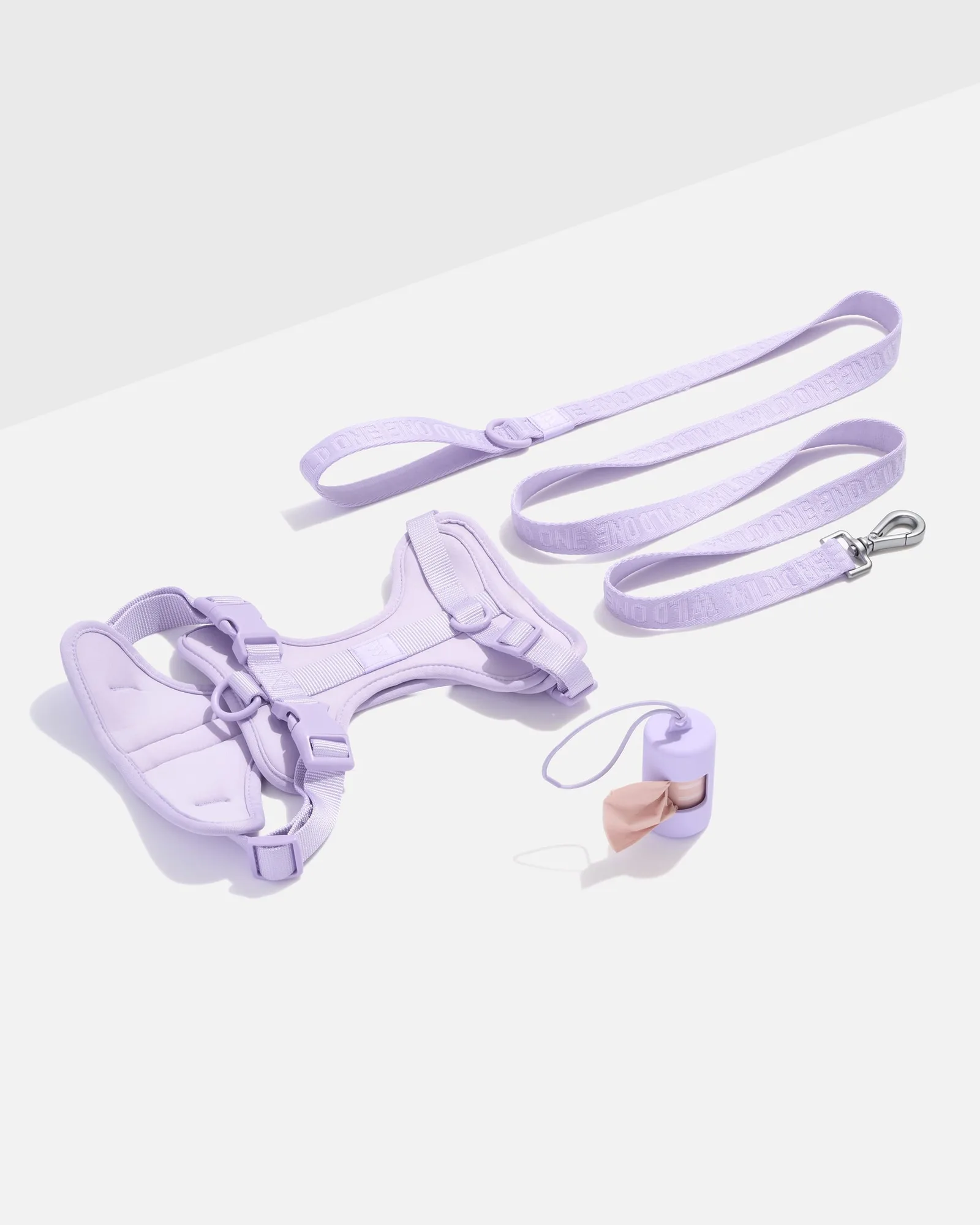
Cushioned Harness + Lightweight Leash Walk Kit
- Check both neck and chest measurements against the chart – some harnesses have adjustable necks.
- If your dog is between sizes, size up and adjust the straps for a custom fit.
- Remember that puppies grow quickly – re-measure every few months.
Common Sizing Mistakes to Avoid
One of the most common mistakes is measuring over your dog's fur, which can add extra inches and result in a loose fit. Always measure against the skin, pressing the tape flat. Another mistake is measuring while your dog is sitting or lying down – this can distort the measurements. Always have your dog in a standing position.
Another pitfall is relying solely on weight. As mentioned, weight doesn't account for body shape. A deep-chested dog like a Greyhound will have a different girth than a stocky Bulldog of the same weight. Additionally, avoid choosing a harness based on your dog's breed alone – individual variation is too great.
- Don't pull the tape measure too tight – you should be able to fit two fingers underneath.
- Re-measure after major weight changes, such as growth spurts or weight loss.
- When trying a new harness, do a 'two-finger test' on both neck and chest straps.
Adjusting and Testing the Harness Fit
Once you've selected a harness, put it on your dog and adjust the straps for a secure fit. The harness should sit comfortably on the chest, with the front straps not pressing against the shoulders. Ensure the neck opening is snug but allows your dog to move its head freely. The chest strap should be tight enough that the harness doesn't slide side to side, but not so tight that it restricts breathing.
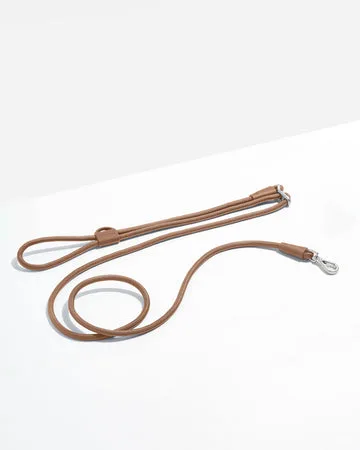
After adjusting, do a quick fit test: try to slip two fingers under the straps – you should be able to, but not more. Watch your dog's movement – they should be able to walk, run, and turn without restriction. If the harness shifts or rubs, readjust or consider a different size. A high-quality harness, like the Lightweight Dog Leash, can complement a well-fitted harness for a comfortable walking experience.
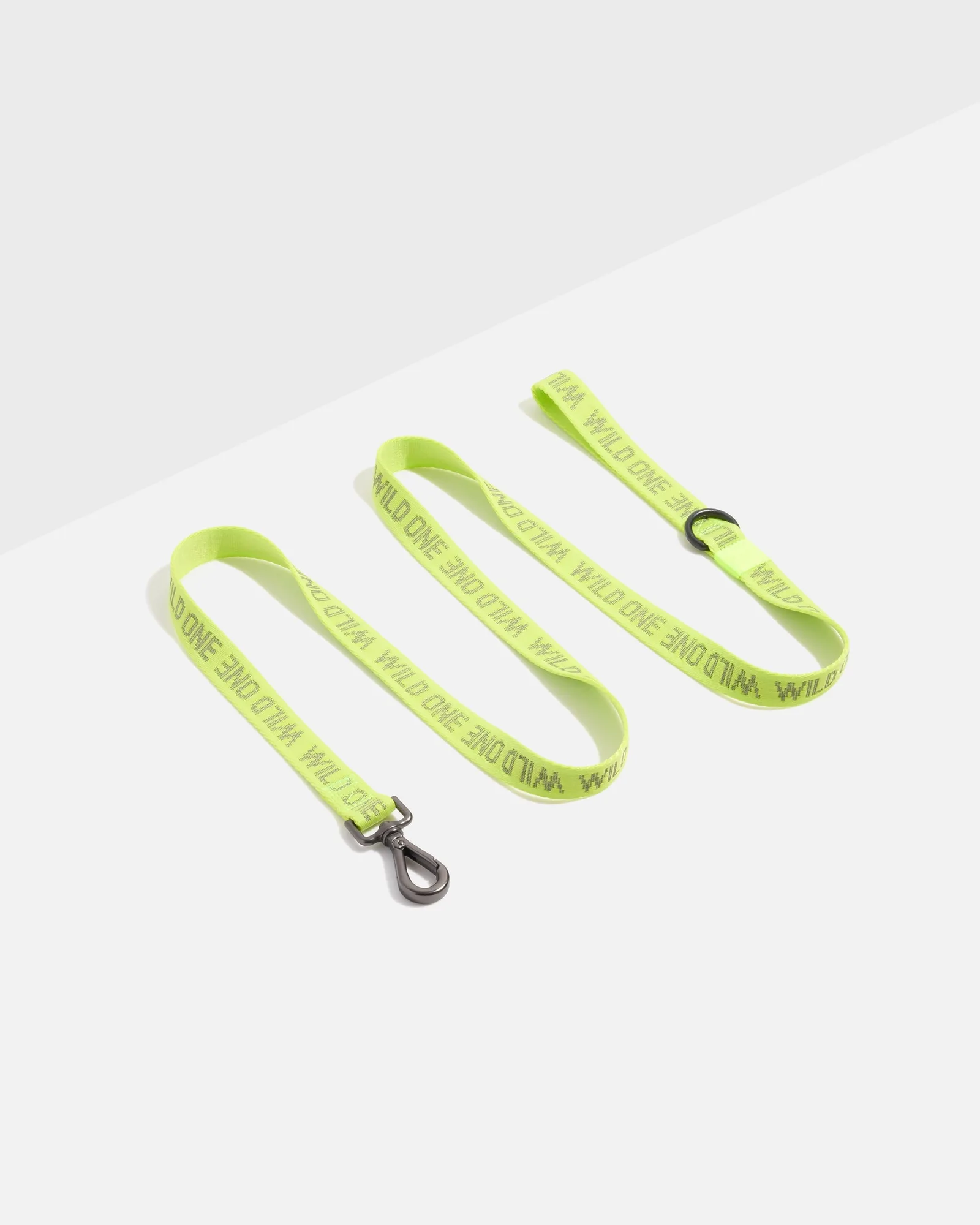
Lightweight Dog Leash
- Check for any signs of chafing or redness after a walk.
- Make sure the harness doesn't interfere with your dog's natural gait.
- If your dog is a puller, consider a front-clip harness for better control.
Measuring your dog for a harness is a simple process that pays off in comfort, safety, and peace of mind. With accurate measurements and a proper fit, your dog will enjoy walks without irritation or escape attempts. Ready to find the perfect harness? Explore our Cushioned Harness + Lightweight Leash Walk Kit for a comfortable, secure option that makes every walk a joy.