Quick answer
To measure your dog for a Walkin' Wheels wheelchair, you need three key measurements: the width across the widest part of the chest or hips, the length from the front of the chest to the back of the hind legs, and the height from the ground to the top of the front leg. Use a soft measuring tape and have a helper hold your dog steady. Always round up to the nearest size if your dog is between sizes.
Why accurate measurements matter for a dog wheelchair
A wheelchair that's too small can cause chafing, pressure sores, and make it hard for your dog to move naturally. One that's too large won't provide the support your dog needs and can lead to instability or falls. Walkin' Wheels wheelchairs are fully adjustable in height, length, and width, but starting with the right size ensures the best fit and comfort. For dachshunds and other short-legged, long-backed breeds, proper measurements are especially important because their proportions differ from other dogs.
Gather your tools and prepare your dog
You'll need a soft measuring tape (the kind used for sewing), a pen, and paper to record numbers. A helper makes the process easier and safer, especially if your dog has trouble standing. If your dog can't stand, you can take measurements while they're lying down on a flat surface, but note that standing measurements are more accurate. Choose a time when your dog is calm and relaxed, and have a few treats on hand to keep them cooperative.
Measure width at the widest point
For rear wheelchairs, measure the widest part of your dog's hindquarters, usually across the hips. For front wheelchairs, measure the widest part of the chest behind the front legs. Keep the tape snug but not tight. This measurement determines the width of the wheelchair frame and ensures your dog fits comfortably between the side bars.
Measure length from chest to hind legs
Measure from the front of your dog's chest (the sternum) to the back of their hind legs, or to the base of the tail if the hind legs are weak. This length determines where the wheels sit relative to your dog's body. For dachshunds, a longer torso means you'll need a wheelchair designed specifically for that body shape, like the Walkin' Wheels DACHSHUND Wheelchair.
Measure height from ground to the top of the front leg
Measure from the ground to the top of your dog's front leg at the shoulder or where the leg meets the body. This height determines how tall the wheelchair frame needs to be so your dog's paws can touch the ground or be supported just above it. If your dog has front leg weakness, you may need a front wheel attachment, which requires additional height considerations.
Match measurements to the Walkin' Wheels size chart
Walkin' Wheels offers sizes for dogs from 2 to 180 pounds, with specific models for different body types. Use the size chart to find the closest match based on your measurements. If your dog falls between two sizes, choose the larger size, as the wheelchair can be adjusted down. For dachshunds, the breed-specific model accommodates their short legs and long torso, so standard sizing may not apply.
Step-by-step measuring process
- Step 1: Measure width: Use a soft tape to measure the widest part of the chest (for front support) or hips (for rear support). Keep the tape level and snug. Common mistake: measuring too loosely, which leads to an oversized wheelchair. Double-check that the tape isn't sagging.
- Step 2: Measure length: Measure from the front of the chest to the back of the hind legs (or base of tail). This is the distance the wheelchair frame will span. Checkpoint: For dachshunds, ensure the length accounts for their long back. A standard wheelchair may be too short.
- Step 3: Measure height: Measure from the ground to the top of the front leg at the shoulder. This determines the frame height so paws are supported correctly. Common mistake: measuring to the elbow instead of the top of the leg. Measure to the highest point where the leg meets the body.
- Step 4: Record and compare: Write down all three measurements and compare them to the Walkin' Wheels size chart. If between sizes, size up. Checkpoint: If your dog has front and rear weakness, consider a full support (quad) wheelchair or a front wheel attachment.
- Step 5: Recheck and adjust: Once your wheelchair arrives, adjust the height, length, and width to match your measurements. Have your dog stand in it to check for comfort. Next step: If you're unsure, contact Walkin' Pets customer support with your measurements for a personalized recommendation.
Walkin' Wheels products that fit your measurements
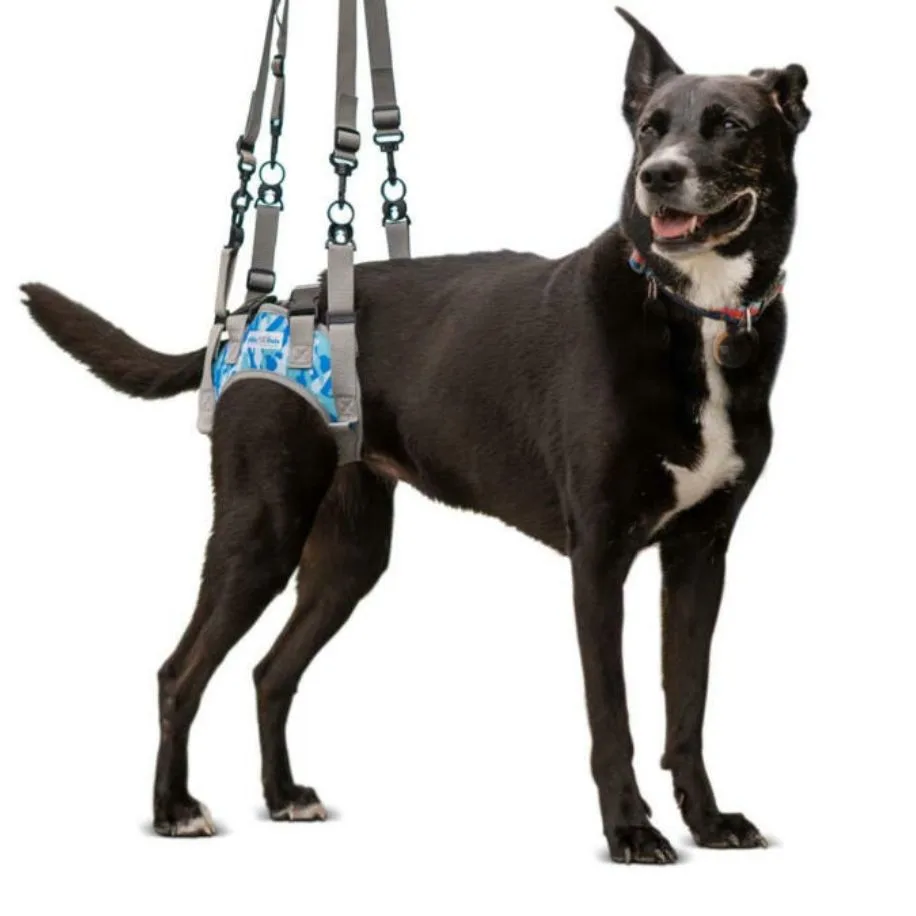
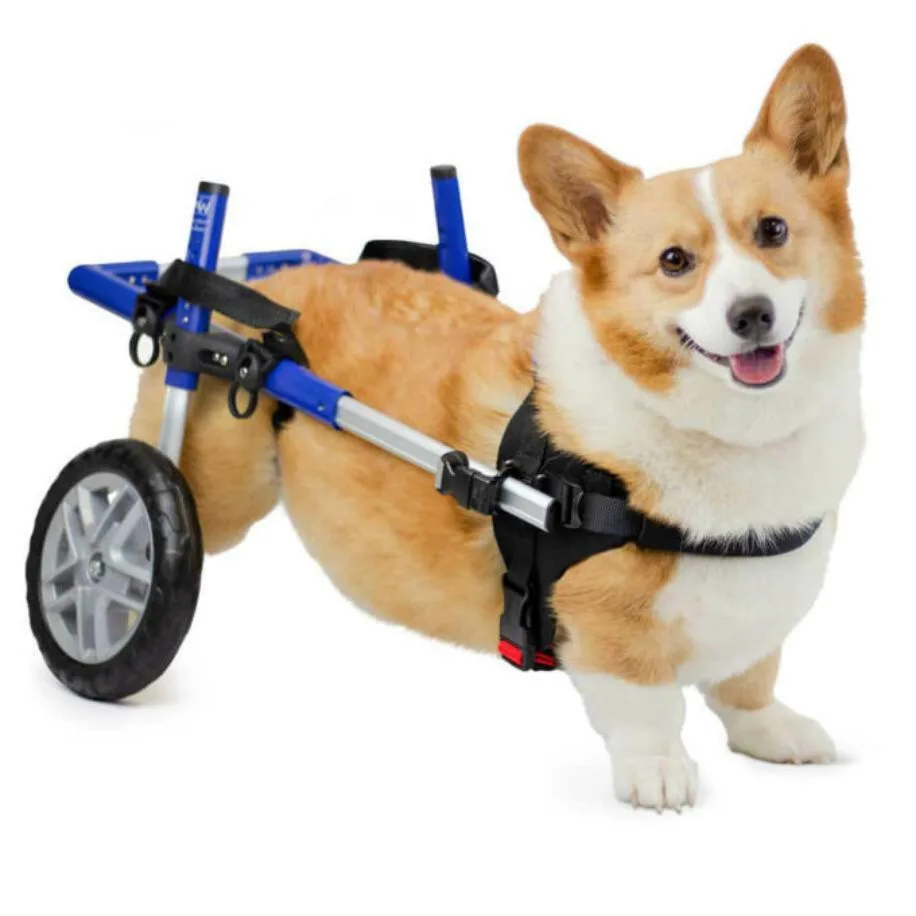
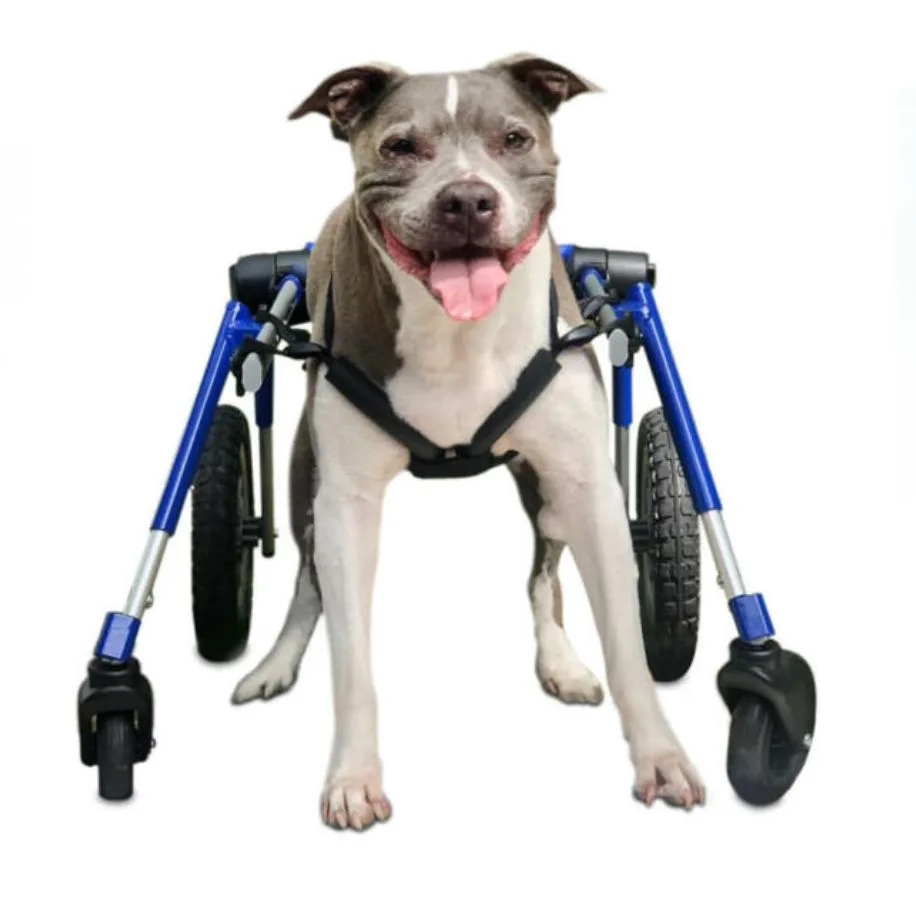
- Walkin' Wheels DACHSHUND Wheelchair: Walkin’ Wheels Rear DACHSHUND wheelchair gives dachshunds weighing from 2 to 40 pounds their mobility back! Fully adjustable in height, length, and width. The dachshund rear wheelchair is specifically designed to accommodate your doxie’s short legs and long torso and give them the rear leg support they need to exercise and stay healthy. If you have a dachshund, this model is tailored to their unique proportions, so you won't need to compromise on fit. The adjustability means you can fine-tune it as your dog's needs change.
- Walkin' Wheels MEDIUM Dog Wheelchair: The Walkin’ Wheels Medium dog wheelchair provides rear support for paralyzed and injured pets weighing between 26 to 49 lbs. Give medium sized dogs the rear leg support they need to stay active and continue to run and play. For medium-sized dogs, this wheelchair offers the right support and adjustability. Accurate measurements ensure your dog gets the correct size for comfort and mobility.
- Walkin' Wheels LARGE Front Wheel Attachment: The Walkin’ Wheels® LARGE Front Wheel Attachment is designed for pets weighing 70–180 lbs and converts your LARGE Walkin’ Wheels Rear Wheelchair into a Full Support (Quad) Wheelchair. Ideal for large dogs experiencing front and rear limb weakness, this attachment offers complete support for pets with degenerative or progressive mobility conditions. If your large dog needs front support later, this attachment lets you adapt your existing rear wheelchair. Measuring your dog's height and length accurately now ensures a smooth upgrade path.